
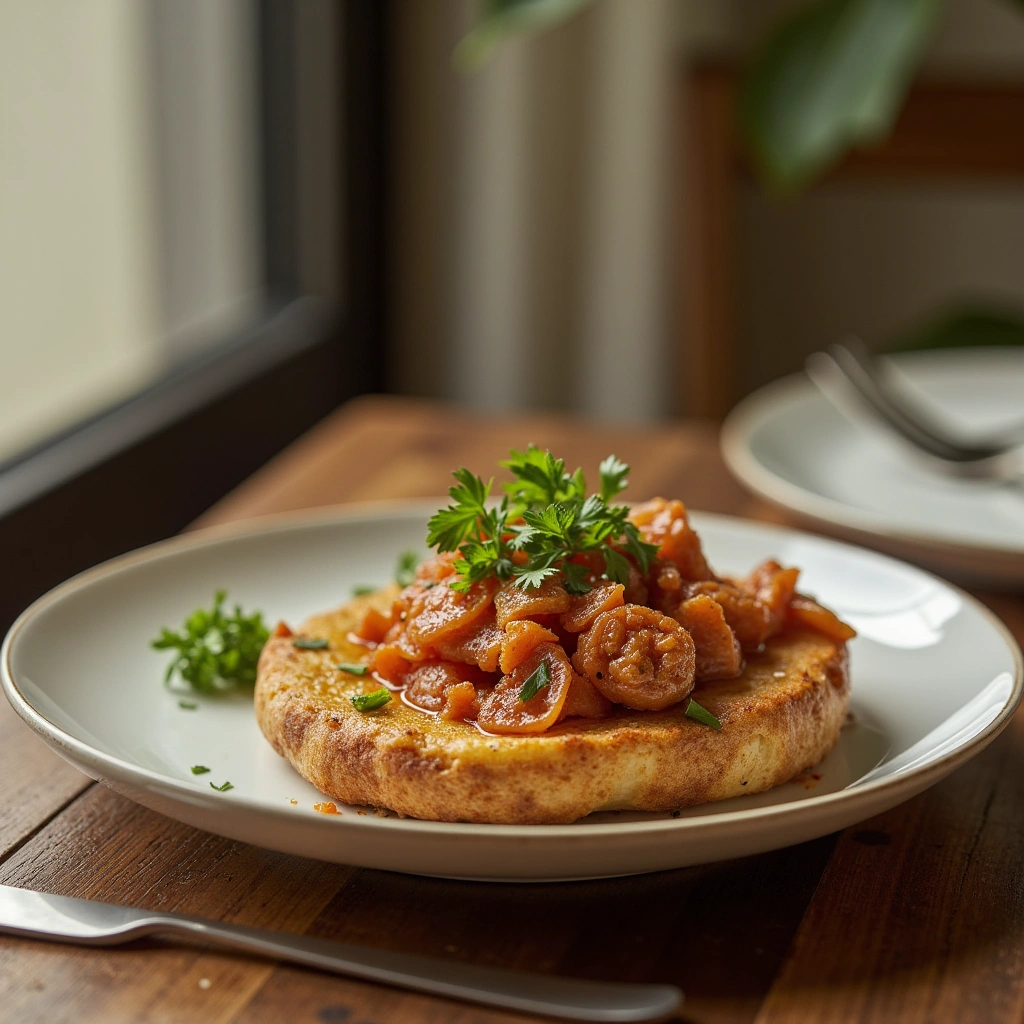
When it comes to feeding our dogs, I know how important it is to provide meals that are both nutritious and simple to prepare. With years of experience in pet nutrition and homemade recipes, I’m here to guide you through crafting a wholesome chicken veggie dog food recipe using just three ingredients. This recipe is designed to make mealtime easy, healthy, and delicious for your furry friend.
So, what exactly is a 3 ingredient chicken veggie dog food recipe? It’s a straightforward homemade dog meal made from chicken, vegetables, and a wholesome grain or supplement that provides balanced nutrition. This recipe is quick to prepare, free from preservatives, and tailored to support your dog’s health.
Stick around as I dive into the best ingredient choices, cooking tips, and additional ways to customize this recipe to suit your dog’s unique needs. By the end, you’ll have everything you need to make a tasty, balanced meal your dog will love.
Why Choose Homemade Dog Food?
Making your dog’s food at home gives you full control over the ingredients, ensuring no harmful additives or fillers sneak into their diet. Plus, it allows you to tailor meals to your dog’s health conditions, preferences, and nutritional needs. Unlike many commercial dog foods, homemade options can be fresher and often more digestible.
Homemade dog food, especially simple recipes like the 3 ingredient chicken veggie dog food, can also strengthen the bond between you and your dog. When you prepare their meals, you’re not just feeding your pet—you’re caring for their well-being in a very personal way.
This recipe is ideal for pet owners who want convenience without sacrificing quality. It’s easy enough for beginners and versatile enough to accommodate different dietary requirements.
The Basics of the 3 Ingredient Chicken Veggie Dog Food Recipe
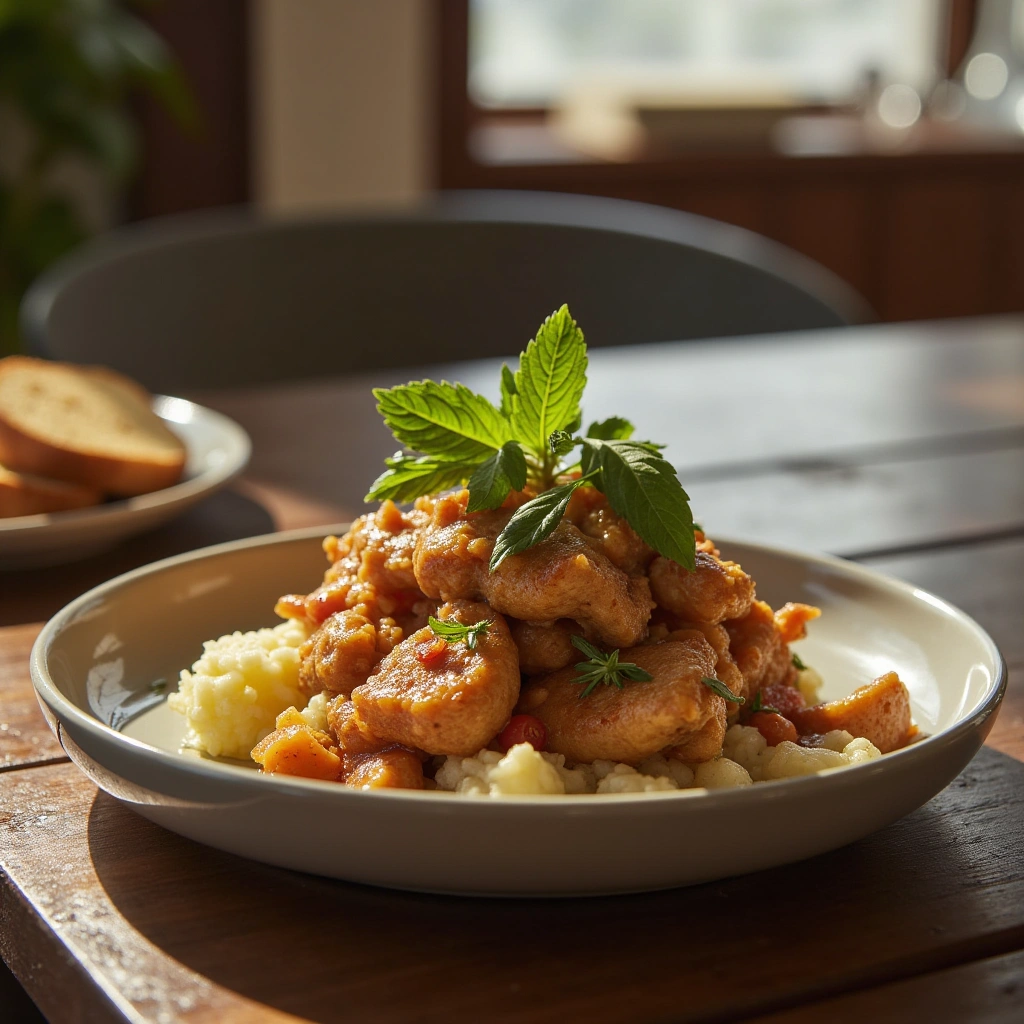
Let’s talk about the core of this recipe: chicken, vegetables, and a grain or supplement. Chicken is an excellent source of lean protein, which supports muscle maintenance and energy. Vegetables provide essential vitamins, minerals, and fiber that aid digestion and overall health. Adding a grain like brown rice or quinoa, or a supplement such as flaxseed, rounds out the nutritional profile with complex carbohydrates and healthy fats.
This recipe is not only straightforward but also adaptable. You can swap veggies based on what’s fresh or what your dog prefers, and adjust portions for size and activity level. Cooking methods are simple—usually boiling or steaming to retain nutrients.
Now, let’s get into the detailed steps and tips to make this recipe a staple in your dog’s diet.
Ingredient Spotlight: Chicken for Lean Protein Power
Chicken is the heart of this recipe because it’s a rich source of high-quality protein that helps maintain your dog’s muscle mass and supports immune function. When choosing chicken, it’s best to opt for skinless, boneless chicken breasts or thighs to keep the fat content moderate.
Always use fresh or frozen chicken without added seasonings, as spices and salt can harm dogs. Cooking the chicken thoroughly ensures it’s safe and easy to digest. Avoid fried or processed chicken products.
Practical Tip: Boil the chicken in water or low-sodium broth to infuse flavor without adding harmful ingredients. Once cooked, shred or dice the meat finely for easier chewing and digestion.
This protein choice fits well with most dog diets, whether your pup is active, senior, or has mild allergies. It’s a versatile, tasty base to build upon.
Up next, we’ll explore the best vegetable options to add vitamins and fiber.
Choosing the Right Vegetables for Nutrient Boost
Vegetables are crucial for providing antioxidants, vitamins, minerals, and fiber that support your dog’s digestion and immune system. Some excellent veggie options for dogs include carrots, green beans, peas, and pumpkin.
Carrots are rich in beta-carotene and fiber, green beans offer low-calorie crunch with vitamins A and C, peas supply protein and fiber, while pumpkin is fantastic for digestive health due to its soluble fiber content.
Health Benefit: These veggies can help regulate bowel movements, improve coat health, and provide antioxidants that combat free radicals.
Practical Tip: Steam or boil vegetables until tender but not mushy. This makes them easier for your dog to digest and improves nutrient absorption.
Mix and match veggies based on your dog’s preferences and dietary restrictions. Avoid onions, garlic, and other toxic vegetables.
Next, we’ll cover the third key ingredient: grains and supplements.
Grains and Supplements: Adding Balance and Essential Nutrients
While dogs primarily need protein and fat, including a wholesome grain or supplement balances the meal with fiber, carbohydrates, and essential fatty acids. Brown rice, quinoa, or oats are good grain choices because they are easy to digest and provide sustained energy.
Alternatively, supplements like ground flaxseed deliver omega-3 fatty acids that promote skin health and reduce inflammation. Adding a small amount of plain yogurt can also introduce probiotics for gut health.
Practical Tip: Cook grains thoroughly before mixing them with chicken and veggies to improve digestibility. Start with small portions to monitor your dog’s tolerance.
This ingredient completes the nutritional profile and makes the recipe suitable for daily feeding or occasional treats.
Up next, I’ll walk you through the step-by-step recipe preparation.
Step-by-Step Guide to Preparing the 3 Ingredient Chicken Veggie Dog Food
-
Cook the Chicken: Boil 1 pound of skinless, boneless chicken breast or thigh in water or low-sodium chicken broth for 15-20 minutes until fully cooked. Drain and shred the chicken finely.
-
Prepare Vegetables: Choose about 1 cup of dog-safe vegetables like carrots, green beans, or peas. Steam or boil until tender, then chop into small pieces.
-
Cook Grains: Prepare ½ cup of brown rice or quinoa according to package instructions. Allow to cool.
-
Combine Ingredients: In a large bowl, mix shredded chicken, cooked vegetables, and grains or supplements thoroughly.
-
Cool and Serve: Allow the food to cool to room temperature before serving to your dog. Store leftovers in an airtight container in the refrigerator for up to 3 days.
Practical Tip: Start feeding small portions to see how your dog responds to the new food and adjust amounts based on their weight and activity level.
This simple method ensures your dog gets a balanced, wholesome meal with minimal fuss.
How to Customize the Recipe for Your Dog’s Unique Needs
Every dog is different, so feel free to tweak the recipe based on dietary needs, allergies, or preferences. For dogs with grain sensitivities, replace rice with sweet potato or omit grains entirely, adding extra veggies or supplements instead.
If your dog needs more fat for energy, consider adding a teaspoon of olive oil or fish oil. For joint support, sprinkle a little turmeric or add a canine-specific supplement after consulting your vet.
Always consult your veterinarian before making significant changes, especially if your dog has health conditions.
Practical Tip: Keep a food journal to track your dog’s reaction to new ingredients and adjust accordingly.
Next, I’ll share some tips on serving and storing homemade dog food safely.
Safe Storage and Serving Tips for Homemade Dog Food
Homemade dog food is fresh and nutritious but requires careful storage to maintain safety. Refrigerate leftovers promptly and use within 2-3 days to avoid spoilage.
For longer storage, freeze portions in airtight containers or freezer bags. Defrost in the refrigerator before serving.
Serve meals at room temperature to avoid digestive discomfort. Use clean bowls and utensils to prevent contamination.
Practical Tip: Prepare meals in batches and portion them into single-serving containers for quick, convenient feeding throughout the week.
Proper storage ensures your dog enjoys fresh, safe meals every time.
Common Mistakes to Avoid When Making Homemade Dog Food
When making homemade meals, avoid these pitfalls:
-
Using toxic ingredients: Never use onions, garlic, chocolate, grapes, or artificial sweeteners.
-
Unbalanced meals: Skipping key nutrients can lead to deficiencies. Stick to balanced recipes or consult a vet.
-
Overfeeding protein or fat: Too much protein or fat can cause health issues. Follow portion guidelines.
-
Ignoring vet advice: Always check with your vet before changing diets, especially for puppies, seniors, or dogs with health issues.
Practical Tip: Use trusted recipes like this 3 ingredient chicken veggie dog food as your baseline and adjust carefully.
Avoiding these mistakes helps keep your dog healthy and happy.
Benefits of Homemade Chicken Veggie Dog Food Over Commercial Brands
Homemade meals like this recipe have several advantages:
-
Transparency: You know exactly what’s in your dog’s food.
-
Freshness: No preservatives or fillers.
-
Customization: Tailor meals to your dog’s unique needs.
-
Potential cost savings: Bulk ingredients can be cheaper than premium commercial foods.
-
Improved digestion: Fresh, whole ingredients are easier to digest.
Practical Tip: Use homemade meals as a supplement or occasional treat if you prefer commercial food for convenience.
This recipe empowers you to take charge of your dog’s nutrition.
How to Transition Your Dog to Homemade Food Smoothly
Switching your dog to homemade food requires patience to avoid digestive upset.
-
Start by mixing 25% homemade with 75% current food for 3-5 days.
-
Gradually increase homemade portion to 50%, then 75%, and finally 100%.
-
Watch for changes in stool, appetite, and energy.
-
Consult your vet if any issues arise.
Practical Tip: Introduce one new ingredient at a time to spot allergies or sensitivities early.
A slow transition helps your dog adjust comfortably.
Nutritional Overview of the 3 Ingredient Chicken Veggie Dog Food
| Nutrient | Source | Benefit |
|---|---|---|
| Protein | Chicken | Muscle growth and repair |
| Fiber | Vegetables (carrots, peas) | Digestive health |
| Vitamins A, C, K | Vegetables | Immune and skin health |
| Omega-3 Fatty Acids | Flaxseed or fish oil | Anti-inflammatory, skin health |
| Carbohydrates | Brown rice/quinoa | Energy source |
This balance supports overall canine health, making the recipe a complete meal option.
Frequently Asked Questions About Homemade Dog Food
Q: Can I use chicken with bones?
A: No, cooked bones can splinter and cause injury. Always remove bones before cooking.
Q: How much should I feed my dog?
A: Portion size depends on weight, age, and activity. Consult your vet for personalized advice.
Q: Can my dog eat raw chicken?
A: Raw diets require careful handling and vet guidance. Cooking chicken reduces risk of pathogens.
Q: What if my dog refuses the food?
A: Try mixing with a little broth or warm water. Gradually increase homemade portions.
Conclusion
Making a 3 ingredient chicken veggie dog food recipe is a fantastic way to provide your dog with fresh, nutritious meals without complicated ingredients or lengthy prep. By focusing on lean protein, wholesome vegetables, and balanced grains or supplements, you ensure your dog enjoys a healthy diet tailored to their needs.
Remember, the key to success is simple ingredients, careful preparation, and gradual introduction. Homemade dog food isn’t just about feeding—it’s about nurturing a happier, healthier life for your best friend. Give this recipe a try and watch your dog thrive on wholesome goodness.
Ready to make your dog’s mealtime healthier and more delicious? Try this 3 ingredient chicken veggie dog food recipe today and see the difference in your pup’s energy and happiness!