
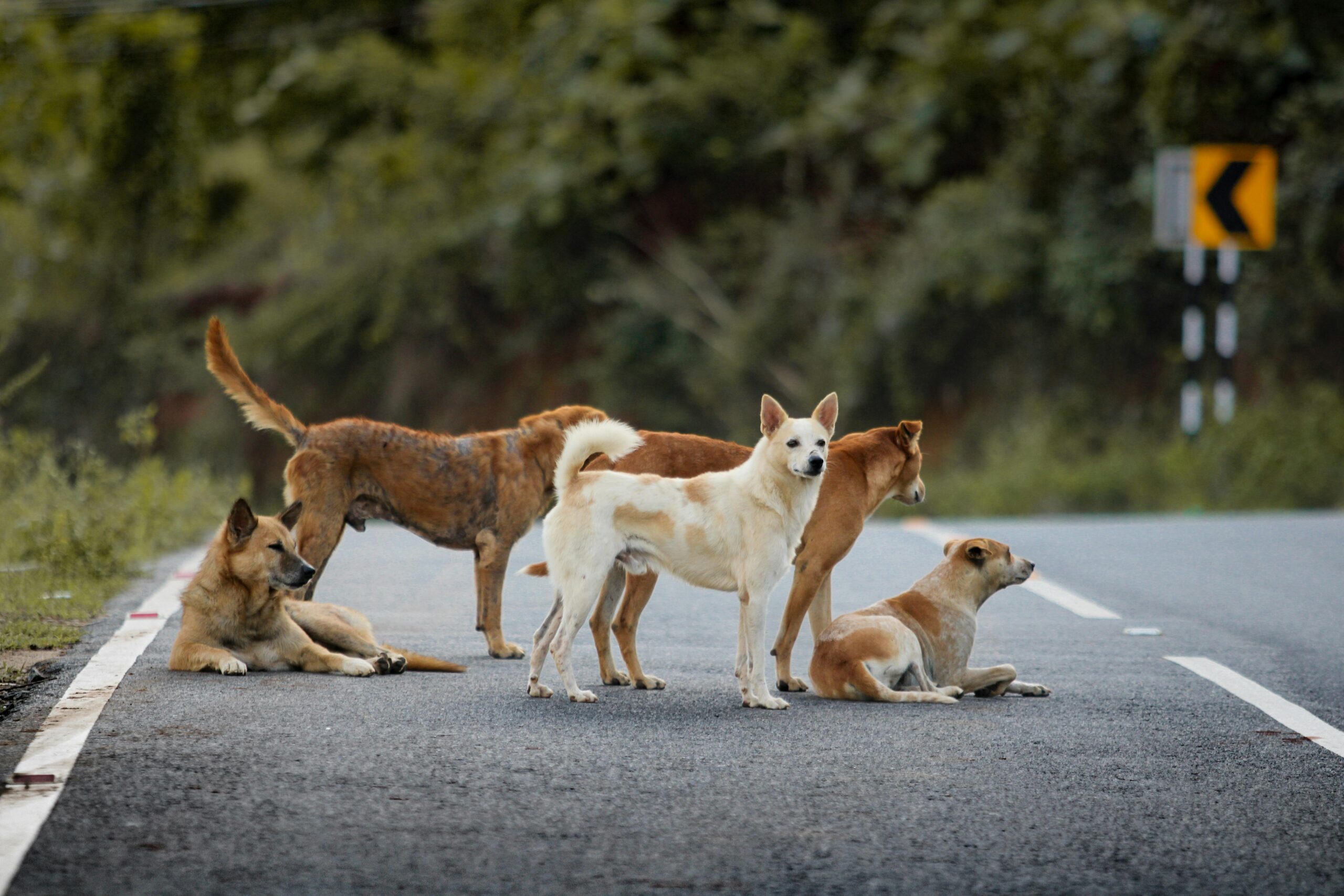
Traveling long distances with your dog can feel daunting, but it can also be an incredibly rewarding experience. With the right preparation and knowledge, you can make the journey enjoyable for both you and your furry friend. In this guide, we'll provide you with invaluable tips to ensure your pet travels safely and comfortably, while minimizing stress for both of you.
So, what are the best tips for traveling long distance with dogs? To sum it up, preparing your pet well ahead of time is essential. Make sure your dog is comfortable in a carrier or vehicle and has proper identification. Additionally, plan your route with frequent stops for exercise and bathroom breaks. This way, your furry companion will remain calm and enjoy the journey.
As you read on, you'll discover in-depth insights, expert tips, and various strategies you can implement to make road trips a breeze. Whether you’re taking a long drive or a cross-country adventure, our comprehensive guide will help you traverse the open road with peace of mind.
1. Prepare for the Trip Early
Planning well in advance is key to a successful long-distance trip with your dog. This means scheduling a vet appointment to ensure your pup is in good health and up-to-date on vaccinations. Bring along any necessary medications, health records, and a copy of your dog’s vaccination history. This can come in handy if you need to stop at a new vet along the journey or if you need boarding services.
Moreover, consider investing in a quality pet carrier or safety harness. Familiarizing your dog with the carrier or harness before the trip can help ease anxiety. Make sure to take several short trips leading up to your journey, giving your dog the opportunity to adjust to the idea of traveling.
2. Check Your Destination
Before hitting the road, ensure your destination is dog-friendly. Look for accommodations, parks, and attractions that allow pets. Websites and apps like BringFido and DogFriendly can help you discover dog-friendly hotels and restaurants along your route. This way, you will avoid any unpleasant surprises upon arrival.
Once you’ve verified that your destination welcomes dogs, make sure to check for local leash laws, breed restrictions, or other pet regulations. It’s crucial to understand the area you'll be visiting to ensure a smooth trip.
3. Pack Essentials for Your Dog
When it comes to packing, don’t skimp on your dog's essentials. Bring food, water, bowls, a leash, waste bags, and any favorite toys or blankets to give comfort. You may also want to pack a first-aid kit that includes items like bandages, antiseptic wipes, and essential medications.
Additionally, don’t forget to include identification such as a collar with ID tags and a microchip. This extra precaution can be a lifesaver if your dog gets lost during your travels.
4. Take Frequent Breaks
Every couple of hours, plan to take breaks. Dogs, like humans, need to stretch their legs, hydrate, and relieve themselves. Find rest stops or parks along your route that allow dogs to explore and exercise. During your breaks, encourage your dog to drink water and consider offering a small snack.
Breaks not only provide physical relief but can also help reduce anxiety and boredom for your pup. Just remember to keep your dog on a leash and supervise them in unfamiliar areas.
5. Maintain Comfort in the Car
Long car rides can be tough on your pet, so ensuring their comfort is vital. Use a well-ventilated pet crate or harness for safety while preventing them from becoming overly stressed. Keep the car temperature comfortable, and avoid exposing your dog to direct sunlight. Take measures to minimize noise, as loud sounds from the road can be intimidating for some pets.
Furthermore, never leave your dog alone in a parked car, especially in hot weather. If you must stop somewhere without your pet, consider finding pet-friendly businesses or stores where your dog can accompany you.
6. Practice Good Pet Etiquette
Respect the people and places you encounter during your travels. Always use a leash in public areas and be aware of different customs regarding pets in different locations. Cleaning up after your dog is crucial for maintaining a positive experience, both for you and others around you.
If you’re staying at a pet-friendly hotel, be courteous to staff and other guests by keeping your dog quiet and contained. Remember, a well-behaved dog can enhance the experience and open doors for future dog-friendly accommodations.
7. Manage Your Dog’s Anxiety
Traveling can be stressful for some pets. If your dog experiences anxiety, consider using calming products such as pheromone sprays, anxiety wraps, or even natural supplements (consult with your vet first).
Creating a calming environment in the car can also help. Place a comfortable blanket or favorite toy that smells like home, and play soothing music to reduce stress levels. Observe your dog's body language and adjust your approach accordingly.
8. Monitor Food and Water Intake
It's crucial to manage your dog’s food and water intake during long treks. Stick to their regular feeding schedule, but adjust portion sizes if necessary to avoid a bloated stomach while on the road. Offer water frequently, especially if you're traveling in hot weather, to keep them hydrated.
Also, avoid feeding your dog a large meal just before the trip. Instead, offer smaller meals throughout the journey to reduce the risk of car sickness, ensuring a more pleasant experience.
9. Bring Along a Travel Agenda
When traveling, a well-thought-out agenda can make all the difference. Outline your daily travel plans, including the anticipated stops, attractions, and any time-sensitive events. Having everything organized can reduce stress during the trip, allowing you to enjoy your experience more fully.
Make sure to note: Driving conditions can change, especially in different weather, so be prepared to adjust your plans accordingly. Flexibility can go a long way in ensuring your travel goes smoothly.
10. Have a Backup Plan
No matter how much planning you do, it’s essential to have a backup plan in case of emergencies. This means knowing of nearby veterinary clinics along your route or at your destination, just in case your dog requires medical assistance.
Have a list of local pet-friendly resources, such as kennels, pet sitters, and dog parks, ready for use in unforeseen circumstances or just for a change of pace during your trip. Planning for the unexpected ensures that you both can enjoy your time together.
The journey may seem challenging, but with these tips, you’ll find that traveling long distances with your dog can be a joyous adventure.
In conclusion, traveling long distances with dogs requires careful preparation and consideration. By following these ten tips, you'll not only ensure your pet's safety and comfort but also enhance your travel experience. Always remember that your dog relies on you to guide and care for them during this adventure. So take a breath, plan well, and hit the road with confidence!