
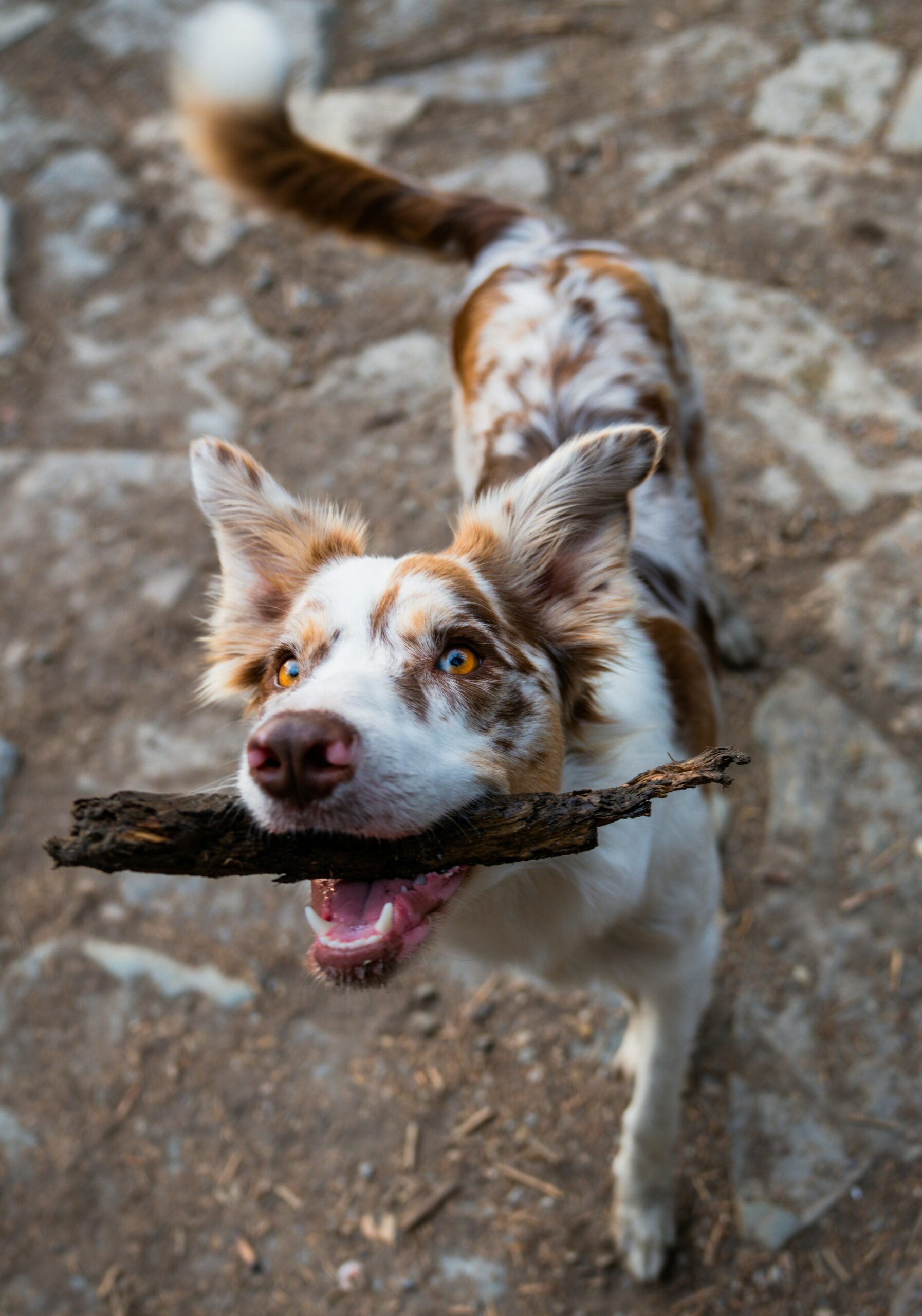
When it comes to dog training, scent training is an incredibly rewarding and stimulating activity for both dogs and their owners. Understanding the fundamentals of scent training can transform your dog into a focused and well-behaved companion. In this comprehensive guide, I'll delve into the nuances of scent training, ensuring you get the most accurate and practical advice to enrich your dog’s life.
So, what is scent training for dogs? Scent training is a method that teaches dogs to utilize their incredible sense of smell to locate specific scents, objects, or even people. This training is not only fun but also enhances a dog's cognitive abilities and provides mental stimulation. By systematically introducing scent work, you can help your furry friend develop important skills that will benefit them throughout their lives.
Curious about how to embark on this fascinating journey with your dog? In the following sections, you’ll discover techniques, practical tips, and essential tools that will enhance your scent training experience, all while keeping it engaging and effective for your four-legged partner.
Understanding Your Dog’s Sense of Smell
To fully appreciate the wonders of scent training, it’s crucial to understand your dog's incredible sense of smell. Dogs have up to 300 million olfactory receptors in their noses, compared to a human’s mere 5 million. This translates to dogs having a sense of smell that is between 10,000 to 100,000 times more powerful than ours. When you consider that dogs can detect various scents, such as pheromones, food, and even medical conditions, it becomes clear why scent training is both natural and rewarding for them.
When implementing scent training, it’s important to utilize this extraordinary ability effectively. Start by introducing your dog to easy-to-distinguish scents. Fresh herbs, like basil or mint, can be excellent starting points. Gradually increase the complexity as your dog becomes more comfortable. This method assists in building their confidence and enhances their natural behaviors.
Moreover, knowing how to channel this innate ability can enrich your dog's daily life and reduce behavioral issues stemming from boredom. Therefore, ensuring a consistent and engaging scent training routine is key in unlocking your dog’s potential.
The Benefits of Scent Training
Scent training offers numerous benefits that extend far beyond the obvious fun of watching your dog sniff out items. Firstly, it provides immense mental stimulation, which is essential for a dog’s overall well-being. Engaging your dog’s brain helps alleviate anxiety and fatigue.
Behavioral Benefits:
- Improved Focus: Scent training captures your dog’s attention and keeps them engaged, helping improve their focus.
- Enhanced Bonding: Working together on scent games fosters a deeper connection between you and your dog.
- Life Skills: These skills help in real-life situations, making your dog more adaptable and responsive.
Health Benefits:
- Reducing Anxiety: Engaging the mind with scent training can reduce stress and anxiety levels in dogs.
- Physical Activity: Dogs inherently move around as they seek out scents, leading to increased physical activity.
Overall, introducing scent training into your dog’s routine can improve their quality of life and establish a rewarding habit for both of you.
Essentials for Scent Training
Before jumping into scent training exercises, it's essential to prepare the right tools and environment. Here’s what you’ll need:
- Scent Items: Start with easily distinguishable scents such as essential oils, spices, or specially designed scent training kits.
- Training Treats: Use high-value treats that will motivate your dog to work harder.
- Leash and Harness: For outdoor exercises, use a leash and harness to maintain control while allowing freedom to explore.
Practical Tips:
- Choose a quiet, distraction-free environment to begin your training sessions.
- Opt for shorter training sessions (10-15 minutes) to maintain your dog’s focus and prevent fatigue.
Establishing a strong foundation during the initial stages is crucial for your dog to understand the scent training process effectively.
Basic Scent Training Techniques
Hide and Seek
One of the simplest methods of scent training is the classic game of hide and seek. Begin by allowing your dog to sniff a desired scent, then hide it within a small distance. Gradually increase the hiding complexity as your dog becomes adept. This game is not only fun but encourages your dog to use their smelling ability, which reinforces their natural instincts.
Box Search
Utilizing multiple boxes can lead to exciting scent exploration! Place different scents in various boxes, which challenges your dog to utilize their nose to find the right smell. This exercise can ignite their analytical skills while being incredibly fun.
Scent Trails
Create a tracking exercise by laying scent trails using a towel or toy that carries your dog's favorite scent. Let them follow the trail you've created, rewarding them upon completion. This method strengthens their focus on the task at hand and boosts their confidence when they complete the challenge.
By integrating these techniques into your training, your dog will cultivate a far better understanding of their capabilities, proving that scent training can indeed be an enriching experience.
Advanced Scent Training Techniques
Once your dog has mastered basic scent training methods, you can begin introducing advanced techniques to deepen their skills.
Search and Rescue
This technique is often used in training dogs for professional search and rescue missions. Start by teaching your dog to locate specific items in various environments, from parks to hiking trails. The goal is to enhance their ability to follow scent trails over greater distances.
Detecting Different Scents
As your dog becomes more skilled, you can introduce a variety of scents for them to identify. Use common odors such as lavender, citrus, or even specific food items. This not only keeps your dog engaged but also expands their skill set.
Utilizing Natural Terrain
Integrate elements from your surroundings for real-world hunting scenarios. Encourage your dog to search for scents in grass, trees, and varied terrain. This not only enriches the training but also helps them learn how to work in real-life situations.
Incorporating advanced techniques allows your dog to maximize their olfactory capabilities and flourish in their environment.
Common Challenges and Solutions in Scent Training
While scent training can be immensely rewarding, it’s common to face challenges along the way. Here are a few frequent hurdles and how to overcome them:
Distraction Issues
Ensure you’re practicing in a controlled environment at first. Gradually introduce new stimuli while your dog works to help them build focus.
Motivation Levels
If your dog appears disinterested, employ high-value treats or their favorite toys as motivation. Some dogs may respond better to play than food, so adapt accordingly.
Frustration
If your dog becomes frustrated or overwhelmed, it is essential to simplify the task. Break down the goal into smaller, manageable steps to contribute to their confidence and interest.
Patience, practice, and persistence are crucial components of overcoming these challenges during scent training.
Incorporating Scent Training Into Your Daily Routine
Integrating scent training into your dog’s regular life can deliver consistent results. Here are some simple ways to incorporate it:
-
Walks: Use daily walks to introduce new scents. Allow your dog to sniff plants, trees, and other animals while obediently guiding them.
-
At Home: Hide treats around your home and have your dog find them using their nose. This can serve as a quick and easy training session during inclement weather.
-
Playtime: Use interactive games that include scent work during playtime to keep training fun and alive.
Embedding scent training into your dog's everyday routine helps reinforce their skills while keeping them excited and engaged.
Resources for Scent Training
To become an even better scent trainer, consider these resources:
- Books: “Scent Training for Dogs” by Laura Venator offers insightful guidance into structured scent training programs.
- Online Courses: Platforms like Udemy often have courses geared specifically towards scent training.
- YouTube Channels: Many expert trainers share free, informative videos on scent training techniques.
These resources can provide additional insights, tricks, and methods to enhance your training journey together.
Conclusion
In conclusion, scent training for dogs is a fulfilling and engaging activity that can significantly improve your dog's behavior, skills, and overall happiness. By understanding your dog’s sense of smell, utilizing essential techniques, and overcoming challenges, you can create a rich training experience. Remember to keep your sessions fun, structured, and rewarding to ensure your dog remains enthusiastic about their scent work. With patience and dedication, you will see noteworthy benefits in your dog’s behavior and relationship with you.
Whether you’re training a puppy or an adult dog, incorporating scent training can not only add joy to their life but also help create a deeper bond between you and your canine companion. Embrace the journey of scent training and witness the wonderful transformation in your furry friend!