
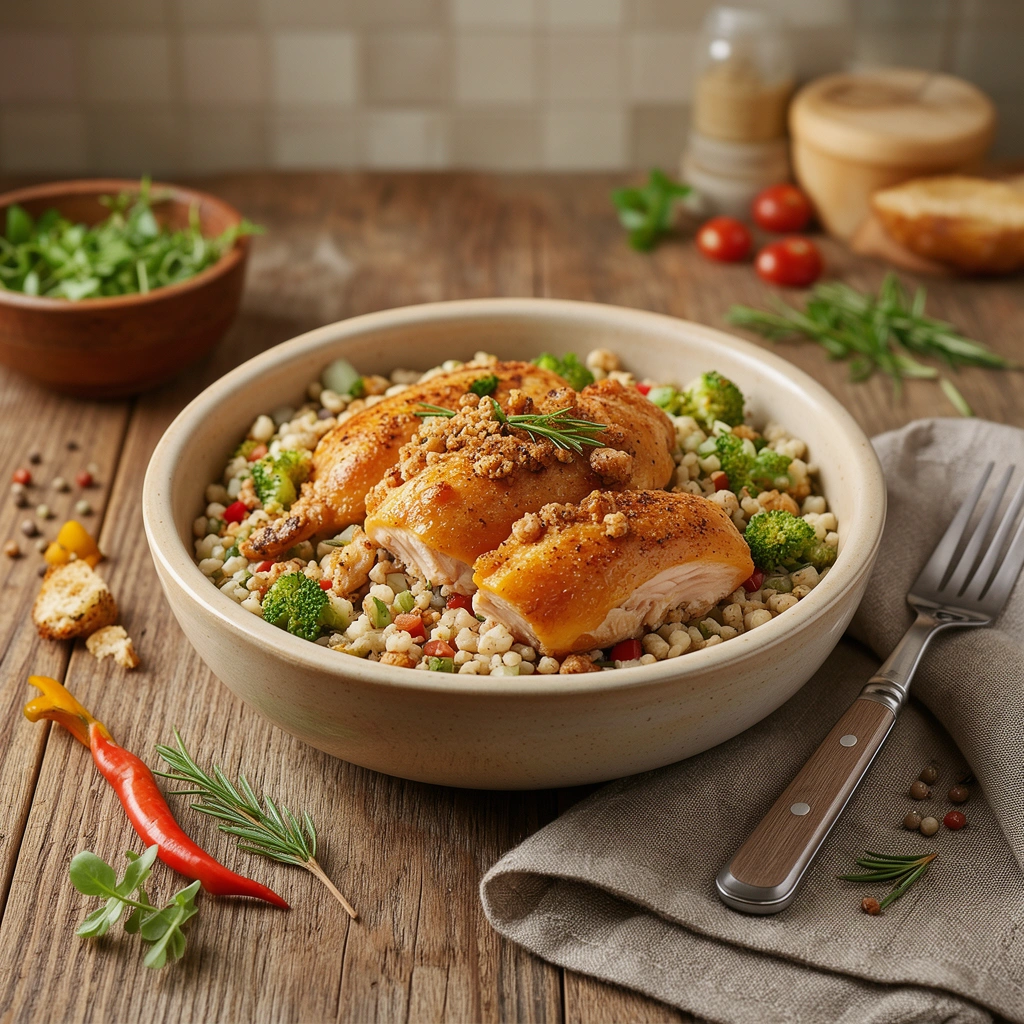
Hey friends! If you’ve ever wondered about making homemade dog food with chicken, you’re in the right place. I’ve spent years researching and cooking for my furry pals, so I know how important it is to get the recipe just right—not just tasty, but healthy and balanced too.
So, what’s the best way to make homemade dog food with chicken? The answer is simple: Use fresh, lean chicken combined with nutrient-packed veggies and grains, balanced with the right supplements to ensure your dog gets all essential nutrients. This homemade recipe supports digestion, energy, and overall health without fillers or preservatives.
Keep reading, and I’ll walk you through everything—from ingredient choices and health benefits to cooking tips and meal prepping ideas. By the end, you’ll be confident whipping up meals your dog will love and thrive on.
Why Choose Homemade Dog Food With Chicken?
When it comes to feeding our dogs, homemade dog food with chicken stands out for many reasons. First, it’s fresh and free from the additives found in many commercial kibbles. You know exactly what’s going into your dog’s meal, which means better control over quality and nutrition.
Chicken is a lean protein that’s easy to digest and packed with essential amino acids that help build strong muscles and keep your dog energized. Plus, making food at home allows you to tailor recipes to your dog’s specific needs—whether they have allergies, sensitivities, or just need a little extra love in their diet.
Homemade meals also encourage hydration (when you include broth or water), which is especially helpful for dogs that don’t drink enough water. It’s a win-win for health and happiness.
Understanding Your Dog’s Nutritional Needs
Before diving into recipes, it’s crucial to understand what nutrients your dog needs daily. Dogs require:
- Proteins: For muscle maintenance and repair.
- Carbohydrates: For energy.
- Fats: For brain function and coat health.
- Vitamins and Minerals: For immune support and overall wellness.
- Fiber: For healthy digestion.
Chicken covers the protein and fat requirements well, but you’ll need to add veggies and grains (or alternatives) to round out the meal. Calcium and omega fatty acids are often lacking in homemade recipes, so supplements or specific ingredients like fish oil or ground eggshells might be necessary.
With this foundational knowledge, you can craft meals that are not just tasty but truly nourishing.
How to Make the Perfect Homemade Dog Food With Chicken
Alright, now let’s talk turkey—well, chicken! Making homemade dog food with chicken isn’t complicated, but a few best practices make all the difference.
Start with lean, boneless chicken breast or thighs—avoid skin and excess fat to keep meals healthy. Cook the chicken thoroughly but avoid seasoning with salt, garlic, or onions, which are toxic to dogs.
Add dog-friendly vegetables like carrots, peas, spinach, or sweet potatoes for fiber and vitamins. For carbs, brown rice or oatmeal works well unless your dog has grain sensitivities—in which case, quinoa or pumpkin is a good substitute.
A splash of olive oil or fish oil adds healthy fats. Lastly, consider adding a dog-specific multivitamin or calcium source to balance the meal.
Cook chicken and grains fully, steam or boil veggies lightly, then mix everything well. Cool before serving.
Classic Chicken and Vegetable Dog Food Recipe
This recipe is a great starter—simple, balanced, and nutritious.
Ingredients:
- 2 ½ cups cooked lean chicken breast, shredded
- 1 cup cooked brown rice
- 1 cup steamed chopped carrots
- 1 cup steamed peas
- 1 tablespoon olive oil
- Optional: 1 teaspoon fish oil supplement
- Optional: Calcium supplement (consult your vet)
Instructions:
- Cook chicken thoroughly and shred it into bite-sized pieces.
- Boil brown rice until soft.
- Steam carrots and peas until tender.
- Mix all ingredients in a large bowl.
- Add olive oil and fish oil, then stir well.
- Let cool before serving.
Health Benefits:
- High in lean protein for muscle support.
- Fiber-rich veggies aid digestion.
- Healthy fats improve skin and coat health.
Practical Tip:
Batch cook this recipe and freeze in portion-sized containers for convenience.
This classic dish suits most dogs and is a great foundation to customize with other veggies or grains.
Chicken and Sweet Potato Delight for Sensitive Stomachs
Some dogs have sensitive stomachs or food allergies. Sweet potatoes are gentle carbs packed with fiber and vitamins that promote digestive health.
Ingredients:
- 2 cups cooked chicken thighs, shredded
- 1 ½ cups cooked sweet potatoes, mashed
- 1 cup steamed green beans
- 1 tablespoon coconut oil
- ½ cup cooked quinoa
Instructions:
- Cook and shred chicken thighs.
- Boil and mash sweet potatoes.
- Steam green beans until soft.
- Cook quinoa as per package instructions.
- Mix all ingredients with coconut oil.
- Allow to cool before feeding.
Health Benefits:
- Sweet potatoes soothe the gut and reduce inflammation.
- Quinoa provides a grain-free protein alternative.
- Coconut oil supports metabolism and skin health.
Practical Tip:
Introduce new ingredients slowly to monitor your dog’s tolerance.
This recipe is ideal for dogs with food sensitivities or allergies.
High-Protein Chicken and Vegetable Stew for Active Dogs
Active or working dogs need extra protein and calories. A hearty stew can provide sustained energy and nutrients.
Ingredients:
- 3 cups cooked chicken breast, diced
- 1 cup cooked barley
- 1 cup mixed steamed vegetables (carrots, spinach, zucchini)
- 2 cups low-sodium chicken broth
- 1 tablespoon flaxseed oil
Instructions:
- Dice cooked chicken breast.
- Cook barley until soft.
- Steam vegetables lightly.
- Combine chicken, barley, and vegetables in a pot.
- Add chicken broth and simmer for 10 minutes.
- Stir in flaxseed oil.
- Cool before serving.
Health Benefits:
- Barley provides complex carbs for energy.
- Flaxseed oil delivers omega-3 fatty acids for joint health.
- Stew form increases hydration.
Practical Tip:
Store leftovers in the fridge for up to 3 days or freeze for longer.
This stew supports dogs with higher energy demands, such as working or sporting dogs.
Incorporating Supplements Safely in Homemade Dog Food
One of the biggest gaps in many homemade dog food recipes is the lack of guidance on supplements. Dogs need certain vitamins and minerals that aren’t always present in basic chicken and veggies meals.
Key supplements to consider:
- Calcium: Ground eggshells or bone meal powder ensure strong bones.
- Fish Oil: Rich in omega-3s to reduce inflammation.
- Multivitamins: Cover any nutritional gaps.
- Probiotics: Support gut health and digestion.
Always consult your vet before adding supplements, especially if your dog has health conditions or is on medication.
Common Mistakes to Avoid When Making Homemade Dog Food
Making your own dog food is rewarding but mistakes can harm your pup’s health.
- Overfeeding protein: Too much protein can strain kidneys.
- Skipping calcium: Can lead to bone disorders.
- Using toxic ingredients: Avoid onions, garlic, grapes, chocolate.
- Ignoring portion control: Can cause weight gain.
- Not consulting a vet: Always check with a professional before switching diets.
Being mindful of these ensures your dog stays healthy and happy.
How to Store and Serve Homemade Chicken Dog Food
To keep homemade dog food fresh and safe:
- Refrigerate leftovers for up to 3 days.
- Freeze portions for up to 3 months.
- Serve at room temperature.
- Use airtight containers to prevent spoilage.
Proper storage maintains nutrients and flavor, making mealtime enjoyable.
Tailoring Recipes for Different Dog Breeds and Ages
Different dogs have unique nutritional needs. Puppies require more fat and calories for growth, while senior dogs need fewer calories but joint support.
- Small breeds: Smaller portions, higher calorie density.
- Large breeds: Joint supplements and controlled calories.
- Puppies: Increased protein and fat.
- Seniors: Added glucosamine, reduced fat.
Adjust recipes accordingly to keep your dog thriving at every life stage.
Tips for Transitioning Your Dog to Homemade Food
Switching to homemade food should be gradual:
- Mix 25% homemade with 75% current food for 3 days.
- Increase homemade to 50% for next 3 days.
- Move to 75% homemade for 3 days.
- Finally, 100% homemade.
Watch for digestive upset and adjust pace if needed.
Frequently Asked Questions About Homemade Dog Food With Chicken
Is chicken safe for all dogs?
Yes, but avoid seasoning and bones. Cook thoroughly.
Can I freeze homemade dog food?
Absolutely, freeze in portions to maintain freshness.
How often should I feed homemade meals?
Generally, twice daily. Adjust based on your dog’s age and activity.
What if my dog refuses homemade food?
Try mixing with their current food and gradually increase homemade portions.
Conclusion
Making homemade dog food with chicken is a fantastic way to ensure your furry friend gets fresh, nutritious meals tailored to their needs. From lean protein to nutrient-rich veggies and thoughtful supplements, you can create balanced meals that support health and happiness. By avoiding common pitfalls and gradually transitioning your dog, you’ll provide a wholesome alternative to commercial foods.
So, embrace the joy of cooking for your pup and watch them thrive on homemade chicken meals made with love and care. Your dog deserves the best, and now you have the knowledge to deliver it!