
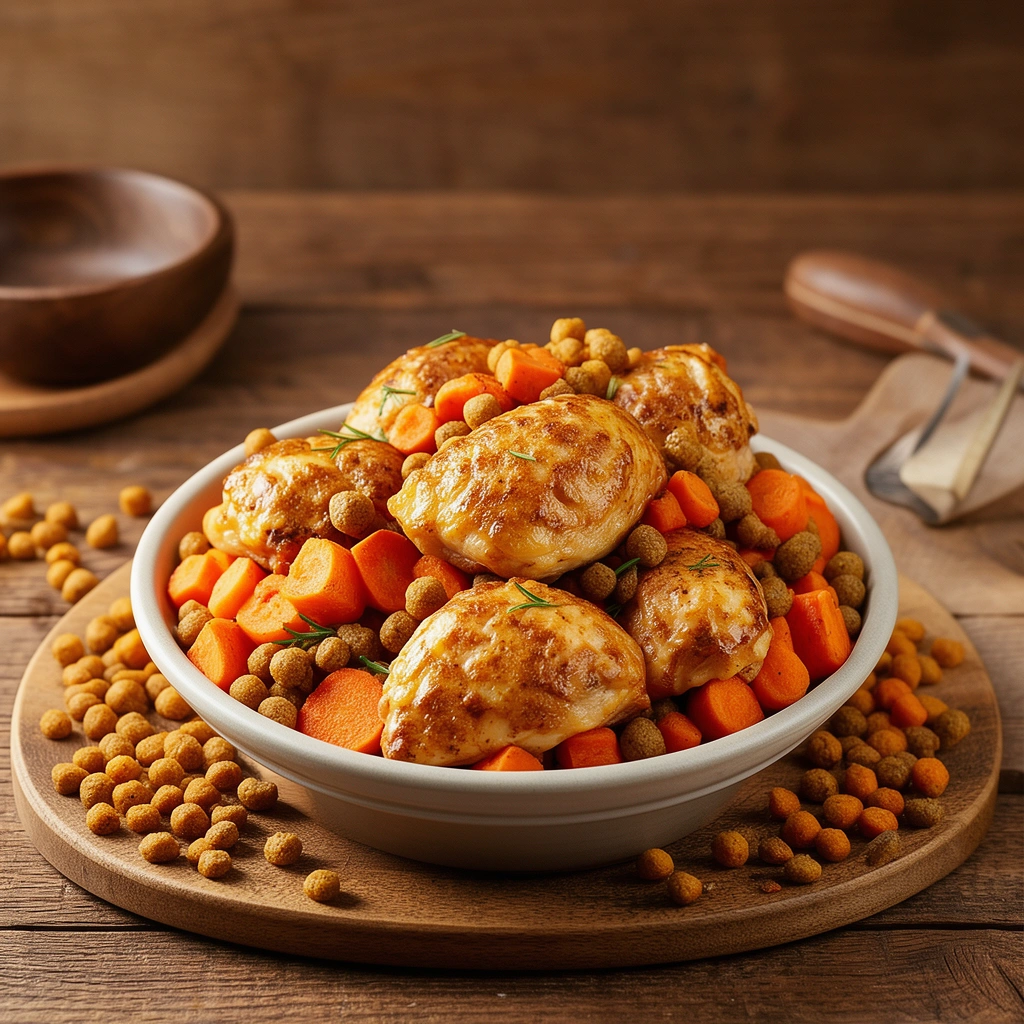
Hey friends, if you’re like me, you want the best nutrition for your furry companion without the confusion or guesswork. When it comes to chicken and sweet potato dog food, I’ve dug deep into the facts, benefits, and tips to help you whip up the perfect meal for your dog’s health and happiness. You can trust this guide to give you clear, accurate, and practical info.
So, what makes chicken and sweet potato dog food a great choice? Simply put, chicken provides lean protein essential for muscle growth and repair, while sweet potatoes offer a natural source of fiber and vitamins that support digestion and energy. Together, they create a balanced, nutritious meal that many dogs love.
Stick around, because I’ll share everything from the nutritional benefits to tasty recipes and cooking tips, plus how to tailor meals for different dog breeds and dietary needs. Let’s get started!
What Is Chicken and Sweet Potato Dog Food?
Chicken and sweet potato dog food is a homemade or commercially prepared meal designed to provide dogs with high-quality protein and complex carbohydrates. Chicken serves as a rich source of essential amino acids, while sweet potatoes are packed with fiber, vitamins A and C, and antioxidants. This combination supports overall health, including digestion, immune function, and energy levels.
Many dog owners choose this combo because it’s easy to digest, hypoallergenic for some pups, and often recommended for dogs with food sensitivities. Plus, it’s a natural alternative to processed kibble, giving you control over what goes into your dog’s bowl.
Now that we know what it is, let’s dive into why it’s such a winning formula for your dog’s diet.
Why Choose Chicken and Sweet Potato Dog Food?
Choosing chicken and sweet potato dog food brings multiple benefits that cater to a dog’s dietary needs:
- Lean Protein Source: Chicken is low in fat but high in protein, essential for maintaining muscle tone and energy.
- Digestive Health: Sweet potatoes are rich in dietary fiber, which helps regulate bowel movements and supports gut health.
- Vitamins and Minerals: Sweet potatoes provide beta-carotene (Vitamin A), Vitamin C, manganese, and potassium, supporting vision, immune defense, and bone health.
- Hypoallergenic Potential: For dogs sensitive to grains or common allergens, this combo offers a gentle alternative.
- Energy Boost: The complex carbs in sweet potatoes release energy slowly, ideal for active dogs.
This diet is especially suitable for dogs with food allergies, digestive issues, or those needing weight management. The balanced nutrients make it a versatile, wholesome choice.
Next, let’s explore how to prepare this meal safely and nutritiously.
Preparing Chicken and Sweet Potato Dog Food at Home
Cooking for your dog can feel overwhelming, but making chicken and sweet potato dog food is straightforward with the right steps:
- Select Quality Ingredients: Use skinless, boneless chicken breast or thighs, and fresh sweet potatoes without blemishes.
- Cook Thoroughly: Boil or bake the chicken until fully cooked—no pink inside. Sweet potatoes should be peeled, chopped, and boiled or steamed until soft.
- Avoid Harmful Additives: Skip seasoning, oils, onions, garlic, or salt, as these can harm dogs.
- Balance Portions: A typical ratio is 40% chicken, 50% sweet potato, and 10% vegetables like peas or carrots for added vitamins.
- Cool Before Serving: Let the food cool to room temperature to avoid burns.
Practical Tip: Batch cook and freeze portions in airtight containers to save time and ensure freshness.
Homemade meals let you control ingredients and customize based on your dog’s preferences and nutritional needs.
Let’s break down the health benefits more specifically.
Health Benefits of Chicken and Sweet Potato Dog Food
Feeding your dog chicken and sweet potato provides a well-rounded nutrient profile:
- Protein for Muscle Maintenance: Chicken supplies all essential amino acids needed for muscle repair and growth.
- Fiber for Digestive Wellness: Sweet potatoes promote healthy gut flora and reduce constipation.
- Vitamin A for Vision and Skin: Beta-carotene in sweet potatoes supports eye health and a shiny coat.
- Anti-inflammatory Properties: Both ingredients contain antioxidants that may reduce inflammation and support joint health.
- Low in Allergens: Free from common allergens like wheat, corn, and soy, it suits sensitive dogs.
This combination helps maintain energy, supports immune function, and promotes overall vitality. Dogs with diabetes or obesity may benefit from the low glycemic index of sweet potatoes, which help regulate blood sugar.
Next, I’ll share some delicious, easy-to-make recipes you can try at home.
Simple Chicken and Sweet Potato Dog Food Recipe
Here’s a straightforward recipe to get you started:
Ingredients:
- 2 boneless, skinless chicken breasts
- 2 large sweet potatoes, peeled and chopped
- 1 cup green beans, chopped
- 1 tablespoon olive oil (optional)
Instructions:
- Boil the chicken breasts until fully cooked, about 15 minutes. Shred or chop into bite-sized pieces.
- Steam or boil the sweet potatoes until tender, about 10-15 minutes.
- Steam the green beans until soft.
- Mix all ingredients in a large bowl.
- Add olive oil if desired for healthy fats.
- Let cool before serving.
Health Highlight: This recipe balances lean protein, complex carbs, and fiber, ideal for digestion and sustained energy.
Try this as a starter meal and watch your dog enjoy every bite! Next, I’ll share some variations and tips for picky eaters.
Variations to Suit Different Dogs’ Needs
Every dog is unique, so you can tailor chicken and sweet potato meals by:
- Adding Vegetables: Carrots, spinach, or pumpkin can add vitamins and variety.
- Incorporating Supplements: Omega-3 oils from fish or flaxseed boost coat and brain health.
- Adjusting Protein Sources: Swap chicken for turkey or lean beef if preferred or for variety.
- Blending for Puppies: Puree the mixture for easy digestion.
- Reducing Carbs: For overweight dogs, reduce sweet potato quantity and increase protein and veggies.
Tip: Always introduce new foods gradually to avoid stomach upset.
These tweaks help meet special dietary requirements, whether for senior dogs, puppies, or dogs with allergies.
Now, let’s talk about common concerns and safety tips.
Safety Considerations and Common Concerns
When feeding chicken and sweet potato dog food, keep these in mind:
- Avoid Bones: Cooked chicken bones splinter and can cause serious injury.
- Watch for Allergies: Although rare, some dogs may be allergic to chicken.
- Balance Nutrients: Homemade meals might lack some vitamins or minerals; consider supplements after consulting your vet.
- Portion Control: Overfeeding can lead to weight gain; calculate portions based on your dog’s size and activity.
- Proper Storage: Refrigerate leftovers for up to 3 days or freeze for up to 3 months to prevent spoilage.
If you notice vomiting, diarrhea, or lethargy after feeding, stop and consult your vet.
With safety in mind, homemade meals can be a fantastic supplement or replacement for commercial dog food.
Next, I’ll explore commercial options and how to choose quality chicken and sweet potato dog foods.
Commercial Chicken and Sweet Potato Dog Foods: What to Look For
When buying commercial dog foods featuring chicken and sweet potatoes, consider:
- Ingredient Transparency: Look for clearly listed chicken as the primary ingredient, not “meat by-products.”
- No Fillers or Artificial Additives: Avoid products with corn, wheat, soy, artificial colors, or preservatives.
- AAFCO Approval: Ensure the food meets standards set by the Association of American Feed Control Officials.
- Grain-Free vs. Grain-Inclusive: Some dogs do better with grains; sweet potatoes provide a grain-free carb source.
- Reputable Brands: Choose brands with positive reviews, third-party testing, and quality control.
Commercial foods can be convenient but may lack freshness compared to homemade meals.
Next, we’ll dive into how to transition your dog to a chicken and sweet potato diet smoothly.
How to Transition Your Dog to Chicken and Sweet Potato Food
Switching diets can upset your dog’s stomach if done too quickly. Here’s how to do it right:
- Start Slow: Mix 25% new food with 75% current food for 3-4 days.
- Increase Gradually: Raise new food proportion to 50% for the next 3-4 days.
- Monitor Reactions: Watch for signs of digestive upset or allergic reactions.
- Complete Switch: By 7-10 days, your dog should be fully transitioned.
Pro Tip: Keep fresh water available at all times, as fiber content changes may increase thirst.
This gradual approach helps your dog adjust comfortably and enjoy the new diet.
How to Personalize Chicken and Sweet Potato Meals for Your Dog’s Breed and Age
Different dogs have varying nutritional needs based on breed, size, and life stage:
- Puppies: Need more protein and fat for growth. Increase chicken proportion slightly and add puppy supplements.
- Senior Dogs: Focus on joint support with added omega-3s and glucosamine while maintaining lean protein.
- Large Breeds: Require balanced calcium and phosphorus for bone health; consult your vet for supplements.
- Small Breeds: May benefit from smaller kibble or finely chopped meals easier to chew.
- Active Dogs: Higher energy needs might require increased sweet potato or additional fat sources.
Customizing meals ensures your dog gets exactly what they need for optimal health.
Incorporating Vegetables and Supplements for a Balanced Diet
While chicken and sweet potatoes provide a solid base, adding vegetables and supplements rounds out nutrition:
- Vegetables: Peas, carrots, spinach, and pumpkin add vitamins, minerals, and antioxidants.
- Supplements:
- Fish Oil: Supports skin, coat, and joint health.
- Calcium: Important for bone strength, especially in homemade diets.
- Probiotics: Aid digestion and bolster immunity.
- Multivitamins: To cover any nutritional gaps.
Use these additions carefully and preferably under veterinary guidance to avoid imbalances.
Signs Your Dog Is Thriving on Chicken and Sweet Potato Dog Food
How do you know this diet is working? Look for:
- Shiny, healthy coat
- Consistent, firm stools
- Good energy levels and alertness
- Healthy weight maintenance
- Absence of skin irritations or digestive issues
If your dog shows these signs, you’re on the right track!
Frequently Asked Questions About Chicken and Sweet Potato Dog Food
Q: Can all dogs eat chicken and sweet potato food?
A: Most dogs can, but those with chicken allergies or specific health issues should avoid it.
Q: How often should I feed this homemade meal?
A: It can be a daily meal or supplement to commercial food. Consult your vet for portion sizes.
Q: Can I add other proteins?
A: Yes, turkey, beef, or fish can be alternated to provide variety.
Q: Is sweet potato safe for dogs?
A: Yes, when cooked and served plain, it’s a healthy carbohydrate source.
Q: Can this diet cause weight gain?
A: Overfeeding any food can cause weight gain. Portion control is key.
Conclusion
Chicken and sweet potato dog food is a fantastic, nutritious choice that offers lean protein, fiber, and essential vitamins in a simple, digestible form. Whether homemade or commercial, it supports your dog’s overall health, energy, and digestion. By tailoring meals to your dog’s specific needs and following safe preparation practices, you can confidently provide meals that keep tails wagging.
So, if you’re looking for a wholesome, easy-to-make dog food option, chicken and sweet potato should definitely be on your radar. Try the recipes and tips shared here, and watch your dog thrive on this balanced, tasty diet!