
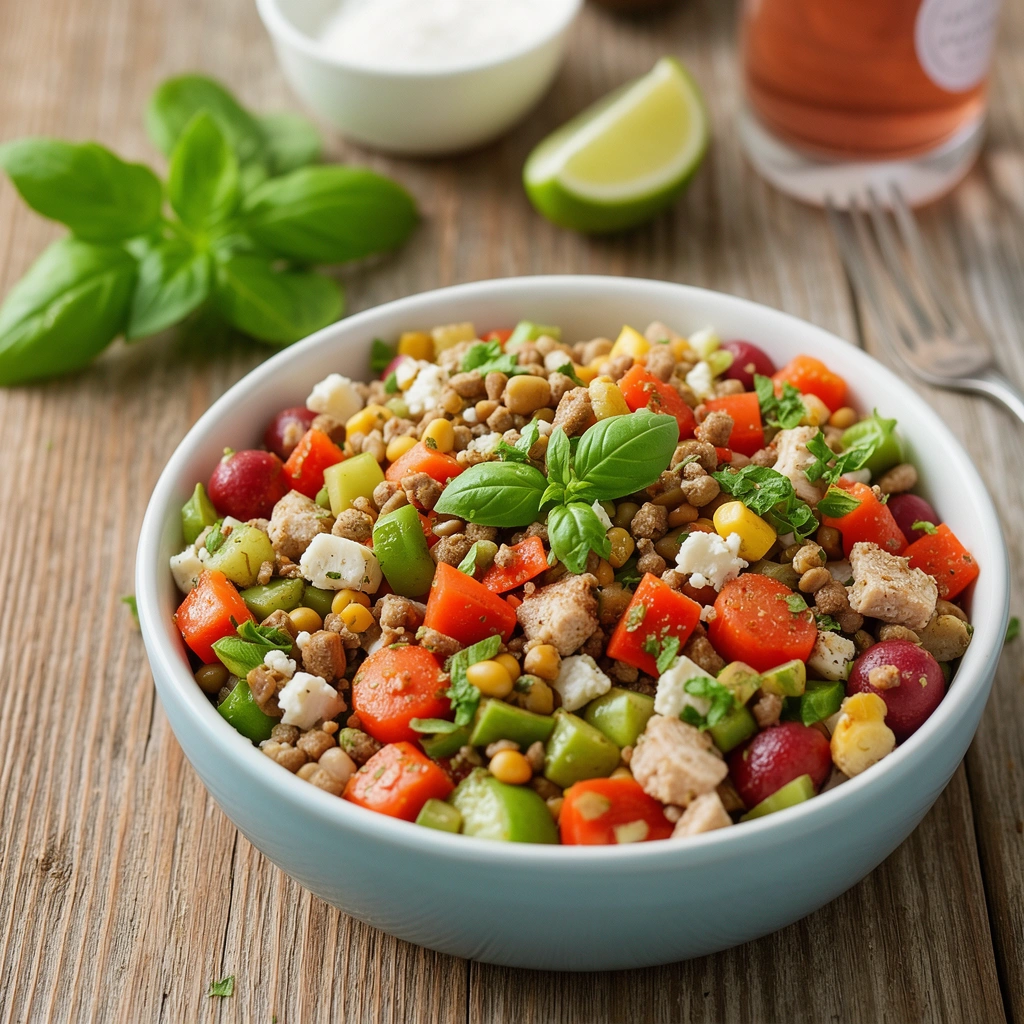
Hey friends, if you’re like me, you want the best for your furry buddy, especially when it comes to their diet. Making simple healthy DIY dog food recipes at home is a fantastic way to ensure your dog eats fresh, nutritious meals without all the mystery ingredients found in some store-bought options. I’ve spent years researching and testing recipes that are not only healthy but also easy to prepare.
So how do you make simple healthy DIY dog food recipes? These recipes combine balanced nutrients from whole foods like lean meats, veggies, and grains, ensuring your dog gets protein, vitamins, and minerals essential for their health. Cooking at home allows you to control ingredients, avoid fillers, and customize meals to your dog’s specific needs.
Stick around as I share some of my favorite recipes, tips on selecting the best ingredients, and how to balance your dog’s meals properly. You’ll learn how to whip up tasty, nutritious dishes your dog will love and thrive on!
Why Homemade Dog Food?
When you start exploring simple healthy DIY dog food recipes, one thing becomes clear: homemade dog food gives you control. You know exactly what’s going into your dog’s bowl. Commercial dog foods often contain preservatives, artificial flavors, and fillers that may not be ideal for your dog’s health.
Making your own dog food lets you tailor meals to your dog’s age, size, allergies, and preferences. Plus, it can be more cost-effective and fresher than buying pre-packaged food. The key is understanding the right balance of nutrients—proteins, fats, carbohydrates, vitamins, and minerals—that your dog needs daily.
In this section, I’ll guide you through how to select ingredients and prepare meals that hit all those nutritional marks while keeping it simple and tasty.
Essential Nutrients for Dogs
Before jumping into the recipes, let’s quickly break down the essential nutrients your dog needs for a healthy diet:
- Proteins: Help build and repair tissues, support immune function. Examples: chicken, beef, fish.
- Fats: Provide energy and support skin and coat health. Examples: fish oil, flaxseed oil.
- Carbohydrates: Supply energy and aid digestion. Examples: brown rice, sweet potatoes.
- Vitamins & Minerals: Support overall bodily functions. Examples: carrots (Vitamin A), spinach (iron).
- Water: Keeps your dog hydrated and supports all bodily functions.
Balancing these correctly ensures your dog stays energetic, has a shiny coat, and maintains a healthy weight.
Simple Healthy DIY Dog Food Recipes You Can Try Today
Making dog food from scratch doesn’t have to be complicated. Let’s explore some of the best recipes, each designed for optimal health and simplicity.
1. Chicken and Brown Rice Delight
This recipe is a classic for a reason. Chicken is a lean protein that supports muscle health, while brown rice provides fiber and steady energy release. Adding veggies boosts vitamin intake.
Why This Works:
Chicken is rich in essential amino acids, and brown rice is gentle on digestion. Adding carrots and peas provides antioxidants and fiber, promoting gut health.
Ingredients:
- 2 ½ cups cooked chicken, shredded
- 1 ½ cups cooked brown rice
- 1 cup steamed carrots, chopped
- ½ cup peas
- 1 tablespoon olive oil
Health Benefits:
- High protein for muscle repair
- Fiber-rich for digestion
- Healthy fats for skin and coat
Practical Tip:
Cook chicken without skin or seasoning. Steam veggies lightly to preserve nutrients. Mix all ingredients thoroughly and store in airtight containers for up to 3 days.
This recipe suits dogs of all sizes and adapts well to both traditional and modern feeding routines, making it a versatile staple.
2. Beef and Sweet Potato Power Bowl
Beef provides iron and zinc, essential for energy and immune health. Sweet potatoes are a great source of beta-carotene and fiber, supporting eye health and digestion.
Why This Works:
The combination of beef and sweet potatoes offers balanced protein and carbs, perfect for active dogs needing sustained energy.
Ingredients:
- 2 cups lean ground beef, cooked and drained
- 1 ½ cups mashed sweet potatoes
- ½ cup green beans, steamed and chopped
- 1 tablespoon coconut oil
Health Benefits:
- Iron-rich beef for oxygen transport
- Antioxidant-rich sweet potatoes for immune support
- Medium-chain triglycerides from coconut oil for brain health
Practical Tip:
Avoid fatty cuts of beef to prevent unnecessary calories. Use fresh green beans for crunch and vitamins. Serve warm to enhance aroma and appetite.
This recipe works well for medium to large breeds and fits easily into either rustic or contemporary home kitchens.
3. Salmon and Quinoa Superfood Mix
Salmon is packed with omega-3 fatty acids, which reduce inflammation and promote brain function. Quinoa is a complete protein and gluten-free grain, great for sensitive stomachs.
Why This Works:
Combining salmon and quinoa creates a nutrient-dense meal that supports joint health and cognition while being gentle on digestion.
Ingredients:
- 2 cups cooked salmon (skin removed)
- 1 cup cooked quinoa
- 1 cup steamed broccoli
- 1 teaspoon fish oil (optional)
Health Benefits:
- Omega-3 fatty acids for coat and brain health
- Complete protein from quinoa
- Vitamins C and K from broccoli for immunity
Practical Tip:
Cook salmon thoroughly but avoid overcooking to keep nutrients intact. Quinoa should be rinsed before cooking to remove bitterness. Add fish oil as a supplement if your dog tolerates it.
Perfect for senior dogs or breeds prone to joint issues, this recipe fits nicely into both modern and holistic feeding styles.
4. Turkey and Pumpkin Digestive Aid
Turkey is a lean protein excellent for weight management, and pumpkin is loaded with fiber and antioxidants, helping regulate digestion.
Why This Works:
This combo aids dogs with sensitive stomachs or those recovering from digestive upset, thanks to pumpkin’s soothing fiber and turkey’s low fat.
Ingredients:
- 2 cups cooked ground turkey
- 1 cup pureed pumpkin (not pumpkin pie mix)
- ½ cup cooked oats
- 1 tablespoon olive oil
Health Benefits:
- Lean protein supports weight control
- Pumpkin regulates bowel movements
- Oats provide soluble fiber for gut health
Practical Tip:
Use plain canned pumpkin or cook fresh pumpkin yourself. Avoid adding spices or sweeteners. Mix well and serve at room temperature.
Ideal for dogs with digestive sensitivities, this recipe blends well into traditional or natural feeding plans.
5. Egg and Vegetable Omelette
Eggs provide a complete protein with essential amino acids and are easy to digest. Adding vegetables boosts vitamin and mineral content, making this a perfect breakfast option.
Why This Works:
Eggs are a powerhouse of nutrients, and veggies like spinach and bell peppers add antioxidants and fiber without extra calories.
Ingredients:
- 2 eggs, beaten
- ¼ cup chopped spinach
- ¼ cup diced bell peppers
- 1 teaspoon olive oil
Health Benefits:
- High-quality protein for energy
- Vitamins A, C, and K from veggies
- Healthy fats from olive oil
Practical Tip:
Cook omelette in olive oil without salt or seasonings. Chop veggies finely to aid digestion. Let it cool before serving.
Great for small breeds or picky eaters, this recipe also suits those wanting quick, nutrient-packed meals.
Tips for Making Homemade Dog Food Safe and Balanced
Making simple healthy DIY dog food recipes is rewarding but requires attention to safety and nutrition. Here are some key tips:
- Avoid Toxic Ingredients: Never use onions, garlic, grapes, chocolate, or artificial sweeteners.
- Balance Macronutrients: Dogs need a good mix of proteins, fats, and carbs. Consult a vet to customize ratios.
- Supplement Wisely: Homemade meals might lack certain vitamins/minerals. Consider adding supplements like calcium or fish oil.
- Portion Control: Adjust meal sizes based on your dog’s weight, age, and activity level.
- Storage: Store meals in airtight containers in the fridge for up to 3 days or freeze portions for later.
These precautions ensure your dog not only enjoys tasty meals but stays safe and healthy.
How to Transition Your Dog to Homemade Food
Switching from commercial kibble to homemade dog food should be gradual to prevent digestive upset.
- Start by mixing 25% homemade food with 75% current food.
- Increase homemade portion by 25% every 3-4 days.
- Monitor your dog’s stool, appetite, and energy levels.
- Consult your vet if you notice any adverse reactions.
This smooth transition helps your dog adjust comfortably to new flavors and nutrients.
Conclusion
Simple healthy DIY dog food recipes are a fantastic way to give your dog wholesome, nutritious meals made from scratch. With recipes like Chicken and Brown Rice Delight or Salmon and Quinoa Superfood Mix, you can cover all nutritional bases while keeping preparation straightforward and fun. Remember to balance ingredients, avoid harmful foods, and transition slowly.
By cooking for your dog, you gain peace of mind and the joy of seeing your furry friend thrive on meals made with love and care. Give these recipes a try and watch your dog’s health and happiness soar!
Thanks for sticking with me through these simple healthy DIY dog food recipes. Your dog will thank you with every wag and happy tail!