
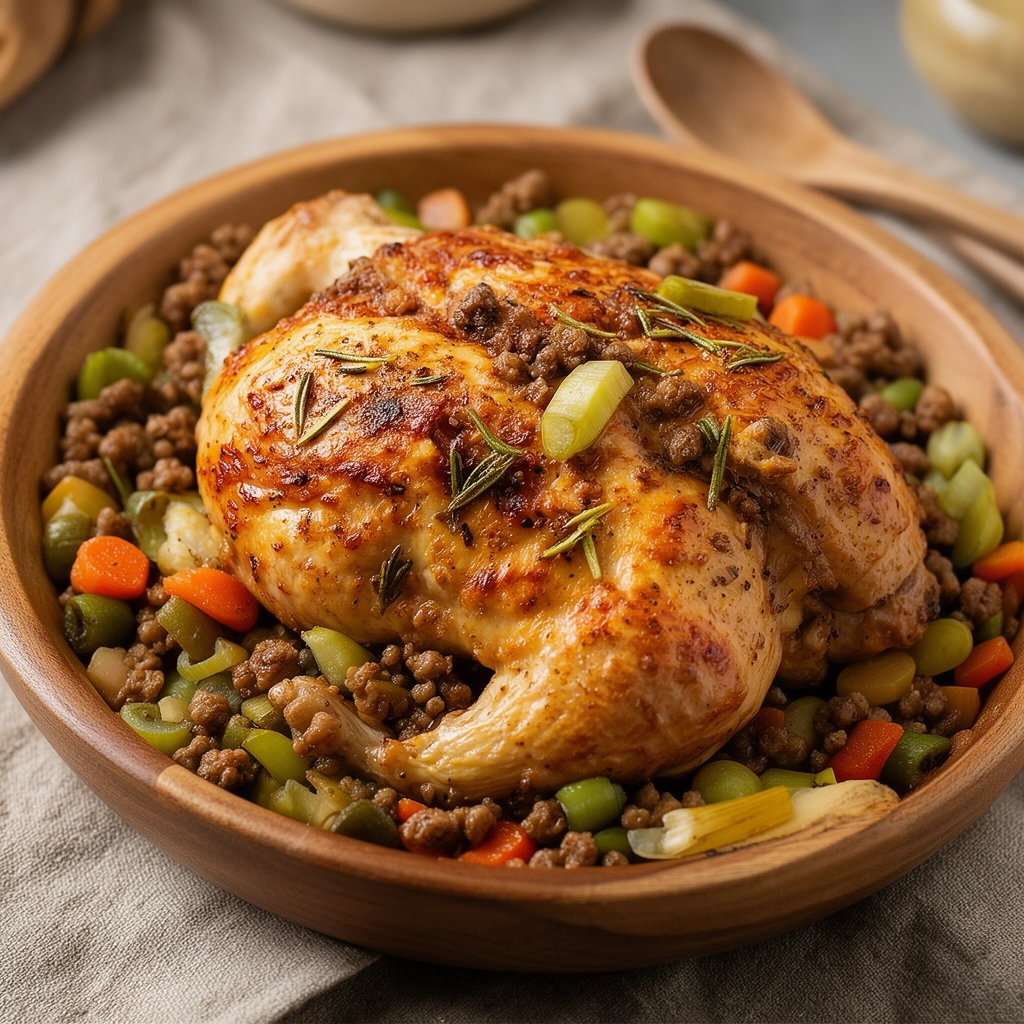
Hey friends! If you’re like me, you want the very best for your dog’s health and happiness, starting with what’s in their bowl. That’s why I’m excited to share everything you need to know about making a chicken homemade dog food recipe that’s nutritious, safe, and delicious for your pup.
So what exactly is a chicken homemade dog food recipe, and why should you consider it? Simply put, it’s a balanced meal made in your kitchen using chicken as the main protein source, combined with other dog-safe ingredients to provide essential nutrients. This type of homemade dog food can improve digestion, boost energy, and help manage allergies or sensitivities compared to some commercial dog foods.
Keep reading and I’ll walk you through the benefits of chicken-based dog food, the best ingredients to use, variations to try, and tips to make homemade dog meals your dog will love. Let’s dive into crafting a wholesome recipe that supports your dog’s wellbeing.
Why Choose Chicken Homemade Dog Food?
Chicken homemade dog food recipes are popular for a reason: they offer high-quality protein that’s easily digestible and widely loved by dogs. Chicken is a lean meat packed with essential amino acids your dog needs for muscle maintenance, immune health, and overall vitality.
When you prepare your dog’s food at home, you control the ingredients — no hidden fillers, artificial preservatives, or questionable additives. This is especially helpful if your dog has food allergies, sensitivities, or digestive issues. Homemade meals allow you to tailor nutrition exactly to your dog’s needs, age, and health status.
Creating a chicken-based dog food recipe also lets you experiment with flavors and textures, keeping mealtime exciting for your pup. Plus, it’s often more cost-effective than premium commercial dog foods.
In the next section, I’ll explain exactly what ingredients you need to whip up a balanced and tasty chicken dog food.
Key Ingredients for a Nutritious Chicken Dog Food Recipe
To make a balanced chicken homemade dog food recipe, you’ll want to include:
- Chicken (preferably boneless, skinless breast or thigh meat): The primary protein source.
- Vegetables such as carrots, green beans, peas, and spinach: For fiber, vitamins, and antioxidants.
- Carbohydrates like cooked brown rice, quinoa, or sweet potatoes: To provide energy and support digestion.
- Healthy fats such as fish oil or flaxseed oil: Aid brain function and coat health.
- Calcium source like crushed eggshells or plain yogurt: Important for bone strength.
- Dog-safe herbs like parsley for fresh breath and added nutrients.
Avoid onions, garlic, grapes, raisins, chocolate, and any toxic foods that dogs should never eat.
Using fresh, whole ingredients helps ensure your dog gets natural vitamins and minerals without fillers or preservatives. In the next section, I’ll share a simple, step-by-step recipe you can follow.
Step-by-Step Chicken Homemade Dog Food Recipe
Here’s a straightforward recipe that’s easy to make and perfect for dogs of all sizes:
Ingredients:
- 2 ½ cups boneless, skinless chicken breast (cooked and shredded)
- 1 ½ cups cooked brown rice or quinoa
- 1 cup steamed carrots (chopped)
- 1 cup steamed green beans (chopped)
- ¼ cup plain yogurt (optional for probiotics)
- 1 tablespoon fish oil or flaxseed oil
- 1 teaspoon crushed eggshells (for calcium)
- Fresh parsley for garnish (optional)
Instructions:
- Cook the chicken thoroughly by boiling or baking until no longer pink inside. Shred into small pieces.
- Prepare the grains by cooking brown rice or quinoa according to package instructions.
- Steam the vegetables until tender but not mushy, then chop into bite-sized pieces.
- Combine the shredded chicken, cooked grains, and vegetables in a large bowl.
- Add fish oil, crushed eggshells, and plain yogurt if using; mix well.
- Serve at room temperature and store leftovers in the fridge for up to 3 days or freeze in portions.
This balanced meal provides protein, fiber, healthy fats, and calcium — all essential for your dog’s health. I recommend consulting your vet before switching your dog’s diet entirely to homemade food to ensure it meets their specific nutritional needs.
Next, let’s explore some tasty variations and tips to customize this chicken homemade dog food recipe.
Variations to Customize Your Chicken Dog Food Recipe
One size doesn’t fit all when it comes to dog food. Here are some ways to tailor the recipe based on your dog’s preferences or dietary needs:
For Puppies:
Add extra calories and nutrients by including scrambled eggs, cottage cheese, or pumpkin puree. These ingredients support rapid growth and digestion.
For Senior Dogs:
Incorporate easy-to-digest vegetables like zucchini and add glucosamine supplements to promote joint health.
For Allergies Sensitivities:
If your dog is sensitive to grains, replace rice with sweet potatoes or oats. If chicken causes issues, swap with turkey or lean beef.
For Weight Management:
Reduce carbohydrate portions and increase fiber-rich veggies like broccoli or kale to keep your dog full without extra calories.
Flavor Enhancers:
Add a splash of low-sodium chicken broth or sprinkle some turmeric for anti-inflammatory benefits.
By experimenting with these variations, you can keep your dog’s meals interesting and tailored to their unique needs. Plus, rotating ingredients helps prevent food boredom.
Now, let’s cover some essential safety tips and common mistakes to avoid when making homemade dog food.
Essential Safety Tips When Preparing Homemade Dog Food
Feeding your dog homemade meals is rewarding, but safety must come first. Here are some crucial tips:
- Avoid toxic foods: Never use onions, garlic, grapes, raisins, chocolate, macadamia nuts, or artificial sweeteners like xylitol.
- Cook meats thoroughly: Raw or undercooked poultry can harbor harmful bacteria.
- Balance nutrients: Homemade meals must have the right balance of protein, carbs, fats, vitamins, and minerals.
- Consult your vet: Before switching diets, get your vet’s approval and consider blood tests to monitor health.
- Introduce slowly: Transition gradually over 7-10 days to avoid digestive upset.
- Store properly: Refrigerate leftovers promptly and discard after 3 days or freeze for longer storage.
- Portion control: Overfeeding can lead to obesity; calculate portions based on your dog’s weight and activity level.
Following these guidelines helps ensure your dog stays healthy and enjoys every bite of their homemade chicken dog food.
Next, we’ll explore how homemade dog food fits into different lifestyle and home environments.
How Homemade Chicken Dog Food Fits Various Lifestyles and Homes
Whether you live in a spacious suburban home or a cozy apartment, homemade dog food can be easily integrated into your routine. The preparation requires basic kitchen tools and can be done in batches for convenience.
For busy professionals, slow cookers or instant pots can simplify meal prep. If you travel frequently, freezing portions and using insulated containers keeps food fresh on the go.
Homemade meals also suit eco-conscious pet owners who prefer sustainable, natural ingredients and less packaging waste. Plus, food allergies or special dietary needs are easier to manage with homemade dog food.
Traditional dog food often lacks transparency, but cooking your dog’s meals at home gives you full control. This approach fits modern lifestyles focused on health, sustainability, and personalized care.
Now, let’s discuss the health benefits of chicken homemade dog food in more detail.
Health Benefits of Chicken-Based Homemade Dog Food
Chicken homemade dog food offers numerous health advantages:
- High-quality protein: Supports muscle growth, repair, and immune function.
- Improved digestion: Whole food ingredients and fiber-rich veggies aid gut health.
- Reduced allergies: Avoids common allergens and artificial additives found in some commercial foods.
- Weight management: Lean protein and controlled portions help maintain a healthy weight.
- Better coat and skin: Omega-3 fatty acids from fish oil improve coat shine and reduce inflammation.
- Enhanced energy levels: Balanced carbs provide steady energy without spikes.
- Stronger bones: Calcium from natural sources supports skeletal health.
Dogs fed homemade chicken meals often show improvements in vitality, digestion, and overall wellbeing. Just remember to maintain a balanced recipe and consult your vet regularly.
Next, I’ll share some practical tips to make homemade dog food preparation easier and more enjoyable.
Practical Tips for Making Homemade Chicken Dog Food
Making your dog’s food at home doesn’t have to be complicated. Here are some tips to keep it simple and stress-free:
- Batch cook: Prepare meals in bulk and freeze in portion-sized containers.
- Use fresh ingredients: Opt for organic or free-range chicken and organic veggies when possible.
- Keep it simple: Stick to a few staple ingredients to avoid overwhelming yourself.
- Invest in storage: Quality airtight containers keep food fresh longer.
- Label meals: Include date and contents for easy tracking.
- Monitor your dog: Watch for any changes in digestion, allergies, or energy and adjust recipes accordingly.
- Stay consistent: Feed homemade food regularly for best results.
- Get creative: Try different veggie combos to keep your dog excited at mealtime.
With these tips, preparing homemade chicken dog food becomes a manageable and rewarding part of your routine.
Troubleshooting Common Homemade Dog Food Challenges
If you encounter issues, here’s how to tackle common problems:
- Picky eating: Mix in a little low-sodium broth or a favorite treat to encourage eating.
- Digestive upset: Slow down the transition and reduce new ingredients.
- Nutritional gaps: Consult a vet or pet nutritionist to add supplements if needed.
- Time constraints: Use kitchen gadgets or pre-chopped veggies to save time.
- Ingredient availability: Substitute similar dog-safe foods if something isn’t in season.
Addressing these challenges ensures your dog enjoys every meal and stays healthy.
Final Thoughts on Chicken Homemade Dog Food Recipe
Making chicken homemade dog food is a fantastic way to provide your dog with fresh, balanced nutrition crafted with love. You control what goes into every bite, ensuring quality and safety while tailoring meals to your dog’s unique needs.
By including lean chicken, wholesome grains, vegetables, and healthy fats, you create a nutrient-packed meal that supports your dog’s health from the inside out. Remember to consult your vet, introduce new foods gradually, and keep mealtime fun.
So go ahead, try this chicken homemade dog food recipe and watch your furry friend thrive with every meal!
Thank you for reading my guide to the chicken homemade dog food recipe. I hope it inspires you to give your dog the wholesome, tasty meals they deserve. Here’s to happy, healthy pups everywhere!
Keyword used: chicken homemade dog food recipe