
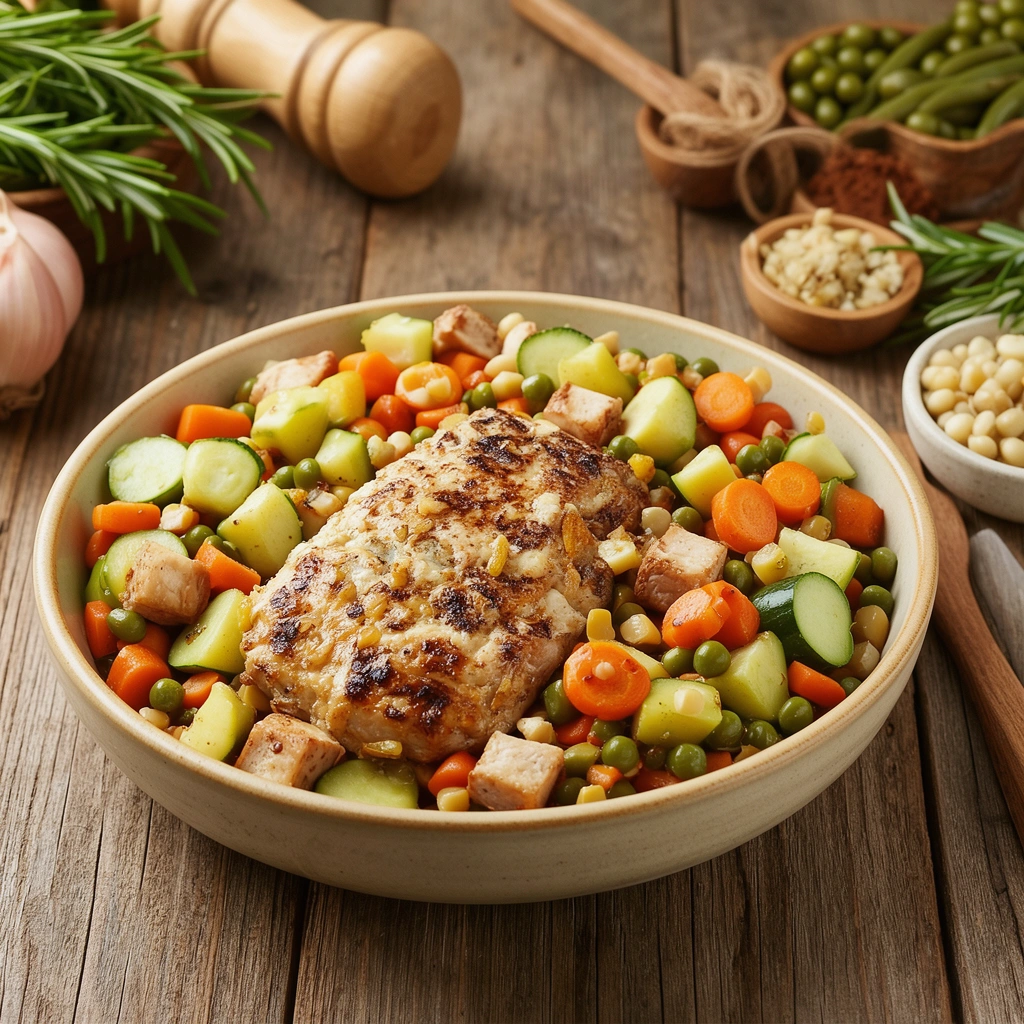
When it comes to feeding our furry friends, I know how important it is to provide them with nutritious and tasty meals. Over the years, I’ve gathered the most trustworthy and accurate information to help you make the best homemade dog food. You can count on me to guide you through easy, healthy recipes that your dog will love.
So, how can you make easy homemade dog food that is both nutritious and safe? Homemade dog food recipes typically include balanced portions of protein, carbohydrates, and vegetables, all cooked without harmful additives or preservatives. These recipes cater to your dog’s dietary needs, promoting overall wellbeing and vitality.
In this article, you’ll find detailed, practical recipes and tips that cover everything from ingredient selection to preparation methods. Let’s dive into creating meals that will keep your dog happy and healthy!
Why Making Your Own Dog Food is Worth It
Making your own dog food might seem daunting at first, but it’s a rewarding way to ensure your pup eats wholesome, fresh ingredients. When you prepare meals at home, you control exactly what goes into your dog’s bowl — no fillers, artificial flavors, or preservatives.
With a little planning, you can customize recipes to suit your dog’s unique needs, whether they have allergies, weight issues, or sensitivities. Plus, many dogs prefer the taste and texture of homemade food, making mealtime more enjoyable.
Ready to explore some easy DIY dog food recipes? I’ll walk you through everything from ingredient choices to cooking tips so you can get started confidently.
Balanced Homemade Dog Food: What to Include?
Before jumping into recipes, it’s essential to understand the basics of a balanced dog meal. Dogs need:
- Protein: Supports muscle growth and repair. Common sources include chicken, beef, turkey, and fish.
- Carbohydrates: Provide energy. Good options are rice, oats, sweet potatoes, or quinoa.
- Vegetables: Supply essential vitamins, minerals, and fiber. Safe veggies include carrots, peas, green beans, and pumpkin.
- Fats: Important for coat health and energy. Sources like fish oil or olive oil work well.
- Supplements: Calcium (from ground eggshells or bone meal) and other vitamins might be necessary, depending on your dog’s diet.
Keep in mind, never include onions, garlic, chocolate, grapes, or anything toxic to dogs.
Homemade Chicken and Rice Recipe: Simple and Nutritious
This classic recipe is a favorite for dogs with sensitive stomachs or recovering from illness. It’s easy to digest, mild, and packed with nutrients.
Chicken provides lean protein for muscle maintenance, while rice offers gentle carbohydrates that fuel your dog’s daily activities. Adding vegetables like carrots enhances vitamin intake and fiber, promoting digestion.
Ingredients:
- 2 ½ pounds skinless, boneless chicken thighs
- 1 ½ cups brown rice
- 1 cup diced carrots
- 1 cup peas (fresh or frozen)
- 4 cups water or low-sodium chicken broth
- 1 tablespoon olive oil
Preparation Tips:
- Cook rice separately to ensure it’s fully done.
- Boil chicken until fully cooked, then shred it finely.
- Steam or boil carrots and peas until tender.
- Mix all ingredients with olive oil for healthy fats.
- Cool before serving.
This recipe suits most dogs and can be easily portioned and stored in the fridge for up to 3 days. It’s ideal for a balanced everyday meal that’s gentle on the tummy.
Beef and Sweet Potato Stew: Rich and Flavorful
For dogs who love a heartier meal, beef and sweet potato stew is a fantastic option. Beef offers high-quality protein and iron, supporting your dog’s energy and muscle development. Sweet potatoes are a great carbohydrate source, rich in fiber and beta-carotene, which supports eye and skin health.
Ingredients:
- 2 pounds lean ground beef
- 2 large sweet potatoes, peeled and diced
- 1 cup green beans, chopped
- 1 cup chopped spinach
- 4 cups water or beef broth (low sodium)
- 1 tablespoon fish oil (optional for omega-3s)
Preparation Tips:
- Brown the ground beef in a pan, draining excess fat.
- Boil or steam sweet potatoes until soft.
- Add green beans and spinach towards the end to keep nutrients intact.
- Combine all and simmer for 15 minutes.
- Stir in fish oil after cooking.
This recipe is perfect for active dogs needing extra energy and nutrients. Plus, it can be customized with different veggies to keep meals exciting.
Turkey and Quinoa Bowl: Protein-Packed and Gluten-Free
Turkey is a lean protein that’s easy on the digestive system, making it perfect for dogs with sensitivities. Quinoa is a gluten-free grain that provides all nine essential amino acids, making it a complete protein source and a great carb alternative.
Ingredients:
- 2 pounds ground turkey
- 1 ½ cups cooked quinoa
- 1 cup grated zucchini
- 1 cup chopped carrots
- 1 tablespoon coconut oil
Preparation Tips:
- Cook quinoa according to package instructions.
- Brown ground turkey in coconut oil for healthy fats.
- Lightly steam zucchini and carrots to retain nutrients.
- Mix all ingredients thoroughly and cool before serving.
This recipe offers a nutrient-dense, balanced meal that supports muscle health and digestion. It’s especially good for dogs with grain allergies who tolerate quinoa well.
Fish and Vegetable Medley: Omega-Rich and Digestive Friendly
Fish is an excellent source of omega-3 fatty acids, which promote a shiny coat and healthy skin. Combined with fibrous vegetables, this recipe supports both skin health and digestion.
Ingredients:
- 2 pounds white fish fillet (cod, haddock, or tilapia)
- 1 cup cooked brown rice
- 1 cup chopped broccoli
- 1 cup chopped carrots
- 1 tablespoon flaxseed oil
Preparation Tips:
- Bake or steam fish until flaky.
- Cook rice fully and steam vegetables lightly.
- Combine ingredients and drizzle with flaxseed oil.
- Allow to cool before serving.
This meal is great for dogs with skin issues or allergies. The nutrient balance supports immune health and provides anti-inflammatory benefits.
Vegetable and Lentil Mix: Great for Vegetarian Dogs
While dogs are primarily carnivores, some tolerate vegetarian diets well with proper planning. Lentils offer a plant-based protein and fiber source, while vegetables provide essential nutrients.
Ingredients:
- 1 cup dried lentils (rinsed)
- 2 large carrots, diced
- 1 cup green beans, chopped
- 1 cup pumpkin puree
- 4 cups water
- 1 tablespoon olive oil
Preparation Tips:
- Simmer lentils in water until soft (about 20-25 minutes).
- Add carrots and green beans halfway through cooking.
- Stir in pumpkin puree and olive oil after cooking.
- Mix well and cool before serving.
Vegetarian recipes should be supplemented with additional amino acids and vitamins. Consult your vet before switching your dog to a vegetarian diet.
Tips for Safely Transitioning to Homemade Dog Food
Switching your dog’s diet gradually is crucial to avoid digestive upset. Start by mixing 25% homemade food with 75% of their current diet. Increase the homemade portion by 25% every 3-4 days until you reach 100%.
Always monitor your dog’s reaction, including energy levels, stool condition, and overall wellbeing. Adjust recipes as needed and consult your veterinarian if any concerns arise.
Storing and Serving Homemade Dog Food
- Storage: Homemade meals can be refrigerated for 3-4 days or frozen in portions for up to 2 months.
- Serving: Warm food slightly to enhance aroma and palatability. Avoid microwaving as it can destroy some nutrients.
- Portioning: Adjust serving sizes based on your dog’s weight, age, and activity level.
Common Mistakes to Avoid When Preparing DIY Dog Food
- Using toxic ingredients like onions, garlic, grapes, or chocolate.
- Omitting essential nutrients like calcium or vitamins.
- Feeding unbalanced meals regularly without vet guidance.
- Overfeeding treats or high-fat foods leading to weight gain.
- Using too much salt or seasoning.
Conclusion
Making easy DIY dog food recipes is a fantastic way to ensure your dog eats fresh, nutritious meals tailored to their needs. From classic chicken and rice dishes to omega-rich fish meals, there’s a recipe for every pup. Remember to balance proteins, carbs, and vegetables, and transition gradually for the best results.
I hope these recipes inspire you to create wholesome meals that keep your dog healthy and happy. Homemade dog food is not just about feeding; it’s about caring with every bite. Give it a try, and watch your furry friend’s tail wag with joy!