
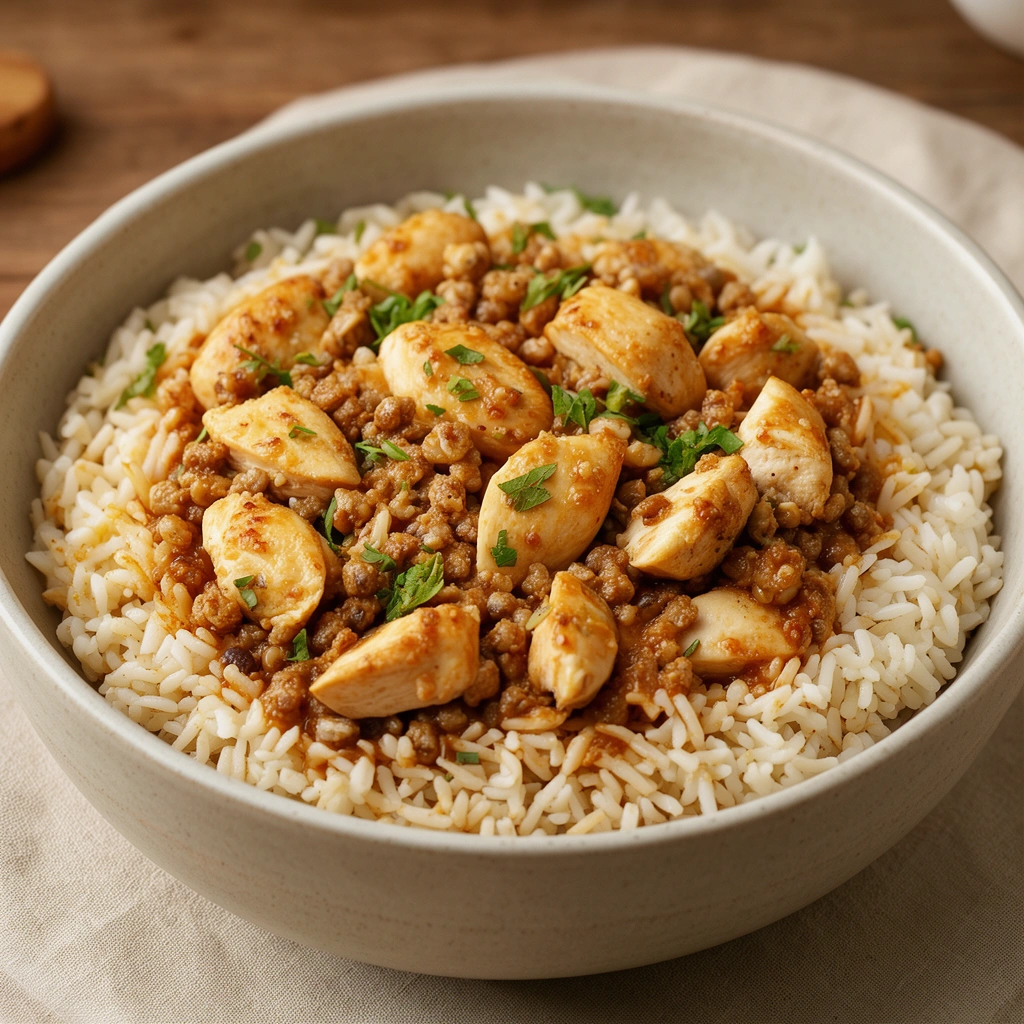
When it comes to feeding our furry friends, nothing beats the satisfaction of preparing fresh, nutritious meals at home. As an experienced dog food enthusiast, I’m here to guide you through a comprehensive, well-researched Chicken Rice Dog Food Recipe that ensures your dog gets wholesome nutrition without any guesswork or harmful additives. I’ve gathered all the essential information you need, so you can confidently make meals that are both tasty and healthy for your dog.
So, what exactly is a Chicken Rice Dog Food Recipe? Simply put, this homemade dog food combines lean chicken, rice, and complementary ingredients to provide balanced nutrition tailored for dogs. It’s a highly digestible, low-fat meal that supports digestion, strengthens the immune system, and promotes overall health. This guide will walk you through the best ingredients, preparation tips, and health benefits so you can craft the perfect meal for your dog.
Keep reading to discover the secret to making a delicious chicken rice recipe that your dog will love, plus additional tips on customizing the recipe for different dog breeds, life stages, and dietary needs.
Why Chicken Rice Is a Popular Choice for Dog Food
Chicken and rice have long been staples in homemade dog meals because they are gentle on the stomach and easy to digest. Chicken provides high-quality lean protein, which is crucial for muscle maintenance and energy. Rice acts as a reliable carbohydrate source, offering energy and fiber without causing digestive upset.
When combined, chicken and rice create a balanced base that can be enhanced with vitamins, minerals, and healthy fats to meet your dog’s nutritional needs. Plus, this recipe can be easily customized based on your dog’s size, age, and health status. It’s no wonder many pet owners and vets alike recommend chicken rice as a go-to homemade dog food.
Understanding the Basics: What Makes a Good Chicken Rice Dog Food Recipe?
Before diving into the recipe, it’s important to understand what components make chicken rice dog food truly beneficial:
- Protein source: Lean chicken breast or thigh meat provides essential amino acids.
- Carbohydrate source: White or brown rice offers energy and fiber.
- Vegetables: Carrots, peas, or green beans add vitamins, minerals, and antioxidants.
- Fats: Healthy oils like fish oil or olive oil support skin and coat health.
- Supplements: Calcium, vitamins, and minerals ensure a complete diet.
This foundation helps you create a balanced, nutritious meal that supports your dog’s overall wellbeing.
Ingredients You’ll Need for Chicken Rice Dog Food
Here’s a detailed list of ingredients that form the backbone of a wholesome chicken rice meal:
- 2 cups cooked chicken (skinless, boneless)
- 1 cup cooked white or brown rice
- 1/2 cup cooked vegetables (carrots, peas, green beans)
- 1 tablespoon fish oil or olive oil
- 1/4 teaspoon ground turmeric (optional, for anti-inflammatory benefits)
- Calcium supplement (consult your vet for dosage)
- Optional herbs like parsley for fresh breath
Using fresh, organic ingredients whenever possible will maximize nutrient retention and taste.
Step-by-Step Guide to Making Chicken Rice Dog Food
Here’s how to prepare this recipe safely and efficiently:
- Cook the chicken: Boil or bake the skinless, boneless chicken until fully cooked, then shred or chop into bite-sized pieces.
- Prepare the rice: Cook rice according to package instructions, avoiding any seasoning or salt.
- Cook vegetables: Steam or boil carrots, peas, or green beans until soft.
- Mix ingredients: In a large bowl, combine chicken, rice, and vegetables.
- Add healthy fats: Stir in fish oil or olive oil.
- Add supplements: Incorporate any calcium or vitamin supplements as per your vet’s recommendation.
- Cool before serving: Allow the mixture to cool to room temperature before feeding your dog.
Store leftovers in the refrigerator for up to 3 days or freeze portions for longer storage.
Health Benefits of Chicken Rice Dog Food
Chicken rice dog food is more than just tasty—it’s packed with benefits:
- Digestive health: The gentle ingredients reduce stomach upset and diarrhea.
- Lean protein: Supports muscle growth and repair.
- Balanced energy: Rice provides slow-release carbohydrates for sustained energy.
- Immune support: Vegetables contribute antioxidants and vitamins.
- Skin and coat: Healthy fats promote shiny fur and reduce inflammation.
This recipe is especially recommended for dogs recovering from illness or those with food sensitivities.
Customizing the Recipe for Different Dog Needs
Every dog is unique, and their meals should be too. Here’s how you can tailor the chicken rice recipe:
- For puppies: Increase protein slightly and add more calcium for bone development.
- For senior dogs: Use brown rice for extra fiber and add joint supplements like glucosamine.
- For overweight dogs: Control portion sizes and reduce rice quantity to lower calories.
- For dogs with allergies: Substitute chicken with turkey or fish and avoid common allergens like peas.
Always consult your veterinarian before making significant changes to your dog’s diet.
Practical Tips for Feeding Homemade Chicken Rice Dog Food
To ensure your dog thrives on this homemade meal, keep these tips in mind:
- Introduce gradually: Mix homemade food with current kibble over several days to avoid digestive upset.
- Monitor portion size: Follow feeding guidelines based on your dog’s weight and activity level.
- Store properly: Refrigerate or freeze meals to prevent spoilage.
- Watch for reactions: Observe your dog for any allergies or intolerances after introducing new foods.
- Maintain variety: Occasionally rotate proteins and vegetables to provide a range of nutrients.
These simple tips help keep your dog happy, healthy, and eager for mealtime.
Common Mistakes to Avoid When Making Chicken Rice Dog Food
Even the best recipes can falter if not prepared correctly. Avoid these pitfalls:
- Overcooking vegetables: This can destroy nutrients; steam lightly instead.
- Adding seasoning or salt: These can be harmful to dogs.
- Skipping supplements: Homemade meals often lack calcium, which is vital.
- Using fatty chicken parts: Remove skin to prevent excess fat intake.
- Ignoring vet advice: Always check with your vet especially if your dog has health issues.
Avoiding these mistakes ensures your dog gets the maximum benefit from their homemade food.
How to Store and Serve Chicken Rice Dog Food Safely
Food safety is crucial when feeding homemade meals. Follow these guidelines:
- Cool completely: Never serve hot food to your dog.
- Refrigerate promptly: Store leftovers in airtight containers within 2 hours.
- Freeze for long-term: Freeze portions in meal-sized containers for up to 2 weeks.
- Thaw safely: Defrost in the fridge or microwave before serving.
- Serve fresh: Avoid feeding stale or spoiled food to prevent illness.
By following these steps, you keep mealtime safe and enjoyable for your dog.
Alternatives and Additions to Boost Nutritional Value
To make the chicken rice recipe even more nutritious, consider these additions:
- Sweet potatoes: Great source of fiber and vitamins.
- Pumpkin: Supports digestion and can ease constipation.
- Eggs: Provide additional protein and fatty acids.
- Probiotics: Help maintain gut health.
- Bone broth: Adds minerals and flavor.
Incorporating these ingredients can diversify your dog’s diet and improve overall health.
Signs Your Dog Loves Homemade Chicken Rice Dog Food
You’ll know your dog approves when you notice:
- Eager mealtimes: Tail wagging and excitement before meals.
- Healthy coat: Shinier fur and reduced shedding.
- Good digestion: Firm stools and regular bowel movements.
- Increased energy: More playfulness and vitality.
- Weight maintenance: Healthy weight without gain or loss.
These signs confirm that your effort in making homemade food is paying off.
Frequently Asked Questions About Chicken Rice Dog Food
Is chicken rice good for dogs with allergies?
Chicken rice is gentle and often suitable, but always check for specific allergies.
How often should I feed homemade chicken rice?
Most dogs do well eating homemade food once or twice daily, balanced with kibble or supplements.
Can I freeze homemade dog food?
Yes, freeze in portion sizes up to 2 weeks for freshness.
Do I need to add vitamins or minerals?
Usually yes; homemade meals lack some nutrients found in commercial foods.
What rice is better—white or brown?
White rice is easier to digest; brown rice offers more fiber but may be harder for some dogs.
Conclusion
Making your own Chicken Rice Dog Food recipe is a fantastic way to provide your dog with fresh, nutritious meals tailored to their needs. This guide has walked you through every step — from ingredient selection and health benefits to practical tips and customization options. By preparing homemade meals, you take control of your dog’s diet and well-being, ensuring they stay happy and healthy.
Remember, the key to success is balancing the recipe with supplements and monitoring your dog’s response. So, go ahead, try this recipe, and watch your dog thrive on wholesome homemade chicken rice dog food!