
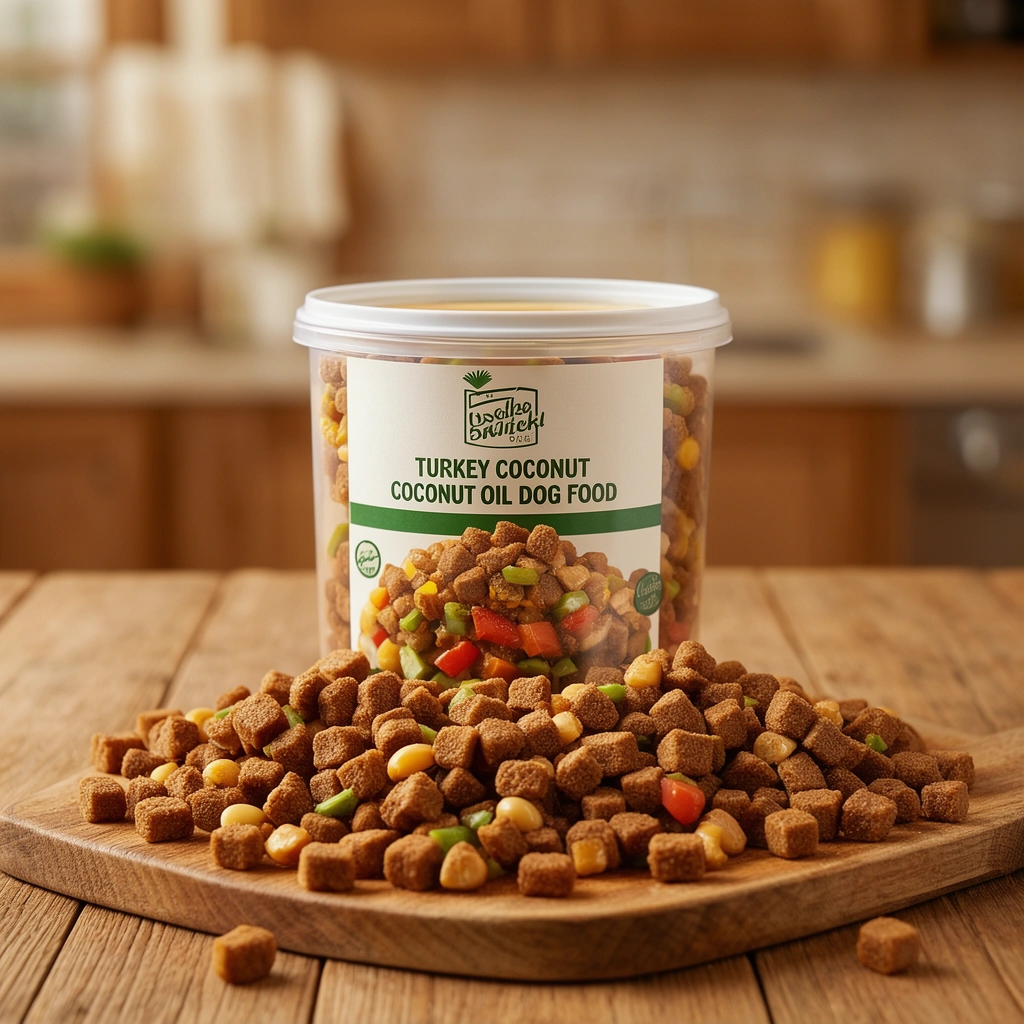
When it comes to feeding our furry friends, I know how important it is to find the most accurate, trustworthy information. Over the years, I’ve dug deep into the best dog nutrition sources to bring you a clear, reliable guide on turkey coconut oil dog food. You can count on this article to give you everything you need to know, without the fluff or confusion.
So what exactly is turkey coconut oil dog food, and why should you consider it? Simply put, this is a dog food recipe or product that combines lean turkey meat with the health benefits of coconut oil to provide a balanced, nutrient-rich meal for dogs. It supports skin health, boosts immunity, and delivers high-quality protein.
In this article, I’ll walk you through the benefits, recipe ideas, and practical tips for making or choosing turkey coconut oil dog food. Let’s get started on giving your dog a tasty, healthy meal they’ll love.
What Is Turkey Coconut Oil Dog Food?
Turkey coconut oil dog food is a nutritional combination that merges lean turkey meat with coconut oil, designed to promote better health in dogs. The turkey provides a high-quality source of protein with essential amino acids, while coconut oil contributes medium-chain triglycerides (MCTs) that improve digestion, skin condition, and immune function.
This mix is popular among pet owners looking for natural, wholesome ingredients that avoid fillers, grains, and artificial additives. It’s especially useful for dogs with food sensitivities or those prone to allergies, as turkey is a lean protein less likely to cause reactions.
If you’re debating between store-bought options or making your own, understanding the properties of turkey and coconut oil will help you make the best choice for your dog’s unique needs.
Why Choose Turkey as Your Dog’s Protein Source?
Turkey is a lean, easily digestible protein that offers many benefits for dogs:
- Low in fat: Ideal for dogs needing weight management.
- Rich in amino acids: Supports muscle development and repair.
- Hypoallergenic: Suitable for dogs with common protein allergies.
- Rich in vitamins and minerals: Provides B vitamins, zinc, and selenium.
Incorporating turkey in your dog’s food helps maintain healthy muscles and promotes overall vitality. It’s often recommended by veterinarians as an alternative to beef or chicken for dogs with sensitivities.
If your dog is active, aging, or recovering from illness, turkey’s nutrient profile can be especially supportive. Plus, its mild flavor tends to be appealing to picky eaters.
The Nutritional Power of Coconut Oil for Dogs
Coconut oil isn’t just trendy; it’s packed with benefits that make it a fantastic addition to your dog’s diet:
- Medium-chain triglycerides (MCTs): These fats are easily absorbed and provide quick energy.
- Antimicrobial properties: Help combat bacteria, viruses, and fungi.
- Improves skin and coat health: Reduces dryness, itching, and promotes a shiny coat.
- Supports digestion: Can help with gut health and nutrient absorption.
Adding coconut oil to your dog’s food can also reduce inflammation and support brain function, which is especially beneficial for senior dogs.
Just remember to introduce coconut oil gradually to avoid digestive upset, starting with small amounts like 1/4 teaspoon per 10 pounds of body weight.
How to Make Turkey Coconut Oil Dog Food at Home
Preparing homemade turkey coconut oil dog food allows you to control every ingredient your dog consumes. Here’s a simple recipe that balances nutrition and taste:
Ingredients
- 2 lbs ground turkey (lean, preferably organic)
- 1 cup cooked sweet potatoes (mashed)
- 1/2 cup peas (fresh or frozen)
- 1/4 cup carrots (finely chopped)
- 1 tablespoon coconut oil (melted)
- 1/4 cup cooked quinoa or brown rice
- 1 teaspoon fish oil (optional for omega-3)
- Calcium supplement (as recommended by your vet)
Instructions
- In a large pan, cook the ground turkey over medium heat until fully browned.
- Add the peas, carrots, and cooked sweet potatoes. Stir and cook for 5 minutes.
- Mix in quinoa or brown rice, then drizzle with coconut oil and fish oil.
- Let the mixture cool before serving.
- Store leftovers in an airtight container in the fridge for up to 4 days or freeze in portions.
Practical Tips
- Always consult your vet to ensure homemade diets meet your dog’s nutritional needs.
- Rotate proteins and veggies occasionally to keep meals balanced.
- Avoid adding salt, onions, garlic, or any toxic ingredients.
This recipe supports muscle health, boosts the immune system, and keeps your dog’s coat glossy and vibrant.
Store-Bought Turkey Coconut Oil Dog Food: What to Look For
If homemade meals aren’t your thing, many brands now offer turkey coconut oil dog food formulas. When selecting one, consider these factors:
- Ingredient transparency: Look for products listing turkey and coconut oil as primary ingredients.
- No artificial fillers: Avoid corn, wheat, soy, and by-products.
- AAFCO certification: Ensures the food meets nutritional standards.
- Added supplements: Omega-3s, glucosamine, and antioxidants are bonuses.
- Customer reviews: See how other dog owners’ pets reacted to the food.
Brands that prioritize natural, minimally processed ingredients often yield the best results. Remember to transition your dog gradually over 7-10 days to avoid digestive upset.
Who Benefits Most from Turkey Coconut Oil Dog Food?
Certain dogs can gain specific advantages from this diet:
- Dogs with food sensitivities: Turkey is a hypoallergenic protein.
- Senior dogs: Coconut oil supports brain health and inflammation reduction.
- Active dogs: High protein and MCTs provide sustained energy.
- Dogs with skin issues: Coconut oil improves coat and skin condition.
- Weight-conscious dogs: Lean turkey helps maintain healthy weight.
However, dogs with pancreatitis or fat-sensitive conditions should consult a vet before adding coconut oil.
Potential Downsides and Precautions
While turkey coconut oil dog food offers many perks, keep these in mind:
- Fat content: Though coconut oil contains healthy fats, too much can cause digestive upset.
- Allergies: Some dogs might still be allergic to turkey.
- Calcium balance: Homemade diets must be supplemented properly to avoid bone issues.
- Quality sourcing: Always use high-quality, fresh ingredients to avoid contamination.
Monitoring your dog’s reaction when starting a new diet is crucial. If you notice vomiting, diarrhea, or lethargy, discontinue and consult your vet.
Enhancing Turkey Coconut Oil Dog Food with Supplements
To maximize health benefits, consider adding:
- Glucosamine and chondroitin: For joint support.
- Probiotics: To improve digestion.
- Omega-3 fatty acids (fish oil): Complement coconut oil’s benefits.
- Multivitamins: To cover any nutritional gaps.
Always introduce supplements slowly and discuss them with your veterinarian to tailor them to your dog’s needs.
Storing and Serving Tips for Turkey Coconut Oil Dog Food
Proper storage and serving practices ensure freshness and safety:
- Refrigerate leftovers in airtight containers.
- Freeze in portions to keep meals fresh for longer.
- Serve at room temperature to enhance palatability.
- Gradually transition to new food over one to two weeks.
- Monitor portions according to your dog’s size and activity.
Keeping these habits will help maintain your dog’s health and prevent food spoilage.
Common Questions About Turkey Coconut Oil Dog Food
Q: Can puppies eat turkey coconut oil dog food?
A: Yes, but ensure the recipe meets the nutritional needs for growth, including calcium and vitamins. Consult your vet.
Q: How much coconut oil should I add?
A: Start with 1/4 teaspoon per 10 pounds of body weight daily and adjust as needed.
Q: Is turkey better than chicken?
A: Turkey is leaner and less allergenic for some dogs but both are good protein sources.
Q: Can I freeze homemade turkey coconut oil dog food?
A: Absolutely! Freeze in portions for up to 3 months.
Conclusion
Turkey coconut oil dog food offers a wholesome, nutritious option to keep your dog healthy, energetic, and happy. Whether you choose to prepare meals at home or buy premium formulas, understanding the benefits and best practices ensures your pup gets the very best.
With lean turkey protein and the healing properties of coconut oil, this diet supports muscle health, skin condition, immune function, and energy levels. I encourage you to try incorporating turkey coconut oil dog food into your dog’s routine and see the positive changes firsthand.
Remember, turkey coconut oil dog food is a smart, natural choice that delivers real results for your furry friend’s well-being. Here’s to happy, healthy dogs everywhere!