
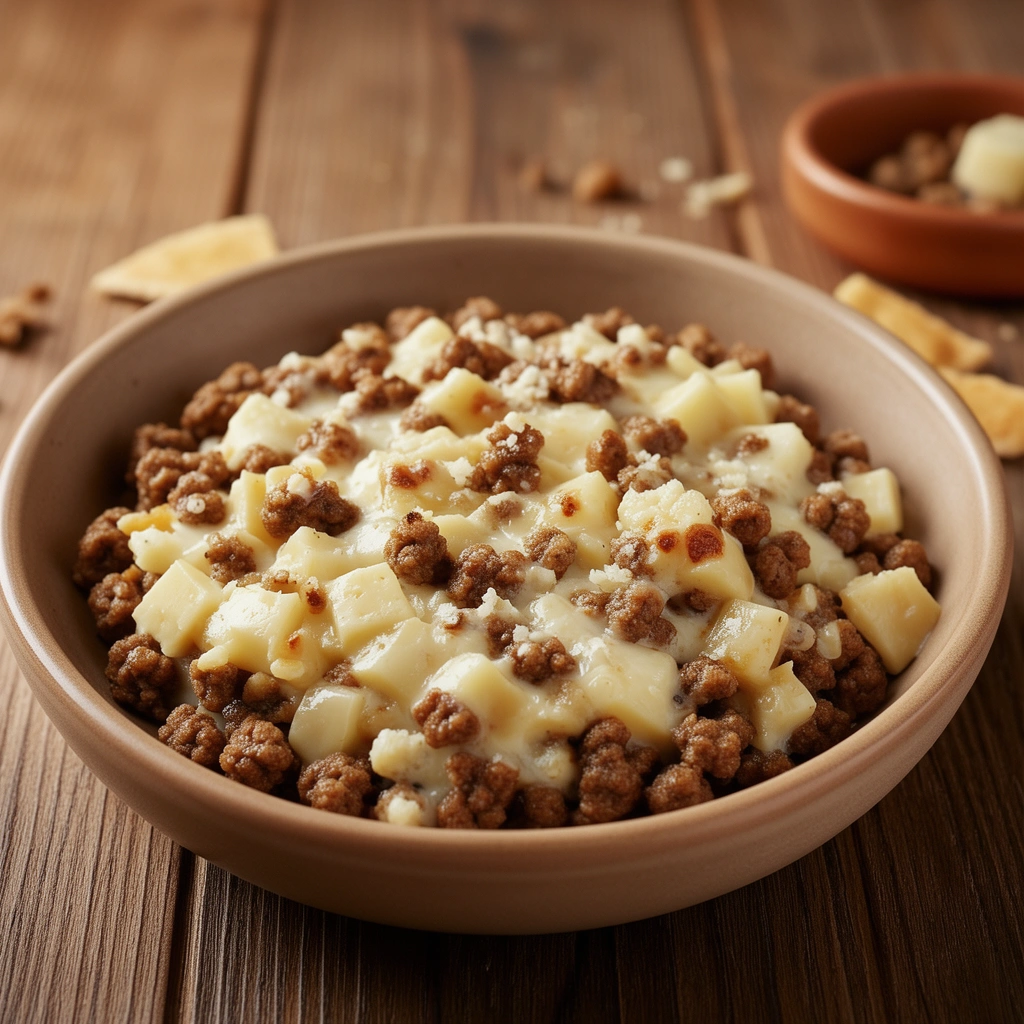
When it comes to feeding our furry friends, I know how important it is to find the right recipes that are both nutritious and delicious. Over the years, I’ve gathered extensive knowledge and practical tips to help you create healthy homemade meals for your dog—especially those that include cheese. You can trust that the information here is accurate, safe, and designed to keep your dog happy and healthy.
So, what about dog food recipes with cheese? Cheese can be a tasty and nutritious addition to your dog’s diet when used appropriately. It provides protein, calcium, and beneficial fats but should be given in moderation due to lactose and fat content. Homemade dog food recipes with cheese can be both appetizing and supportive of your dog’s health if balanced correctly.
In this article, I’ll walk you through some tasty, easy-to-make dog food recipes using cheese, explain the health benefits, and share practical advice to ensure your dog’s diet is well-rounded. Let’s dive into these cheesy delights that your dog will love!
Why Use Cheese in Dog Food?
Adding cheese to homemade dog food isn’t just about taste—there are several nutritional reasons to include it thoughtfully. Cheese is a good source of protein, calcium, and essential fatty acids, which contribute to strong bones, healthy muscles, and shiny coats. It also contains vitamins such as A and B12, which support vision, nerve function, and energy metabolism.
However, not all cheeses are created equal. Some dogs are lactose intolerant or have sensitivities, so it’s important to choose low-lactose cheeses like mozzarella or cheddar. Cheese should be used as an occasional treat or supplement, not the main ingredient, to avoid excess fat and calories.
Including cheese can also help make picky eaters more enthusiastic at mealtime. Its strong aroma and creamy texture tend to be irresistible to dogs, making it a useful tool to encourage eating, especially for dogs recovering from illness or those with decreased appetite.
Getting Started: What You Need to Know Before Adding Cheese to Dog Food
Before you start whipping up cheesy dog meals, consider these points to keep your pup safe:
- Consult your vet: Especially if your dog has allergies, pancreatitis, or weight issues.
- Choose the right cheese: Low-sodium, low-lactose options like mozzarella, cottage cheese, or mild cheddar are best.
- Watch portion sizes: Cheese is calorie-dense. Keep treats under 10% of your dog’s daily calorie intake.
- Avoid harmful additives: No blue cheese, processed cheese, or cheeses with herbs and garlic.
With these basics in mind, you’re ready to explore some fantastic dog food recipes featuring cheese. They’re simple, wholesome, and sure to please your canine companion.
Cheesy Chicken and Rice Delight
This recipe combines lean protein, wholesome carbs, and cheese for a balanced meal your dog will adore.
Chicken provides essential amino acids for muscle maintenance and repair, while rice offers easy-to-digest energy. Adding cheese contributes calcium and a creamy texture that dogs love.
Ingredients:
- 1 cup cooked, shredded chicken breast (skinless, boneless)
- ½ cup cooked brown rice
- ¼ cup shredded mozzarella cheese
- 1 tablespoon plain pumpkin puree (for fiber)
- 1 teaspoon olive oil
Why it works:
The lean chicken supports muscle health without excess fat. Brown rice is rich in fiber and helps digestion. Mozzarella adds calcium and protein without overwhelming lactose. Pumpkin promotes healthy digestion, and olive oil supplies beneficial fats for coat health.
Tips for success:
Make sure the chicken is fully cooked and shredded finely for easy eating. Use fresh mozzarella rather than processed cheese. This dish suits dogs that enjoy mild flavors and need a balanced, moderate-calorie meal.
This recipe is versatile and can fit both modern and traditional feeding styles. It’s quick to prepare and can be portioned for multiple meals.
Beef and Cheese Power Bowl
Here’s a hearty recipe for active dogs needing extra protein and energy.
Ground beef is a rich protein source, and when paired with cheese, it boosts calcium intake. Adding vegetables rounds out the nutrients for overall health.
Ingredients:
- 1 cup cooked lean ground beef
- ¼ cup shredded cheddar cheese (low sodium)
- ½ cup steamed green beans, chopped
- ½ cup cooked quinoa
- 1 teaspoon fish oil (for omega-3 fatty acids)
Health benefits explained:
Beef offers iron and zinc for immune function and energy. Cheddar cheese adds flavor and calcium, while green beans provide fiber and vitamins. Quinoa is a gluten-free grain rich in protein and amino acids. Fish oil supports brain function and a glossy coat.
Practical tip:
Drain excess fat from the beef before mixing to reduce calorie load. Use fresh, organic vegetables when possible. This meal suits energetic dogs and can be adjusted for weight management by modifying portion size.
This recipe blends well with traditional home-cooked diets and can be customized based on your dog’s preferences.
Cottage Cheese and Sweet Potato Mash
Perfect for sensitive stomachs and dogs requiring a gentle yet nourishing meal.
Sweet potatoes are rich in vitamins A and C, antioxidants, and fiber. Cottage cheese is lower in lactose and high in protein, making it a great cheese choice for sensitive dogs.
Ingredients:
- ½ cup cooked, mashed sweet potato
- ½ cup low-fat cottage cheese
- 1 tablespoon cooked peas (mashed)
- 1 teaspoon ground flaxseed (for fiber and omega-3)
Why this recipe is great:
Sweet potatoes aid digestion and provide antioxidants. Cottage cheese supplies calcium and protein with minimal lactose. Peas add vitamins and minerals, and flaxseed supports skin and coat health.
Implementation advice:
Serve warm but not hot to protect sensitive digestive tracts. Introduce flaxseed gradually to avoid gas. This recipe fits well with dogs on restricted diets or those needing extra fiber.
It’s an excellent option for small to medium dogs needing a comforting meal with balanced nutrition.
Turkey and Cheese Veggie Mix
A lean, nutrient-dense meal that incorporates vegetables and cheese to support overall wellness.
Turkey is a lean protein source, and combined with cheese and colorful veggies, it creates a balanced dish rich in antioxidants and essential nutrients.
Ingredients:
- 1 cup cooked ground turkey
- ¼ cup shredded gouda cheese
- ½ cup steamed carrots, diced
- ½ cup cooked barley
- 1 teaspoon chopped parsley (for fresh breath)
Nutritional highlights:
Turkey offers lean protein with lower fat. Gouda cheese adds flavor and calcium with moderate lactose. Carrots supply beta-carotene and fiber, and barley is a good source of complex carbohydrates. Parsley helps freshen breath and provides antioxidants.
Pro tip:
Avoid overcooking veggies to retain nutrients and texture. Parsley should be used sparingly. This meal suits dogs needing weight control and those prone to bad breath.
This recipe complements both modern, grain-inclusive diets and traditional feeding approaches.
Cheesy Tuna and Oatmeal Blend
A quick, omega-rich dish ideal for dogs with a taste for fish and cheese.
Tuna offers omega-3 fatty acids important for brain and skin health. Oatmeal is a gentle carb source. Cheese adds protein and calcium, enhancing flavor and nutrition.
Ingredients:
- 1 can (in water) tuna, drained
- ½ cup cooked oatmeal
- ¼ cup shredded Parmesan cheese
- 1 teaspoon olive oil
- 1 tablespoon chopped spinach (optional)
Why it works:
Tuna provides essential fatty acids and protein. Oatmeal supports digestion and sustained energy. Parmesan cheese adds calcium and umami flavor. Olive oil boosts skin and coat condition. Spinach delivers antioxidants and vitamins.
Implementation advice:
Use tuna packed in water, not oil or brine. Parmesan should be fresh and finely grated. Introduce spinach slowly to monitor tolerance. This recipe is great for dogs with sensory preferences for fish or needing brain-boosting nutrients.
It fits well with modern, nutrient-diverse dog diets.
Conclusion
Dog food recipes with cheese can be a wonderful way to add flavor, nutrition, and variety to your dog’s meals. When chosen carefully and fed in moderation, cheese offers valuable protein and calcium that support your dog’s health. Each recipe shared here balances wholesome ingredients with the benefits of cheese, making mealtime both enjoyable and nutritious.
Remember to always observe your dog’s response to new foods and consult your veterinarian if you have any concerns. With these tasty recipes, you can confidently prepare homemade meals that cater to your dog’s needs, preferences, and well-being.
Feeding your dog with cheese-enhanced recipes is a smart and tasty way to boost their nutrition and happiness every day!