
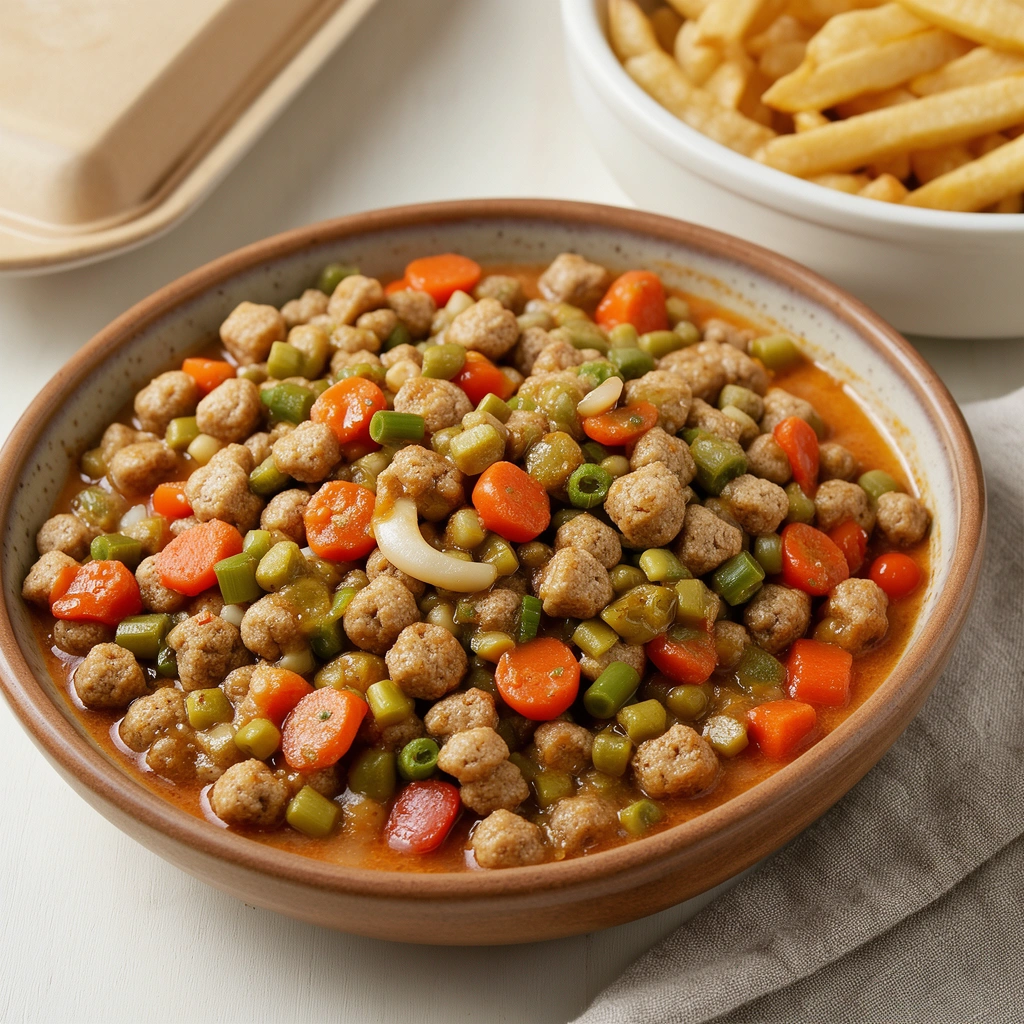
Hey friends! If you’ve ever wondered how to whip up quick, healthy meals for your furry pal using just your microwave, you’re in the right place. I’m here to share the most accurate, easy-to-follow microwave dog food recipes that you can trust to keep your dog happy and healthy.
So, what exactly are microwave dog food recipes? Simply put, these are homemade meals prepared quickly in the microwave, combining dog-safe ingredients to provide balanced nutrition without the fuss of long cooking times or complicated steps. They’re perfect for busy pet parents who want control over what their dog eats but don’t want to spend hours in the kitchen.
Stick with me, and I’ll walk you through a variety of tasty, vet-approved recipes, share essential health tips, and even cover safety guidelines so you can confidently serve your dog meals made right at home using your microwave.
Why Choose Microwave Dog Food Recipes?
Let’s chat about why microwave dog food recipes are a game changer for dog owners. These recipes are not just about convenience; they also let you tailor meals to your dog’s unique needs—whether that’s allergies, weight management, or picky eating habits. Plus, cooking at home means you avoid preservatives and fillers commonly found in commercial dog food.
When you prepare microwave dog meals, you’re mainly using fresh, wholesome ingredients like lean meats, vegetables, and grains. The microwave helps cook these quickly while retaining nutrients better than some other fast-cooking methods. It’s also a safer choice because you can control ingredient quality and portion sizes exactly.
If you’re worried about texture, taste, or whether your dog will actually enjoy these meals, don’t be. I’ll cover tips on ingredient combos that dogs love, how to make meals appealing, and how to introduce new recipes gradually.
What You Need to Know Before Making Microwave Dog Food
Before we dive into the recipes, a quick note on safety and nutrition basics. Dogs have different dietary needs than humans, so it’s crucial to avoid certain ingredients like onions, garlic, chocolate, grapes, and excessive salt. Always use dog-safe foods and consult your vet if your dog has special health conditions.
Microwave cooking can sometimes create hot spots, so stirring the food well and checking temperature before serving is essential. Also, make sure you store leftovers properly and don’t feed spoiled or reheated meals multiple times.
Now that you have the basics down, let’s explore some delicious microwave dog food recipes that are easy to make, nutritious, and sure to satisfy your pup’s taste buds.
Classic Chicken and Rice Microwave Dog Food Recipe
This recipe is a timeless favorite that combines lean protein with easily digestible carbs. Chicken and rice are gentle on your dog’s stomach and provide good energy.
Chicken is a great source of protein and essential amino acids, while rice offers carbohydrates and fiber. Adding a little cooked carrot or green beans boosts vitamins without adding unnecessary calories.
Tip: Use skinless, boneless chicken breast for lean protein. Cook rice until soft and mix well with chicken and veggies before microwaving. Stir halfway to ensure even heating.
This meal suits most dogs, especially those with sensitive stomachs or recovering from illness. It’s a comforting, wholesome option that’s easy to digest.
Beef and Sweet Potato Microwave Dog Food Recipe
If your dog loves beef, this recipe brings rich flavor along with nutritional benefits from sweet potatoes. Beef provides iron and B vitamins, while sweet potatoes are packed with fiber, vitamin A, and antioxidants.
Sweet potatoes also help regulate blood sugar and support healthy digestion. For a balanced meal, pair cooked lean ground beef with steamed sweet potato chunks and a small portion of peas or spinach.
Tip: Drain excess fat from beef after cooking to keep calories in check. Use dog-safe seasonings like turmeric or parsley for added health perks.
This recipe works well for active dogs needing sustained energy and helps maintain a shiny coat and healthy skin.
Turkey and Pumpkin Microwave Dog Food Recipe for Digestive Health
Pumpkin is a superstar for dog digestion, helping with both constipation and diarrhea. Combining it with lean turkey makes a meal that’s easy on the tummy and full of protein.
Turkey is a lower-fat alternative to beef and chicken but equally rich in nutrients. Pumpkin offers fiber, vitamins, and minerals that promote gut health.
Tip: Use canned pure pumpkin (not pumpkin pie filling) or cook fresh pumpkin before adding. Mix turkey and pumpkin evenly and microwave in short bursts to avoid overheating.
This recipe is ideal for dogs with sensitive digestion or those prone to gastrointestinal upset.
Fish and Quinoa Microwave Dog Food Recipe for Omega-3 Boost
Fish like salmon or whitefish is fantastic for dogs because it’s loaded with omega-3 fatty acids, which reduce inflammation and promote brain and joint health.
Quinoa is a gluten-free grain packed with protein and essential amino acids, making it a perfect carb alternative.
Tip: Remove all bones from fish before cooking. Cook quinoa separately and mix with flaked fish and steamed veggies like zucchini or carrots.
This meal suits dogs with allergies to common proteins or those needing a nutrient-rich diet for skin and coat health.
Vegetarian Microwave Dog Food Recipe with Lentils and Vegetables
While dogs are primarily carnivores, some owners prefer vegetarian options for ethical or health reasons. Lentils are an excellent plant-based protein source and fiber powerhouse.
Combine cooked lentils with sweet potatoes, peas, carrots, and a little olive oil for healthy fats.
Tip: Ensure lentils are fully cooked and soft to aid digestion. Avoid onions or garlic, which are toxic to dogs.
This recipe is best for dogs without severe protein demands or for occasional meat-free meals.
Tips for Cooking and Serving Microwave Dog Food Safely
- Always monitor cooking times to avoid overcooking or undercooking.
- Stir food halfway through microwaving to prevent hot spots.
- Check the temperature before serving—food should be warm, not hot.
- Store leftovers promptly in airtight containers in the fridge for up to 3 days.
- Introduce new recipes gradually to monitor for allergies or stomach upset.
- Use fresh, high-quality ingredients and avoid processed foods.
- Consult your vet especially for dogs with medical conditions or special diets.
How to Customize Microwave Dog Food Recipes for Your Dog’s Needs
Every dog is unique, so feel free to adjust these recipes based on your dog’s age, activity level, and health. For example:
- Puppies need more calories and fat for growth.
- Senior dogs may require softer foods and joint-supporting ingredients like glucosamine.
- Weight management dogs benefit from lean proteins and low-calorie veggies.
- Allergy-prone dogs might need limited ingredient recipes with novel proteins.
You can swap protein sources, add supplements like fish oil or probiotics, and vary veggies to keep meals interesting—just keep the basics balanced.
Essential Nutrients to Include in Homemade Microwave Dog Food
To keep your dog healthy, homemade meals must include:
- Protein: Chicken, beef, turkey, fish, or plant proteins like lentils.
- Carbohydrates: Rice, quinoa, sweet potatoes, or oats.
- Fats: Healthy oils such as olive oil or fish oil.
- Fiber: Vegetables like carrots, green beans, pumpkin.
- Vitamins and minerals: Variety of veggies and possibly supplements recommended by your vet.
Avoid toxic foods and excessive salt or seasonings.
Common Mistakes to Avoid When Making Microwave Dog Food
- Using ingredients toxic to dogs like onions, garlic, chocolate, grapes.
- Overcooking food, causing nutrient loss.
- Feeding large portions for small dogs.
- Skipping vet consultation for dogs with health issues.
- Relying solely on homemade food without balanced supplementation.
Avoid these pitfalls for safe, nutritious homemade meals.
How to Transition Your Dog to Microwave Homemade Food
Switching your dog to homemade microwave food should be gradual:
- Start by mixing small amounts of homemade food with regular kibble.
- Increase homemade portion slowly over 7-10 days.
- Watch for digestive upset or allergic reactions.
- Adjust recipes based on your dog’s preferences and response.
A smooth transition helps your dog adjust and thrive on new meals.
Storing and Reheating Microwave Dog Food Properly
- Store leftovers in airtight containers in the fridge for up to 3 days.
- Freeze portions for up to 2 weeks for convenience.
- Always thaw frozen food in the fridge overnight.
- Reheat in microwave just until warm; avoid overheating.
- Stir well to distribute heat evenly.
Proper storage preserves freshness and safety.
Conclusion: Homemade Microwave Dog Food Made Simple
Microwave dog food recipes offer a quick, nutritious, and customizable way to feed your dog wholesome meals at home. By using fresh, dog-safe ingredients and following safe cooking practices, you can create meals tailored perfectly to your dog’s tastes and health needs. Whether you prefer classic chicken and rice or want to experiment with fish and quinoa, these recipes make homemade feeding practical and enjoyable.
Remember, the key to success is variety, balance, and gradual transitions. Try these recipes today and see how easy it is to give your dog the delicious, healthy meals they deserve—all with your microwave!
Thanks for sticking with me! If you want to explore more pet nutrition tips and recipes, stay tuned for future posts where I’ll dive deeper into supplements, treats, and special diets for dogs of all ages. Happy cooking!