When it comes to feeding our furry friends, I know how important it is to find dog food that’s not just tasty but also packed with nutrients. Over the years, I’ve researched and tested various dog food options to make sure I bring you the most accurate and helpful info about what’s good for your dog’s health. Today, I’m diving deep into Salmon Pea Dog Food, a trending choice among dog owners looking for balanced and wholesome nutrition.
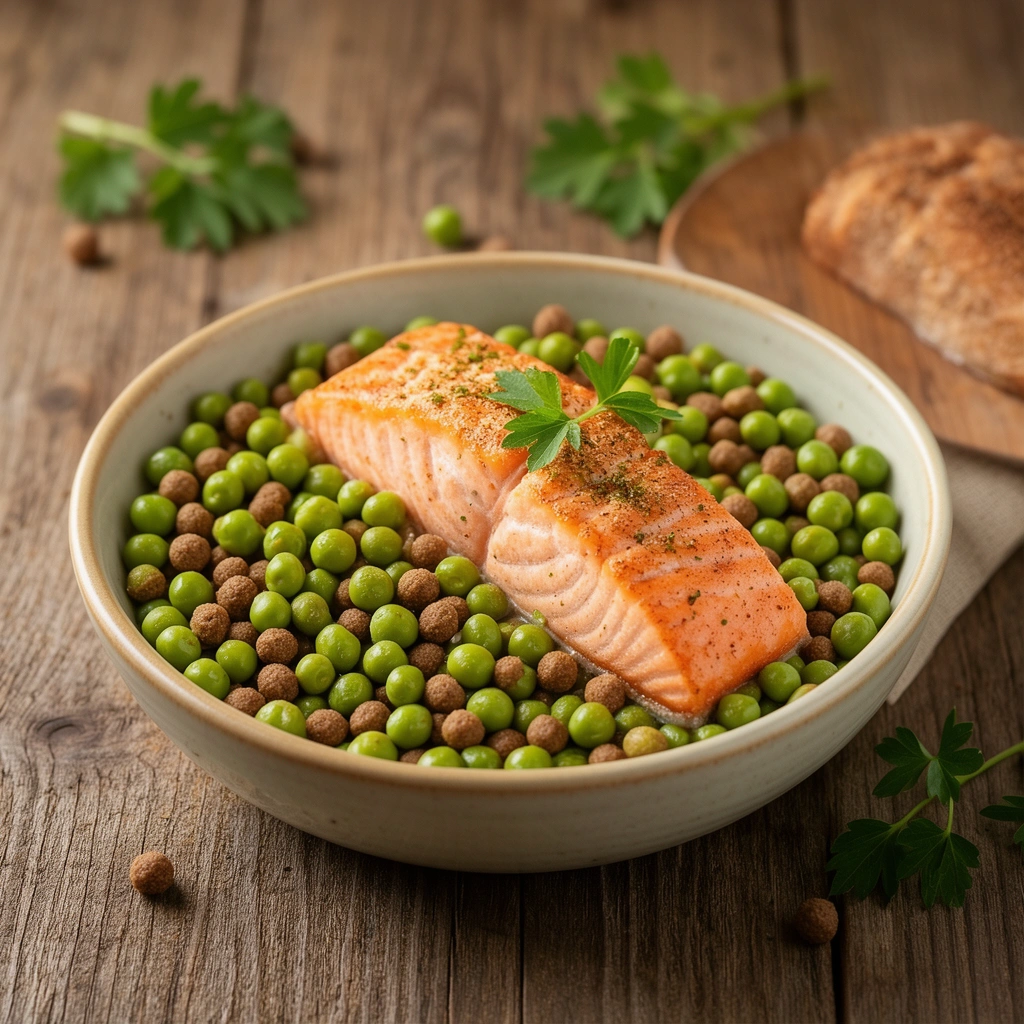
So, what exactly is Salmon Pea Dog Food? It’s a dog food formula that combines the rich protein and omega-3 fatty acids from salmon with the fiber, vitamins, and minerals found in peas. This blend supports healthy skin, a shiny coat, and overall vitality. Salmon pea dog food is often grain-free and great for dogs with food sensitivities or allergies.
Stick around because I’ll cover everything from the health benefits and key ingredients to practical tips on choosing the right brand and even some homemade recipe ideas. Let’s jump right in!
What Is Salmon Pea Dog Food?
Salmon Pea Dog Food is a specialized dog food type designed to provide high-quality protein and nutrients through salmon and peas. Salmon is an excellent source of omega-3 fatty acids, which help reduce inflammation and promote healthy skin and joints. Peas add plant-based protein, dietary fiber, and essential vitamins like vitamin A, K, and several B vitamins.
This combination makes for a balanced meal that supports digestion, boosts the immune system, and enhances coat health. Many brands use this formula in grain-free recipes to cater to dogs with grain allergies or sensitivities. Because salmon is a lean protein, it’s also suitable for dogs that need to maintain a healthy weight.
If you’re wondering whether salmon pea dog food is right for your furry companion, keep reading. I’ll break down the benefits in detail so you can make an informed decision.
Why Choose Salmon Pea Dog Food?
Choosing Salmon Pea Dog Food means prioritizing your dog’s health with nutritious, natural ingredients. Salmon is rich in:
- Omega-3 fatty acids (EPA and DHA): These support brain function, reduce joint inflammation, and promote a glossy coat.
- High-quality animal protein: Vital for muscle repair and energy.
- Vitamins and minerals: Including vitamin D, B complex vitamins, and selenium.
Peas, on the other hand, add:
- Dietary fiber: Improves digestion and regulates blood sugar.
- Plant-based protein: Complements animal protein for a balanced amino acid profile.
- Micronutrients: Such as vitamin C, vitamin K, and manganese.
Together, salmon and peas create a nutrient-dense dog food that supports overall wellness. Plus, the grain-free nature makes it ideal for dogs with allergies or sensitive stomachs.
Nutritional Profile of Salmon and Peas in Dog Food
Understanding the nutritional makeup helps explain why salmon pea dog food is gaining popularity. Here’s a snapshot:
| Nutrient | Salmon (per 100g) | Peas (per 100g) |
|---|---|---|
| Protein | 20-25g | 5-7g |
| Fat (mostly healthy omega-3s) | 5-13g | 0.4g |
| Carbohydrates | 0g | 14g |
| Fiber | 0g | 5g |
| Vitamin A | High | Moderate |
| Vitamin C | Low | High |
| Omega-3 Fatty Acids | High (EPA & DHA) | Negligible |
| Calories | 120-200 kcal | 80 kcal |
This balanced profile means your dog gets lean protein and healthy fats from salmon paired with fiber and vitamins from peas. It’s an excellent combination for dogs that need energy without excess carbs or fillers.
Health Benefits of Salmon Pea Dog Food
Feeding your dog salmon pea dog food can provide several key health benefits:
1. Supports Skin and Coat Health
Omega-3 fatty acids in salmon help reduce itching, dryness, and inflammation. Many dogs with allergies or skin conditions show improvement on diets rich in fish oils. Peas add antioxidants that protect skin cells from damage.
2. Promotes Joint Health
The anti-inflammatory properties of omega-3s can ease joint pain and stiffness, especially for older dogs or large breeds prone to arthritis.
3. Boosts Immune Function
Both salmon and peas contain vitamins and minerals that enhance immune response, helping your dog fight off infections more effectively.
4. Aids Digestive Health
Peas provide fiber that regulates bowel movements and supports healthy gut bacteria. Grain-free formulas reduce the risk of digestive upset in sensitive dogs.
5. Supports Brain and Eye Development
DHA, a type of omega-3 in salmon, is crucial for cognitive function and eye health, making this food great for puppies and senior dogs alike.
Key Ingredients to Look for in Salmon Pea Dog Food
Not all salmon pea dog foods are created equal. Here’s what you should check on the label:
- Real Salmon as the First Ingredient: Look for fresh or wild-caught salmon, not by-products or meals.
- Whole Peas or Pea Protein: Ensure peas are a prominent ingredient, providing fiber and plant protein.
- No Fillers or Artificial Additives: Avoid foods with corn, soy, wheat, artificial colors, or preservatives.
- Balanced Vitamins and Minerals: Look for foods supplemented with essential nutrients like calcium, phosphorus, and antioxidants.
- Grain-Free or Limited Grain Options: Ideal for dogs with sensitivities but ensure there’s enough fiber from peas or other veggies.
How to Choose the Right Salmon Pea Dog Food Brand
Selecting the perfect dog food can be overwhelming, but here’s a simple checklist to guide you:
- Check Ingredient Transparency: The brand should clearly list all ingredients and sourcing details.
- Look for AAFCO Approval: Ensures the food meets minimum nutritional standards.
- Read Customer Reviews: Real feedback from other dog owners can reveal common issues or benefits.
- Consider Your Dog’s Specific Needs: Age, breed, activity level, and allergies should influence your choice.
- Evaluate Price vs Quality: Premium ingredients often cost more but offer better nutrition and digestibility.
Homemade Salmon Pea Dog Food Recipe
If you want to take control of your dog’s diet, making homemade salmon pea dog food can be rewarding. Here’s a simple recipe to try:
Ingredients:
- 2 cups cooked wild-caught salmon (deboned)
- 1 cup cooked green peas
- 1 cup cooked sweet potato or brown rice
- 1 tablespoon fish oil (optional, for extra omega-3)
- 1/2 cup chopped carrots
- 1/4 cup chopped spinach
- A pinch of turmeric (anti-inflammatory)
- Dog-safe multivitamin supplement (consult your vet)
Instructions:
- Cook salmon thoroughly, removing bones.
- Steam peas, carrots, and spinach until soft.
- Mix all ingredients in a large bowl, adding sweet potato or rice for carbs and fiber.
- Add fish oil and turmeric, mix well.
- Portion out servings based on your dog’s weight and calorie needs.
- Store leftovers in the fridge for up to 3 days or freeze for longer storage.
Tip: Always consult your vet before switching to homemade diets to ensure balanced nutrition.
Potential Allergies and Sensitivities: What to Watch For
While salmon and peas are generally safe, some dogs may experience allergies or intolerances. Signs to watch for include:
- Itching or skin redness
- Digestive upset (vomiting, diarrhea)
- Ear infections
- Excessive licking or chewing
If you notice these symptoms after switching to salmon pea dog food, consult your vet. Sometimes, rotating proteins or introducing novel ingredients can help manage sensitivities.
Grain-Free vs Grain-Inclusive Salmon Pea Dog Food
There’s a lot of debate about grain-free dog foods. Salmon pea dog food often comes grain-free, but some formulas include grains like brown rice or oats.
Grain-Free Benefits:
- Suitable for dogs with grain allergies or sensitivities
- Often higher in protein and lower in carbs
Grain-Inclusive Benefits:
- May provide additional fiber and nutrients
- Often more budget-friendly
Ultimately, the best choice depends on your dog’s health and preferences. Discuss options with your vet for personalized advice.
Storing and Serving Salmon Pea Dog Food Properly
Proper storage helps maintain freshness and nutrient quality:
- Store dry kibble in a cool, dry place in an airtight container.
- Refrigerate or freeze homemade recipes promptly to prevent spoilage.
- Serve meals at room temperature for better digestion.
- Avoid mixing old and new food to prevent digestive upset.
Frequently Asked Questions About Salmon Pea Dog Food
Is salmon pea dog food good for puppies?
Yes! Its nutrients support brain development, healthy growth, and immune function, but choose formulas specifically formulated for puppies.
Can I feed my dog salmon pea food if they have allergies?
If your dog is allergic to grains or common proteins like chicken, salmon pea formulas may be a good alternative. Always monitor for reactions.
How much salmon pea dog food should I feed my dog daily?
Feeding amounts vary based on weight, age, and activity. Follow the feeding guidelines on the package or consult your vet.
Is homemade salmon pea dog food safe long-term?
Homemade diets can be healthy if balanced properly. Work with a vet or pet nutritionist to ensure complete nutrition.
Conclusion
Salmon pea dog food offers a powerful combination of high-quality protein, healthy fats, and essential nutrients that support your dog’s overall well-being. Whether you choose a commercial formula or a homemade recipe, this diet promotes skin health, joint mobility, and digestive balance. By selecting the right ingredients and brands, you can ensure your furry friend enjoys a tasty, nutritious meal every day.
If you want to give your dog a wholesome diet that’s both delicious and packed with benefits, salmon pea dog food is an excellent choice to consider. Remember, always observe your dog’s reactions to any new food and consult your vet for personalized advice.
Feeding your dog salmon pea dog food is a simple step toward a happier, healthier pet—and that’s what matters most!