
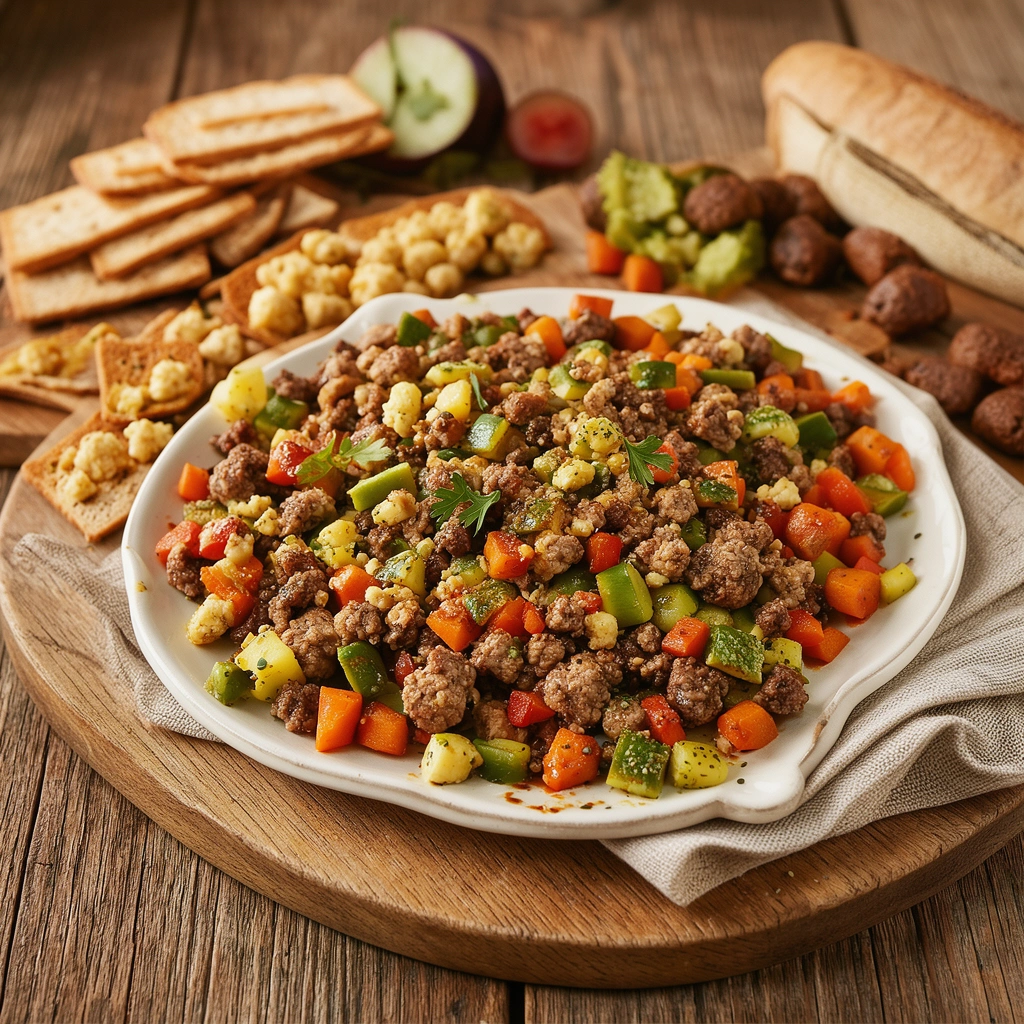
Hey friends! If you’re like me, you want the best for your dog, especially when it comes to their food. Making homemade dog food can seem tricky, but I’m here to walk you through the ins and outs of crafting balanced, healthy meals your pup will love. I’ll share everything from essential nutrition info to practical recipes you can whip up in no time.
So, what exactly is DIY dog food? Simply put, it’s when you make your dog’s meals at home using fresh, wholesome ingredients instead of relying solely on commercial kibble or canned food. This approach lets you control the quality, tailor meals to your dog’s needs, and often save money. However, it’s important to understand the right balance of nutrients to keep your dog happy and healthy.
Ready to discover how easy and rewarding it can be to prepare your own dog food? Keep reading, and I’ll share detailed recipes, tips on ingredients, and how to customize meals for any dog breed or size.
Understanding the Basics of Homemade Dog Food
Before diving into recipes, let’s chat about what makes a well-balanced homemade dog meal. Dogs need a balance of proteins, carbohydrates, fats, vitamins, and minerals to thrive. Unlike cats, dogs are omnivores, meaning they can digest both animal and plant foods.
Key components:
- Protein: Essential for muscle growth and repair. Sources include chicken, beef, turkey, fish, and eggs.
- Carbohydrates: Provide energy. Good options are rice, oats, sweet potatoes, and quinoa.
- Fats: Important for skin, coat health, and energy. Healthy fats come from fish oil, flaxseed, and animal fats.
- Vitamins & Minerals: Crucial for overall health. These come from vegetables like carrots, spinach, and pumpkin.
Practical tip: Always consult your vet before switching to homemade food, especially if your dog has health issues. You may need to add supplements to cover all nutritional bases.
This foundation will guide you as we explore some tasty recipes that are both nutritious and delicious.
Balanced Chicken and Rice Meal: A Classic Starter
This recipe is a go-to for many dog owners because it’s simple, gentle on the stomach, and provides a great balance of nutrients.
Chicken supplies lean protein, while rice is an easily digestible carbohydrate. Adding a few veggies enriches the meal with fiber and vitamins.
Ingredients:
- 2 ½ cups cooked chicken (skinless, boneless)
- 1 ½ cups cooked brown rice
- 1 cup steamed carrots
- ½ cup peas
- 1 tablespoon olive oil
Health Benefits:
- Supports muscle health and energy
- Aids digestion with fiber from vegetables
- Healthy fats promote shiny coat
Tips for success:
- Avoid seasoning or spices; dogs don’t need salt or additives.
- Cook chicken thoroughly to avoid bacteria.
- Store leftovers in airtight containers for up to three days.
This recipe suits dogs of all sizes and breeds. It’s especially good for sensitive stomachs or dogs recovering from illness.
Next, we’ll explore a recipe that’s packed with omega fatty acids and antioxidants.
Salmon and Sweet Potato Delight: Omega-3 Boost
Salmon is a fantastic source of omega-3 fatty acids, which help reduce inflammation and improve skin and coat health. Sweet potatoes offer complex carbohydrates and vitamins A and C.
Ingredients:
- 2 cups cooked salmon (boneless, skinless)
- 1 ½ cups cooked sweet potatoes
- 1 cup steamed green beans
- 1 tablespoon flaxseed oil
Health Benefits:
- Omega-3s support brain function and reduce joint inflammation
- Antioxidants boost immune system
- Fiber aids digestion and regulates blood sugar
Practical tip: Remove all bones from salmon to prevent choking hazards. You can use canned salmon (in water) if fresh isn’t available.
This recipe works well for active dogs needing joint support or those prone to allergies.
Let’s move on to a protein-rich beef and vegetable combo that’s packed with essential nutrients.
Hearty Beef and Vegetable Mix: Protein Powerhouse
Beef is a rich source of iron and high-quality protein, crucial for energy and muscle maintenance. Paired with vegetables, it makes a hearty meal.
Ingredients:
- 2 cups lean ground beef (cooked and drained)
- 1 cup cooked quinoa
- 1 cup chopped spinach
- ½ cup diced carrots
- 1 tablespoon coconut oil
Health Benefits:
- Iron improves oxygen transport in blood
- Antioxidants in spinach reduce oxidative stress
- Coconut oil supports digestion and skin health
Tips:
- Use lean beef to avoid excessive fat.
- Quinoa is a great grain alternative for dogs with grain sensitivities.
- Always cook meat thoroughly.
This meal suits dogs needing more protein, such as working or highly active dogs.
Next, we’ll look at a vegetarian-friendly option that’s still nutritionally balanced.
Vegetarian Lentil and Veggie Stew: Plant-Based Nutrition
Some dog owners prefer plant-based options for various reasons. Lentils are an excellent source of protein and fiber, and combined with veggies, they provide a balanced meal.
Ingredients:
- 1 ½ cups cooked lentils
- 1 cup cooked brown rice
- 1 cup chopped carrots
- ½ cup peas
- 1 tablespoon olive oil
Health Benefits:
- High fiber supports digestive health
- Plant protein is good for dogs with meat allergies
- Rich in vitamins and minerals
Practical tip: Lentils should be cooked thoroughly to avoid gas or digestive upset.
While dogs are omnivores, this meal works well for dogs with specific dietary restrictions, but always check with your vet before choosing a vegetarian diet.
Next up is a recipe designed for small dogs with sensitive digestion.
Turkey and Pumpkin Mash: Gentle on the Tummy
Turkey is a lean protein, and pumpkin is known for its digestive benefits, making this recipe ideal for dogs with sensitive stomachs.
Ingredients:
- 2 cups cooked ground turkey (skinless)
- 1 cup cooked pumpkin puree (unsweetened)
- 1 cup cooked white rice
- 1 tablespoon fish oil
Health Benefits:
- Turkey supports lean muscle mass
- Pumpkin soothes digestion and helps regulate bowel movements
- Fish oil promotes a healthy coat and joints
Tips:
- Use canned pumpkin puree, not pumpkin pie filling.
- White rice is easy to digest, good for upset stomachs.
This meal is perfect for puppies, seniors, or dogs with stomach issues.
Next, we will explore a high-energy recipe for working or very active dogs.
Lamb and Barley Feast: Energy and Strength
Lamb is a rich protein source, and barley provides complex carbs and fiber, making it a great mix for high-energy dogs.
Ingredients:
- 2 cups cooked ground lamb
- 1 ½ cups cooked barley
- 1 cup steamed broccoli
- 1 tablespoon flaxseed oil
Health Benefits:
- Lamb provides essential amino acids and iron
- Barley stabilizes blood sugar and supports digestion
- Broccoli adds vitamins C and K
Practical tip: Introduce new ingredients gradually to avoid digestive upset.
This recipe suits dogs involved in agility, hunting, or other high-activity tasks.
Let’s now review some crucial tips for safely preparing and storing homemade dog food.
Safety and Storage Tips for Homemade Dog Food
Making your own dog food is rewarding, but safety is key. Always follow these guidelines:
- Cook thoroughly: Raw or undercooked meat can harbor harmful bacteria.
- Avoid toxic foods: Never use onions, garlic, chocolate, grapes, raisins, or artificial sweeteners.
- Store properly: Refrigerate leftovers up to 3 days or freeze in portions for longer storage.
- Use supplements if necessary: Dogs might need calcium, taurine, or vitamins not present in homemade meals.
- Consult your vet: Regular check-ups ensure your dog’s diet meets their evolving needs.
By following these steps, you ensure your dog’s meals are safe, nutritious, and delicious.
Customizing Your Dog’s Meals Based on Age and Health
Not all dogs have the same dietary needs. Puppies, adults, seniors, and dogs with health conditions require different nutrient balances.
- Puppies: Need higher protein and fat for growth.
- Adults: Maintain balanced nutrition for energy and health.
- Seniors: Require fewer calories but more fiber and joint-supporting nutrients.
- Health issues: Dogs with allergies, kidney disease, or obesity need tailored diets.
Adjust ingredients and portion sizes accordingly, and always seek veterinary advice.
Essential Ingredients to Stock for DIY Dog Food
Stocking your kitchen with the right ingredients makes meal prep a breeze. Here’s a quick list:
- Proteins: Chicken, turkey, beef, lamb, salmon, eggs
- Carbs: Brown rice, quinoa, barley, oats, sweet potatoes
- Vegetables: Carrots, green beans, spinach, pumpkin, peas, broccoli
- Fats: Olive oil, coconut oil, fish oil, flaxseed oil
- Supplements: Calcium powder, multivitamins (as advised by vet)
Having these on hand lets you mix and match recipes to keep your dog’s meals exciting.
Monitoring Your Dog’s Reaction to Homemade Food
Switching to DIY meals requires observation. Watch for:
- Changes in weight
- Coat condition
- Energy levels
- Stool quality
- Allergic reactions
If you notice any issues, adjust ingredients or consult your vet. Transition slowly by mixing homemade food with current food over 7-10 days.
Conclusion
Making DIY dog food recipes is a rewarding way to ensure your dog gets wholesome, nutritious meals tailored to their needs. By understanding the basics of canine nutrition, choosing quality ingredients, and following safe preparation methods, you can keep your furry friend happy and healthy. Whether you try the classic chicken and rice or the omega-rich salmon and sweet potato, these recipes offer variety and balanced nourishment.
Remember, always consult your vet when making significant diet changes and observe your dog’s response to new meals. Homemade dog food allows you to give your best friend the love and care they deserve in every bite.
Happy cooking, and here’s to many tail-wagging mealtimes ahead!