
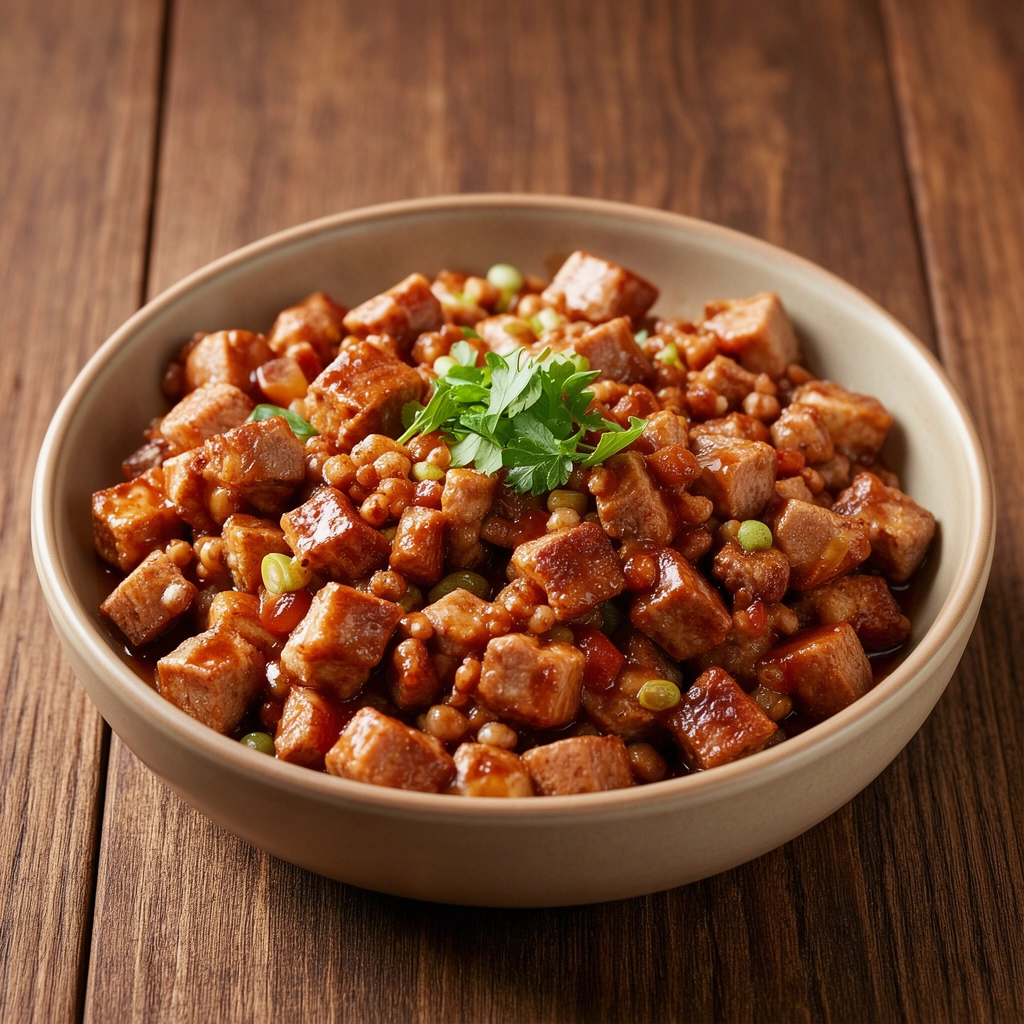
When it comes to feeding your furry friend, I know how important it is to find reliable, accurate information that you can trust. Over the years, I’ve researched and tested numerous dog foods to understand what really works for dogs’ health and happiness. Today, I’m here to help you make informed decisions about pork dog food — a topic often overlooked or misunderstood.
So, what exactly is pork dog food, and is it good for your dog? Pork dog food consists of dog meals or treats made primarily from pork meat and by-products. It can be a rich source of protein, essential nutrients, and fatty acids, supporting your dog’s growth and overall well-being when prepared and balanced correctly.
Keep reading to uncover everything you need to know about pork dog food—from its benefits and potential risks to recipe ideas and nutritional tips that’ll keep your dog happy and healthy.
What Is Pork Dog Food and Why Consider It?
Pork dog food refers to dog meals formulated with pork as the main protein source. Unlike traditional chicken or beef dog food, pork offers a different nutrient profile and flavor that many dogs find irresistible. It’s often included in wet and dry dog foods, raw diets, or homemade meals.
If you’re wondering whether pork dog food is right for your dog, here’s a quick rundown: Pork is rich in protein and essential amino acids, making it an excellent muscle-building ingredient. It also contains B vitamins, zinc, and iron. However, pork can be fatty, so choosing lean cuts or balanced recipes is crucial to prevent weight gain or digestive issues.
In this section, I’ll guide you through what pork dog food is, why some dogs thrive on it, and what you should watch out for to keep your pup safe and satisfied.
Nutritional Profile of Pork for Dogs
Understanding pork’s nutritional value helps you appreciate why it can be a great addition to your dog’s diet. Here’s a clear breakdown:
- Protein: Pork provides high-quality protein essential for muscle repair and growth.
- Fat: Contains moderate to high fat levels, depending on the cut, offering energy but requiring portion control.
- Vitamins: Rich in B-complex vitamins like B1 (thiamine) and B6, which support metabolism and nerve function.
- Minerals: Supplies zinc and iron, important for immune health and oxygen transport.
- Amino Acids: Includes all essential amino acids dogs need for overall health.
When selecting pork dog food, aim for products or recipes that balance pork with vegetables, grains, and supplements to ensure complete nutrition.
Benefits of Feeding Pork to Dogs
Feeding your dog pork can bring several advantages when done thoughtfully. Here are some key benefits:
- Highly Palatable: Many dogs love the taste and aroma of pork, which can be helpful for picky eaters.
- Rich in Protein: Supports healthy muscle maintenance and energy levels.
- Good Source of Vitamins and Minerals: Enhances immune function and overall wellness.
- Variety in Diet: Incorporating pork adds diversity, reducing the risk of food sensitivities that sometimes develop from feeding only one protein source.
- Supports Skin and Coat Health: The fatty acids in pork can contribute to a shiny coat and healthy skin.
However, keep in mind that pork should be cooked properly to avoid parasites and trimmed to reduce excessive fat intake.
Potential Risks and Precautions
While pork dog food has benefits, there are important safety points to consider:
- Raw or Undercooked Pork Risks: Can harbor parasites like Trichinella spiralis. Always cook pork thoroughly to at least 145°F (63°C).
- Fat Content: Excessive fat can lead to pancreatitis or obesity. Choose lean cuts and control portions.
- Allergies: Some dogs may be allergic or sensitive to pork proteins. Watch for signs like itching, digestive upset, or ear infections.
- Additives: Avoid pork dog food with harmful preservatives, excessive salt, or artificial flavors.
- Bones: Never feed cooked pork bones as they can splinter and cause choking or internal injury.
By following these precautions, you can safely introduce pork into your dog’s diet.
Choosing the Best Pork Dog Food
When shopping for pork-based dog food, quality matters immensely. Here’s what to look for:
- High Pork Content: Look for foods where pork is the first ingredient.
- Balanced Formulation: Includes vegetables, grains, and supplements to provide complete nutrition.
- No Fillers or Artificial Additives: Avoid corn, soy, artificial colors, or preservatives.
- Reputable Brands: Choose brands with transparent ingredient sourcing and positive reviews.
- Suitable for Your Dog’s Needs: Consider age, size, activity level, and any health issues.
Additionally, homemade pork dog food is an option, but always consult your vet or a pet nutritionist to ensure the recipe meets your dog’s nutritional needs.
Homemade Pork Dog Food Recipe: A Simple and Nutritious Meal
Making pork dog food at home can be rewarding and lets you control ingredients. Here’s a straightforward recipe:
Ingredients:
- 1 lb lean pork (ground or chopped)
- 1 cup cooked brown rice
- 1 cup mixed vegetables (carrots, peas, green beans)
- 1 tablespoon olive oil
- 1/2 teaspoon calcium supplement (crushed eggshell or a vet-recommended supplement)
Instructions:
- Cook the pork: In a skillet over medium heat, cook pork thoroughly until no longer pink.
- Prepare vegetables: Steam or boil the mixed vegetables until tender.
- Combine ingredients: Mix the cooked pork, rice, and vegetables in a large bowl.
- Add oil and calcium: Stir in olive oil and calcium supplement for healthy fats and bone support.
- Cool and serve: Let the mixture cool before serving to your dog.
This recipe offers balanced protein, fiber, vitamins, and minerals, supporting overall health and energy.
Incorporating Pork Treats into Your Dog’s Diet
Pork-based treats can be a tasty reward and training aid. They provide protein and flavor without unnecessary fillers.
- Choose natural pork jerky or dehydrated pork slices.
- Avoid treats with artificial preservatives or flavorings.
- Limit treat amounts to 10% of daily caloric intake to maintain balanced nutrition.
- Use treats for positive reinforcement during training or socialization.
These treats help maintain your dog’s interest and motivation while providing nutritional perks.
Pork Dog Food for Dogs with Allergies or Sensitivities
Some dogs develop allergies to common proteins like chicken or beef. Pork can be an excellent alternative as a novel protein source.
- Novel Protein Definition: A protein your dog hasn’t been exposed to before.
- Benefits: Reduces the chance of allergic reactions or digestive upset.
- Important: Introduce pork gradually and monitor your dog’s response for any adverse signs.
Consult your vet before switching proteins, especially if your dog has a history of allergies.
Comparing Pork Dog Food to Other Protein Sources
Pork dog food stands out when compared to other proteins like chicken, beef, or fish in several ways:
| Protein Source | Pros | Cons |
|---|---|---|
| Pork | Highly palatable, rich in B vitamins | Higher fat content, potential parasite risk if raw |
| Chicken | Lean, widely available | Common allergen |
| Beef | Rich in iron, protein | Can be fatty, allergenic for some dogs |
| Fish | Omega-3 fatty acids, good for skin | Risk of heavy metals, fishy smell |
Choosing pork can diversify your dog’s diet and provide unique nutritional benefits.
How to Transition Your Dog to Pork Dog Food Safely
Switching your dog’s diet requires care to avoid digestive upset:
- Start Slowly: Mix 25% pork food with 75% current food.
- Gradually Increase: Over 7–10 days, increase pork food portion.
- Monitor Health: Watch for diarrhea, vomiting, or allergies.
- Adjust Portions: Based on your dog’s weight and activity.
A smooth transition helps your dog adapt and enjoy pork dog food comfortably.
Storing and Handling Pork Dog Food Properly
To keep pork dog food fresh and safe:
- Refrigerate or freeze homemade or opened pork food immediately.
- Use airtight containers to prevent spoilage.
- Discard any food left out for more than two hours.
- Wash hands and utensils thoroughly after handling raw pork.
Following these tips prevents bacterial contamination and protects your dog’s health.
Environmental and Ethical Considerations of Pork Dog Food
As pet owners, we also think about the impact of our choices:
- Sourcing: Look for pork from farms with humane and sustainable practices.
- Organic or Free-Range Options: These reduce exposure to hormones and antibiotics.
- Waste Reduction: Using pork by-products in dog food can reduce food waste.
Choosing responsibly raised pork supports animal welfare and environmental sustainability.
Expert Tips for Feeding Pork Dog Food
To get the best results feeding pork dog food:
- Always consult your vet before introducing new proteins.
- Rotate pork with other proteins to provide variety.
- Keep an eye on your dog’s weight and overall health.
- Avoid seasoning or additives harmful to dogs (e.g., garlic, onion).
- Use pork dog food as part of a balanced diet, not the sole food source.
These tips ensure your dog thrives on pork-based meals.
Pork Dog Food Myths Debunked
Let’s clear up some common misconceptions:
-
Myth 1: Pork is just fat and bad for dogs.
Fact: Lean pork is a nutritious protein source when served properly. -
Myth 2: Raw pork is the best for dogs.
Fact: Raw pork has parasite risks and should be cooked or properly handled. -
Myth 3: Pork causes allergies more than other meats.
Fact: Pork is actually less allergenic for most dogs compared to chicken or beef.
Understanding facts helps you make confident choices for your dog.
Conclusion
Pork dog food can be a delicious and nutritious addition to your dog’s diet when chosen and prepared carefully. It offers high-quality protein, essential vitamins, and a flavor many dogs love. By understanding the benefits, risks, and best practices for feeding pork to your dog, you can keep your furry friend healthy, happy, and well-nourished.
So, whether you’re considering commercial pork dog food or making homemade meals, keep these insights in mind to provide the best care possible. Remember, pork dog food is just one ingredient in your dog’s balanced diet journey!
Thank you for reading this comprehensive guide on pork dog food. I hope this helps you feel confident about incorporating pork into your dog’s meals safely and effectively!