
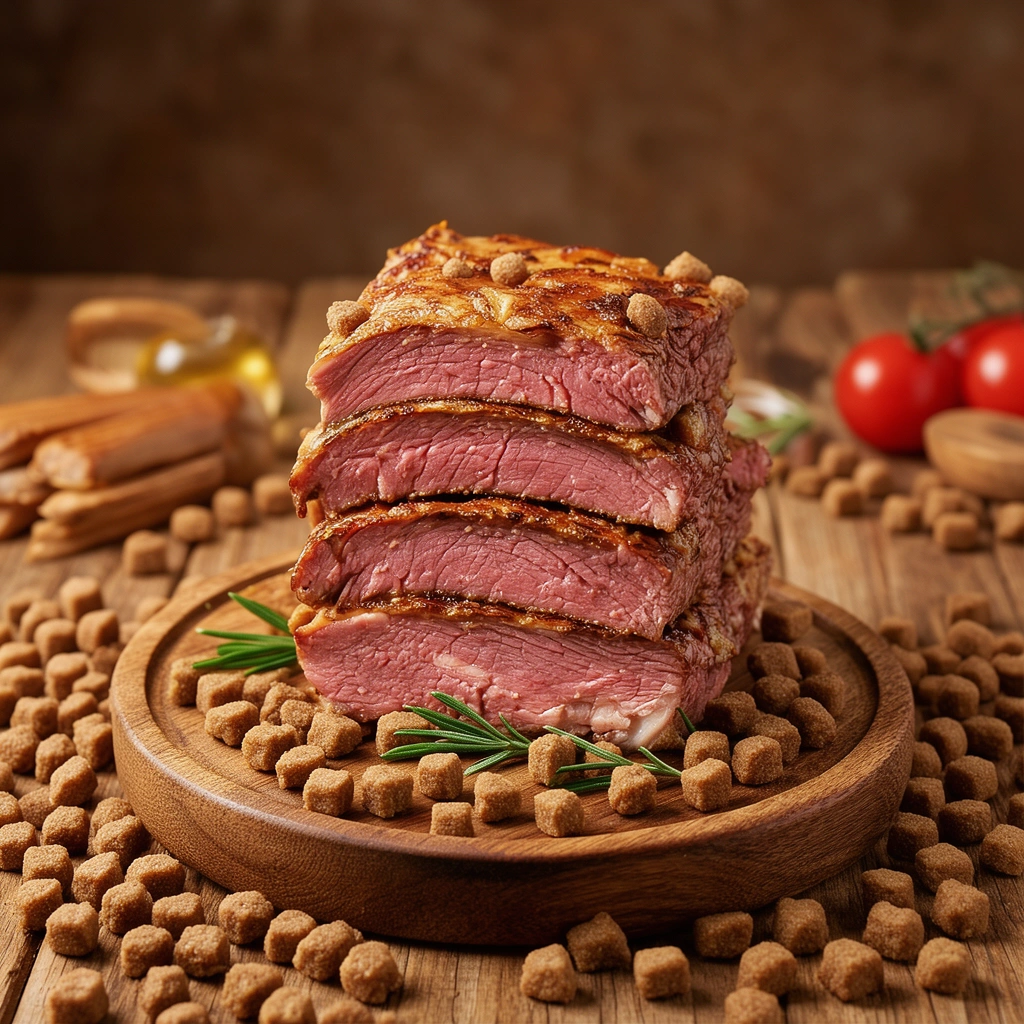
When it comes to feeding our canine companions, I understand how important it is to find the best, most trustworthy information. I’ve spent years researching and gathering reliable data on dog nutrition, especially when it involves specialized ingredients like lamb. You can count on this guide to provide clear, accurate, and practical advice about lamb dog food.
So, what exactly is lamb dog food? Lamb dog food is a type of dog diet that uses lamb as the primary protein source. It offers a rich supply of essential nutrients, is great for dogs with food sensitivities, and supports overall health with high-quality animal protein. Lamb dog food is often recommended for dogs with allergies to common proteins like chicken or beef.
In this article, I’ll walk you through everything you need to know about lamb dog food, including its benefits, how to choose the right product, and some tasty homemade recipes you can try. Whether your dog has special dietary needs or you’re just curious, keep reading to discover the full story behind lamb dog food.
What is Lamb Dog Food and Why Choose It?
Lamb dog food is a specialized dog food formula where lamb is the main ingredient. Unlike common dog foods that often rely on chicken or beef, lamb offers a distinct protein source that is less likely to trigger allergies or food sensitivities.
Lamb meat is rich in essential amino acids, vitamins like B12, and minerals such as zinc and iron. These nutrients help maintain muscle health, immune function, and energy levels in dogs. Additionally, lamb contains a good amount of healthy fats, which provide omega-3 and omega-6 fatty acids that support skin and coat health.
Choosing lamb dog food can be especially beneficial for dogs with allergies to more common proteins or for owners looking for novel protein options. It’s a great choice for dogs with sensitive stomachs or those needing a nutrient-dense diet.
Understanding the Nutritional Benefits of Lamb in Dog Food
Lamb is more than just a tasty protein — it’s packed with nutrition that supports your dog’s well-being in multiple ways.
Key Nutritional Benefits of Lamb:
- High-Quality Protein: Supports muscle repair and growth.
- Omega Fatty Acids: Promote shiny coats, healthy skin, and reduce inflammation.
- Vitamins & Minerals: Includes Vitamin B12 for energy, zinc for immune support, and iron for healthy blood.
- Easily Digestible: Lamb is gentle on sensitive digestive systems, reducing the risk of upset stomach.
When choosing lamb dog food, look for products that list lamb as the first ingredient and avoid foods with excessive fillers or artificial additives. This ensures your dog is getting the full nutritional benefit of lamb without unnecessary extras.
Who Should Consider Feeding Their Dog Lamb Dog Food?
If your dog has food allergies, sensitivities, or digestive issues, lamb dog food is often a top recommendation. It’s also great for:
- Dogs with skin problems linked to food allergies.
- Dogs that have had adverse reactions to chicken or beef.
- Puppies and active dogs needing nutrient-dense diets.
- Senior dogs requiring easily digestible proteins.
Even if your dog doesn’t have specific health issues, lamb dog food can be a nutritious alternative to diversify their protein intake. Rotating proteins helps prevent the development of new allergies.
Common Ingredients Found in Lamb Dog Food
Lamb dog food usually combines lamb meat with other complementary ingredients to balance nutrition. Here’s a quick look at common components:
| Ingredient | Purpose |
|---|---|
| Lamb Meat | Primary protein source |
| Lamb Meal | Concentrated protein, more nutrient-dense |
| Sweet Potatoes | Complex carbohydrates for energy |
| Peas | Fiber and plant-based protein |
| Flaxseed | Source of omega-3 fatty acids |
| Vitamins & Minerals | Support overall health and immune system |
Avoid foods with excessive corn, wheat, soy, or artificial preservatives, as these can irritate sensitive dogs.
How to Choose the Best Lamb Dog Food for Your Pet
Selecting the right lamb dog food can feel overwhelming with so many options on the market. Here’s a simple checklist to make the best choice:
- Check Ingredient List: Lamb should be the first ingredient, not a by-product.
- Look for Limited Ingredients: Especially if your dog has allergies.
- Avoid Fillers: Skip foods with corn, wheat, soy, or artificial colors.
- Consider Life Stage: Choose formulas tailored to puppies, adults, or seniors.
- Opt for Reputable Brands: Look for brands with transparent sourcing and quality control.
- Read Reviews: Real pet owner feedback can reveal how well dogs tolerate the food.
Homemade Lamb Dog Food Recipes
Sometimes you want to know exactly what’s going into your dog’s bowl. Homemade lamb dog food is a fantastic way to ensure quality and freshness.
Simple Lamb and Sweet Potato Dinner
This recipe balances protein, carbs, and essential nutrients, perfect for a healthy meal.
Ingredients:
- 1 pound ground lamb
- 1 cup cooked sweet potatoes (mashed)
- 1/2 cup cooked green peas
- 1 tablespoon olive oil
- 1/4 cup chopped carrots (cooked)
- 1/4 teaspoon turmeric (optional for anti-inflammatory benefits)
Instructions:
- In a pan, heat olive oil over medium heat.
- Cook ground lamb until browned and fully cooked.
- Mix in sweet potatoes, peas, carrots, and turmeric.
- Let cool before serving to your dog.
- Store leftovers in the fridge for up to 3 days.
Health Benefits:
This recipe offers high protein from lamb, fiber from sweet potatoes, and antioxidants from turmeric, supporting digestion and immune health.
Lamb Dog Food for Allergies: Why It Works
Dogs can develop allergies to common proteins like chicken or beef. Lamb is considered a novel protein, which means many dogs have never been exposed to it and may not react negatively.
Because of this:
- Lamb dog food often reduces allergy symptoms like itching or gastrointestinal upset.
- Limited-ingredient lamb diets help isolate allergens.
- Lamb’s fatty acids can soothe inflamed skin and improve coat condition.
If your dog shows signs of food allergy, consult your vet about trying a lamb-based diet.
The Role of Fat in Lamb Dog Food
Fat is often misunderstood, but it’s vital for dogs. Lamb naturally contains moderate fat levels, providing:
- Energy: Fat contains more calories than protein or carbs.
- Essential Fatty Acids: Omega-3 and omega-6 fats support brain health and coat shine.
- Fat-Soluble Vitamins: Helps absorb vitamins A, D, E, and K.
Choosing lamb dog food with balanced fat content ensures your dog stays energized and healthy without gaining excess weight.
Lamb Dog Food for Puppies vs. Adult Dogs
Puppies have different nutritional needs than adult dogs. Lamb dog food formulas designed for puppies include:
- Higher protein and fat for growth.
- Added DHA for brain and eye development.
- Balanced calcium and phosphorus for bone health.
Adult lamb dog food focuses on maintaining muscle mass and supporting joint health. Always choose formulas appropriate for your dog’s life stage.
Can Dogs with Sensitive Stomachs Eat Lamb Dog Food?
Yes! Lamb is generally easier to digest than other meats because it has a unique protein structure. Many dogs with sensitive stomachs tolerate lamb well and show fewer digestive issues.
If your dog has a sensitive stomach:
- Choose limited-ingredient lamb dog food.
- Introduce new food gradually.
- Monitor for any adverse reactions.
This approach can help your dog get the nutrition they need without discomfort.
Lamb Dog Food and Weight Management
Lamb dog food can fit into a weight management plan if chosen carefully. Because lamb is calorie-dense, portion control is key.
Tips for weight management:
- Select lamb dog foods formulated for weight control or with moderate fat.
- Measure portions accurately.
- Combine with regular exercise.
Consult your vet to tailor lamb dog food portions to your dog’s ideal weight.
Lamb Dog Food Myths Debunked
There are some common misconceptions about lamb dog food:
-
Myth: Lamb is a fatty, unhealthy meat for dogs.
Fact: Lamb contains healthy fats and is a nutrient-rich protein source. -
Myth: Lamb causes allergies in most dogs.
Fact: Lamb is often used as a hypoallergenic option for dogs allergic to other proteins. -
Myth: Lamb dog food is always expensive and unnecessary.
Fact: While premium, lamb dog food offers unique benefits, especially for sensitive dogs.
Understanding the facts helps you make informed choices.
How to Transition Your Dog to Lamb Dog Food
Switching your dog’s diet should be gradual to avoid digestive upset.
Transition Steps:
- Start by mixing 25% new lamb dog food with 75% current food.
- Increase lamb food by 25% every 3-4 days.
- Monitor for any stomach upset or allergic reactions.
- After 10-14 days, your dog should be fully transitioned.
Patience during this process ensures a smooth adjustment.
Lamb Dog Food and Homemade vs. Commercial Options
Both homemade and commercial lamb dog food have pros and cons.
| Option | Pros | Cons |
|---|---|---|
| Commercial | Convenient, balanced nutrition, tested | May contain fillers, preservatives |
| Homemade | Control over ingredients, fresh | Time-consuming, risk of imbalance |
You can also combine both approaches by supplementing commercial lamb food with occasional homemade meals.
The Environmental Impact of Lamb Dog Food
Many pet owners care about sustainability. Lamb production typically has a higher environmental footprint compared to chicken or plant-based proteins due to methane emissions and land use.
If this concerns you:
- Look for brands that source lamb sustainably.
- Use lamb-based food occasionally as part of a varied diet.
- Consider alternative novel proteins with lower impact.
Balancing pet health and environmental responsibility is possible with informed choices.
Frequently Asked Questions About Lamb Dog Food
Q: Is lamb dog food suitable for all dog breeds?
A: Yes, lamb dog food is generally safe for all breeds but consult your vet for breed-specific needs.
Q: Can lamb dog food help with dog allergies?
A: Often yes, because lamb is a novel protein less likely to trigger allergies.
Q: How often should I feed lamb dog food?
A: Follow package guidelines or your vet’s advice, usually twice daily.
Q: Is lamb dog food more expensive?
A: It can be pricier than standard dog food but offers unique nutritional benefits.
Final Thoughts on Lamb Dog Food
Choosing the right lamb dog food can transform your dog’s health, especially if they have allergies or sensitive digestion. Lamb provides a rich, nutritious protein source packed with essential vitamins and fatty acids that support overall well-being.
Whether you opt for commercial formulas or homemade recipes, lamb dog food offers a tasty and healthful alternative to traditional proteins. Keep in mind portion control, gradual transitions, and quality ingredients for the best results. Your dog deserves the best, and lamb dog food might just be the answer.
Remember, lamb dog food is a fantastic choice to diversify your dog’s diet and unlock new health benefits. Give it a try and see the difference it can make in your furry friend’s life!