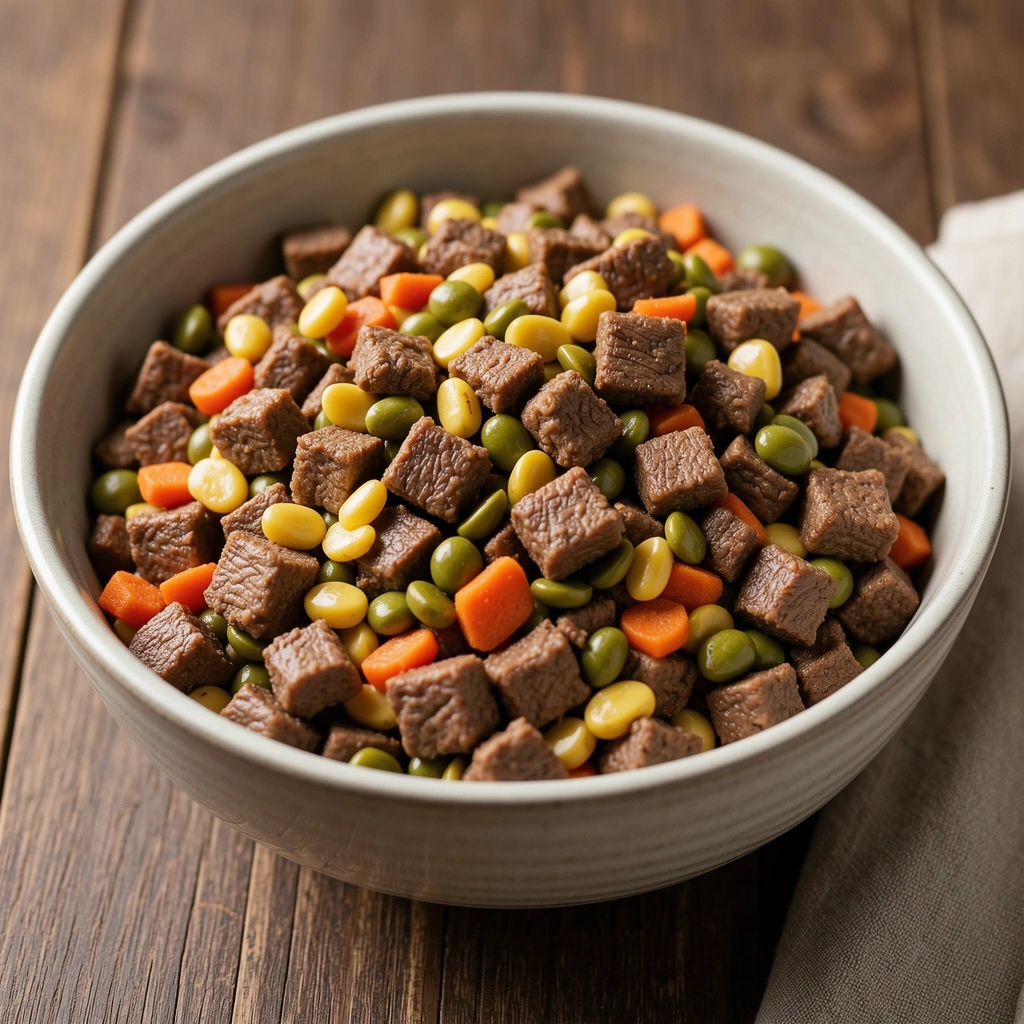
When it comes to feeding our dogs, nothing beats knowing exactly what’s in their bowl. I’ve spent years researching dog nutrition and testing recipes to offer the best, most accurate advice on homemade meals that keep pups happy and healthy. Today, I’m sharing a grain free beef lamb dog food recipe that’s packed with protein and nutrient-rich ingredients.
So, what makes grain free beef lamb dog food a great choice? Grain free recipes omit common grains like wheat, corn, and soy, which some dogs find hard to digest or are allergic to. This recipe features high-quality beef and lamb, providing essential proteins and amino acids for muscle health, energy, and vitality. It’s balanced with vegetables and supplements to ensure your dog gets everything they need without fillers.
Stick around as I walk you through why this recipe works, how to make it step-by-step, and tips to customize it for your dog’s unique needs. You’ll also learn about the health benefits of its ingredients and how to transition your dog safely to a grain free diet. Let’s dive right in!
Why Choose Grain Free Beef Lamb Dog Food?
Choosing grain free beef lamb dog food means opting for a diet that’s closer to what your dog’s ancestors might have eaten in the wild. Dogs thrive on protein-rich meals that fuel their muscles and cognitive functions, and beef and lamb are excellent sources of high-quality animal protein. Removing grains can reduce the risk of allergies, improve digestion, and boost overall energy levels.
When you prepare a grain free recipe at home, you control the quality of each ingredient. Most commercial dog foods contain fillers and additives that can cause inflammation or weight gain. By focusing on fresh beef and lamb, plus wholesome veggies, you provide a nutrient-dense meal that supports lean muscle, healthy skin, and a shiny coat.
This approach suits dogs with sensitivities or grain allergies but can benefit any pup looking for a wholesome, natural diet. Whether your dog is active, a senior, or has special nutritional needs, this recipe can be modified easily to match their lifestyle and health.
Understanding Grain Free Dog Food: What Does It Really Mean?
Grain free dog food means the recipe contains no wheat, corn, soy, barley, or other common grains. Instead, carbohydrates usually come from vegetables, legumes, or tubers like sweet potatoes. This is particularly helpful for dogs with grain allergies or intolerances, which can cause symptoms ranging from itchy skin to digestive upset.
The beef and lamb in this recipe provide complete proteins, essential fatty acids, and micronutrients like iron and zinc. These nutrients are vital for energy, immune function, and tissue repair. Additionally, grain free dog food recipes often have fewer carbs and more protein, mimicking a dog’s natural dietary needs.
However, it’s important to remember that ‘grain free’ does not mean ‘carb free.’ Balanced carbohydrate sources like pumpkin or peas help provide fiber and energy without the inflammatory effects of grains. This ensures your dog’s gut health and weight management.
Key Ingredients in Our Grain Free Beef Lamb Recipe
Here’s a breakdown of the main ingredients you’ll need to make this protein-packed bowl:
- Lean ground beef: Rich in protein and iron, supports muscle growth.
- Ground lamb: Contains healthy fats and B vitamins for energy.
- Sweet potatoes: A great grain alternative, high in fiber and beta-carotene.
- Carrots: Provide vitamins A and K for skin and eye health.
- Green beans: Low-calorie fiber source that aids digestion.
- Pumpkin puree: Supports digestion and urinary health.
- Olive oil or fish oil: Adds essential fatty acids for coat shine.
- Calcium supplement (like ground eggshells or bone meal): Supports strong bones.
- Vitamin and mineral supplements: To ensure a complete diet.
These ingredients create a balanced meal that satisfies your dog’s nutritional needs without grains or fillers.
How to Prepare Grain Free Beef Lamb Dog Food at Home
Making this recipe is straightforward and requires minimal cooking skills. Here’s how to do it:
- Cook the meats: In a large skillet, cook the ground beef and lamb over medium heat until browned, making sure to break up the meat into small pieces.
- Add vegetables: Dice sweet potatoes and carrots finely. Steam or boil until soft, then mix with the cooked meat.
- Mix in green beans and pumpkin: Chop green beans finely and add the pumpkin puree.
- Add oils and supplements: Stir in olive or fish oil and sprinkle the calcium and vitamin supplements.
- Cool before serving: Let the mixture cool to room temperature before feeding your dog.
Store leftovers in airtight containers in the fridge for up to 3 days or freeze portions for longer storage.
Health Benefits of Beef and Lamb in Dog Food
Beef and lamb are powerhouse proteins that offer several benefits for dogs:
- High-quality protein: Essential for muscle repair, growth, and maintaining a healthy immune system.
- Rich in iron: Prevents anemia and supports oxygen transport in the blood.
- B vitamins: Support energy metabolism and nervous system function.
- Healthy fats: Lamb provides omega-3 and omega-6 fatty acids which reduce inflammation and promote a glossy coat.
- Palatability: Both meats are highly flavorful, encouraging picky eaters to enjoy their meals.
Incorporating these meats into a grain free diet ensures your dog gets nutrient-dense calories without unnecessary fillers.
Why Sweet Potatoes and Pumpkin Are Ideal Grain Alternatives
Sweet potatoes and pumpkin are excellent sources of complex carbohydrates and fiber, making them perfect substitutes for grains in dog food.
- Sweet potatoes: Loaded with beta-carotene which converts to vitamin A, they support vision and immune health. Their slow-digesting starches provide sustained energy without blood sugar spikes.
- Pumpkin: High in dietary fiber, pumpkin helps regulate digestion and supports urinary tract health. It also contains antioxidants that fight free radicals.
These ingredients contribute to a balanced meal by providing energy, vitamins, and digestive support without the risks associated with grains.
How to Transition Your Dog to a Grain Free Diet Safely
Switching your dog to grain free beef lamb dog food should be done gradually to avoid digestive upset. Here’s a simple plan:
- Start by mixing 25% of the new food with 75% of the old diet.
- Over 7-10 days, slowly increase the new food portion while decreasing the old.
- Watch for signs of intolerance like vomiting, diarrhea, or lethargy.
- If any issues arise, slow down the transition or consult your vet.
This gradual approach allows your dog’s digestive system to adjust comfortably to the new meal.
Customizing the Recipe for Different Dog Needs
Every dog is unique, and this recipe can be adapted based on age, activity level, and health conditions.
- For puppies: Increase protein slightly and add a DHA supplement for brain development.
- For senior dogs: Add joint support supplements like glucosamine and reduce fat content.
- For active dogs: Boost the calories by adding extra healthy fats like coconut oil.
- For dogs with allergies: Ensure you avoid any additional allergens and consider supplements like probiotics.
Consult your vet before making significant changes to ensure your dog’s nutritional requirements are met.
Common Mistakes to Avoid When Feeding Grain Free Dog Food
While grain free diets have many benefits, there are pitfalls to watch out for:
- Lack of balance: Homemade recipes must be balanced with vitamins and minerals to avoid deficiencies.
- Overfeeding protein: Too much protein can strain kidneys in dogs with existing issues.
- Ignoring fat content: Healthy fats are essential, but excess fat can lead to weight gain.
- Sudden diet changes: Abrupt switches can cause upset stomachs and diarrhea.
Being mindful of these factors helps keep your dog healthy and happy on a grain free diet.
Tips for Storing and Serving Homemade Dog Food
Proper storage and serving ensure your homemade meals stay fresh and safe:
- Store portions in airtight containers in the fridge for up to 3 days.
- Freeze extra portions in meal-sized containers for up to 2 months.
- Always serve food at room temperature to prevent digestive issues.
- Use fresh ingredients and avoid preservatives or artificial additives.
This ensures your pup gets fresh, nutritious meals every mealtime.
How Grain Free Beef Lamb Dog Food Supports Overall Canine Wellness
Feeding your dog grain free beef lamb dog food can:
- Improve digestion and reduce allergic reactions.
- Support lean muscle mass and energy levels.
- Promote healthy skin, coat shine, and reduce inflammation.
- Provide balanced nutrition tailored to your dog’s needs.
- Help maintain ideal weight and prevent obesity.
This recipe is not just a meal—it’s a holistic approach to your dog’s lifelong health.
Frequently Asked Questions About Grain Free Beef Lamb Dog Food
Q: Can all dogs eat grain free diets?
A: Most dogs can benefit, especially those with grain allergies or sensitivities. However, some dogs require grains for fiber and energy, so consult your vet.
Q: Is homemade dog food more expensive?
A: It can be more costly upfront but often provides better nutrition and less vet visits long term.
Q: How do I know if my dog is allergic to grains?
A: Common signs include itchy skin, ear infections, and digestive upset. A vet can perform allergy testing.
Q: Can I add supplements to the recipe?
A: Yes, adding omega fatty acids, probiotics, or joint support supplements can enhance health.
Final Thoughts on Grain Free Beef Lamb Dog Food
Grain free beef lamb dog food offers a nutrient-rich, protein-packed option that many dogs find delicious and easy to digest. By preparing your dog’s meals at home, you control the quality and avoid fillers, supporting your pup’s health from the inside out. Whether you’re tackling allergies, boosting energy, or just want to give your dog a wholesome meal, this recipe is a fantastic choice.
Remember, every dog is different, so adjust ingredients and portions to fit your dog’s unique needs. Feed your furry friend well, and you’ll see the benefits in their wagging tail and bright eyes. Grain free beef lamb dog food is truly the protein packed bowl your pup will beg for!
Thank you for reading! I hope this guide helps you create healthy, tasty meals for your dog. If you have any questions or want more recipes, feel free to reach out. Here’s to happy, healthy pups everywhere!