
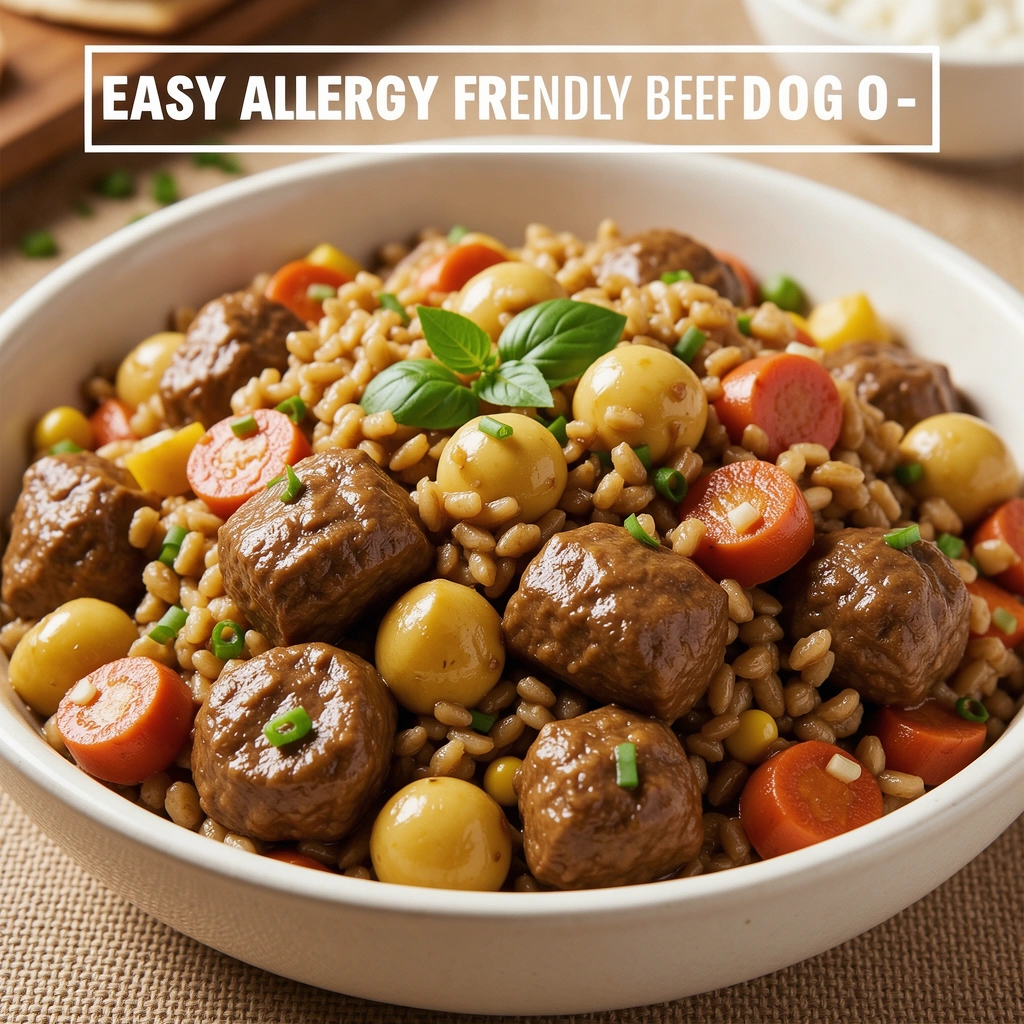
When it comes to caring for our furry friends, their diet plays a huge role in their overall health and happiness. I’ve spent years researching and experimenting with dog food recipes that not only nourish but are safe and gentle for dogs with allergies. You can trust that this guide offers the most accurate and up-to-date information for crafting allergy-friendly meals your dog will love.
So, what makes a beef dog food recipe allergy-friendly? An allergy-friendly beef dog food recipe avoids common allergens like grains, dairy, and artificial additives while using simple, wholesome ingredients. It focuses on real beef as a protein source combined with digestible vegetables and supplements that support your dog’s immune system and digestion.
In this article, you’ll learn everything from why beef is a great choice for allergic dogs to detailed recipes and tips for preparation and storage. Plus, I’ll share insights on ingredient substitutions and how to customize recipes to your dog’s specific needs.
Why Choose Beef for Allergy-Friendly Dog Food?
Beef is often misunderstood when it comes to allergies, but it’s actually a fantastic protein source for many dogs. Unlike chicken or lamb, which are common allergens, beef tends to cause fewer allergic reactions, especially when sourced fresh and minimally processed.
Beef provides an excellent balance of essential amino acids, vitamins like B12 and zinc, and minerals that promote muscle health and immune function. Choosing grass-fed or organic beef can further reduce the risk of additives or hormones that might trigger sensitivities.
For dogs with allergies, the key is to use pure beef without fillers or by-products. This keeps the food clean and easier to digest, which helps reduce inflammation and allergic symptoms. Combining beef with hypoallergenic vegetables and oils creates a well-rounded diet that supports your dog’s overall wellness.
Next up, I’ll walk you through the ingredients you’ll want to gather before cooking your allergy-friendly beef dog food recipe.
Essential Ingredients for Allergy-Friendly Beef Dog Food
Before you start cooking, it’s important to pick ingredients that are safe, nutritious, and easy on your dog’s digestive system. Here’s a quick rundown of what you’ll need:
- Lean ground beef: The star protein, packed with nutrients.
- Sweet potatoes: A great grain-free carbohydrate, rich in fiber and vitamins.
- Green beans: Low-calorie veggies that add crunch and antioxidants.
- Carrots: Provide beta-carotene and support eye health.
- Olive oil or fish oil: Healthy fats for skin and coat.
- Pumpkin puree: Helps with digestion and soothes the gut.
- Calcium supplement: Bone health is crucial; crushed eggshells or commercial supplements work well.
- Parsley or turmeric (optional): Anti-inflammatory and breath-freshening benefits.
Avoid grains such as corn, wheat, and soy, as these are common allergens. Also, steer clear of dairy and artificial additives to keep the recipe truly allergy-friendly.
With these ingredients ready, let’s dive into the recipe itself.
Allergy-Friendly Beef Dog Food Recipe: Step-by-Step Guide
This recipe is straightforward and designed to fit into your busy life while giving your dog a wholesome meal.
Ingredients:
- 2 pounds lean ground beef
- 1 cup cooked sweet potatoes (mashed)
- 1/2 cup chopped green beans
- 1/2 cup shredded carrots
- 2 tablespoons olive oil or fish oil
- 1/4 cup pumpkin puree
- 1 teaspoon calcium supplement (crushed eggshells or powder)
- 1/2 teaspoon turmeric (optional)
- Fresh parsley for garnish (optional)
Instructions:
- Cook the beef: In a large skillet over medium heat, cook the ground beef until fully browned. Drain excess fat if necessary.
- Prepare veggies: Steam the green beans and carrots until tender but not mushy.
- Mix ingredients: In a big mixing bowl, combine the cooked beef, mashed sweet potatoes, steamed veggies, pumpkin puree, and olive oil. Stir well.
- Add supplements: Sprinkle in the calcium supplement and turmeric, then mix thoroughly.
- Cool and serve: Let the mixture cool completely before serving to your dog. Portion out meals according to your dog’s size and caloric needs.
- Store leftovers: Keep unused portions in airtight containers in the refrigerator for up to 4 days or freeze for longer storage.
This recipe balances protein, carbs, and essential nutrients while avoiding common allergens. It’s easy to digest and supports a shiny coat, healthy joints, and a happy tummy.
Next, let’s look at some tips and tricks to customize this recipe if your dog has other dietary sensitivities.
Customizing the Recipe for Specific Allergies
Every dog’s allergy profile is unique, so customization is key. Here are some common substitutions and additions:
- Beef allergy: Use turkey or venison as alternatives — both are lean and hypoallergenic.
- Vegetable substitutions: Swap green beans for zucchini or peas if your dog dislikes or reacts to green beans.
- Fat sources: If olive oil or fish oil is not tolerated, coconut oil is a good alternative for skin and coat health.
- Calcium sources: Bone meal powder or commercial dog-safe calcium supplements can replace eggshells.
- Add probiotics: Incorporate plain canned pumpkin or yogurt (if tolerated) to support gut health.
Always introduce new ingredients slowly and monitor your dog for any reactions. Consulting your vet before making major changes is a smart move, especially for dogs with severe allergies or medical conditions.
Moving on, I’ll share some important tips on cooking and storing homemade dog food safely.
Cooking and Storage Tips for Homemade Dog Food
Homemade dog food is fantastic, but it requires care to keep your pet safe and healthy.
- Cook meat thoroughly: Raw or undercooked meat can harbor bacteria. Ensure beef is fully cooked.
- Steam or boil veggies: This makes them easier to digest and kills off any harmful bacteria.
- Avoid seasoning: No salt, garlic, onions, or spices that can harm dogs.
- Portion control: Feed your dog according to their weight and activity level to prevent obesity.
- Storage:
- Refrigerate leftovers in airtight containers for up to 4 days.
- Freeze portions for up to 3 months; thaw in the fridge before serving.
- Hygiene: Wash hands, utensils, and surfaces thoroughly after preparation.
- Observe your dog: Watch for any signs of digestive upset or allergic reaction after new meals.
Following these tips ensures your homemade dog food is delicious, nutritious, and safe.
Next, let’s explore the health benefits this beef dog food recipe offers.
Health Benefits of the Allergy-Friendly Beef Dog Food
This recipe is more than just a meal; it’s a health booster for your dog. Here’s why it works:
- Reduced allergy symptoms: Using limited ingredients lowers the risk of allergic reactions.
- Improved digestion: Pumpkin and sweet potatoes provide fiber that promotes gut health.
- Healthy skin and coat: Omega fatty acids from fish or olive oil nourish the skin and give a shiny coat.
- Strong muscles and bones: Beef is rich in protein and essential minerals like zinc and iron.
- Anti-inflammatory properties: Turmeric and parsley help reduce joint pain and inflammation.
- Energy support: Complex carbs from sweet potatoes offer sustained energy without blood sugar spikes.
Feeding your dog this recipe regularly can improve their overall vitality, reduce itching and digestive issues, and enhance their quality of life.
Next, I’ll discuss how this recipe fits into different dog lifestyles and needs.
Adapting the Recipe for Different Dog Breeds and Life Stages
Dogs vary widely in size, breed, and energy levels, so adjusting this recipe is important.
- Puppies: Increase protein slightly and consult a vet about adding DHA for brain development.
- Adult dogs: Follow the recipe as is, adjusting portion sizes based on activity.
- Senior dogs: Reduce fat slightly and add joint-supporting supplements like glucosamine.
- Small breeds: Serve smaller portions and consider chopping ingredients finely.
- Large breeds: Ensure adequate calcium for bone health; larger portions are necessary.
- Active dogs: Add extra carbs or proteins for energy.
Remember, always tailor feeding amounts and supplements to your dog’s individual health and lifestyle.
Next up, I’ll cover some frequently asked questions about allergy-friendly beef dog food.
Frequently Asked Questions About Allergy-Friendly Beef Dog Food
Q: Can I feed my dog raw beef for allergies?
A: Raw feeding can be risky due to bacteria. If you choose raw, consult a vet and use safe handling practices.
Q: How do I know if my dog is allergic to beef?
A: Symptoms include itching, ear infections, digestive upset, or hair loss. An elimination diet under vet guidance can help identify allergens.
Q: Can I add fruits to this recipe?
A: Yes, small amounts of dog-safe fruits like blueberries or apples (without seeds) add antioxidants.
Q: How often should I feed homemade dog food?
A: You can feed exclusively or mix with commercial food. Gradual transitions prevent upset stomachs.
Q: What if my dog refuses the food?
A: Try warming the food slightly or mixing in a small amount of wet dog food to entice eating.
Next, I’ll share a quick shopping list and meal prep tips to make your cooking easier.
Shopping List and Meal Prep Tips for Allergy-Friendly Beef Dog Food
Shopping List:
- Lean ground beef (grass-fed preferred)
- Sweet potatoes
- Fresh green beans
- Carrots
- Olive oil or fish oil
- Canned pumpkin puree (100% pumpkin)
- Calcium supplement (eggshells or powder)
- Fresh parsley and turmeric (optional)
Meal Prep Tips:
- Cook in bulk to save time, then freeze in individual portions.
- Use silicone muffin trays for perfectly portioned servings.
- Label containers with dates to track freshness.
- Rotate veggies weekly to add variety and nutrients.
- Keep a feeding journal to monitor your dog’s reaction to new meals.
With these tips, making allergy-friendly dog food becomes hassle-free and enjoyable.
Conclusion
Easy allergy-friendly beef dog food recipes are a fantastic way to provide your dog with wholesome, safe nutrition. By using simple, high-quality ingredients like lean beef, sweet potatoes, and veggies, you can reduce allergy symptoms and support your dog’s health. Plus, customizing these recipes ensures they suit your dog’s unique needs.
I hope this guide gives you the confidence and tools to start making nutritious meals your dog will enjoy. Remember, feeding your pet well is one of the best ways to show your love and care. Give this recipe a try and watch your dog thrive!
Now that you know how to make allergy-friendly beef dog food, why not start your homemade cooking journey today? Your dog’s tummy (and tail!) will thank you.