
Hey friends, ever wondered if quinoa dog food is a smart choice for your pup? I’m here to share the most accurate and up-to-date info on this trending ingredient. With years of experience in pet nutrition, I’ve gathered the facts you need to make informed decisions for your dog’s health.
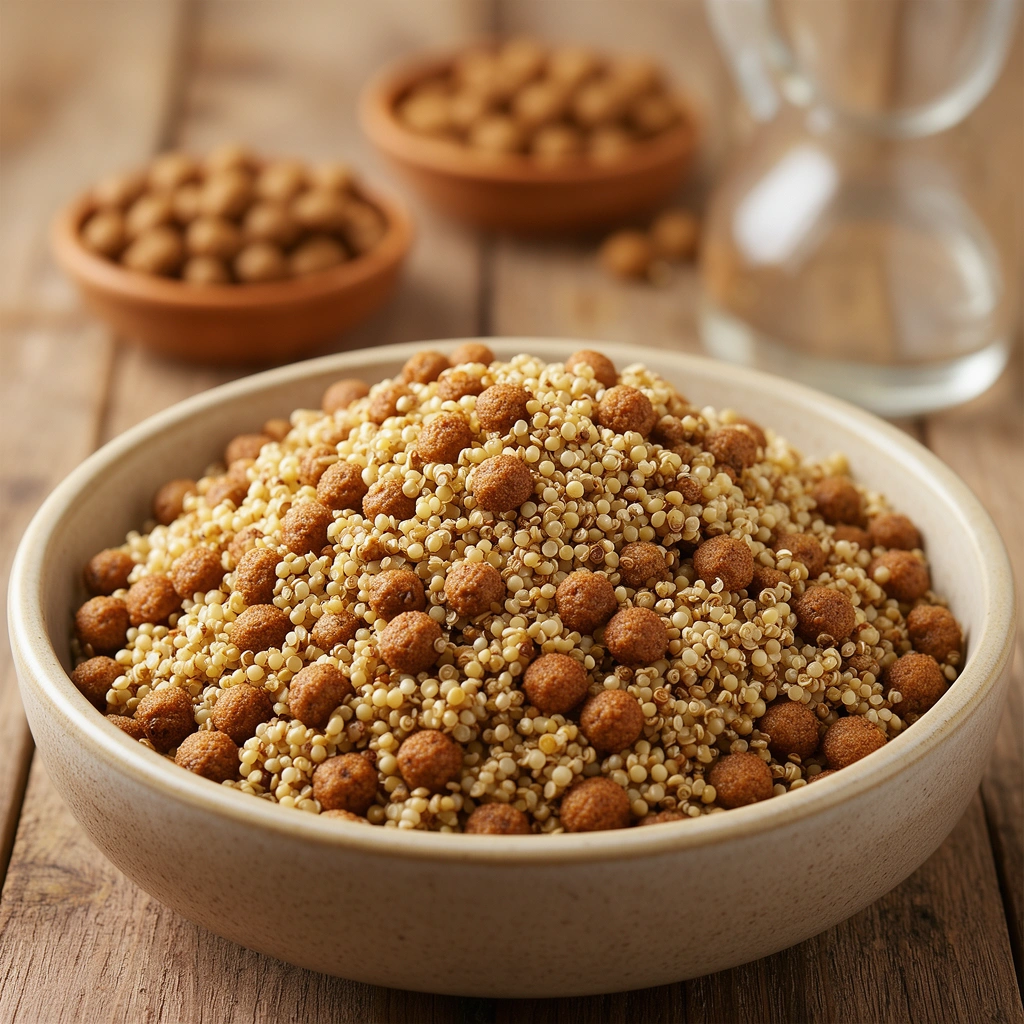
So, what exactly is quinoa dog food? Quinoa dog food contains quinoa, a nutrient-rich seed often used as a grain substitute in dog meals. It’s gluten-free, packed with protein, fiber, vitamins, and minerals, making it a wholesome option for many dogs, especially those with allergies or sensitivities to grains. Quinoa supports digestion, energy levels, and overall vitality in dogs.
In this article, you’ll discover the benefits, potential risks, recipes, and tips for feeding quinoa safely to your dog. Let’s dive into everything you need to know to improve your dog’s diet with quinoa.
What Is Quinoa and Why Use It in Dog Food?
Quinoa is a seed originating from South America, often labeled a “superfood” due to its impressive nutritional profile. Unlike many grains, quinoa contains all nine essential amino acids, making it a complete protein source. This makes it a valuable ingredient in dog food, especially for those pups needing high-quality protein without common allergens like wheat or corn.
Using quinoa in dog food is becoming popular because it’s gluten-free, easy to digest, and rich in antioxidants, vitamins B and E, and minerals like iron, magnesium, and zinc. Dogs benefit from these nutrients through improved muscle function, immune support, and healthy skin and coat.
When adding quinoa to your dog’s diet, it’s important to cook it thoroughly to remove saponins, a natural coating that can be bitter or cause stomach upset. Plain, cooked quinoa is safe and nutritious, but avoid flavored or processed quinoa products that may contain harmful additives.
Next, I’ll walk you through the main health benefits of quinoa for dogs and how to introduce it properly.
Nutritional Benefits of Quinoa for Dogs
Quinoa offers a balanced mix of nutrients that can enhance your dog’s health in several ways:
- Complete Protein: Supports muscle repair and growth.
- High Fiber: Aids digestion and promotes regular bowel movements.
- Vitamins B & E: Boost energy metabolism and protect cells from damage.
- Minerals (Iron, Magnesium, Zinc): Support oxygen transport, bone health, and immune function.
- Antioxidants: Help reduce inflammation and oxidative stress.
Including quinoa in your dog’s diet can be especially helpful for dogs with allergies to common grains or those with sensitive stomachs. However, always introduce quinoa gradually to monitor for any adverse reactions.
To get the most from quinoa, pair it with lean proteins and fresh vegetables, creating a well-rounded meal. This approach mimics a balanced homemade dog food recipe, tailored to your pup’s needs.
Let’s explore practical tips for selecting quinoa dog food products and homemade recipes next.
Choosing the Right Quinoa Dog Food Products
When shopping for quinoa dog food, keep these tips in mind to ensure quality and safety:
- Check Ingredient Lists: Look for whole quinoa, not quinoa flour or processed forms.
- Avoid Additives: Steer clear of artificial preservatives, flavors, or fillers.
- Consider Grain-Free Options: Many quinoa dog foods cater to grain sensitivities.
- Look for Balanced Formulas: Ensure the product includes complete proteins, fats, and essential nutrients.
- Opt for Reputable Brands: Choose companies with transparent sourcing and quality control.
Quinoa dog food is available as dry kibble, wet food, or as an ingredient in homemade meals. If you prefer homemade, sourcing organic quinoa and pairing it with fresh, dog-safe ingredients is best.
Next, I’ll share some tasty and nutritious quinoa dog food recipes you can try at home.
Homemade Quinoa Dog Food Recipe Ideas
1. Quinoa and Chicken Delight
This recipe combines quinoa’s protein boost with lean chicken for a nutrient-packed meal.
-
Ingredients:
- 1 cup cooked quinoa
- 1 cup cooked, shredded chicken breast
- ½ cup steamed carrots
- ½ cup green beans, chopped
- 1 tbsp olive oil
-
Health Benefits: Rich in protein, fiber, and antioxidants. Supports muscle health and digestion.
-
Tip: Cook quinoa thoroughly and cool before mixing. Introduce in small portions to avoid tummy upset.
This recipe suits dogs of all sizes and breeds, especially those needing a grain-free or low-allergen diet.
2. Quinoa and Sweet Potato Mash
Sweet potatoes add fiber and vitamins, complementing quinoa’s nutrition.
-
Ingredients:
- 1 cup cooked quinoa
- 1 cup cooked, mashed sweet potatoes
- ½ cup peas
- 1 tbsp coconut oil
-
Health Benefits: Supports digestive health and provides antioxidants.
-
Tip: Avoid adding salt or seasoning. Use organic veggies when possible.
Ideal for dogs with sensitive digestion or food allergies.
3. Quinoa and Turkey Stew
Packed with lean protein and veggies, this stew is hearty and healthy.
-
Ingredients:
- 1 cup cooked quinoa
- 1 cup ground turkey (cooked)
- ½ cup chopped zucchini
- ½ cup chopped spinach
-
Health Benefits: Promotes muscle repair and boosts immune function.
-
Tip: Cool stew before serving, and store leftovers in the fridge for up to 3 days.
Great for active dogs needing extra nutrients and hydration.
How to Safely Introduce Quinoa into Your Dog’s Diet
Introducing quinoa should always be gradual:
- Start with a small amount (1-2 teaspoons) mixed with your dog’s regular food.
- Observe for any signs of allergies or digestive upset (vomiting, diarrhea, itching).
- Increase the portion slowly over 1-2 weeks to the desired amount.
- Ensure quinoa is fully cooked and rinsed to remove bitter saponins.
If your dog shows adverse reactions, discontinue quinoa and consult a vet. Remember, not all dogs will benefit equally—some may prefer other grain alternatives.
Common Myths and Misconceptions About Quinoa Dog Food
Let’s clear up some confusion:
-
Myth: Quinoa is a grain
Fact: Quinoa is a seed but is often used like a grain in cooking. -
Myth: Quinoa is always hypoallergenic
Fact: While less allergenic than wheat or corn, some dogs may still react. -
Myth: Raw quinoa is safe for dogs
Fact: Raw quinoa contains saponins that can irritate dogs. Always cook quinoa. -
Myth: Quinoa alone can replace a complete dog food
Fact: Quinoa is nutritious but should be part of a balanced diet with proteins and fats.
Understanding these facts helps you make smarter choices for your pet’s nutrition.
Quinoa Dog Food for Different Dog Breeds and Life Stages
Quinoa can be adapted to meet the needs of various dogs:
- Puppies: Use quinoa as a supplement to high-protein puppy food to support growth.
- Adult Dogs: Adds fiber and antioxidants to maintain overall health.
- Senior Dogs: Easy-to-digest quinoa supports aging digestive systems.
- Small Breeds: Smaller portions of quinoa with lean proteins prevent weight gain.
- Large Breeds: Quinoa provides sustained energy and supports joint health with added veggies.
Always tailor portion sizes to your dog’s age, weight, and activity level for optimal benefits.
Potential Risks and Allergies Related to Quinoa Dog Food
Even though quinoa is generally safe, be aware of:
- Allergic Reactions: Rare but possible; watch for itching, swelling, or digestive upset.
- Saponins: These natural compounds must be removed by rinsing and cooking.
- Overfeeding: High fiber can cause gas or diarrhea if fed excessively.
- Additives in Processed Products: Some commercial quinoa dog foods may contain fillers or preservatives.
Consult your veterinarian before making major diet changes, especially if your dog has pre-existing health conditions.
How to Store Quinoa Dog Food and Homemade Meals
Proper storage keeps quinoa meals fresh and safe:
- Dry Quinoa: Store in airtight containers in a cool, dark place.
- Cooked Quinoa: Refrigerate promptly in sealed containers; use within 3-5 days.
- Homemade Meals: Freeze in portions for up to 3 months to maintain nutrients.
- Avoid: Leaving cooked quinoa at room temperature for extended periods to prevent bacteria growth.
Keeping food fresh ensures your dog enjoys maximum nutrition and taste.
Quinoa Dog Food FAQs
Q: Can all dogs eat quinoa?
A: Most dogs can safely enjoy quinoa, but always introduce it slowly and monitor for allergies.
Q: How much quinoa should I feed my dog?
A: Start with small amounts (1-2 teaspoons) and adjust based on size and tolerance.
Q: Is quinoa better than rice for dogs?
A: Quinoa offers more protein and nutrients than white rice but both can be part of a balanced diet.
Q: Can quinoa cause diarrhea in dogs?
A: If fed in excess or if your dog is sensitive, quinoa may cause digestive upset.
Final Thoughts on Quinoa Dog Food
Quinoa dog food is a fantastic option for adding nutritious variety to your dog’s meals. Its high protein content, fiber, and vitamins support many aspects of canine health, especially for dogs with grain sensitivities or allergies. By introducing quinoa carefully and pairing it with balanced ingredients, you can create wholesome homemade meals or choose high-quality commercial foods featuring quinoa.
Remember, every dog is unique—monitor how your furry friend responds and adjust accordingly. With proper preparation and portion control, quinoa can become a valuable part of your dog’s diet, enhancing their vitality and happiness.
So next time you consider a new ingredient for your dog, think quinoa dog food—it’s a smart, healthy choice worth trying!