
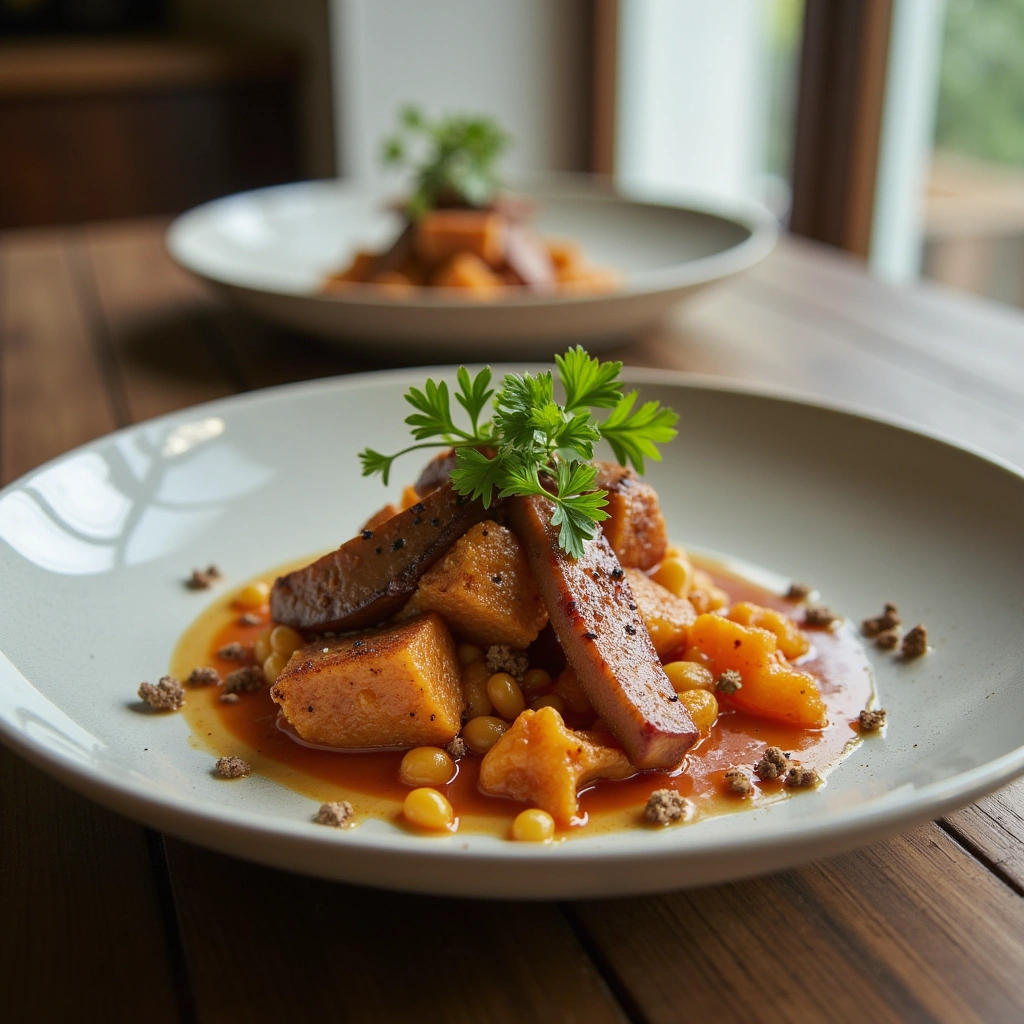
When it comes to caring for our furry friends, especially those struggling with skin allergies, I understand how overwhelming it can be to find the right diet that soothes their discomfort. With years of experience in canine nutrition and health, I’m here to guide you through the best homemade dog food recipes tailored specifically for dogs with skin allergies. You can trust that the information provided is thoroughly researched and designed to give your dog relief and improve their overall wellbeing.
So, what are the best homemade dog food recipes for skin allergies? These recipes focus on limited ingredients, novel proteins, and skin-friendly nutrients that reduce allergic reactions and boost skin health. Each recipe includes wholesome ingredients like sweet potatoes, salmon, and antioxidants that help soothe your dog’s irritated skin and strengthen their immune system. Feeding these meals regularly can make a significant difference in your dog’s comfort and coat quality.
Stick around because I’m going to share not just recipes but also insights into why these ingredients work, how to prepare the meals safely, and practical tips to make homemade dog food a breeze. Let’s dive into these nourishing recipes that your dog will love and benefit from!
Why Homemade Dog Food is a Game Changer for Dogs with Skin Allergies
Feeding your dog homemade meals isn’t just about control over ingredients—it’s about healing from the inside out. Dogs with skin allergies often react to common proteins or additives in commercial dog foods. By preparing meals at home, you can avoid allergens like beef, dairy, or wheat, and instead provide balanced nutrition that supports skin repair and reduces inflammation.
When you cook for your dog, you can tailor the diet to include novel protein sources such as duck, lamb, or fish, which are less likely to trigger allergic reactions. Plus, adding omega-3 fatty acids, antioxidants, and vitamins like vitamin E and zinc can help soothe itchy skin and promote a healthy coat. Homemade diets allow you to exclude fillers and preservatives that might worsen your dog’s symptoms.
Before we get to the recipes, remember that every dog is unique. It’s crucial to consult your vet before making major dietary changes, especially if your dog has severe allergies or other health issues. Now, let’s explore four effective homemade dog food recipes that can help your dog’s skin heal and thrive.
Salmon and Sweet Potato Delight: Omega-3 Rich Anti-Inflammatory Meal
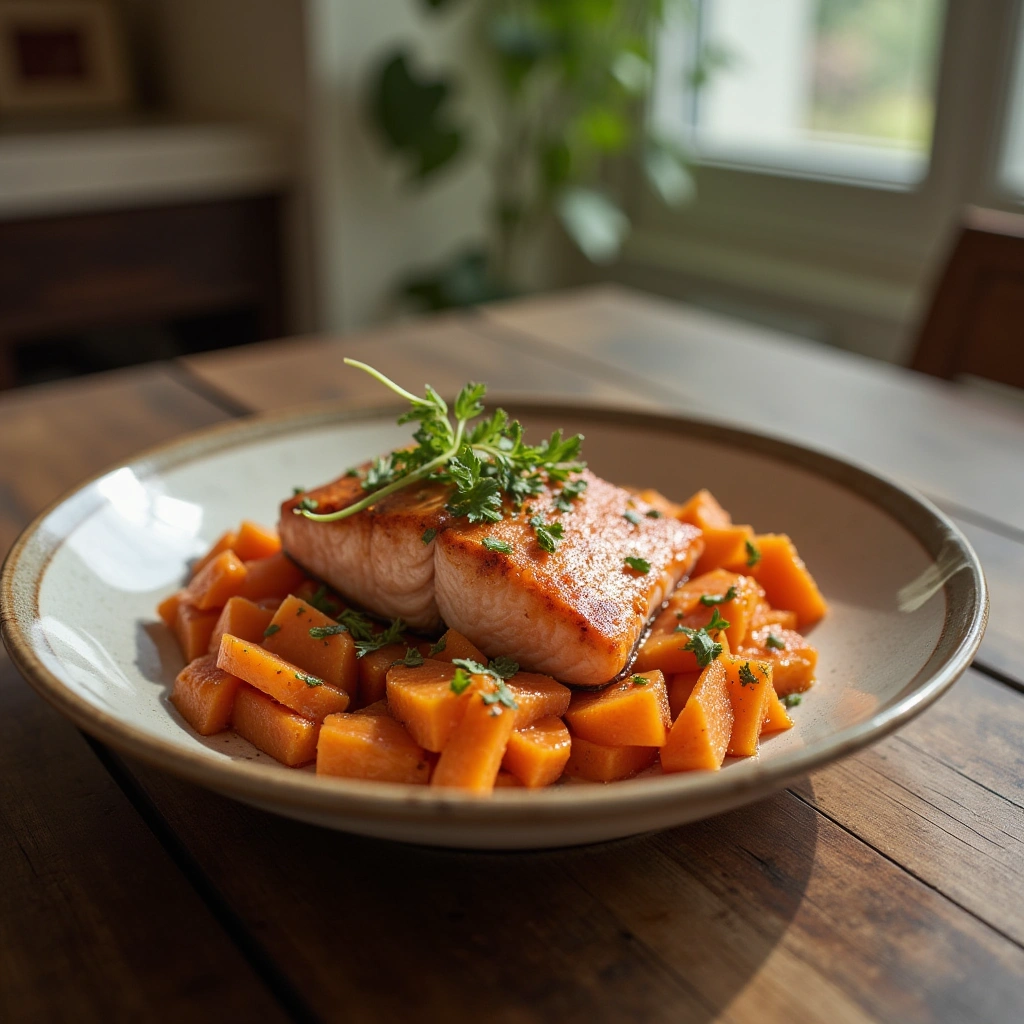
This recipe works wonders because salmon is packed with omega-3 fatty acids, which are natural anti-inflammatories known to improve skin condition and reduce itching. Sweet potatoes provide a gentle source of carbohydrates and fiber, plus beta-carotene, a skin-friendly antioxidant.
Why This Recipe Works
Salmon’s EPA and DHA fatty acids help calm allergic reactions and improve coat shine. Sweet potatoes are hypoallergenic and easy to digest, making them ideal for sensitive dogs. Including a small amount of pumpkin boosts digestion and adds vitamins A and C, which aid skin repair.
Ingredients
- 1 cup cooked salmon (boneless, skinless)
- 1 cup cooked sweet potato (mashed)
- 1/4 cup cooked pumpkin puree
- 1/4 cup steamed green beans (chopped)
- 1 teaspoon fish oil (optional for extra omega-3)
Practical Tips
Use wild-caught salmon to avoid contaminants. Always remove all bones to prevent choking. Cook vegetables until soft for easy digestion. Introduce fish oil gradually to avoid stomach upset.
Benefits for Your Dog
This meal supports skin barrier repair and reduces inflammation, making it a top choice for dogs prone to allergies. It’s also tasty and nutrient-dense, ensuring your dog enjoys every bite.
Next, we’ll look at a novel protein recipe with duck that’s gentle on sensitive stomachs.
Duck and Quinoa Bowl: Novel Protein for Allergy Relief
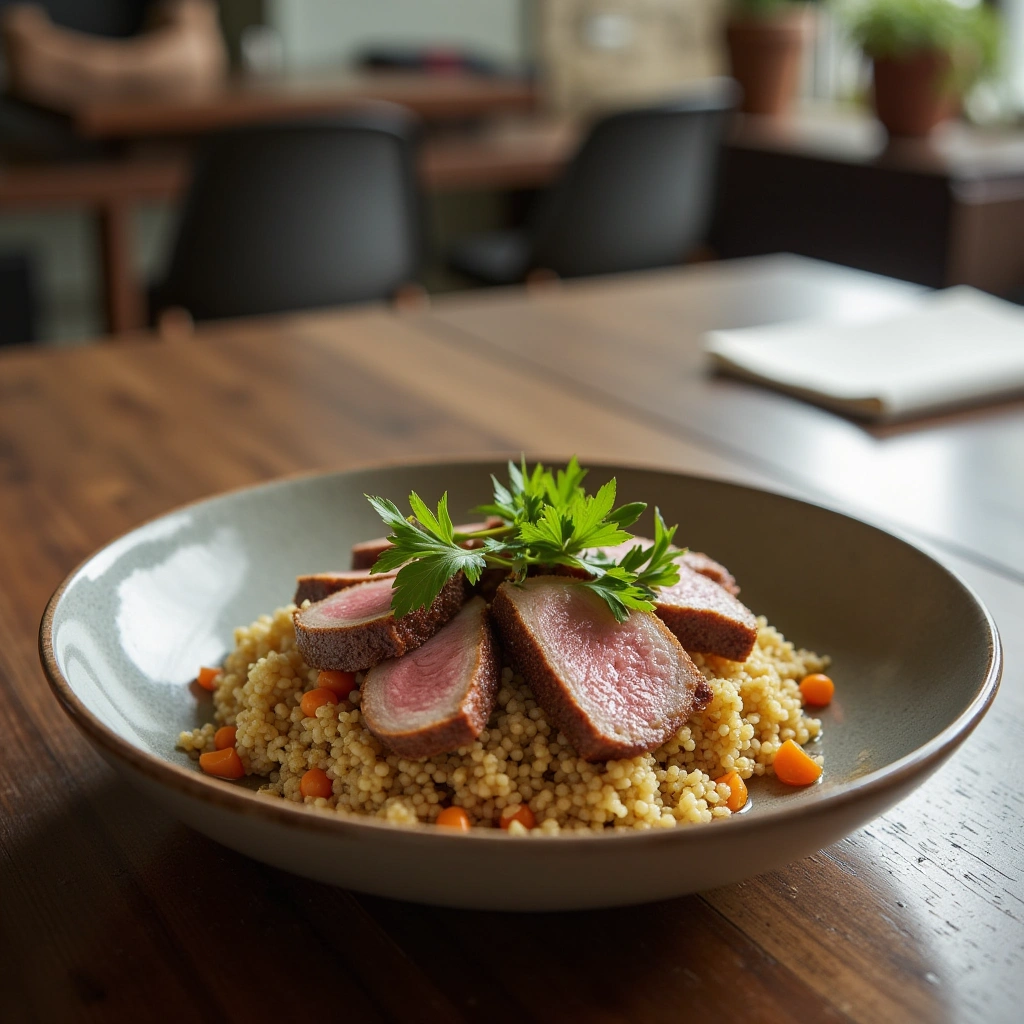
If your dog reacts to common proteins like chicken or beef, duck offers a novel alternative that’s less likely to cause flare-ups. Pairing duck with quinoa, a gluten-free grain, provides a balanced meal rich in protein and fiber without common allergens.
Why This Recipe Works
Duck is rich in iron and B vitamins needed for skin regeneration, while quinoa delivers essential amino acids and helps maintain healthy gut flora. A balanced gut supports immune health, which is crucial for managing allergies.
Ingredients
- 1 cup cooked duck meat (skin removed)
- 1/2 cup cooked quinoa
- 1/2 cup steamed carrots (finely chopped)
- 1 tablespoon coconut oil (for skin hydration)
- 1 teaspoon ground turmeric (anti-inflammatory)
Practical Tips
Trim excess fat from duck to avoid digestive upset. Rinse quinoa thoroughly before cooking to remove saponins, which can irritate the stomach. Mix turmeric with coconut oil to improve absorption.
Benefits for Your Dog
This meal’s novel protein and anti-inflammatory ingredients help reduce allergic symptoms and support skin healing. Quinoa also adds fiber that improves digestion, often compromised in allergic dogs.
Let’s move on to a recipe featuring lamb, a hypoallergenic protein combined with skin-supportive veggies.
Lamb and Pumpkin Medley: Gentle Protein with Skin-Soothing Nutrients
Lamb is one of the least allergenic meat options and pairs perfectly with pumpkin, which is rich in antioxidants and fiber. This combination helps calm inflammation and supports digestive health, decreasing skin irritations caused by allergies.
Why This Recipe Works
Lamb provides essential amino acids necessary for skin cell repair. Pumpkin’s high vitamin A content promotes skin health and reduces inflammation. Adding spinach adds iron and antioxidants to further support skin recovery.
Ingredients
- 1 cup cooked ground lamb
- 1/2 cup cooked pumpkin puree
- 1/4 cup steamed spinach (finely chopped)
- 1/4 cup cooked brown rice
- 1 teaspoon olive oil (skin moisturizing)
Practical Tips
Choose grass-fed lamb for higher nutrient content. Avoid seasoning the meat to keep it allergy-friendly. Cook rice well to avoid hard-to-digest starches.
Benefits for Your Dog
This meal’s balanced nutrients soothe inflamed skin and support immune function. It’s a comforting, wholesome option for dogs with food sensitivities.
Next, we’ll explore a vegetarian-inspired recipe that’s perfect for dogs with multiple protein allergies.
Sweet Potato and Lentil Stew: Plant-Based Powerhouse for Sensitive Skin
For dogs allergic to multiple proteins, a well-balanced vegetarian recipe can be ideal. Lentils provide a rich source of plant-based protein and fiber, while sweet potatoes and carrots supply antioxidants and vitamins essential for skin health.
Why This Recipe Works
Lentils contain biotin and folate, vitamins that help skin cell regeneration. Sweet potatoes are rich in beta-carotene, and carrots add vitamin A, both crucial for skin repair. Coconut oil adds moisturizing fatty acids.
Ingredients
- 1 cup cooked lentils
- 1 cup cooked sweet potatoes (diced)
- 1/2 cup steamed carrots (diced)
- 1 teaspoon coconut oil
- 1/4 cup chopped parsley (for fresh breath and antioxidants)
Practical Tips
Rinse lentils thoroughly to reduce gas-causing compounds. Cook lentils until soft to aid digestion. Introduce coconut oil slowly to prevent diarrhea.
Benefits for Your Dog
This plant-based recipe is gentle on the stomach and provides essential nutrients that promote skin healing and reduce itchiness. It’s a great hypoallergenic alternative for dogs with multiple food sensitivities.
Key Ingredients to Look for in Skin Allergy Dog Food
Before wrapping up, let’s highlight some key ingredients that consistently support dogs with skin allergies:
- Omega-3 Fatty Acids: Found in fish oil, salmon, and flaxseed; reduce inflammation and promote healthy skin.
- Novel Proteins: Duck, lamb, venison to avoid common allergens.
- Antioxidants: Vitamins A, C, and E from pumpkin, carrots, spinach help repair skin damage.
- Low-Allergen Carbohydrates: Sweet potatoes, quinoa, brown rice support digestion without triggering allergies.
- Healthy Fats: Coconut oil, olive oil moisturize skin and improve coat luster.
Avoid common allergens like beef, dairy, wheat, corn, and soy, which often worsen skin conditions.
Practical Tips for Feeding Homemade Dog Food Safely
- Consult Your Vet: Always discuss dietary changes to ensure nutritional balance.
- Gradual Transition: Introduce new meals slowly over 7-10 days to avoid upset stomach.
- Portion Control: Feed appropriate amounts based on your dog’s weight and energy level.
- Avoid Seasonings: Salt, garlic, onion, and spices can be harmful.
- Balanced Nutrition: Include protein, carbs, fats, vitamins, and minerals to meet all dietary needs.
- Storage: Prepare fresh meals or freeze portions to maintain freshness and prevent spoilage.
In Summary
Feeding your dog homemade dog food for skin allergies can be a transformative approach to managing their discomfort and improving their quality of life. Recipes like Salmon and Sweet Potato Delight, Duck and Quinoa Bowl, Lamb and Pumpkin Medley, and Sweet Potato and Lentil Stew provide balanced, skin-friendly nutrition that helps soothe irritation and promote healing. By focusing on novel proteins, antioxidants, and healthy fats, you can reduce allergic reactions and support your dog’s immune system naturally.
Remember, every dog’s needs are different, so work closely with your vet to tailor these recipes to your pup’s specific condition. With patience and care, homemade meals can become a powerful tool in your dog’s allergy management toolkit. Here’s to happy, healthy skin and wagging tails!
Thank you for reading my guide on homemade dog food recipes for skin allergies. If you try any of these recipes, let me know how your dog responds. Feel free to share your own tips or questions in the comments below!