
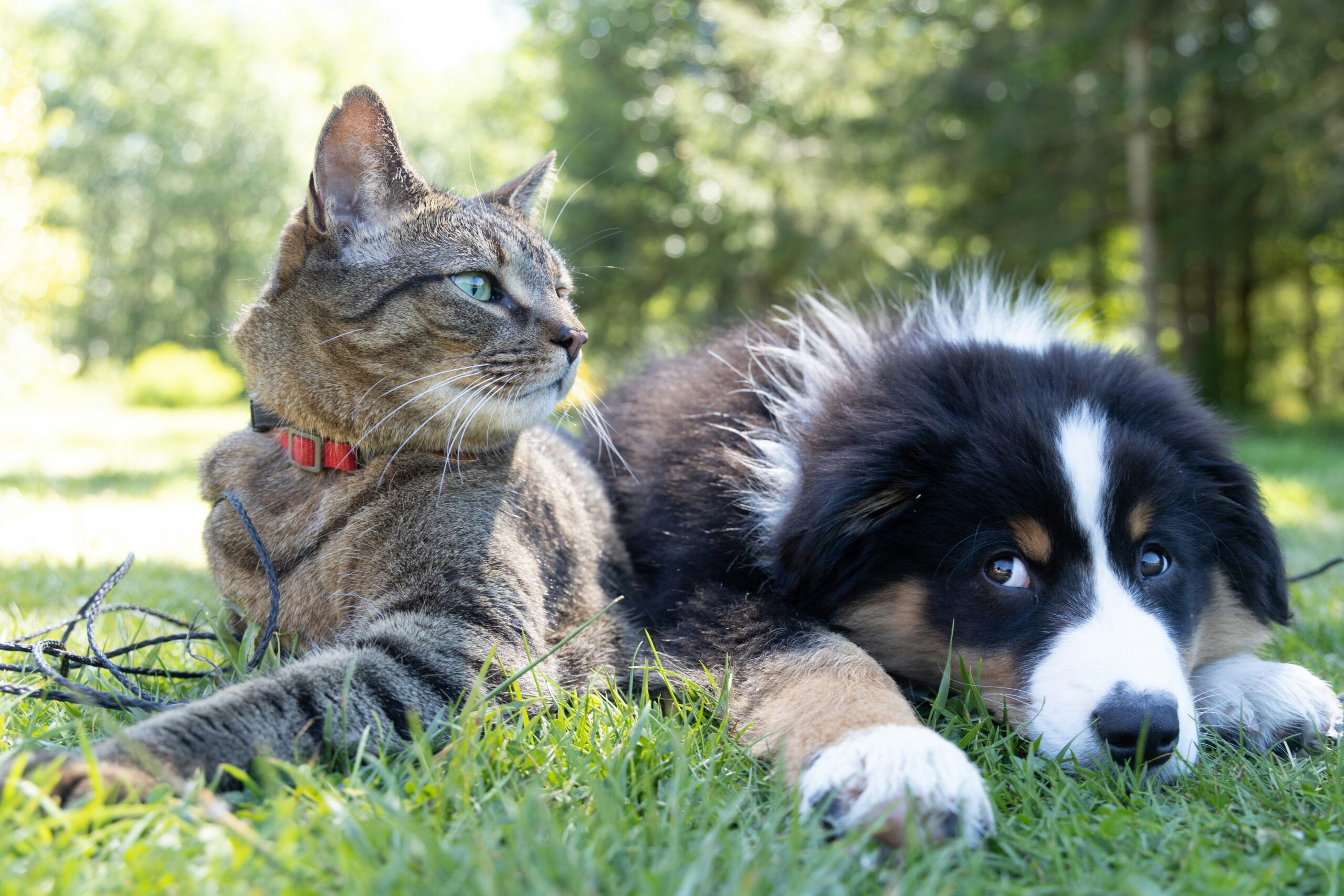
Creating a harmonious environment for both cats and dogs in your home can be a challenge. You may feel overwhelmed wondering how these two beloved pets can cohabitate without constant squabbles or stress. Rest assured, this guide will equip you with effective strategies that can foster peace between your furry companions.
So, how can you help your cats and dogs get along? By implementing gradual introductions, establishing safe spaces, using positive reinforcement, providing separate resources, and maintaining calm environments, you can create a secure and welcoming atmosphere for both pets. These methods, when executed thoughtfully, can significantly improve interspecies relationships and lead to a happier household.
Curious about these strategies? Keep reading, as we delve deeper into each tip to give you a comprehensive understanding of how to bridge the gap between your cats and dogs for a well-balanced home.
Gradual Introductions: Take It Slow
One of the most crucial aspects of helping cats and dogs get along is to introduce them gradually. Instead of thrusting them into each other’s space from day one, start with a slow introduction process. Begin by allowing them to be in separate rooms where they can hear and smell each other without a direct encounter. Over time, you can switch their bedding to include each other’s scent, which helps them get used to one another’s presence.
It is essential to monitor their reactions during these gradual meetings, as some stress is expected but excessive fear or aggression requires immediate intervention. You can also encourage positive experiences with treats to create a favorable association with each other’s presence. This method suits various home styles as the introduction can happen in any designated safe area, whether it’s a cozy living room or a quiet bedroom.
Safe Spaces: Provide Retreats
Cats and dogs often have different social needs and can benefit from having safe spaces in your home. Cats, in particular, appreciate vertical space where they can observe their environment from a distance. Invest in cat trees or shelves that allow them to perch up high, creating a sense of security while they watch their canine peers.
For dogs, consider creating a comfortable den-like space using dog beds or crates, where they can retreat when feeling stressed. By ensuring that each pet has their own designated area, you help them manage stress and anxiety, making it easier for them to coexist within the same space. Tailoring safe spots that suit your home’s style, be it modern or traditional, adds to the aesthetic while catering to your pets’ needs.
Positive Reinforcement: Celebrate Good Behavior
Utilizing positive reinforcement is a game-changing tactic that fosters good behavior between your pets. Every time your dog remains calm around the cat or vice versa, reward them immediately with treats or praise. This approach not only encourages a positive relationship but also builds trust between the two animals.
Training sessions can also be a productive way to reinforce boundaries. Teach commands like “leave it” or “stay,” which help manage encounters between your pets. Remember, it’s crucial to remain patient during this process; change takes time. Using positive reinforcement enhances the bond between you and your pets, making it a suitable method for various living styles, whether you have an open floor plan or a more confined space.
Separate Resources: Avoid Competition
A common source of conflict between cats and dogs often stems from competition over food, toys, or even attention. To minimize conflicts, ensure that each pet has separate resources. This means designated feeding areas, individual litter boxes for the cat, and separate toys to enjoy without competition.
When your pets feel secure in their respective resources, it reduces stress and jealousy. It’s also advisable to create these designated areas in different parts of your home to ensure that each pet has access without encroaching on the other’s territory. By keeping resources separate, you create an inviting environment that allows both pets to thrive comfortably.
Calm Environments: Reduce Stressors
The atmosphere within your home plays a significant role in how well your pets interact. Loud noises and chaotic activities can heighten stress levels, making them more prone to conflicts. To establish a calming environment, consider utilizing soothing practices.
Playing soft music, maintaining a consistent routine, and implementing quiet time are effective methods to reduce stress for both cats and dogs. Regular exercise is also essential – taking your dog for walks and engaging in playtime with your cat can help release pent-up energy, making them calmer at home. Creating a serene space, regardless of your home’s design, fosters a friendly environment conducive to peaceful coexistence.
In summary, facilitating a positive relationship between cats and dogs requires patience, observation, and intentional practices. By following these tips on gradual introductions, safe spaces, positive reinforcement, separate resources, and maintaining calm environments, you can create a home where both pets feel secure and valued.
As you take these steps, keep in mind that your pets’ interactions may take time to improve. Consistency and respect for their unique personalities will pave the way for a harmonious home, creating cherished memories with both your furry friends.