
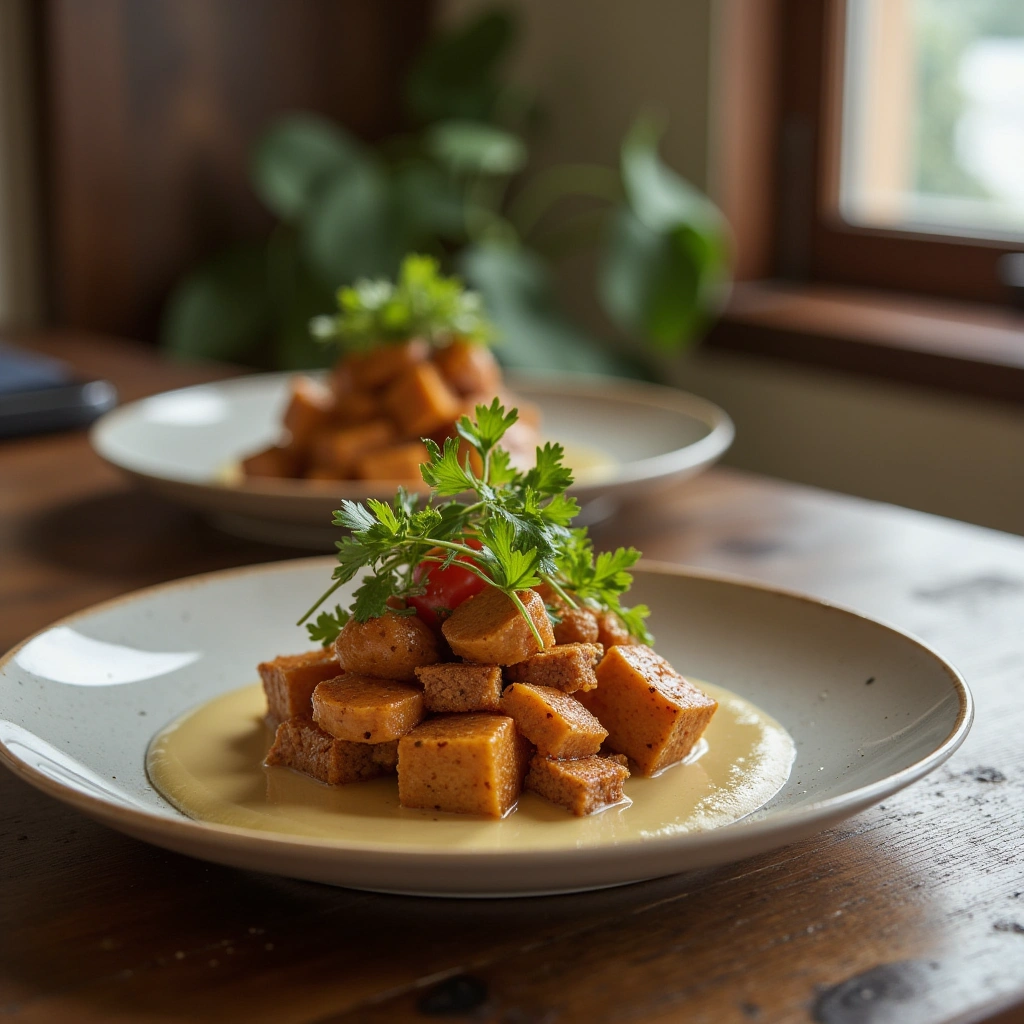
When it comes to homemade dog food and treats, I know how important it is to balance nutrition, quality, and convenience. Over the years, I’ve honed the best strategies to help busy pet parents like you prepare healthy meals without spending hours in the kitchen. This guide is packed with practical and time-saving tips that ensure your dog gets wholesome food and treats every day.
So, what are some of the best ways to save time while prepping homemade dog food and treats? The key lies in smart planning, batch cooking, and using the right tools. By applying these methods, you can streamline your process and reduce daily cooking stress significantly.
Ready to discover easy, effective tips that make homemade dog meals a breeze? Keep reading to learn everything from ingredient selection to storage hacks that will revolutionize your dog’s diet prep.
Why Homemade Dog Food and Treats Are Worth It
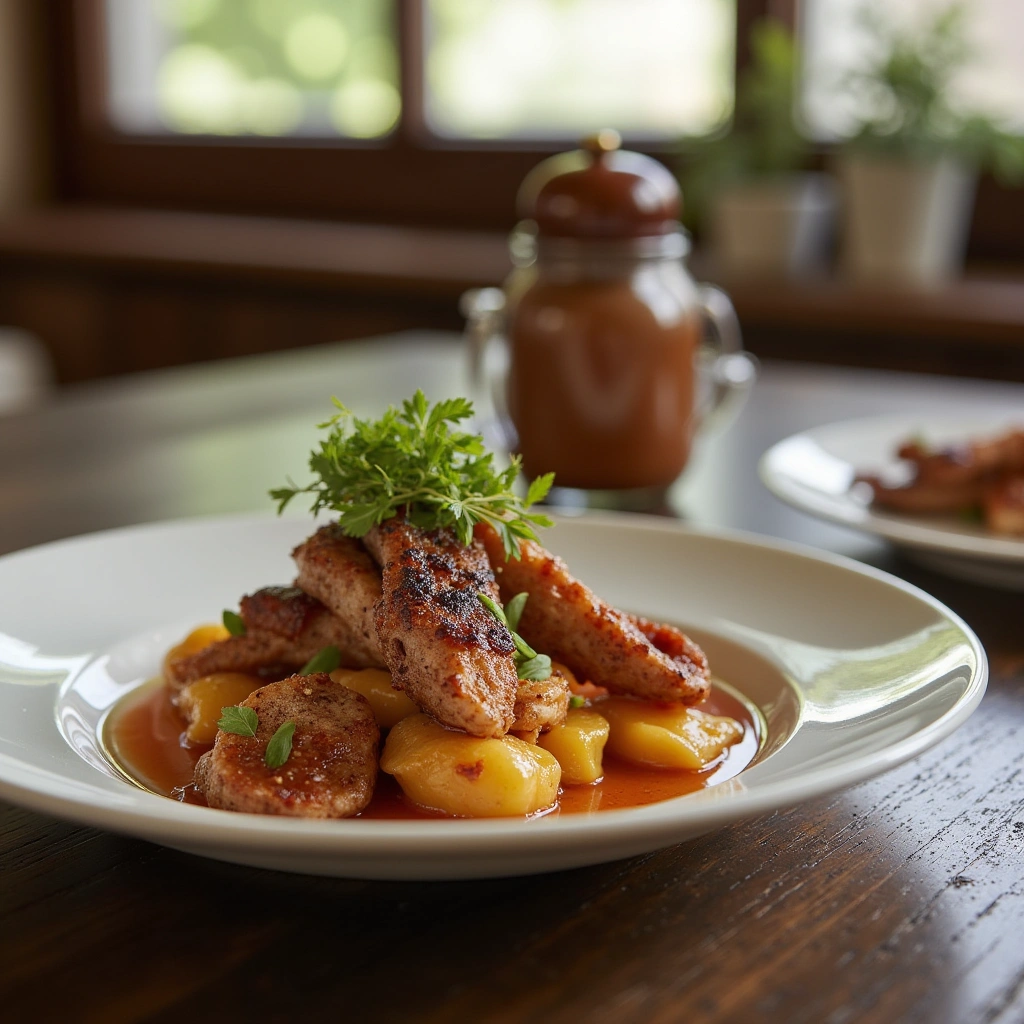
Homemade dog food and treats let you control exactly what your furry friend eats, ensuring fresh, natural ingredients without additives or preservatives. It’s a great way to cater to specific dietary needs, allergies, or preferences. Plus, it often saves money compared to premium commercial options.
That said, making dog food from scratch can feel overwhelming—especially if you’re short on time. That’s why mastering meal prep techniques is essential. With the right approach, you can batch cook and store meals efficiently, freeing up time during your busy week while keeping your dog’s diet balanced and nutritious.
In this article, I’ll walk you through ten practical tips to help you prep homemade dog food and treats faster and easier. These ideas will help you save hours, reduce waste, and keep mealtime exciting for your pup.
1. Plan Your Weekly Menu Ahead of Time
Planning is the foundation of any successful meal prep. Start by outlining your dog’s weekly meals and treats based on their nutritional needs, preferences, and any vet recommendations. Incorporate a balance of proteins, carbs, and veggies to maintain a complete diet.
- Why it works: Having a clear plan helps avoid last-minute decisions and unnecessary trips to the store.
- Tip: Use a simple spreadsheet or meal planner app to organize ingredients and quantities.
- Health benefit: Balanced meal plans ensure your dog gets all essential nutrients consistently.
Planning ahead sets you up for success and makes shopping and prep much more efficient. Next, let’s look at how to pick the right ingredients that save time without compromising quality.
2. Choose Ingredients That Cook Quickly and Store Well
Selecting the right ingredients can drastically cut down cooking time. Lean proteins like ground chicken, turkey, or fish cook faster than whole cuts. Quick-cooking grains such as quinoa, oats, and brown rice are nutritious and easy to prepare in bulk.
- Why it works: Ingredients that cook quickly speed up meal prep and reduce energy use.
- Tip: Pre-chopped frozen veggies are a great time saver and retain nutrients.
- Health benefit: Using fresh, nutrient-dense ingredients supports your dog’s immune system and digestion.
Also, focus on ingredients that freeze well, so you can batch cook and store meals without losing quality. This approach keeps your dog’s meals fresh and ready to serve.
3. Batch Cook and Portion Meals in Advance
Batch cooking is a game-changer for homemade dog food. Prepare large quantities of meals at once, then divide them into portion-sized containers or freezer bags. This way, you only cook once but enjoy ready-to-go meals throughout the week.
- Why it works: Saves daily cooking time and reduces kitchen cleanup.
- Tip: Use airtight containers or vacuum-sealed bags for longer storage and freshness.
- Health benefit: Consistent portion sizes help maintain your dog’s ideal weight and prevent overfeeding.
Batch cooked meals also make it easier to monitor your dog’s intake and adjust recipes as needed. Up next, I’ll share simple techniques to speed up ingredient prep.
4. Use Kitchen Tools That Speed Up Prep
Investing in the right kitchen gadgets can save you tons of time. A food processor or blender quickly chops veggies and purees ingredients, while a slow cooker or Instant Pot can cook meals hands-free.
- Why it works: Tools handle repetitive tasks faster and more efficiently than manual prep.
- Tip: Use silicone spatulas and non-stick pots for easy cleanup.
- Health benefit: Retaining nutrients through gentle cooking methods supports optimal health.
These tools also make experimenting with recipes easier and less intimidating. Now, let’s explore how to make multi-purpose treats that double as meals.
5. Make Treats That Double as Meal Supplements
Create healthy treats that provide added nutrition and can substitute or supplement meals. For example, baked chicken jerky or veggie bites packed with protein and fiber.
- Why it works: Reduces the need to prepare separate snacks and meals.
- Tip: Freeze portions of treats to extend shelf life and have them handy.
- Health benefit: Nutritious treats reinforce training and enrich your dog’s diet.
This tactic saves time and money while offering variety. Next, I’ll explain how to safely store homemade food and treats.
6. Master Proper Storage Techniques
Proper storage keeps homemade dog food safe and fresh longer, preventing spoilage and waste. Use airtight containers and label them with preparation dates.
- Why it works: Extends shelf life and minimizes risk of bacterial growth.
- Tip: Freeze meals for up to 3 months and refrigerate leftovers for up to 3 days.
- Health benefit: Safe storage protects your dog from foodborne illnesses.
Keep a rotation system so you always use the oldest meals first. This simple habit keeps your kitchen organized and your dog’s diet consistent.
7. Prep Ingredients in Bulk and Freeze Separately
Instead of cooking complete meals every time, prep ingredients in bulk and freeze them separately. For example, cook and freeze proteins, grains, and veggies in separate containers.
- Why it works: Allows mixing and matching components for variety without extra cooking.
- Tip: Portion ingredients into meal-sized amounts before freezing.
- Health benefit: Variety supports a balanced diet and prevents boredom.
This modular approach is flexible and keeps your dog interested in mealtime. Now, onto quick recipe ideas you can rotate weekly.
8. Rotate Simple, Balanced Recipes Weekly
Keep a few tried-and-true recipes on hand that are quick to make and nutritionally balanced. Rotating between these reduces decision fatigue and ensures variety.
- Why it works: Streamlines shopping and prep while maintaining nutrient diversity.
- Tip: Include at least one protein, one grain, and a vegetable in each recipe.
- Health benefit: Variety prevents nutrient deficiencies and supports overall health.
I’ll share a couple of quick recipe ideas later to get you started. Let’s first talk about how to get your dog involved in mealtime prep.
9. Involve Your Dog in the Process
Making meal prep interactive can improve your dog’s interest in food and reduce picky eating. Let your dog watch you prepare meals or sniff ingredients.
- Why it works: Engages your dog’s senses and builds positive associations with homemade food.
- Tip: Use mealtime as bonding time by giving small samples of safe ingredients.
- Health benefit: Encourages a healthy appetite and reduces mealtime anxiety.
This tip adds fun to your routine and strengthens your bond. Finally, let’s discuss how to stay consistent with homemade feeding.
10. Establish a Routine and Stick to It
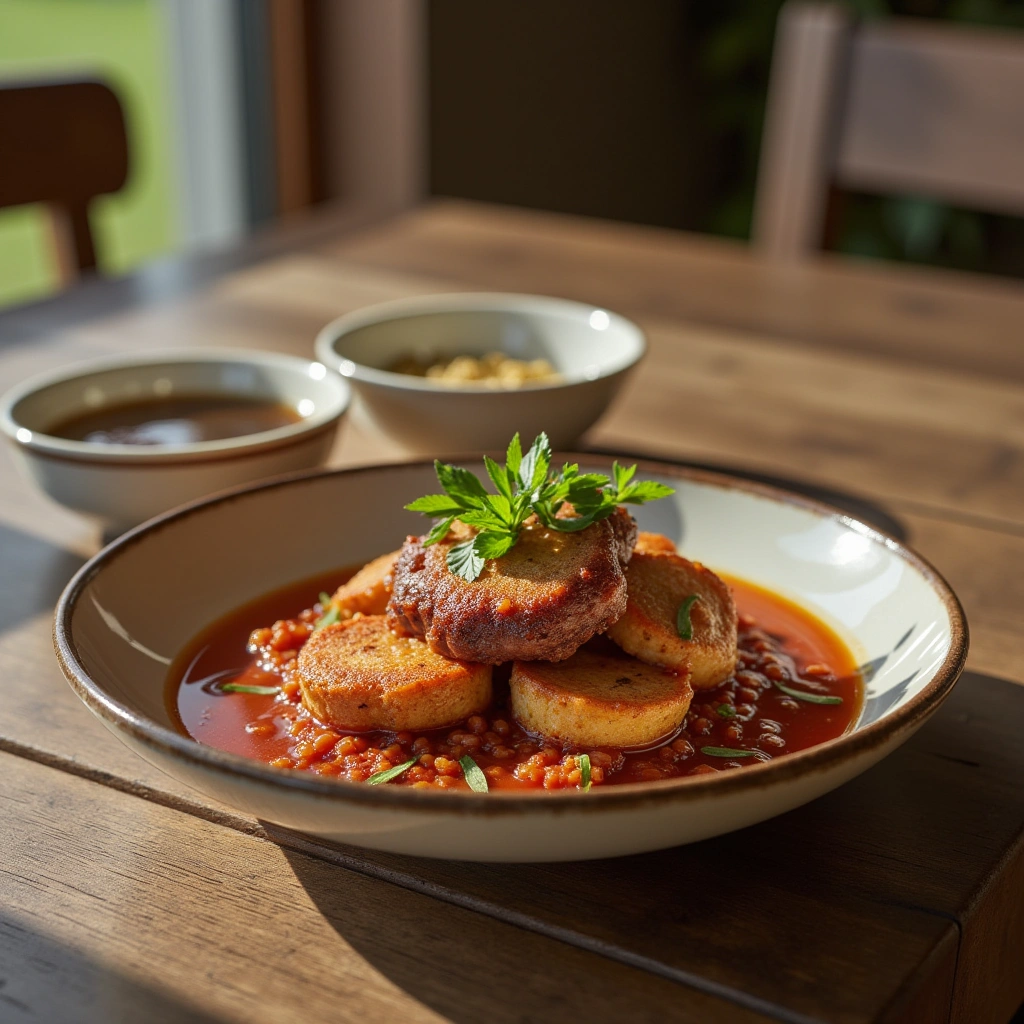
Consistency is key to success with homemade dog food and treats. Set regular prep days and feeding times to build a dependable schedule for you and your dog.
- Why it works: Routines reduce stress and help your dog adjust to new diets.
- Tip: Use reminders or alarms to keep prep and feeding on track.
- Health benefit: Regular feeding supports digestion and metabolism.
With a solid routine, homemade meals become a natural and enjoyable part of your lifestyle.
Wrapping Up Time Saving Meal Prep for Dogs
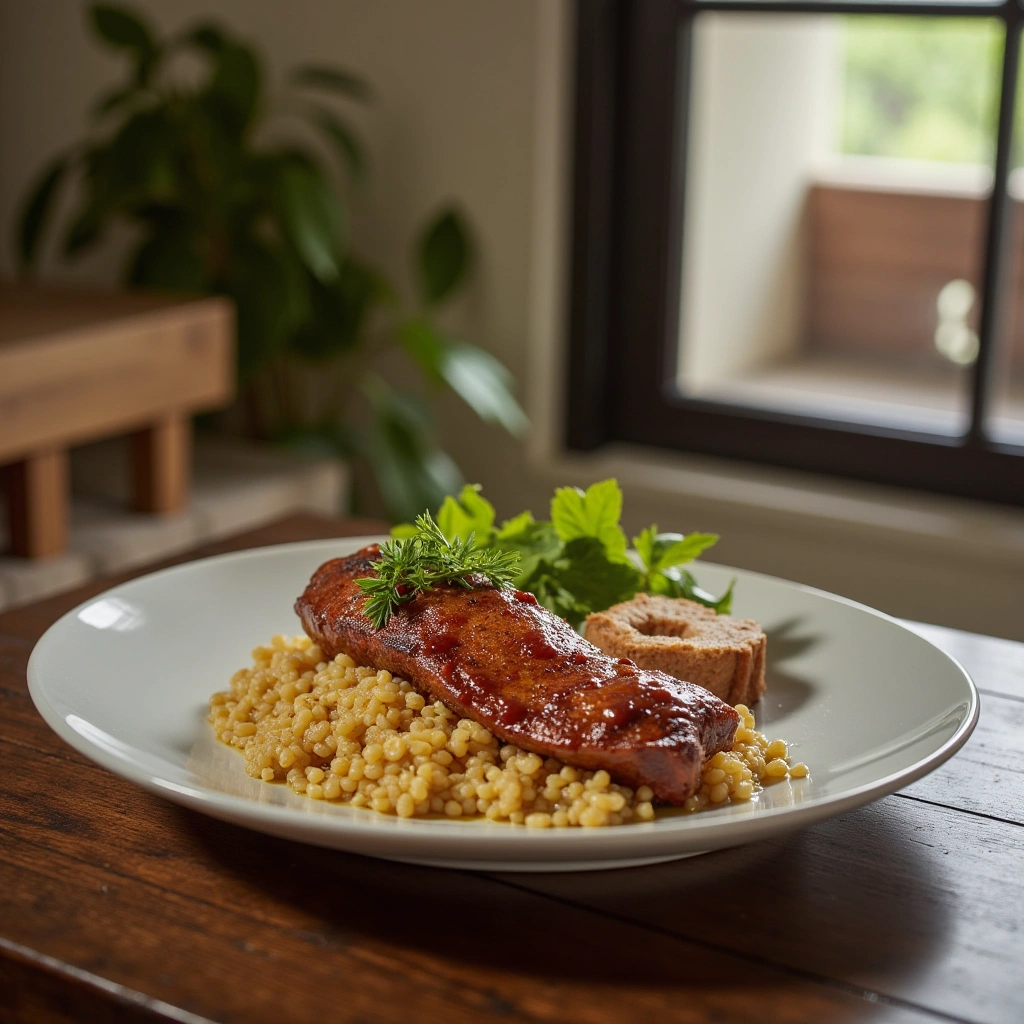
Homemade dog food and treats don’t have to be time-consuming or complicated. By planning ahead, choosing smart ingredients, batch cooking, and using helpful tools, you can create nutritious meals efficiently. These ten tips will help you save time, reduce waste, and keep your dog happy and healthy.
Remember, the key to success is consistency and flexibility. Tailor these strategies to fit your schedule and your dog’s unique needs. With a little practice, homemade feeding will become a seamless, rewarding part of your routine.
Start today by planning one meal in advance or prepping ingredients in bulk. Your dog—and your busy schedule—will thank you!
Keyword used in the first and last line: homemade dog food and treats