
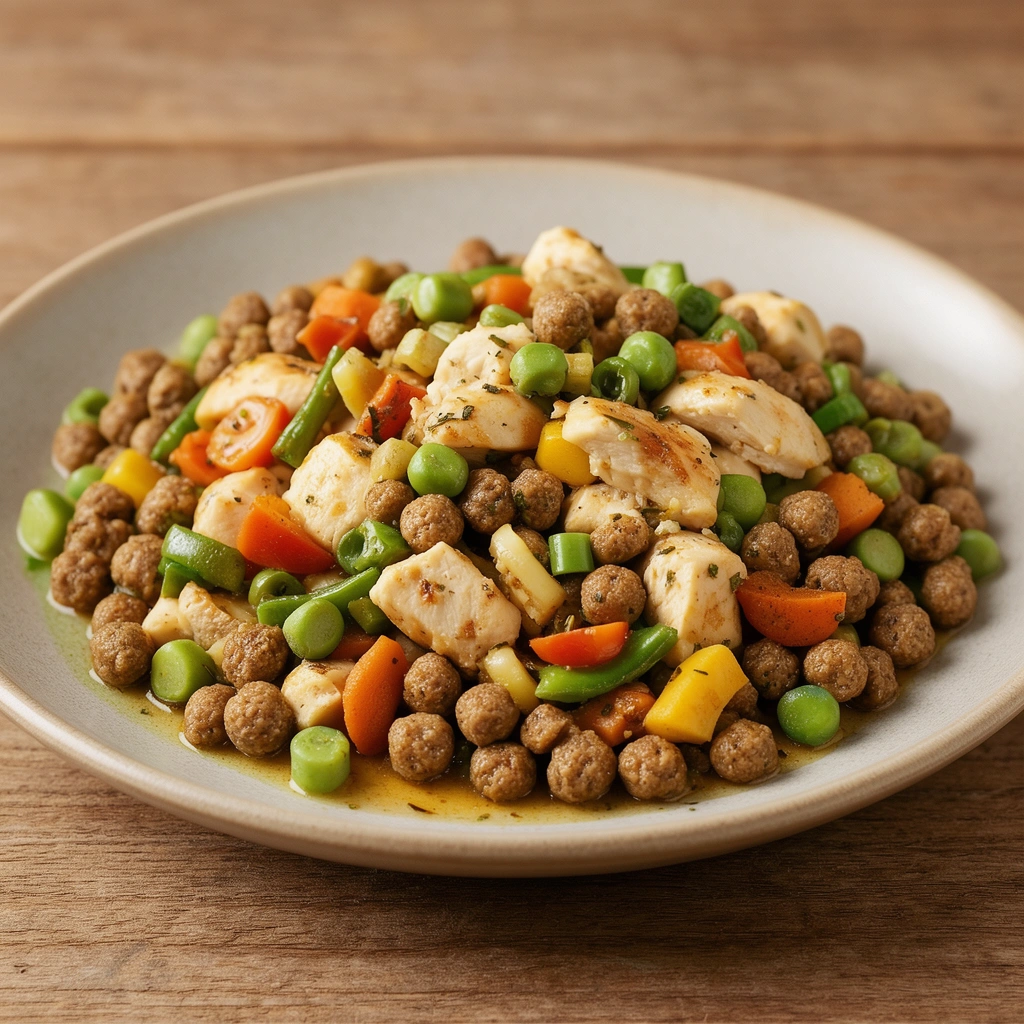
Hey there! If you’re on the hunt for reliable, accurate info about low fat chicken veggie dog food, you’re in the right place. I’ve spent years digging into pet nutrition and can confidently guide you through the ins and outs of crafting and selecting the best meals for your furry friend. Let’s get your pup eating right and feeling great!
So, what exactly is low fat chicken veggie dog food? It’s a specially formulated dog food that combines lean chicken with nutrient-rich vegetables, designed to provide balanced nutrition while keeping fat content minimal. This approach supports healthy weight management and overall canine wellness without compromising flavor or essential nutrients.
Stick around, because I’m going to break down everything from why low fat matters, how to pick the right ingredients, and even share some tasty, vet-approved recipes you can try at home. Ready to learn how to fuel your dog’s health with smart nutrition?
What is Low Fat Chicken Veggie Dog Food?
Low fat chicken veggie dog food is a type of canine meal designed to provide balanced nutrition with reduced fat content. The main protein source is lean chicken, which is easy to digest and packed with essential amino acids. Complementing the protein are a variety of vegetables that offer fiber, vitamins, and minerals essential for optimal health. This kind of diet supports dogs struggling with weight issues, pancreatitis, or other health concerns requiring fat restriction.
When selecting or making low fat dog food, it’s important to focus on ingredients that deliver high nutritional value without excess calories. Chicken breast, zucchini, carrots, and green beans are excellent choices. Avoid ingredients high in fat like chicken skin or fatty cuts of meat. Additionally, carbohydrates should come from wholesome sources like brown rice or sweet potatoes to provide energy without spiking fat intake.
Low fat chicken veggie dog food isn’t just about cutting fat—it’s about maintaining a balanced formula that supports lean muscle, digestive health, and vitality. This makes it suitable for dogs of all ages, but especially beneficial for overweight or sensitive pups.
Why Choose Low Fat Dog Food?
Choosing low fat dog food can have a huge impact on your dog’s health and longevity. Excess fat in a dog’s diet can lead to obesity, which in turn increases the risk of diabetes, heart disease, joint problems, and even decreases lifespan. By opting for low fat options, you help your dog maintain an ideal weight and reduce strain on vital organs.
Additionally, low fat diets are often recommended for dogs with pancreatitis or other digestive issues. Fat is harder to digest and can trigger flare-ups in sensitive dogs. A chicken veggie dog food with low fat content gently supports digestion while ensuring your pet still gets enough energy and nutrients.
Another benefit is that low fat dog foods often contain more fiber from vegetables, which aids in bowel regularity and gut health. This helps reduce issues like constipation or diarrhea and supports a healthy microbiome. Overall, low fat chicken veggie dog food promotes a holistic approach to canine wellness.
Key Ingredients in Low Fat Chicken Veggie Dog Food
Let’s talk about the star players in low fat chicken veggie dog food and why they matter:
- Lean Chicken Breast: A high-quality protein source that builds and repairs muscles without excess fat.
- Carrots: Rich in beta-carotene and fiber, they support eye health and digestion.
- Green Beans: Low-calorie veggies packed with vitamins A, C, and K, plus antioxidants.
- Zucchini: Provides hydration and essential micronutrients with minimal calories.
- Sweet Potatoes or Brown Rice: Complex carbohydrates that offer sustained energy release.
- Pumpkin: Great for digestive health due to its high fiber and moisture content.
- Fish Oil or Flaxseed: Added for omega-3 fatty acids to support skin, coat, and joint health.
Avoid fillers like corn or wheat which offer little nutritional value and may cause allergies. Also, skip any added fats or oils beyond healthy sources, as these can spike fat levels unnecessarily.
Health Benefits of Low Fat Chicken Veggie Dog Food
Why should you consider this diet for your dog? Here are some benefits:
- Weight Management: Reduced fat intake helps control calorie consumption, preventing obesity.
- Improved Digestion: Fiber from veggies aids gut health and regular bowel movements.
- Lean Muscle Maintenance: High protein supports muscle tone without extra fat.
- Reduced Risk of Pancreatitis: Low fat content lessens digestive stress.
- Enhanced Skin and Coat: Omega-3 fatty acids from fish oil nourish skin and reduce inflammation.
- Balanced Energy: Complex carbs provide steady energy without blood sugar spikes.
This diet fits dogs who need to slim down, have health issues related to fat metabolism, or simply require a nutritious, wholesome meal.
How to Choose the Best Low Fat Chicken Veggie Dog Food
When shopping for commercial dog food or making your own, keep these tips in mind:
- Check Fat Content: Look for options with less than 10% fat on a dry matter basis.
- Prioritize Real Ingredients: Whole chicken breast, fresh vegetables, and natural carbs.
- Avoid Artificial Additives: No preservatives, colors, or flavor boosters.
- Read Labels for Protein Quality: Chicken should be the first ingredient, not by-products.
- Consider Your Dog’s Specific Needs: Puppies, seniors, or dogs with allergies may require special formulations.
- Consult Your Vet: Especially if your dog has chronic health issues.
Homemade meals give you full control over ingredients but require careful balancing of nutrients. Commercial low fat options offer convenience but always verify quality and transparency.
Simple Low Fat Chicken Veggie Dog Food Recipe to Try at Home
Here’s a straightforward recipe you can prepare to provide your dog with a balanced low fat meal:
Ingredients:
- 2 cups cooked chicken breast (skinless, boneless)
- 1 cup steamed carrots, chopped
- 1 cup steamed green beans, chopped
- 1/2 cup cooked brown rice or sweet potato
- 1 tablespoon fish oil or ground flaxseed (optional)
- 1/4 cup cooked pumpkin (optional)
Instructions:
- Cook chicken breast thoroughly and chop or shred into bite-sized pieces.
- Steam carrots and green beans until soft but still vibrant.
- Cook brown rice or sweet potato until tender.
- Mix all ingredients in a large bowl, stir in fish oil or flaxseed if using.
- Let the mixture cool before serving to your dog.
- Store leftovers in the fridge for up to 3 days or freeze in portions.
Practical Tip: Introduce new foods slowly, mixing with your dog’s current diet to avoid stomach upset.
Incorporating Vegetables Your Dog Will Love
Not all dogs immediately appreciate veggies, but they’re essential for fiber and nutrients. Here are tips to help your dog enjoy their greens:
- Start Small: Add a spoonful of finely chopped or pureed veggies to meals.
- Mix with Favorites: Combine veggies with chicken or a bit of dog-safe broth.
- Use Veggie Treats: Freeze pureed veggies in ice cube trays for a crunchy snack.
- Cook for Digestibility: Steaming softens veggies, making them easier to digest.
- Rotate Veggies: Keep meals interesting with carrots, zucchini, green beans, and pumpkin.
This approach keeps your dog’s palate engaged and ensures consistent nutrient intake.
Managing Weight with Low Fat Chicken Veggie Dog Food
Weight management is a common reason owners turn to low fat diets. Here’s how this food helps:
- Lower Calories: Fat has 9 calories per gram versus 4 in protein/carbs. Cutting fat reduces total calorie load.
- High Protein: Keeps your dog feeling full and supports metabolism.
- Fiber-Rich Veggies: Promote satiety and regulate digestion.
- Balanced Energy: Prevents blood sugar spikes that trigger hunger.
- Portion Control: Combining low fat food with measured portions avoids overeating.
Quick Advice: Pair diet changes with regular exercise for best results. Weigh your dog monthly to track progress.
Addressing Common Concerns About Low Fat Diets
Some dog owners worry low fat diets might lack energy or taste. Here’s the lowdown:
- Dogs get energy from protein and carbs as well as fat, so a balanced low fat meal still fuels activity.
- Adding variety with vegetables and natural flavors keeps food palatable.
- Essential fatty acids from fish oil ensure skin and coat health without excess fat.
- Always monitor your dog’s weight, coat condition, and energy levels, adjusting diet as needed.
If you notice lethargy or weight loss, consult your vet to tweak the plan.
How Commercial Low Fat Chicken Veggie Dog Foods Compare
Many brands offer low fat chicken veggie dog foods, but quality varies. Here’s what to look for:
- Ingredient Transparency: Brands that list real meat and vegetables upfront.
- Fat Content: Confirm it’s within recommended low fat limits.
- Nutritional Balance: Check for added vitamins, minerals, and omega-3 sources.
- No Fillers: Avoid corn, wheat, soy, or by-products.
- Customer Reviews: Real feedback on palatability and digestibility.
- AAFCO Certification: Ensures the food meets established nutritional standards.
Some premium brands also tailor recipes for specific breeds or health conditions, which can be beneficial.
DIY vs. Commercial: Which is Better?
Both homemade and commercial low fat chicken veggie dog foods have pros and cons:
| Aspect | Homemade | Commercial |
|---|---|---|
| Ingredient Control | Full control over quality | Limited to brand formulations |
| Convenience | Time-consuming | Ready-to-serve |
| Cost | Can be cost-effective | Usually more expensive |
| Nutritional Balance | Requires careful planning | Formulated to meet standards |
| Variety | Easily customized | Limited by available products |
Choosing depends on your lifestyle, budget, and your dog’s specific needs. Sometimes a mix of both works best.
Transitioning Your Dog to Low Fat Chicken Veggie Dog Food
Switching diets requires patience to avoid digestive upset:
- Start by mixing 25% new food with 75% old food.
- Gradually increase new food over 7-10 days.
- Observe your dog’s stool quality and energy.
- If issues arise, slow the transition or consult your vet.
Consistency is key for successful adaptation.
Monitoring Your Dog’s Health on a Low Fat Diet
Keep an eye on these factors:
- Weight: Regularly weigh your dog to ensure healthy weight changes.
- Coat Condition: Shiny, soft fur indicates good nutrition.
- Energy Levels: Active and playful behavior shows adequate energy.
- Digestion: Normal stools without diarrhea or constipation.
- Overall Well-being: Bright eyes, clean teeth, and good appetite.
Adjust diet and seek veterinary advice as needed.
Frequently Asked Questions (FAQs)
Q: Can puppies eat low fat chicken veggie dog food?
A: Puppies need more fat for growth, so consult your vet before switching.
Q: What veggies are unsafe for dogs?
A: Avoid onions, garlic, grapes, raisins, and mushrooms. Stick to safe veggies like carrots and green beans.
Q: How much fish oil should I add?
A: Typically, 1 teaspoon per 10 pounds of body weight daily, but check with your vet.
Q: Can I freeze homemade dog food?
A: Yes, freeze in portioned containers for up to 3 months.
Q: How do I know if my dog needs a low fat diet?
A: Vets diagnose based on weight, health issues, and blood work.
Final Thoughts on Low Fat Chicken Veggie Dog Food
Low fat chicken veggie dog food offers a smart, health-conscious way to feed your dog. By combining lean protein with nutrient-packed vegetables, you’re supporting weight control, digestive health, and overall vitality. Whether you choose to prepare meals at home or buy commercial options, focus on quality ingredients and balanced nutrition.
Remember, every dog is unique. Monitor your pup’s response and adjust as needed, and don’t hesitate to partner with your veterinarian for personalized advice. Feeding your dog low fat chicken veggie meals is a simple yet powerful step toward a happier, healthier life.
Thanks for reading! I hope this guide helps you confidently choose or create the perfect low fat chicken veggie dog food for your furry friend. Here’s to many happy, healthy meals ahead!