
When your dog starts scratching non-stop, it’s heartbreaking—and frustrating. I’ve been down that road myself, and I know how overwhelming it can be to find the right solution. After digging deep into canine nutrition and skin health, I’m confident I can guide you to the best homemade dog food recipes that soothe itchy skin naturally.
So, what exactly is the best homemade dog food for itchy skin? The most effective recipes focus on ingredients rich in omega-3 fatty acids, antioxidants, and anti-inflammatory nutrients, such as salmon, sweet potatoes, and leafy greens, while avoiding common allergens like grains and artificial additives. These foods help reduce inflammation and repair your dog’s skin barrier, providing relief from itching.
Stick around, because I’m going to share multiple easy-to-make recipes, explain the science behind each ingredient, and offer practical tips to tailor meals for your dog’s unique needs. Let’s get your furry friend feeling comfortable and happy again!
Why Homemade Dog Food Can Help with Itchy Skin
When my dog started scratching, I learned that many commercial dog foods contain fillers, artificial flavors, and allergens that can worsen skin issues. Making food at home gives you total control over what goes into your dog’s bowl—no mystery ingredients, no unnecessary chemicals.
Homemade dog food designed for itchy skin typically includes anti-inflammatory ingredients like fatty fish, which are rich in omega-3 fatty acids. These fats help reduce skin irritation and dryness. Plus, whole foods provide essential vitamins and minerals that support a healthy immune system and skin regeneration.
By cooking for your dog, you can avoid common allergens such as wheat, corn, and soy, which are often linked to skin problems. Plus, homemade diets can be easily adjusted if your dog has specific sensitivities or preferences.
Understanding Your Dog’s Itchy Skin: Causes and Symptoms
Itchy skin in dogs, medically known as pruritus, can stem from various causes including allergies, parasites, infections, or nutritional deficiencies. Recognizing the cause is key before changing your dog’s diet.
Key causes include:
- Food Allergies: Reactions to specific proteins or grains in commercial dog food
- Environmental Allergies: Pollen, dust mites, or mold affecting skin health
- Parasites: Fleas and mites that cause intense itching and inflammation
- Nutritional Deficiencies: Lack of essential fatty acids or vitamins impacting skin integrity
Common symptoms include excessive scratching, licking, redness, flaky or scaly skin, and hair loss.
Feeding homemade dog food rich in anti-inflammatory and nutrient-dense ingredients can help manage symptoms while you address the underlying cause with your vet.
Key Nutrients That Soothe Itchy Skin in Dogs
To make an effective homemade dog food for itchy skin, focus on these nutrients:
| Nutrient | Benefit for Skin Health | Food Sources |
|---|---|---|
| Omega-3 Fatty Acids | Reduce inflammation, improve skin barrier function | Salmon, sardines, flaxseed oil, chia seeds |
| Zinc | Promotes skin healing and reduces dermatitis | Pumpkin seeds, beef liver, chicken |
| Vitamin E | Antioxidant that protects skin cells from damage | Spinach, sweet potatoes, sunflower seeds |
| Probiotics | Support gut health to boost immune response | Yogurt (unsweetened), kefir |
| Biotin | Supports skin and coat health | Eggs, liver, salmon |
Including these nutrients ensures your dog’s skin stays hydrated, resilient, and less prone to irritation.
Homemade Dog Food Recipe 1: Salmon and Sweet Potato Delight
This recipe harnesses the power of omega-3-rich salmon and antioxidant-packed sweet potatoes to calm itchy skin naturally.
Why It Works:
Salmon is loaded with anti-inflammatory omega-3 fatty acids that reduce skin irritation. Sweet potatoes provide beta-carotene and vitamin C, which support skin repair and immune health.
Ingredients:
- 2 cups cooked salmon (deboned)
- 1 cup cooked sweet potatoes (mashed)
- 1/2 cup steamed green beans
- 1/4 cup cooked quinoa
- 1 tablespoon flaxseed oil
- 1 teaspoon turmeric powder
Health Benefits:
Salmon’s omega-3s soothe inflammation, while sweet potatoes and green beans provide antioxidants. Quinoa adds digestible protein and fiber. Flaxseed oil boosts omega-3 content further, and turmeric’s curcumin compound fights inflammation.
Practical Tip:
Always cook the salmon thoroughly to avoid parasites, and introduce turmeric in small amounts to monitor your dog’s tolerance.
Why Your Dog Will Benefit:
This balanced recipe supports your dog’s skin health and overall immunity, reducing itching and promoting a shiny coat.
Next, we’ll explore a grain-free alternative for dogs with specific allergies.
Homemade Dog Food Recipe 2: Turkey and Pumpkin Grain-Free Feast
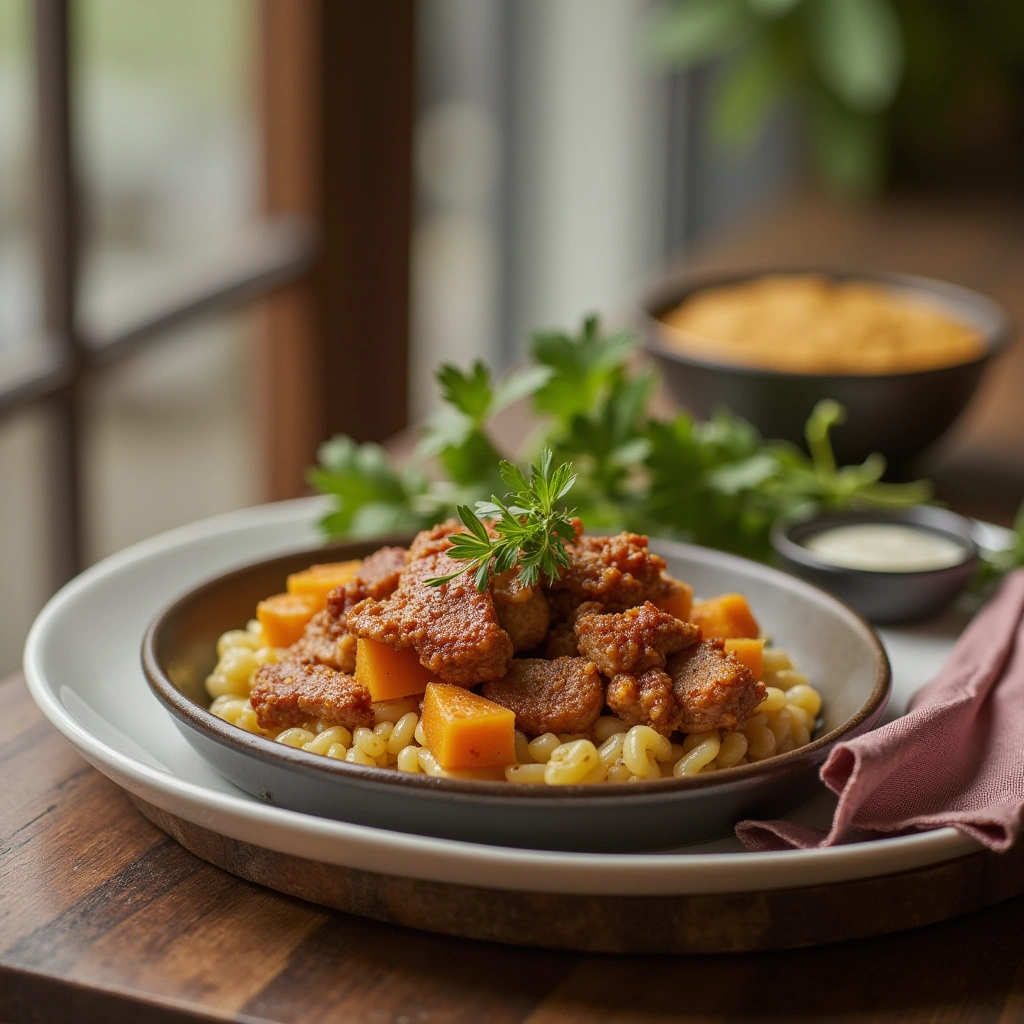
If your dog reacts to grains, this turkey and pumpkin recipe is a fantastic alternative that still targets itchy skin symptoms.
Why It Works:
Turkey is a lean, hypoallergenic protein source that’s easy to digest. Pumpkin is rich in zinc and vitamins that promote skin healing and reduce inflammation.
Ingredients:
- 2 cups ground turkey (cooked)
- 1 cup canned pumpkin (pure, no additives)
- 1/2 cup steamed spinach
- 1/4 cup coconut oil
- 1/2 cup cooked lentils
- 1 teaspoon ground ginger
Health Benefits:
Turkey provides essential amino acids without common allergens. Pumpkin’s fiber and zinc content support gut and skin health. Spinach adds vitamin E and antioxidants. Coconut oil moisturizes skin from the inside out.
Practical Tip:
Ensure lentils are well-cooked and introduced slowly to avoid digestive upset.
Why Your Dog Will Benefit:
This recipe helps rebuild the skin barrier and soothe irritation while being gentle on sensitive stomachs.
Up next is a recipe rich in probiotics to support your dog’s skin through gut health.
Homemade Dog Food Recipe 3: Beef and Yogurt Probiotic Boost
Gut health is closely tied to skin health. This recipe combines beef with probiotic-rich yogurt to tackle itching from the inside out.
Why It Works:
Probiotics help balance your dog’s gut microbiome, which can reduce allergic reactions and inflammation. Beef provides essential protein and zinc to support skin repair.
Ingredients:
- 2 cups lean ground beef (cooked)
- 1/2 cup plain unsweetened yogurt (probiotic)
- 1 cup cooked carrots (mashed)
- 1/2 cup cooked brown rice
- 1 tablespoon fish oil
Health Benefits:
Yogurt’s probiotics strengthen the immune system. Beef delivers bioavailable zinc and protein. Carrots provide beta-carotene, and fish oil adds omega-3 fatty acids.
Practical Tip:
Choose yogurt without artificial sweeteners like xylitol, which are toxic to dogs.
Why Your Dog Will Benefit:
This recipe supports immune function and skin regeneration, helping reduce chronic itching.
Next, let’s dive into an anti-inflammatory vegetarian option.
Homemade Dog Food Recipe 4: Lentil and Sweet Potato Anti-Inflammatory Mix
For vegetarian dog owners or those seeking plant-based options, this recipe combines lentils and sweet potatoes to calm skin inflammation.
Why It Works:
Lentils are a great source of plant protein and fiber that help stabilize blood sugar and reduce inflammation. Sweet potatoes provide antioxidants crucial for skin repair.
Ingredients:
- 1 1/2 cups cooked lentils
- 1 cup mashed sweet potatoes
- 1/2 cup steamed kale
- 1 tablespoon olive oil
- 1 teaspoon ground cinnamon
Health Benefits:
Lentils deliver zinc and protein; sweet potatoes and kale offer vitamins A and C. Olive oil adds healthy fats for skin moisture, and cinnamon can help reduce oxidative stress.
Practical Tip:
Introduce lentils gradually to prevent gas or bloating.
Why Your Dog Will Benefit:
This meal supports skin healing without animal proteins, perfect for dogs with meat sensitivities.
Now, let’s look at some general tips to enhance your dog’s homemade diet for itchy skin.
Tips for Transitioning Your Dog to Homemade Food for Itchy Skin
Switching your dog to homemade food requires patience and care. Here are some tips I’ve found useful:
- Slowly Introduce New Foods: Gradually mix homemade food with your dog’s current diet over 7-10 days to prevent digestive upset.
- Consult Your Vet: Always check with your veterinarian before making major diet changes, especially if your dog has chronic skin issues.
- Avoid Common Allergens: Steer clear of wheat, corn, soy, and artificial additives which often trigger itching.
- Add Supplements If Needed: Consider omega-3 fish oil capsules or vitamin E supplements if your dog’s skin needs extra support.
- Monitor Symptoms: Keep a diary of your dog’s scratching, licking, and coat condition to track improvements and identify triggers.
How to Customize Homemade Dog Food Based on Allergies and Preferences
Every dog’s skin health is unique, so tailoring recipes is crucial. Here’s how you can customize:
- Identify Allergens: Use an elimination diet or allergy test to pinpoint problematic ingredients.
- Substitute Proteins: Swap out common proteins like chicken or beef for novel proteins such as duck, rabbit, or venison.
- Rotate Vegetables: Use a variety of dog-safe veggies like zucchini, broccoli, and carrots to keep meals balanced.
- Adjust Portions: Modify ingredient amounts based on your dog’s size, activity level, and skin condition.
By customizing recipes, you ensure your dog gets the nutrients they need without triggering sensitivities.
The Role of Hydration and Treats in Managing Itchy Skin
Proper hydration is often overlooked but vital for maintaining skin moisture and elasticity. Always provide fresh water alongside homemade meals.
When offering treats:
- Choose hypoallergenic, grain-free options or make your own treats using pumpkin, sweet potato, or salmon.
- Avoid store-bought treats with artificial colors, preservatives, or fillers.
Healthy treats complement a homemade diet and help keep your dog’s skin calm and healthy.
When to See the Vet: Persistent Itchy Skin and Homemade Food
While homemade dog food can greatly improve skin health, some cases require veterinary intervention. If your dog’s itching persists despite diet changes, or if you notice:
- Open sores or infections
- Severe hair loss
- Signs of systemic illness (lethargy, fever)
contact your vet immediately. They may recommend allergy testing, medications, or specialized diets.
Homemade food is a powerful tool, but it works best as part of a comprehensive skin care approach.
Summary and Final Thoughts on Homemade Dog Food for Itchy Skin
Making homemade dog food for itchy skin is a nurturing way to help your dog feel better naturally. Using ingredients rich in omega-3s, antioxidants, and anti-inflammatory compounds can soothe irritation and rebuild healthy skin.
Remember to tailor recipes to your dog’s allergies and preferences, introduce new foods gradually, and monitor their response closely. Homemade meals paired with proper hydration, vet care, and lifestyle adjustments provide the best chance for relief.
I hope these recipes and tips empower you to take control of your dog’s skin health. With a little effort, you’ll see your furry friend scratching less and enjoying their meals more!
Homemade dog food for itchy skin isn’t just a diet—it’s a loving commitment to your pet’s well-being. Start cooking today, and watch your dog’s coat and comfort improve day by day.