
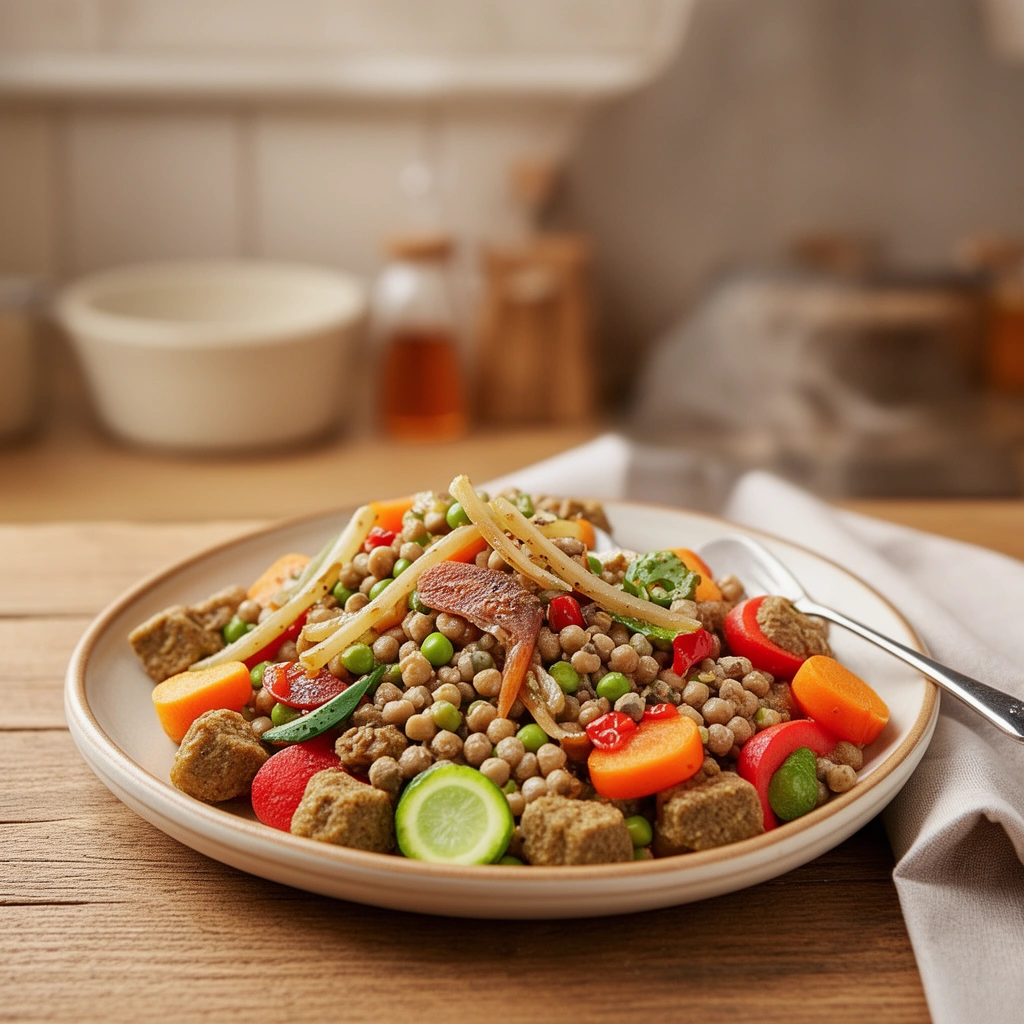
Hey friends, if you’re like me, you want the best for your tiny furry buddy, especially when it comes to food. Homemade dog food for small dogs isn’t just a trend anymore — it’s a smart, healthy choice to keep your pint-sized pal happy, strong, and full of energy. I’ve done the deep dive into what makes homemade meals work for small dogs, and I’m here to share all the details you need.
So, what exactly is homemade dog food for small dogs? It’s a balanced mix of fresh, wholesome ingredients tailored specifically to the unique nutritional needs of small breeds. This food supports their faster metabolism, smaller stomachs, and specific health concerns like dental care and joint health. Homemade dog food can be safer and more nutritious than many commercial options, offering your dog a tasty, personalized diet.
Stick with me, and you’ll learn everything from why homemade meals matter to small dogs, how to create balanced recipes, and tips for picky eaters. Let’s jump right into making your dog’s meals both delicious and nutritious!
Why Homemade Dog Food Is Ideal for Small Dogs
Small dogs have different dietary needs than larger breeds. Their fast metabolism means they burn calories quickly and need nutrient-dense meals to keep their energy up. Commercial dog foods often come in large kibble sizes or formulas better suited to bigger dogs, which can be hard for tiny mouths to chew or digest properly.
Homemade dog food allows you to control every ingredient, avoid fillers and artificial additives, and adjust portion sizes to fit your dog’s appetite and activity level. Plus, you get to customize meals if your dog has allergies or sensitivities. From selecting proteins that are easy to digest to adding veggies that support digestion and skin health, homemade food fits the bill perfectly.
Whether your dog is a Chihuahua, Pomeranian, or a small Terrier, homemade meals can support their health, growth, and longevity in ways commercial diets often can’t.
Key Nutritional Needs of Small Dogs
Small dogs need a diet rich in:
- High-quality protein: Supports muscle maintenance and energy.
- Healthy fats: Provide essential fatty acids for skin, coat, and brain health.
- Carbohydrates: Offer a steady energy source but should be easy to digest.
- Vitamins and minerals: Crucial for immune function and overall wellness.
- Fiber: Helps digestion and prevents constipation.
Because small dogs have smaller stomachs, their meals must be nutrient-dense but portion-controlled to avoid overfeeding and obesity. Balancing these nutrients is crucial and is easier to do when you make your own dog food at home.
What Makes a Great Homemade Dog Food Recipe for Small Dogs?
Let’s chat about the basics before we dive into recipes. When you make homemade dog food for small dogs, think of it as creating a mini balanced meal that packs a punch.
- Portion size matters: Small dogs eat less but need nutrient-dense ingredients.
- Ingredient quality counts: Fresh, whole foods over processed ones.
- Avoid toxic foods: Onions, garlic, chocolate, grapes, and artificial sweeteners should never be part of your dog’s meal.
- Proper cooking techniques: Some ingredients need to be cooked, others can be raw or lightly steamed.
- Variety is key: Rotate proteins and veggies to provide a wide range of nutrients and keep mealtime exciting.
I’ll walk you through some foolproof recipes tailored to small dogs’ needs that you can whip up in your kitchen with ease.
High-Protein Chicken and Sweet Potato Delight
Chicken is a fantastic lean protein source, perfect for small dogs with sensitive stomachs. Sweet potatoes add fiber and vitamins without spiking blood sugar.
This recipe supports muscle health and digestive balance, helping your dog stay energized and comfortable.
Ingredients:
- 1 cup cooked, shredded chicken breast (skinless, boneless)
- ½ cup cooked sweet potato (mashed)
- ¼ cup cooked green beans (chopped)
- 1 tablespoon olive oil
- A pinch of turmeric (optional for anti-inflammatory benefits)
Why It Works:
Chicken provides essential amino acids for muscle repair, while sweet potatoes are rich in beta-carotene and fiber. Green beans add crunch and vitamins like vitamin K. Olive oil boosts skin and coat health with omega-3 fatty acids.
Pro Tip:
Cook the chicken and veggies thoroughly and cool before mixing. Store leftovers in the fridge for up to 3 days or freeze in portions.
Perfect for small breeds like Yorkies or Shih Tzus who need easy-to-digest, protein-packed meals.
Omega-Rich Salmon and Quinoa Bowl
Salmon is loaded with omega-3 fatty acids, which promote brain health, reduce inflammation, and improve coat shine. Quinoa is a gluten-free grain that offers complete protein and fiber.
This recipe is great for small breeds prone to allergies or skin sensitivities.
Ingredients:
- ½ cup cooked salmon (boneless, skin removed)
- ½ cup cooked quinoa
- ¼ cup steamed carrots (chopped)
- 1 teaspoon flaxseed oil
- A sprinkle of parsley (for fresh breath)
Why It Works:
Salmon’s omega-3s help reduce joint inflammation and support cognitive function. Quinoa adds energy-sustaining carbs and protein. Carrots contribute beta-carotene and antioxidants, while flaxseed oil boosts digestive health.
Pro Tip:
Always remove all bones from fish to prevent choking hazards. Use wild-caught salmon when possible for better nutrition.
Ideal for small dogs with dry skin or arthritis issues.
Turkey and Pumpkin Power Meal
Turkey is a lean protein that’s easy on the stomach, while pumpkin is a fiber powerhouse that regulates digestion. This combo is perfect for small dogs with sensitive tummies.
Ingredients:
- 1 cup cooked ground turkey (lean)
- ½ cup canned pumpkin (plain, no spices)
- ¼ cup cooked peas
- 1 teaspoon coconut oil
Why It Works:
Turkey provides essential amino acids without excess fat. Pumpkin soothes the digestive tract and prevents constipation or diarrhea. Peas add vitamins and fiber. Coconut oil supports immune health and improves coat texture.
Pro Tip:
Use plain canned pumpkin, not pumpkin pie filling, which contains sugar and spices harmful to dogs.
Great for small dogs with digestive issues or weight management needs.
Beef and Brown Rice Classic
Beef is a rich source of iron and zinc, which support energy and immunity. Brown rice offers complex carbohydrates that provide lasting energy.
This recipe suits active small dogs needing robust nutrition.
Ingredients:
- 1 cup cooked lean ground beef
- ½ cup cooked brown rice
- ¼ cup cooked spinach (chopped)
- 1 teaspoon fish oil (for omega-3s)
Why It Works:
Beef builds strong muscles and supports oxygen transport in blood. Brown rice maintains steady energy without blood sugar crashes. Spinach adds iron and antioxidants. Fish oil promotes joint and brain health.
Pro Tip:
Make sure to drain excess fat from beef to avoid unnecessary calories.
Perfect for small dogs with higher activity levels like Miniature Schnauzers or Jack Russells.
Vegetarian-Friendly Lentil and Veggie Mix
For dog owners wanting a plant-based option, lentils offer protein and fiber. Combined with veggies, this meal supports a balanced diet for small dogs.
Ingredients:
- 1 cup cooked lentils
- ½ cup cooked carrots
- ½ cup cooked zucchini (chopped)
- 1 tablespoon olive oil
- A pinch of calcium powder (consult vet)
Why It Works:
Lentils provide digestible plant protein and fiber, aiding digestion and energy. Carrots and zucchini deliver vitamins and antioxidants. Olive oil supports skin and coat health. Calcium is vital since plant-based diets can lack it.
Pro Tip:
Always consult your vet before switching to vegetarian diets for your dog to ensure complete nutrition.
Good for small dogs with meat allergies or owners pursuing plant-based lifestyles.
Tips for Transitioning Your Small Dog to Homemade Food
Switching your dog’s diet can be tricky but rewarding. Here’s what worked for me and many others:
- Introduce gradually: Mix homemade food with current food over 7-10 days.
- Watch for reactions: Keep an eye on digestion, energy levels, and coat condition.
- Adjust portions: Small dogs might need smaller, more frequent meals.
- Add supplements carefully: Use fish oil, calcium, or probiotics as needed, but always under vet guidance.
- Keep it fresh: Store homemade food properly to avoid spoilage.
A smooth transition helps your dog adapt and enjoy their new meals without stress.
Common Mistakes to Avoid When Feeding Homemade Meals
Even the best intentions can go wrong. Here’s what to watch out for:
- Unbalanced nutrition: Lack of vitamins or minerals can cause health issues.
- Overfeeding: Small dogs are prone to obesity if portions are too large.
- Using toxic ingredients: Avoid garlic, onions, grapes, and chocolate.
- Ignoring vet advice: Always check with your vet before major diet changes.
- Poor food safety: Improper storage can lead to bacterial growth.
By keeping these points in mind, you’ll keep your dog safe and healthy.
How to Store and Prepare Homemade Dog Food Safely
Food safety is crucial for homemade dog food:
- Cook proteins thoroughly to kill harmful bacteria.
- Cool food before serving to avoid burns.
- Store leftovers in airtight containers in the fridge for up to 3 days.
- Freeze portions for longer storage (up to 2 months).
- Reheat gently and avoid microwaving unevenly.
Following these tips keeps your dog’s meals fresh, tasty, and safe.
The Role of Supplements in Homemade Diets for Small Dogs
Supplements can fill nutritional gaps in homemade meals:
- Calcium: Vital for bones; often added as crushed eggshells or supplements.
- Fish oil: Provides omega-3 fatty acids.
- Probiotics: Support gut health.
- Multivitamins: Ensure all micronutrients are covered.
Always consult your vet for appropriate dosages and types.
Frequently Asked Questions About Homemade Dog Food for Small Dogs
Q: Can small dogs eat raw homemade food?
A: Raw diets can be risky due to bacteria and nutrient imbalances. Consult your vet before trying.
Q: How often should I feed my small dog homemade meals?
A: Typically 2-3 small meals a day to meet their fast metabolism needs.
Q: Can I freeze homemade dog food?
A: Yes, freezing in portions is an excellent way to keep meals fresh.
Wrapping It Up
Making homemade dog food for small dogs is a rewarding way to ensure your little companion gets the nutrition they deserve. From lean proteins to nutrient-rich veggies, you control every bite. With the recipes and tips I shared, you’re ready to create balanced, delicious meals that keep tails wagging.
Remember, homemade dog food tailored for small breeds supports their unique needs and can make a real difference in their health and happiness. So, start cooking, experimenting, and watching your small dog thrive on every homemade bite!
Thank you for joining me on this tasty journey for your small dog’s health. Homemade dog food for small dogs is not just food—it’s love on a plate.