
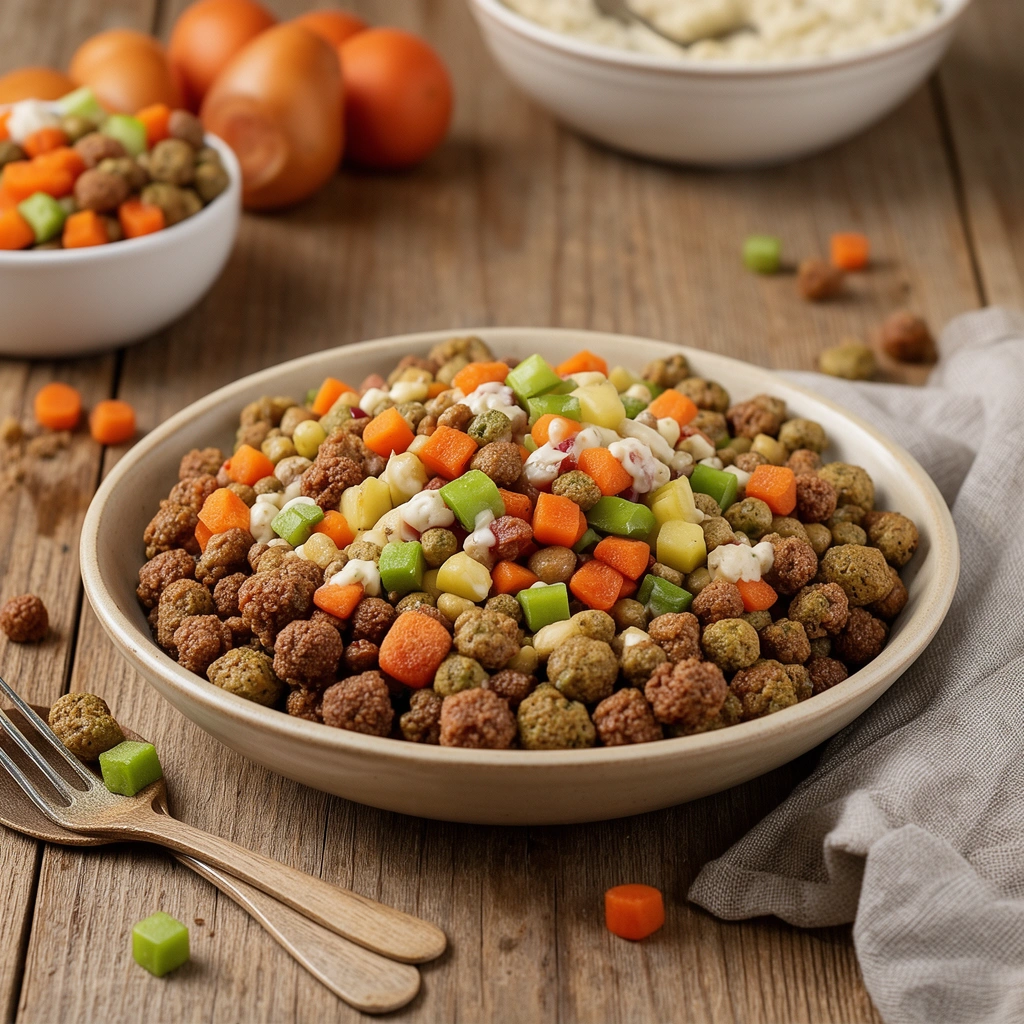
Hey friends! If you’re looking to help your furry pal shed some pounds safely and deliciously, you’re in the right place. I’ve researched and gathered the most accurate, up-to-date info on homemade dog food for weight loss, so you can trust what you read here.
So, what exactly is homemade dog food for weight loss? It’s a carefully balanced diet made from scratch that helps your dog slim down by controlling calories and boosting nutrition. This approach uses wholesome ingredients tailored to maintain energy while reducing fat, unlike many commercial diets that might contain fillers or unhealthy additives.
Stick around, because I’m going to walk you through everything—from why homemade diets work best to specific recipes you can try at home. You’ll also get tips on ingredient choices, portion control, and how to keep your dog happy and healthy during their weight loss journey.
Why Choose Homemade Dog Food for Weight Loss?
When it comes to helping your dog lose weight, homemade dog food offers unmatched control. You get to choose every ingredient, ensuring your dog eats clean, fresh, and nutrient-packed meals without unnecessary fillers, preservatives, or hidden calories. Plus, homemade meals can be customized for allergies or specific dietary needs, which commercial dog foods often overlook.
Homemade dog food allows you to balance protein, carbs, and fats precisely, maintaining muscle mass while trimming excess fat. This approach supports steady, healthy weight loss and improves digestion, energy levels, and coat health. And best of all? You know exactly what your dog is eating.
Transitioning your dog to homemade food might seem challenging, but with the right recipes and guidance, it becomes a rewarding experience—for both you and your pup.
Understanding Your Dog’s Weight Loss Needs
Before diving into recipes, it’s essential to understand your dog’s unique weight loss requirements. Dogs vary by breed, age, activity level, and metabolism. A one-size-fits-all approach doesn’t work here.
Consult your vet to determine your dog’s ideal weight and daily calorie needs. Most overweight dogs need a 10-20% reduction in their daily caloric intake, but this varies. Avoid rapid weight loss, which can cause serious health issues like muscle wasting or nutrient deficiencies.
Keep track of your dog’s progress with regular weigh-ins and adjust portion sizes accordingly. Remember, weight loss should be gradual—think weeks to months, not days.
Key Nutrients for Weight Loss in Homemade Dog Food
Creating a balanced homemade dog food recipe requires focusing on key nutrients that support weight loss and overall health.
- High-quality protein: Supports muscle maintenance and satiety. Use lean meats such as chicken breast, turkey, or fish.
- Low glycemic carbohydrates: Provide sustained energy without spiking blood sugar. Options include sweet potatoes, pumpkin, or brown rice.
- Healthy fats: Essential for skin and coat health but should be limited to avoid excess calories. Use fish oil or small amounts of olive oil.
- Fiber: Helps your dog feel full and aids digestion. Include vegetables like green beans, carrots, or zucchini.
- Vitamins and minerals: Crucial for overall wellness. Add a canine multivitamin or natural sources like kale or spinach.
Avoid ingredients high in fat or sugar, like fatty cuts of meat, dairy, or processed grains.
The Role of Portion Control and Feeding Schedule
Even the best homemade dog food can cause weight gain if portions aren’t controlled. It’s essential to measure your dog’s food accurately using a kitchen scale or measuring cup.
Divide the daily calories into 2-3 meals to help stabilize blood sugar and prevent hunger-driven begging or overeating. Avoid free-feeding (leaving food out all day), which encourages snacking and weight gain.
Use treats sparingly, and opt for low-calorie options like small carrot sticks or apple slices. Remember to factor treats into your dog’s daily calorie count.
Recipe Idea 1: Lean Turkey and Veggie Mix for Weight Loss
Lean turkey combined with fiber-rich veggies makes a powerful weight loss meal. Turkey is low in fat and high in protein, helping your dog build muscle and feel full longer.
Ingredients:
- 1 pound lean ground turkey
- 1 cup chopped green beans
- 1/2 cup grated carrots
- 1/2 cup cooked quinoa or brown rice
- 1 tablespoon olive oil
- 1/4 cup pumpkin puree (optional for fiber)
Health Benefits:
Turkey provides essential amino acids while being low in fat. Green beans and carrots add fiber and vitamins without extra calories. Quinoa offers a low glycemic carbohydrate source that helps maintain energy levels.
Practical Tip:
Cook the turkey thoroughly, steam the veggies to preserve nutrients, and mix everything well. Cool before serving. Store leftovers in the fridge for up to 3 days.
This recipe is versatile and suits modern or traditional home cooks alike, giving you a simple yet effective weight loss meal that dogs love.
Recipe Idea 2: Fish and Sweet Potato Delight
Fish is an excellent source of lean protein and omega-3 fatty acids, which help reduce inflammation often linked to obesity-related joint problems.
Ingredients:
- 1 pound white fish fillets (cod, haddock)
- 1 large sweet potato, peeled and cubed
- 1/2 cup peas
- 1 tablespoon fish oil
- 1/4 cup chopped parsley (optional)
Health Benefits:
Omega-3s promote healthy skin and joints, while sweet potatoes provide fiber and slow-release energy. Peas add antioxidants and fiber.
Practical Tip:
Bake or steam the fish, boil or steam the sweet potato cubes, and mix all ingredients together. Add fish oil after cooking to preserve nutrients.
This recipe works wonderfully for dogs with sensitive stomachs or those needing anti-inflammatory support.
Recipe Idea 3: Chicken and Pumpkin Stew
Chicken is a classic lean protein source, and pumpkin is fantastic for digestion and weight management due to its fiber content.
Ingredients:
- 1 pound skinless chicken breast, diced
- 1 cup pumpkin puree
- 1/2 cup cooked barley or oats
- 1/2 cup chopped zucchini
- 1 teaspoon turmeric powder (optional)
Health Benefits:
Pumpkin adds fiber and aids digestion, reducing bloating and constipation. Barley or oats provide slow-burning carbs, and turmeric offers anti-inflammatory properties.
Practical Tip:
Simmer chicken with pumpkin and veggies until tender. Cool before serving. Turmeric can enhance joint health but use sparingly and consult your vet first.
This hearty stew suits dogs who prefer wet food and helps keep them full between meals.
Recipe Idea 4: Beef and Vegetable Medley
While beef is often higher in fat, lean cuts can be part of a weight loss diet when balanced with veggies and fiber.
Ingredients:
- 1 pound lean ground beef (at least 90% lean)
- 1 cup chopped spinach
- 1/2 cup shredded carrots
- 1/2 cup cooked lentils
- 1 tablespoon flaxseed oil
Health Benefits:
Beef provides essential iron and protein. Lentils add fiber and plant-based protein, while spinach offers antioxidants and vitamins.
Practical Tip:
Drain excess fat after cooking beef to reduce calories. Mix in veggies and lentils while warm. Add flaxseed oil for omega-3s.
This recipe is great for dogs who need a nutrient-dense but controlled-calorie meal.
Recipe Idea 5: Cottage Cheese and Vegetable Mix
For dogs who tolerate dairy, low-fat cottage cheese can be an excellent protein source that’s easy to digest.
Ingredients:
- 1 cup low-fat cottage cheese
- 1/2 cup steamed broccoli florets
- 1/2 cup cooked brown rice
- 1/4 cup chopped apples (no seeds)
- 1 teaspoon olive oil
Health Benefits:
Cottage cheese is packed with protein and calcium. Broccoli supports detoxification, and apples provide fiber and vitamins.
Practical Tip:
Mix all ingredients chilled for a refreshing meal. Ideal for warmer months or dogs who prefer cold food.
This recipe adds variety to your dog’s diet and supports lean muscle development.
Avoid These Ingredients for Weight Loss
When preparing homemade dog food for weight loss, steer clear of:
- High-fat meats (bacon, pork belly)
- Processed grains (white bread, pasta)
- Sugary fruits (grapes, raisins)
- Dairy products high in fat (cream, whole milk)
- Human junk food or salty snacks
These can sabotage your dog’s weight loss efforts and cause health problems.
Supplements and Add-Ons to Support Weight Loss
Adding supplements can boost your dog’s weight loss safely:
- Glucosamine and chondroitin: Support joint health during weight loss.
- Probiotics: Improve gut health and nutrient absorption.
- Fish oil: Provides omega-3 fatty acids for inflammation and coat health.
- Multivitamins: Ensure balanced nutrition when feeding homemade diets.
Always consult your vet before starting any supplements.
Monitoring Weight Loss Progress
Track your dog’s weight weekly and measure body condition with your vet’s guidance. Adjust food portions accordingly and watch for signs of fatigue or hunger.
Exercise is also a vital part of weight loss. Incorporate daily walks, playtime, or swimming to help burn calories and keep your dog motivated.
Transitioning Your Dog to Homemade Food
Switching to homemade food should be gradual to avoid digestive upset:
- Start by mixing 25% homemade food with 75% current food.
- Gradually increase homemade portion over 7-10 days.
- Monitor stool consistency and appetite.
- Stay consistent with feeding times.
Patience is key for a smooth transition.
Common Weight Loss Mistakes to Avoid
- Feeding too many treats or table scraps.
- Skipping vet checkups to monitor health.
- Changing recipes too frequently.
- Ignoring exercise needs.
- Overfeeding “healthy” ingredients.
Stay disciplined for lasting results.
Why Homemade Dog Food is Better Than Commercial Diets
Many commercial weight loss dog foods contain fillers, preservatives, and artificial ingredients. Homemade meals use fresh, whole foods tailored to your dog’s needs, enhancing nutrient density and palatability.
Plus, homemade food fosters a stronger bond between you and your dog through shared care and attention.
Final Thoughts: Helping Your Dog Lose Weight the Right Way
Homemade dog food for weight loss isn’t just about cutting calories—it’s about nourishing your dog with the right balance of nutrients, fiber, and flavor. By controlling ingredients and portions, you ensure healthy, sustainable weight loss that boosts your dog’s energy and happiness.
Remember, always work closely with your vet to tailor a plan specific to your dog’s needs and monitor progress carefully. With patience, love, and the right recipes, your dog can reach a healthy weight and enjoy a vibrant life.
Thanks for sticking with me! Now you have everything you need to start making homemade dog food for weight loss that’s healthy, tasty, and effective. Give these recipes a try, adjust based on your dog’s preferences, and watch the pounds come off in a safe way. Your pup deserves the best, and homemade food is a fantastic place to start!