
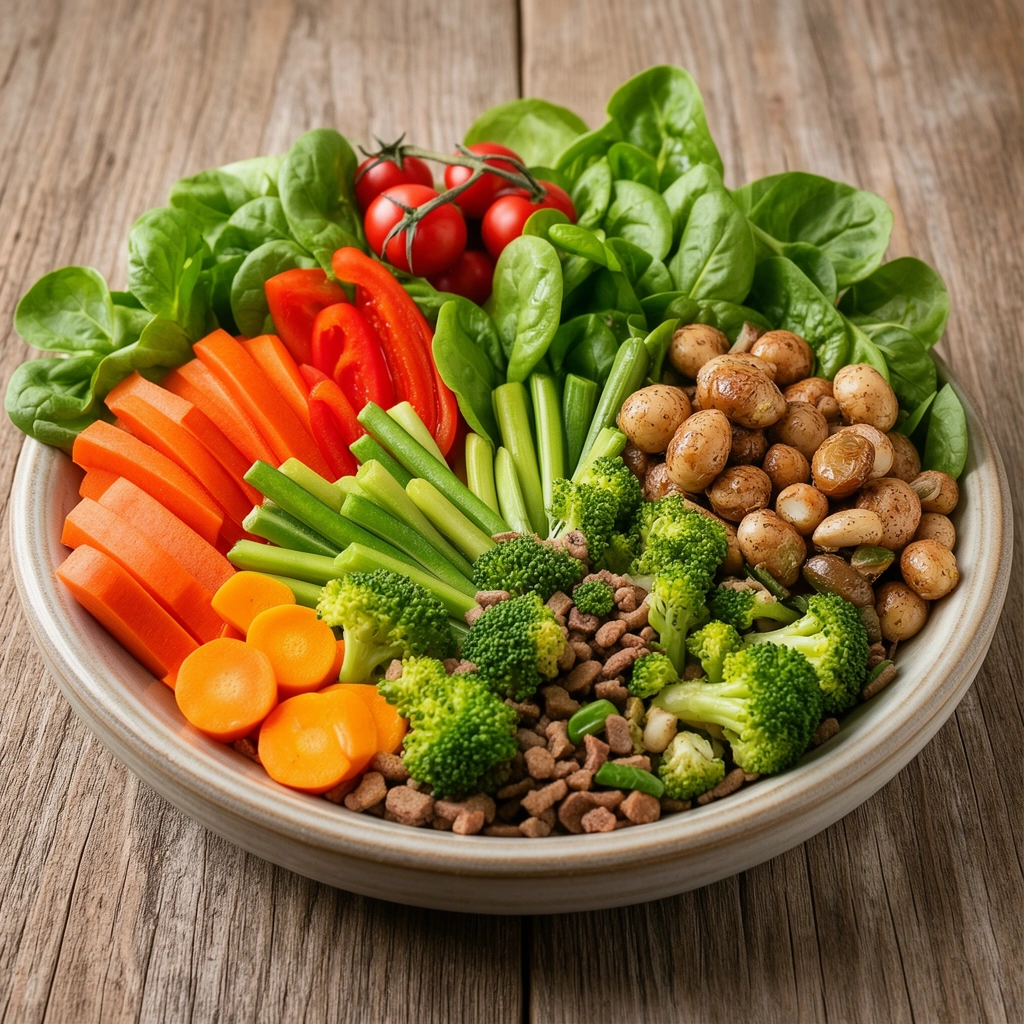
When it comes to preparing homemade dog food, I know how important it is to get the ingredients just right. After years of researching and cooking for my own dogs, I’ve gathered the most accurate and trustworthy information to help you make the best food for your furry friend. You can count on me to break down the essentials of using vegetables in your dog’s diet.
So, what vegetables are safe and healthy for dogs, and how do you include them in homemade meals? Vegetables like carrots, sweet potatoes, green beans, and spinach are not only safe but also packed with essential vitamins, fiber, and antioxidants that support your dog’s overall health. Choosing the right vegetables and preparing them properly can boost digestion, immunity, and energy levels.
In this article, I’ll walk you through the best vegetables for your dog’s homemade meals, how to prepare them, and some tasty recipe ideas. Let’s dive into everything you need to know to keep your dog healthy and happy with homemade food.
Why Vegetables Are Essential in Homemade Dog Food
Vegetables add a whole new dimension to your dog’s diet. They provide vital nutrients that meat alone can’t supply. Think of them as nature’s multivitamins—rich in fiber, antioxidants, vitamins A, C, and K, and essential minerals like potassium and magnesium. These nutrients help maintain healthy skin, improve digestion, reduce inflammation, and support the immune system.
When you prepare homemade dog food, including vegetables balances the meal, making it more complete. Dogs are omnivores, meaning they benefit from a mix of animal proteins and plant-based nutrients. However, it’s crucial to choose the right vegetables and prepare them correctly to avoid any digestive issues or toxicity.
Adding vegetables also helps with weight management by increasing fiber intake, which promotes a feeling of fullness. This is especially important for dogs who need to lose weight or maintain a healthy one. Plus, vegetables can add flavor and texture, making meals more enjoyable for picky eaters.
Next, I’ll introduce you to the top vegetables you should consider for your dog’s homemade meals and how to use them effectively.
Top Vegetables to Include in Homemade Dog Food
When selecting vegetables for your dog’s meals, safety, digestibility, and nutritional value are key. Here are some of the best vegetables you can confidently add to homemade dog food.
-
Carrots
Carrots are crunchy, naturally sweet, and packed with beta-carotene, which converts to vitamin A. This vitamin is essential for healthy vision, skin, and immune function. Carrots also provide fiber, which aids digestion. You can serve them raw (if your dog loves crunch) or cooked for easier digestion. -
Sweet Potatoes
Sweet potatoes are a powerhouse of vitamins B6, C, and manganese, plus they’re loaded with fiber. They help regulate blood sugar levels and support digestive health. Cook sweet potatoes before serving — steamed or baked without seasoning is best. -
Green Beans
Green beans are low in calories and high in fiber, making them perfect for dogs needing to shed some pounds. They also provide vitamin K and C along with manganese. Serve them steamed or boiled for easy digestion. -
Spinach
Spinach contains iron, vitamins A, C, and K, and antioxidants that fight inflammation. However, feed spinach in moderation because it contains oxalates, which can affect calcium absorption if given excessively. Lightly steaming spinach before mixing it in meals is recommended. -
Pumpkin
Pumpkin is excellent for digestion due to its high fiber and moisture content. It’s rich in beta-carotene and helps regulate bowel movements, making it a natural remedy for diarrhea or constipation. Use plain, cooked pumpkin (not pumpkin pie filling). -
Peas
Peas offer vitamins A, K, and several B vitamins, plus fiber and protein. They support eye health and provide plant-based protein to complement meat. Frozen or fresh peas, cooked or raw, can be added to meals.
Vegetables to Avoid in Homemade Dog Food
While many vegetables are safe, some can be harmful or toxic to dogs. Knowing which ones to avoid is just as important as knowing what to include.
-
Onions and Garlic: Both contain compounds that can damage red blood cells and cause anemia in dogs—even in small amounts. Avoid all forms: raw, cooked, powdered, or dehydrated.
-
Avocado: Contains persin, which can cause vomiting and diarrhea in dogs. The pit is also a choking hazard.
-
Mushrooms: Wild mushrooms can be toxic. Avoid mushrooms unless you are certain they are safe and store-bought varieties.
-
Rhubarb: Contains oxalates that can lead to kidney failure.
-
Raw Potatoes and Tomato Leaves: Contain solanine, which is toxic to dogs; only ripe tomatoes in small amounts are safe.
How to Prepare Vegetables for Your Dog’s Homemade Food
Proper preparation is key to maximizing the health benefits of vegetables and ensuring your dog’s safety.
-
Cooking Methods: Steaming, boiling, or baking vegetables without added salt or seasoning is ideal. Raw vegetables are safe for some dogs but can be harder to digest, so introduce them gradually.
-
Avoid Seasonings: Ingredients like salt, onion powder, garlic, or spices should never be added to dog food.
-
Chop or Puree: Cutting vegetables into small pieces or pureeing them helps digestion and prevents choking, especially for smaller dogs.
-
Moderation: Vegetables should make up roughly 10-20% of the total meal to avoid upsetting your dog’s stomach.
Recipe Idea: Carrot and Sweet Potato Medley
Carrots and sweet potatoes together create a nutritious, tasty combo rich in fiber, vitamins, and antioxidants. This mix supports digestion, eye health, and boosts immunity.
Ingredients:
- 1 cup diced sweet potatoes (cooked)
- 1/2 cup chopped carrots (steamed)
- 1 tbsp olive oil (optional for healthy fats)
Health Benefits:
The beta-carotene in both veggies converts to vitamin A, critical for vision and skin. Fiber helps regulate digestion and keeps your dog feeling full.
Practical Tip:
Cook sweet potatoes and carrots until soft to ease digestion. Mash or chop finely for smaller breeds.
This medley adds a colorful, nutrient-packed punch to your dog’s meals and is easy to prepare.
Recipe Idea: Green Bean and Pea Stir
Green beans and peas offer a low-calorie, fiber-rich vegetable mix perfect for weight management and digestive health.
Ingredients:
- 1 cup steamed green beans
- 1/2 cup cooked peas
- 1 tsp coconut oil (optional)
Health Benefits:
Fiber promotes healthy bowels, and vitamins C and K support immune function and blood clotting.
Practical Tip:
Freeze fresh peas for a crunchy treat or lightly steam green beans to retain nutrients.
This combination is especially good for overweight dogs needing a filling, low-calorie meal boost.
Recipe Idea: Spinach and Pumpkin Blend
Spinach and pumpkin together offer a powerful antioxidant and fiber combo that supports digestion and fights inflammation.
Ingredients:
- 1/2 cup steamed spinach
- 1/2 cup cooked pumpkin puree
Health Benefits:
Spinach provides iron and antioxidants, while pumpkin helps regulate digestion and soothes upset stomachs.
Practical Tip:
Limit spinach to small portions to avoid oxalate buildup. Use fresh pumpkin, not canned pie filling.
This blend is ideal for dogs with sensitive stomachs or skin issues.
Incorporating Vegetables Into Different Dog Food Styles
Whether you prefer raw diets, cooked meals, or freeze-dried foods, vegetables can fit seamlessly.
-
Raw Diets: Use finely chopped or pureed veggies like carrots and peas to add fiber and vitamins.
-
Cooked Meals: Vegetables should be steamed or boiled and mixed with lean meats and grains.
-
Freeze-Dried & Dehydrated Foods: Look for options that include safe veggies to maintain balanced nutrition.
Vegetables add versatility, flavor, and essential nutrients, no matter your style.
Tips for Transitioning Your Dog to Homemade Veggie Meals
Switching your dog to homemade food with vegetables can be a big change. Here’s how to make it smooth:
-
Start slow by mixing small amounts of cooked vegetables into their regular food.
-
Watch for any signs of digestive upset like gas or diarrhea.
-
Gradually increase vegetable portions while reducing commercial food.
-
Consult your vet if your dog has special dietary needs.
Common Questions About Vegetables for Dogs
Can dogs eat raw vegetables?
Some raw vegetables like carrots and peas are safe, but cooking often improves digestibility.
How much vegetable should I feed my dog?
Vegetables should be about 10-20% of the total diet to avoid digestive issues.
Are there any vegetables that dogs should never eat?
Yes, onions, garlic, avocado, mushrooms, and rhubarb are toxic.
Conclusion
Vegetables are a fantastic addition to homemade dog food, providing essential nutrients that support your dog’s health in many ways. From carrots and sweet potatoes to spinach and green beans, each vegetable brings unique benefits. By preparing them properly and feeding in moderation, you can create balanced, tasty meals your dog will love.
When you include the right vegetables, you’re not just feeding your dog—you’re nourishing them. Homemade dog food with vegetables is an easy way to keep tails wagging and spirits high. So get chopping, steaming, and mixing, and watch your dog thrive with every bite.
Remember, vegetables for homemade dog food are a simple, natural way to boost your dog’s nutrition and happiness.