
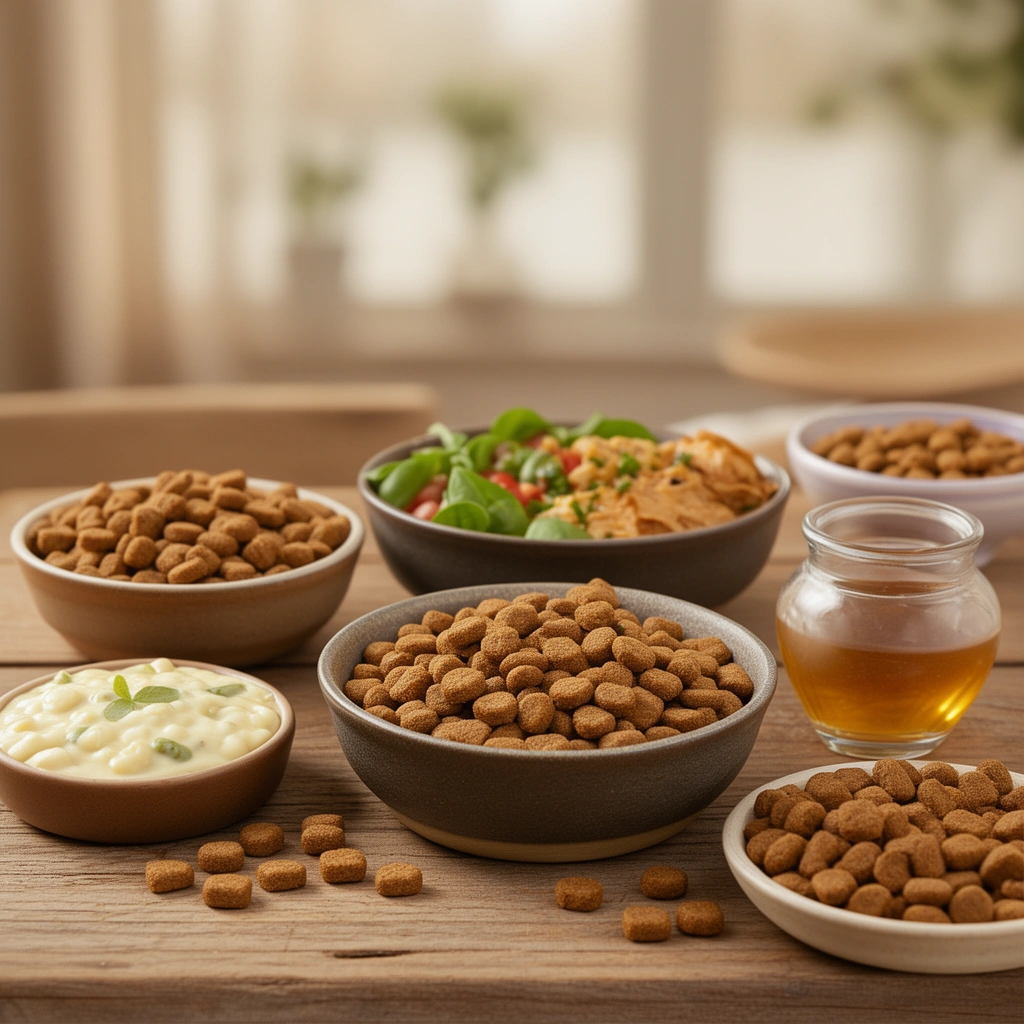
When it comes to feeding toy breeds, I understand how crucial it is to get their diet just right. These tiny dogs have unique nutritional needs, and I’m here to share the most accurate, detailed insights to help you provide the best meals for your furry friend. You can trust that this guide covers everything you need, from ingredients to meal ideas that support their health and happiness.
So, what food should you feed a toy breed dog? Toy breed dogs require nutrient-dense, high-quality meals tailored to their small size and fast metabolism. Their food should be rich in protein, healthy fats, and essential vitamins and minerals to maintain energy, promote healthy skin and coat, and support dental health.
Keep reading, and I’ll walk you through various meal ideas, ingredient tips, and feeding strategies designed specifically for toy breeds. Whether you have a Chihuahua, Pomeranian, or Yorkshire Terrier, this guide will help you nail the perfect dog food meals.
Why Toy Breeds Need Special Dog Food Meals
Toy breeds are not just smaller versions of larger dogs—they have unique metabolic rates, digestive systems, and energy requirements. Their tiny mouths and teeth also mean the size and texture of their food must be adapted for easy eating. Because of these differences, feeding them typical dog food might not always meet their nutritional needs or could even cause health issues.
Toy breeds burn calories faster than larger dogs. This means they need calorie-dense meals packed with nutrients to sustain their energy levels throughout the day. Also, because of their small stomach capacity, frequent small meals rather than a few large ones work best. This approach supports digestion and prevents hypoglycemia, a common risk in toy breeds.
Moreover, dental health is a priority. Many toy breeds are prone to dental problems, so their food should contribute to maintaining oral hygiene, either through texture or ingredients that support teeth and gums. This means dry kibble designed for small teeth or balanced homemade recipes with dental benefits can be ideal.
Understanding the Nutritional Needs of Toy Breeds
When feeding toy breed dogs, it’s essential to understand the key nutritional components that support their health:
- Protein: High-quality animal protein is vital for muscle maintenance and overall body functions.
- Fat: Healthy fats provide concentrated energy and support skin and coat health.
- Carbohydrates: Easily digestible carbs supply quick energy but should be limited to avoid weight gain.
- Vitamins and Minerals: Crucial for immune function, bone health, and metabolic processes.
- Fiber: Supports digestion without taking up too much stomach space.
Keeping these components balanced and tailored to small breeds’ metabolism ensures your dog stays healthy, energetic, and happy. Now, let’s dive into some delicious and nutritious dog food meals crafted specifically to meet these needs.
Homemade Chicken and Sweet Potato Meal: A Protein-Packed Favorite
This meal works wonders because chicken is a lean, easily digestible protein that provides essential amino acids for muscle health. Sweet potatoes are a fantastic source of fiber and vitamins like A and C, which support immune health and digestion.
- Ingredients: Skinless chicken breast, cooked sweet potatoes, a splash of olive oil, and a sprinkle of chopped parsley.
- Health Benefits: The lean protein helps maintain muscle mass, while sweet potatoes provide energy and fiber to keep digestion smooth.
- Practical Tip: Cook chicken without seasoning and mash sweet potatoes to a soft texture for easy eating.
Designed for toy breeds, this meal is small-bite friendly and nutrient-dense. It suits both modern pet parents who prefer homemade meals and those looking for natural ingredients. The combination is gentle on the stomach and perfect for dogs with sensitive digestion.
Next up, we’ll explore a meal that brings the benefits of fish oils and omega fatty acids into your toy breed’s diet.
Salmon and Quinoa Delight: Boosting Omega Fatty Acids for a Shiny Coat
Salmon is an excellent source of omega-3 fatty acids, which help reduce inflammation and promote a lustrous coat. Quinoa adds a protein-rich grain alternative that supports energy without common allergens like wheat or corn.
- Ingredients: Cooked salmon (boneless), cooked quinoa, steamed carrots, and a dash of flaxseed oil.
- Health Benefits: Omega-3s from salmon improve skin and coat health, while quinoa provides essential amino acids and fiber.
- Practical Tip: Ensure salmon is fully cooked and boneless to avoid choking hazards, and introduce flaxseed oil gradually to prevent digestive upset.
This meal’s balance of protein and healthy fats is perfect for toy breeds prone to dry skin or allergies. It fits well with traditional or modern feeding styles, offering a wholesome, gourmet option.
Moving on, let’s talk about a quick and easy recipe for busy pet parents that doesn’t compromise nutrition.
Turkey and Pumpkin Mash: Easy Digestibility with Immune Support
Turkey is a lean protein that’s gentle on the stomach, making it great for sensitive toy breeds. Pumpkin is loaded with fiber and beta-carotene, aiding digestion and supporting immunity.
- Ingredients: Ground turkey, canned pumpkin (plain), cooked brown rice, and a pinch of turmeric.
- Health Benefits: The fiber from pumpkin helps regulate bowel movements, while turmeric provides anti-inflammatory properties.
- Practical Tip: Mix ingredients thoroughly and serve in small portions to prevent overeating and weight gain.
This simple meal is perfect for dogs with digestive issues or picky eaters. It’s easy to prepare and can fit into any home style, from rustic to minimalist kitchens.
Next, I’ll share a recipe that doubles as a dental aid while delivering essential nutrients.
Crunchy Kibble Mix with Carrot and Apple: Supporting Dental Health
Crunchy kibble designed for toy breeds can help reduce plaque buildup. Adding small pieces of carrot and apple provides natural enzymes and vitamins.
- Ingredients: High-quality dry kibble for toy breeds, shredded carrot, diced apple (no seeds), and a sprinkle of parsley.
- Health Benefits: Crunchy textures promote dental health; carrots and apples provide vitamins and antioxidants.
- Practical Tip: Always supervise your dog when feeding fruits and vegetables to avoid choking.
This meal idea combines convenience with health benefits, perfect for busy pet owners who want to maintain their toy breed’s dental hygiene alongside balanced nutrition.
Let’s explore a recipe that incorporates superfoods for an extra health boost.
Superfood Boosted Meal: Blueberries, Spinach & Lean Beef
Blueberries and spinach are superfoods rich in antioxidants, vitamins, and minerals. Paired with lean beef, this meal supports overall vitality and immune health.
- Ingredients: Ground lean beef, steamed spinach, fresh blueberries, and a teaspoon of coconut oil.
- Health Benefits: Antioxidants from blueberries and spinach combat free radicals; lean beef supplies essential proteins.
- Practical Tip: Introduce new ingredients gradually to monitor for allergies and avoid stomach upset.
This recipe suits pet parents who want to add natural superfoods to their dog’s diet. It’s flavorful and packed with nutrients, ideal for toy breeds with active lifestyles.
Next, I’ll cover how to balance homemade meals with commercial food for optimal nutrition.
Combining Homemade with Commercial Food: Striking the Right Balance
Feeding your toy breed a mix of homemade and high-quality commercial dog food can be beneficial. Homemade meals offer freshness and control over ingredients, while commercial foods provide balanced nutrition and convenience.
- Advice: Choose commercial kibble formulated specifically for toy breeds to ensure appropriate kibble size and nutrient density.
- Practical Tip: Gradually introduce homemade additions to commercial meals to avoid digestive upset.
- Colors and Presentation: Bright, fresh ingredients like carrots or peas can make meals more appealing.
This hybrid approach suits modern lifestyles, offering flexibility while meeting your dog’s unique dietary requirements. It works well in traditional homes and contemporary settings alike.
Next, I’ll discuss important feeding schedules tailored for toy breeds.
Feeding Schedule for Toy Breeds: Small, Frequent Meals
Due to their small stomachs and fast metabolism, toy breeds benefit from multiple small meals throughout the day rather than one or two large meals.
- Advice: Feed 3 to 4 small meals daily to maintain energy levels and prevent hypoglycemia.
- Practical Tip: Use portion control tools or pre-measured containers to avoid overfeeding.
- Considerations: Adjust meal frequency based on activity level, age, and health status.
This feeding strategy supports steady energy, better digestion, and weight management. It’s practical for all home styles and lifestyles, ensuring your little dog stays fueled and happy.
Next, I’ll highlight key supplements that can enhance your toy breed’s diet.
Essential Supplements for Toy Breeds: Supporting Overall Health
Sometimes, adding supplements to your dog’s meals can boost health, especially for toy breeds with specific needs.
- Common Supplements:
- Omega-3 Fatty Acids: For skin and coat health.
- Glucosamine and Chondroitin: For joint support.
- Probiotics: To aid digestion.
- Multivitamins: To fill nutritional gaps.
- Practical Tip: Always consult your vet before adding supplements to avoid overdosing.
Supplements can complement meals and address breed-specific problems, helping your toy breed live a longer, healthier life. This advice fits well with both homemade and commercial feeding routines.
Moving on, let’s discuss hydration importance and tips for toy breeds.
Hydration Tips for Toy Breeds: Encouraging Regular Water Intake
Proper hydration is essential for all dogs, especially toy breeds, who can dehydrate quickly due to their size.
- Advice: Provide fresh water at all times and encourage drinking by using shallow bowls or pet fountains.
- Practical Tip: Mix wet food or broth into meals to increase fluid intake.
- Warning: Avoid sugary drinks or human beverages which can harm dogs.
Maintaining hydration supports digestion, kidney function, and overall vitality. These simple strategies fit any home environment and complement meal plans.
Next, I’ll provide some quick snack ideas safe for toy breeds.
Healthy Snack Options for Toy Breeds: Treats That Nourish
Snacks are a great way to reward your toy breed, but choosing healthy options is key.
- Recommended Snacks:
- Small pieces of cooked chicken or turkey.
- Baby carrots or green beans.
- Blueberries or apple slices (no seeds).
- Commercial treats made for toy breeds.
- Practical Tip: Keep treats under 10% of daily calorie intake to prevent obesity.
Healthy snacks support training and bonding without compromising nutrition. They’re easy to prepare and fit perfectly into any feeding routine.
Next, let’s explore considerations for senior toy breeds’ diets.
Senior Toy Breed Dog Food Meals: Tailoring Nutrition for Aging Pets
As toy breeds age, their metabolism and digestive efficiency change, requiring adjustments in diet.
- Advice: Increase fiber for digestion, reduce calories to prevent weight gain, and add joint-supporting nutrients.
- Ingredients to Consider: Lean proteins, pumpkin, glucosamine supplements, and easily digestible grains.
- Practical Tip: Monitor weight and energy levels closely and consult your vet for personalized diet plans.
Senior-specific meals help maintain vitality and comfort, suitable for traditional or modern households.
Lastly, I’ll share some handy tips for transitioning your dog’s diet safely.
Transitioning to New Dog Food Meals: How to Do It Right
Switching your toy breed’s food requires care to avoid digestive upset.
- Advice: Gradually mix new food with old over 7 to 10 days, increasing the new food’s portion daily.
- Practical Tip: Watch for signs of allergies or intolerance during the transition.
- Additional Tip: Keep feeding times consistent to reduce stress.
A smooth transition keeps your dog’s digestive system happy and supports long-term health.
Conclusion
Feeding dog food meals for toy breeds means understanding their unique needs and providing nutrient-rich, manageable portions. From homemade chicken and sweet potato meals to superfood-packed recipes, there are many delicious and healthy options to keep your little companion thriving.
By balancing protein, healthy fats, vitamins, and minerals, and incorporating proper feeding schedules and hydration, you can ensure your toy breed lives a long, energetic life. Remember, the key is tailored nutrition that fits your dog’s size, metabolism, and lifestyle.
Feeding your toy breed the right meals isn’t just about food—it’s about love and care in every bite. With these tips and recipes, you’re well-equipped to give your tiny best friend the nutrition they deserve.