
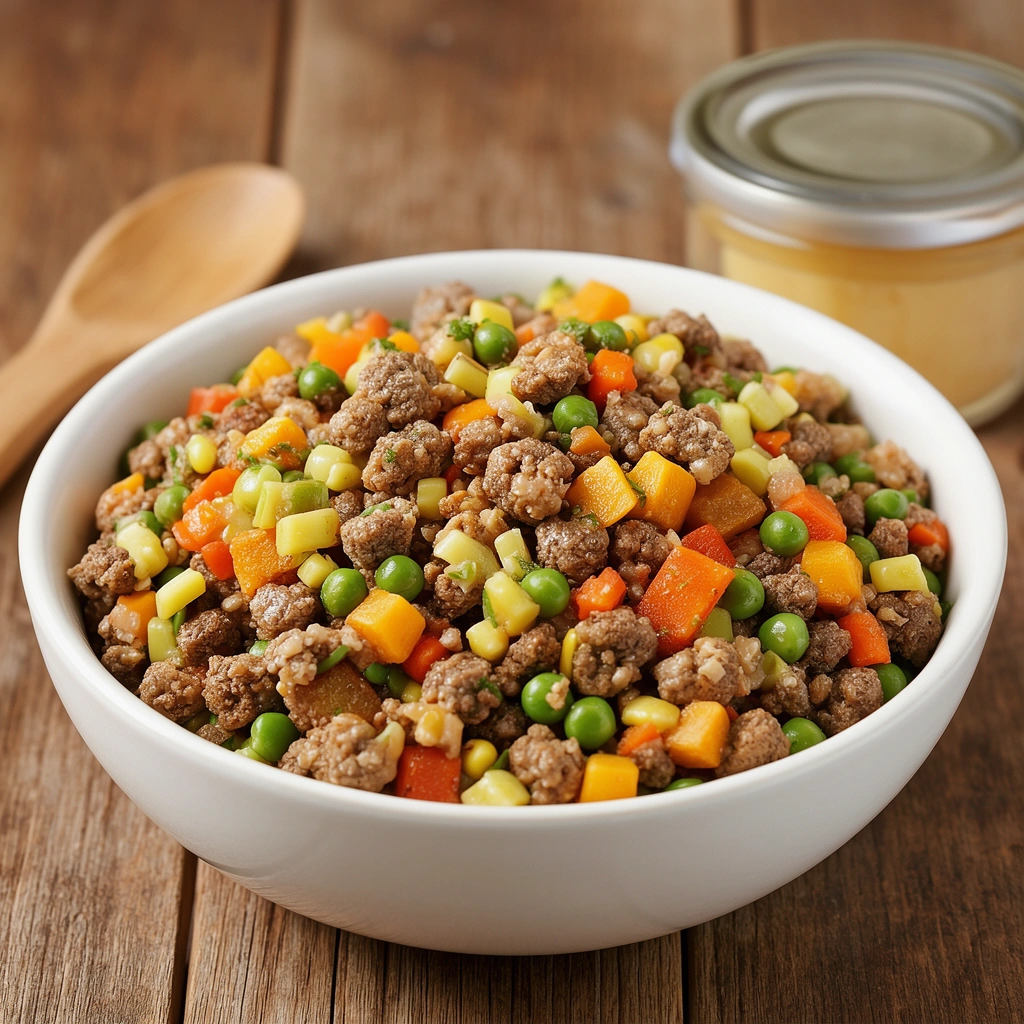
When it comes to feeding our aging furry friends, I know how important it is to get it just right. Having spent years researching and caring for senior dogs, I’m confident this guide will give you the most accurate and practical information you need to prepare homemade dog food that truly supports your senior dog’s health. Whether you’re a seasoned dog parent or just beginning to explore homemade diets, I’ve got you covered with reliable, easy-to-follow advice.
So, what exactly is the best homemade dog food for senior dogs? Homemade dog food for senior dogs is a carefully balanced diet made from fresh, whole ingredients designed to meet the unique nutritional needs of older dogs. It focuses on maintaining joint health, supporting digestion, and preventing age-related diseases by including high-quality proteins, fiber, and essential vitamins and minerals.
In this article, I’ll walk you through everything from understanding your senior dog’s dietary needs to practical recipe ideas that you can make at home. Stay with me to learn how to keep your senior dog happy and healthy with homemade meals tailored specifically for their golden years.
Why Homemade Dog Food Is Ideal for Senior Dogs
Feeding your senior dog homemade food offers control over every ingredient, which is crucial as they age and their dietary needs change. Unlike commercial dog foods that often contain fillers, preservatives, and artificial additives, homemade meals allow you to provide fresh, wholesome nutrients that support aging joints, brain health, and digestion. It’s a way to personalize your dog’s diet based on their health conditions and preferences.
When dogs get older, their metabolism slows down, and they often develop sensitivities or chronic conditions like arthritis or kidney issues. Homemade food lets you incorporate anti-inflammatory ingredients such as turmeric, omega-3 fatty acids from fish oils, and easily digestible proteins like chicken or turkey. You can also adjust portion sizes and nutrient ratios more precisely than with store-bought kibble.
Plus, preparing meals at home creates a stronger bond between you and your dog, as you become more attuned to their responses and needs. You can experiment with recipes to see what they enjoy and what benefits their health most, making mealtime something both of you look forward to.
Understanding the Nutritional Needs of Senior Dogs
Senior dogs require a delicate balance of nutrients to maintain their vitality and quality of life. As they age, their caloric needs usually decrease due to reduced activity, but their nutrient needs often increase or shift. Proteins become vital for muscle maintenance, while antioxidants support immune function and brain health. A senior dog’s diet also needs to be gentle on the digestive system and supportive of joint health.
Key nutrients to focus on for senior dogs include:
- High-quality protein: Helps preserve lean muscle mass.
- Fiber: Promotes healthy digestion and prevents constipation.
- Omega-3 fatty acids: Reduce inflammation and support cognitive function.
- Glucosamine and chondroitin: Support joint health and mobility.
- Antioxidants (vitamins E and C): Protect cells from damage.
- Limited phosphorus and sodium: Important for kidney health.
Ignoring these needs can lead to obesity, arthritis, cognitive decline, and digestive problems. Homemade dog food allows you to fine-tune these nutrients based on your vet’s recommendations and your dog’s specific health profile.
Essential Tips Before Preparing Homemade Food for Senior Dogs
Before you jump into cooking for your older dog, there are a few important things to keep in mind:
- Consult your vet: Always check with your veterinarian to understand your senior dog’s specific health concerns and dietary restrictions.
- Avoid harmful ingredients: Foods like onions, garlic, grapes, raisins, and chocolate are toxic to dogs.
- Balance is key: Ensure your dog’s meals have the right balance of protein, carbs, fats, vitamins, and minerals.
- Gradual transitions: Introduce homemade food gradually to avoid upsetting your dog’s stomach.
- Monitor weight and health: Keep an eye on your dog’s weight, energy levels, and stool quality to adjust meals as needed.
With these tips in mind, let’s dive into some delicious and nutritious homemade dog food recipe ideas tailored especially for senior dogs.
Soft and Nutritious Chicken and Rice Bowl
This chicken and rice bowl is a classic recipe that works wonderfully for senior dogs because it’s gentle on their stomach and easy to digest. Chicken provides high-quality protein essential for maintaining muscle mass, while rice serves as a mild carbohydrate source that won’t upset delicate digestion.
Health Benefits:
- Lean protein from chicken helps maintain muscle.
- Rice offers easily digestible energy.
- Carrots and peas add fiber and antioxidants.
- Contains glucosamine if you use chicken cartilage or add supplements.
Ingredients:
- 1 cup cooked chicken breast, shredded
- 1/2 cup cooked brown or white rice
- 1/4 cup cooked carrots, mashed
- 1/4 cup cooked peas
- 1 tsp fish oil (for omega-3s)
- Optional: a pinch of turmeric powder for anti-inflammatory benefits
Practical Tip:
Use chicken breast without skin to keep fat levels low, but you can include cartilage or bones ground into powder for joint-supporting glucosamine if your vet approves.
This meal is flexible, easy to prepare in batches, and can be refrigerated or frozen for convenience. It suits dogs with mild digestive issues or those needing a simple, balanced diet.
Omega-3 Rich Salmon and Sweet Potato Mash
Salmon is a superstar ingredient for senior dogs because it is packed with omega-3 fatty acids, which reduce inflammation and support brain health. Paired with sweet potatoes, which provide fiber and essential vitamins, this recipe is both tasty and functional.
Health Benefits:
- Omega-3 fatty acids improve joint mobility and cognitive function.
- Sweet potatoes offer antioxidants and fiber for digestion.
- Low in saturated fat, supporting heart health.
Ingredients:
- 1 cup cooked salmon (skin removed)
- 1/2 cup cooked sweet potatoes, mashed
- 1/4 cup cooked green beans, chopped
- 1 tsp flaxseed oil or fish oil
- A dash of parsley (optional, for fresh breath)
Practical Tip:
Make sure to cook the salmon thoroughly to avoid parasites and remove all bones. Flaxseed oil can be a great alternative to fish oil if your dog prefers it.
This recipe works well for dogs with arthritis or cognitive decline and is suitable for various home styles of feeding, from raw food enthusiasts to those who prefer cooked meals.
Turkey and Pumpkin Stew for Digestive Health
Turkey is a lean protein that senior dogs can digest easily, while pumpkin is widely recognized for its digestive benefits. This hearty stew supports gut health and can help regulate bowel movements in senior dogs prone to constipation or loose stools.
Health Benefits:
- Lean protein aids in muscle maintenance.
- Pumpkin is rich in fiber and vitamins A and C.
- Helps regulate digestion and soothe upset stomachs.
Ingredients:
- 1 cup cooked ground turkey
- 1/2 cup cooked pumpkin puree (plain, not spiced)
- 1/4 cup cooked zucchini, chopped
- 1/4 cup cooked quinoa
- 1 tsp coconut oil (for healthy fats)
Practical Tip:
Pumpkin can be canned or fresh, but avoid any with added sugars or spices. Quinoa is a great grain alternative for dogs with grain sensitivities.
This recipe is a great option for senior dogs needing extra digestive support and pairs well with supplements like probiotics if recommended by your vet.
Beef and Vegetable Medley for Joint Support
Beef is an excellent source of protein and iron, essential for senior dogs who need to maintain energy. When combined with vegetables like spinach and carrots, this recipe provides antioxidants and vitamins that support joint and overall health.
Health Benefits:
- Iron-rich beef combats anemia.
- Vegetables provide antioxidants for cellular repair.
- Inclusion of bone broth can add collagen and minerals for joint health.
Ingredients:
- 1 cup lean ground beef, cooked
- 1/2 cup chopped spinach, steamed
- 1/4 cup shredded carrots
- 1/4 cup cooked barley or oats
- 1/4 cup bone broth (low sodium)
Practical Tip:
Bone broth is a fantastic addition for senior dogs, offering hydration and joint-supporting nutrients. Prepare your own at home to control sodium content.
This medley is excellent for dogs with arthritis or those needing a nutrient-rich meal to maintain muscle and joint function.
Vegetarian-Friendly Lentil and Vegetable Stew
For senior dogs with allergies or sensitivities to meat, a vegetarian lentil stew can provide protein and fiber without compromising nutrition. Lentils are a great plant-based protein source, and combined with vegetables, they offer a balanced meal.
Health Benefits:
- Lentils provide plant-based protein and fiber.
- Rich in vitamins and minerals from mixed vegetables.
- Supports digestion and weight management.
Ingredients:
- 1 cup cooked lentils
- 1/2 cup cooked carrots, peas, and green beans mixed
- 1/4 cup cooked sweet potato or pumpkin
- 1 tsp olive oil
- A pinch of turmeric or ginger for anti-inflammatory effects
Practical Tip:
Ensure lentils are fully cooked and mashed if your dog has trouble chewing. This recipe works well for senior dogs with meat allergies or those on a limited protein diet.
This stew is a wholesome alternative that can be tailored to your dog’s preferences and health needs.
Supplementing Homemade Meals for Senior Dogs
While homemade meals can meet many nutritional needs, senior dogs often benefit from supplements to fill gaps. Common supplements include:
- Glucosamine and chondroitin: For joint health.
- Fish oil or omega-3 capsules: To reduce inflammation.
- Probiotics: To support digestion.
- Multivitamins: To ensure adequate micronutrients.
Always consult your veterinarian before adding supplements to avoid overdosing or interactions with medications.
How to Transition Your Senior Dog to Homemade Food
Changing your dog’s diet abruptly can lead to digestive upset. Here’s a simple transition plan:
- Start by mixing 25% homemade food with 75% current food.
- Gradually increase the homemade portion over 7-10 days.
- Watch for any signs of allergies or discomfort.
- Adjust recipes or ingredients as needed.
This process helps your dog’s digestive system adapt smoothly and reduces the risk of diarrhea or vomiting.
Monitoring Your Senior Dog’s Health on Homemade Food
Feeding homemade meals means you need to be vigilant about your dog’s health and nutrition. Keep track of:
- Weight: Prevent obesity or unintentional weight loss.
- Coat condition: Should remain shiny and healthy.
- Energy levels: Should stay consistent or improve.
- Stool quality: Should be firm and regular.
Regular vet checkups and blood tests can help ensure your dog’s diet is meeting their needs.
Final Thoughts on Homemade Dog Food for Senior Dogs
Homemade dog food for senior dogs is a powerful way to enhance their health and happiness in their golden years. By tailoring meals to their specific needs — focusing on joint support, digestion, and balanced nutrition — you can help your senior dog live a longer, more comfortable life. Remember, it’s all about quality ingredients, proper balance, and gradual transitions.
I hope these recipes and tips inspire you to try homemade meals for your senior dog. With a little effort and love, you can make mealtime a highlight of their day while supporting their well-being.
If you’re ready to take the next step in caring for your senior dog, try one of these wholesome recipes today. Homemade dog food for senior dogs is not just food — it’s a way to say “I care” with every bite.