
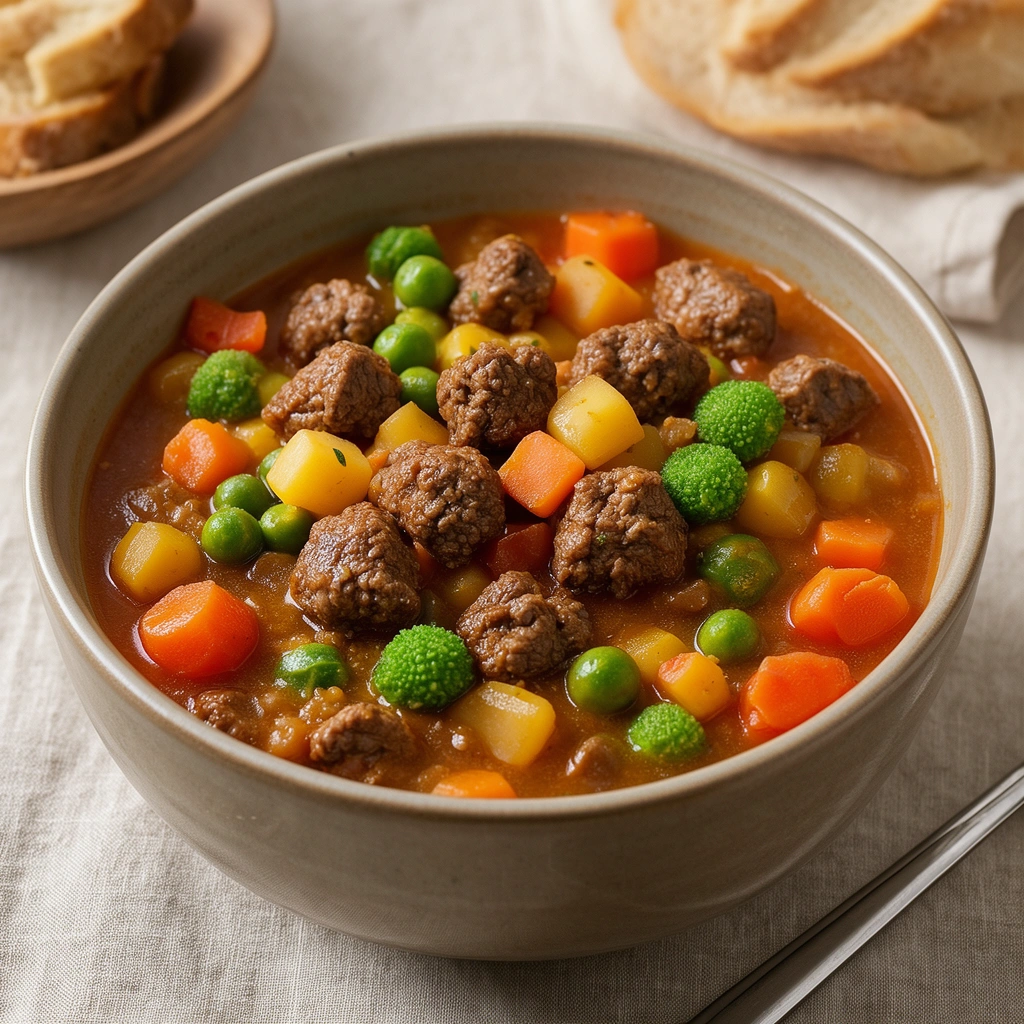
Hey friends! If you’ve ever wondered how to whip up a wholesome homemade dog food veggie beef stew that’s both healthy and tasty for your furry buddy, you’re in the right place. I’m here to share everything you need to know to make a stew that your dog will love and that will nourish them from the inside out. Let’s dive into the world of nutritious dog meals made with love and simple ingredients.
So, what exactly is homemade dog food veggie beef stew? It’s a carefully balanced dish made from lean beef, fresh vegetables, and dog-safe grains, slow-cooked to perfection to deliver essential nutrients that support your dog’s health. This stew provides protein, fiber, vitamins, and minerals in a natural, preservative-free meal that’s far better than many commercial dog foods.
Stick around to learn not only the recipe but also key tips on ingredient selection, food safety, cooking methods, and feeding guidelines that will help you confidently prepare this stew for your dog. I’ll also cover some common pitfalls to avoid and share ways to customize the stew based on your dog’s specific needs.
What Is Homemade Dog Food Veggie Beef Stew?
Homemade dog food veggie beef stew is a hearty, nutrient-dense meal made by cooking lean beef with a variety of dog-friendly vegetables and grains. It’s designed to mimic a balanced diet, providing protein for muscle maintenance, fiber for digestion, and vitamins and minerals for overall wellness. Unlike commercial dog foods, homemade stews allow you full control over ingredient quality and avoid artificial additives.
When you make this stew at home, you can adjust the ingredient ratios to suit your dog’s size, age, and dietary needs. For example, adding sweet potatoes for extra fiber or carrots for vitamin A boosts nutritional value. Plus, slow-cooking locks in flavors and makes the food easy to digest. This stew can either be served as a complete meal or mixed with dry kibble for variety.
In the following sections, I’ll walk you through the best ingredients to use, the cooking process, tips for serving and storing, and health benefits that make this stew a fantastic addition to your dog’s diet. Let’s get started on crafting this wholesome and delicious meal!
Why Choose Homemade Dog Food Veggie Beef Stew?
Making homemade dog food veggie beef stew is a fantastic way to ensure your dog consumes fresh, nutritious ingredients without harmful fillers or preservatives. Commercial dog foods often contain additives, by-products, and fillers that can cause allergies or digestive issues. By cooking at home, you control every ingredient, promoting your dog’s health and wellbeing.
This stew is packed with lean protein from beef, essential for muscle health and energy. The inclusion of vegetables like carrots, green beans, and peas adds fiber and antioxidants that support digestion and immunity. Grains or potatoes provide complex carbohydrates for sustained energy release. Altogether, it’s a balanced meal that’s gentle on your dog’s stomach.
A homemade approach also allows customization—whether your dog needs a low-fat diet, is allergic to certain ingredients, or requires more vitamins. Plus, it’s a great bonding experience feeding your dog fresh food made with care. Next, I’ll share the exact ingredients and step-by-step instructions so you can make this stew at home easily.
Key Ingredients for Homemade Dog Food Veggie Beef Stew
Before jumping into cooking, let’s talk ingredients. Choosing dog-safe and nutrient-rich components is crucial for making a healthy stew.
Lean Beef
- Provides high-quality protein and essential amino acids.
- Choose lean cuts like sirloin or round to avoid excess fat.
- Beef also supplies iron and zinc, vital for immune function.
Vegetables
- Carrots: Rich in beta-carotene (vitamin A) supporting vision and skin health.
- Green Beans: Low-calorie fiber source aiding digestion.
- Peas: Contain vitamins A, K, and B vitamins.
- Sweet Potatoes or Pumpkin: Excellent for fiber and digestive health.
Grains or Starches
- Brown rice or oatmeal: Provide complex carbs and fiber.
- Avoid wheat or corn which can cause allergies in some dogs.
Broth or Water
- Use low-sodium beef or chicken broth or plain water for cooking.
- Avoid onion or garlic broth as these are toxic to dogs.
Optional Additions
- Fish oil or flaxseed oil: For omega-3 fatty acids promoting coat health.
- Calcium supplement or crushed eggshells: To balance calcium-phosphorus ratio.
Always consult your vet before introducing supplements, especially for dogs with health conditions.
Step-by-Step Guide to Making the Stew
Here’s how to make your dog’s veggie beef stew with ease:
- Prepare Ingredients: Chop beef into small, bite-sized pieces. Dice vegetables into manageable chunks.
- Brown the Beef: In a large pot, brown the beef over medium heat to lock in flavor.
- Add Vegetables and Grains: Toss in carrots, green beans, peas, and your chosen grain.
- Pour Broth or Water: Add enough liquid to cover ingredients by about an inch.
- Simmer Gently: Cover and simmer on low heat for 1.5 to 2 hours until beef is tender and grains are cooked.
- Cool Before Serving: Let the stew cool to room temperature before serving to your dog.
- Optional Extras: Stir in fish oil or calcium supplement if desired.
Tips for Cooking
- Avoid using salt, onions, garlic, or other toxic ingredients.
- Slow cooking enhances digestibility and flavor.
- Store leftovers in airtight containers refrigerated up to 4 days or freeze for longer storage.
Health Benefits of Veggie Beef Stew for Dogs
This stew isn’t just tasty; it’s a powerhouse of benefits:
- Supports Muscle Health: Lean beef provides essential amino acids for muscle repair and growth.
- Boosts Immune System: Antioxidants from vegetables help fight inflammation and disease.
- Improves Digestion: Fiber-rich veggies and grains aid in smooth digestion and prevent constipation.
- Promotes Healthy Skin and Coat: Vitamins and fatty acids nourish skin and fur.
- Provides Balanced Nutrition: When made properly, it covers protein, fat, carbs, vitamins, and minerals.
Feeding your dog homemade meals like this stew can reduce allergies, improve energy levels, and enhance overall vitality.
Customizing the Stew for Your Dog’s Needs
Every dog is unique, so tailoring the stew to their specific requirements is smart:
- For Puppies: Increase protein slightly and avoid heavy grains; add more vegetables.
- For Senior Dogs: Use leaner beef cuts, add joint-support supplements like glucosamine.
- For Allergies: Substitute beef with turkey or chicken, exclude problematic veggies.
- Weight Management: Use low-calorie veggies and control portion sizes carefully.
Consult your vet to ensure the stew meets your dog’s dietary goals and health status.
Feeding Guidelines and Portion Control
Knowing how much stew to feed is key:
- General rule: Feed 2-3% of your dog’s body weight daily, divided into two meals.
- Start with smaller portions to monitor tolerance.
- Observe your dog’s weight and energy; adjust feeding amounts accordingly.
- Combine with dry kibble if desired to balance texture and nutrition.
Avoid overfeeding to prevent weight gain or digestive upset.
Safety and Storage Tips
Keeping your homemade dog food safe is crucial:
- Always wash hands and utensils before preparation.
- Store cooked stew in airtight containers in the fridge for up to 4 days.
- Freeze portions in meal-sized containers for up to 3 months.
- Discard any stew left out at room temperature for more than 2 hours.
- Monitor your dog for any adverse reactions when introducing new foods.
These steps ensure your dog’s meals remain fresh and safe.
Common Mistakes to Avoid When Making Dog Food Stew
Here are some pitfalls to watch out for:
- Using toxic ingredients like onions, garlic, or excessive salt.
- Overcooking vegetables, which destroys nutrients.
- Neglecting to balance calcium and phosphorus.
- Feeding large amounts without vet guidance, risking nutrient imbalance.
- Ignoring food allergies or sensitivities.
Avoiding these errors helps keep your dog healthy and happy.
Why Homemade Food Beats Commercial Dog Food
While commercial dog food is convenient, homemade veggie beef stew offers advantages:
- Ingredient Transparency: You know exactly what your dog is eating.
- No Additives: Free from preservatives, artificial colors, and fillers.
- Tailored Nutrition: Adjust recipes for allergies or health needs.
- Freshness: Homemade meals retain more natural nutrients.
- Bonding: Cooking for your dog strengthens your relationship.
This stew proves that homemade is not only healthier but also more personal and rewarding.
How to Transition Your Dog to Homemade Stew
Switching your dog to homemade food should be gradual:
- Mix 25% stew with 75% current food for 3-4 days.
- Increase stew to 50%, then 75%, then 100% over 10-14 days.
- Watch for digestive upset or refusal to eat.
- Maintain clean water availability at all times.
Patience during transition ensures your dog adapts comfortably.
Conclusion
Homemade dog food veggie beef stew is an excellent way to provide your dog with a fresh, nutritious, and delicious meal that supports their overall health and happiness. By using lean beef, wholesome vegetables, and safe grains, you can create a balanced diet free of harmful additives. With proper preparation, portioning, and customization, this stew becomes a staple in your dog’s diet that you can feel great about.
So why wait? Start cooking this wholesome stew today and see the difference fresh, homemade food makes for your furry friend’s vitality and joy. Your dog deserves the best, and homemade veggie beef stew delivers just that!
Thank you for reading! If you found this guide helpful, feel free to share it with fellow dog lovers. Happy cooking and here’s to many tail-wagging mealtime moments with your pup!