
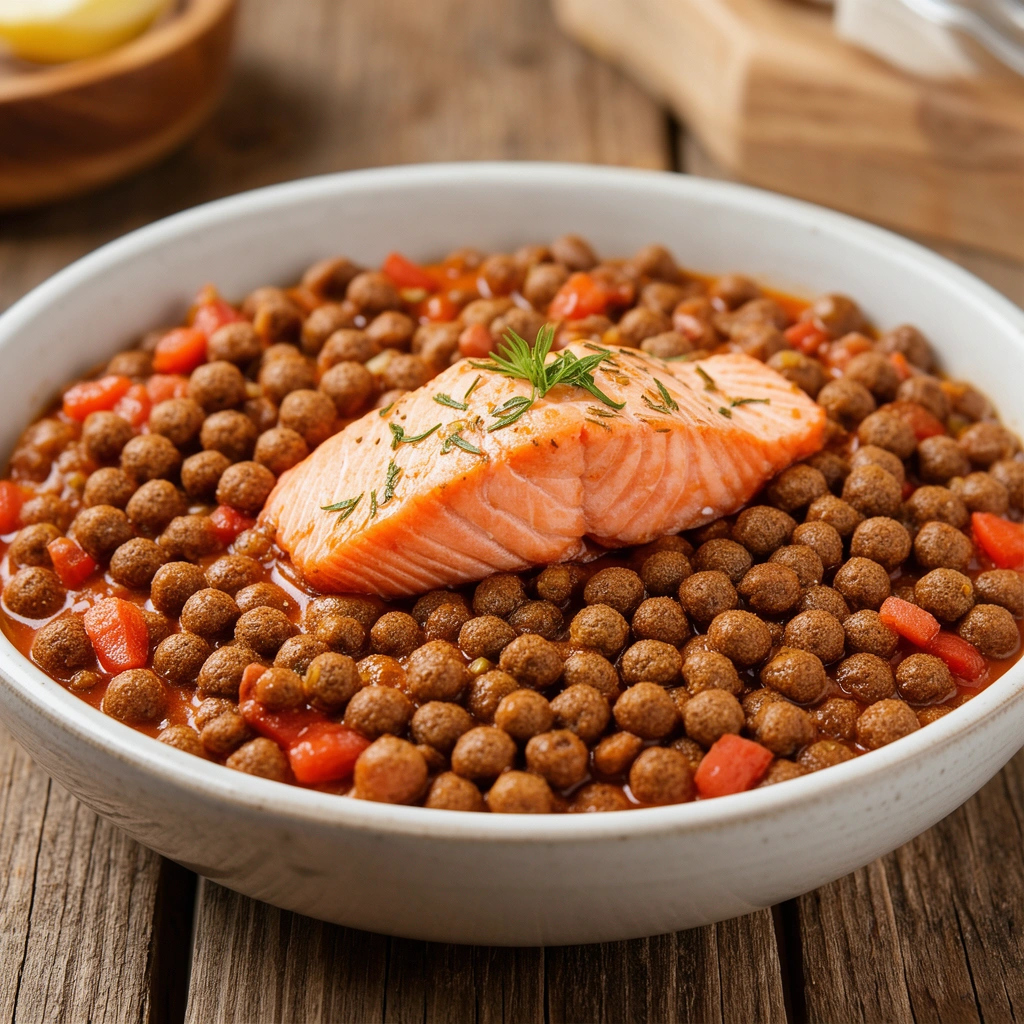
When it comes to feeding our furry friends, I know how important it is to find the best, most nutritious options available. After years of researching and testing, I’m confident I can share the most accurate and trustworthy insights about salmon dog food. This isn’t just about what’s trendy—it’s about what’s truly healthy and beneficial for your dog.
So, what exactly is salmon dog food, and why should you consider it? Salmon dog food is a type of dog food where salmon is the primary protein source. It provides essential omega-3 fatty acids, high-quality protein, and other nutrients that support your dog’s skin, coat, heart, and overall health. Feeding your dog salmon dog food can improve digestion, reduce inflammation, and support joint health.
In this guide, I’ll walk you through everything you need to know about salmon dog food—from its nutritional benefits and types to how to choose the best product for your pup. Ready to dive in? Let’s get started.
What is Salmon Dog Food?
Salmon dog food is formulated with salmon as the main ingredient, either fresh, dried, or powdered. It’s designed specifically for dogs and can be found in dry kibble, canned wet food, or freeze-dried and raw varieties. Salmon’s rich nutrient profile makes it an excellent source of animal protein and omega-3 fatty acids, which are crucial for dogs’ overall wellness.
Feeding your dog salmon dog food can help address common issues like dry skin, allergies, and poor coat health. Plus, it’s a great alternative for dogs with sensitivities to common proteins like chicken or beef. Salmon dog food is also often easier to digest, making it a smart choice for sensitive stomachs.
If you’re considering switching your dog’s diet or simply want to learn more about the benefits of salmon dog food, keep reading for detailed insights and practical tips.
Why Is Salmon a Great Protein Source for Dogs?
Salmon contains high-quality protein essential for muscle development, tissue repair, and energy. But what truly sets it apart is its abundance of omega-3 fatty acids—EPA and DHA—which are powerful anti-inflammatory agents. These fatty acids support:
- Healthy skin and shiny coat
- Reduced allergy symptoms
- Improved brain function
- Enhanced cardiovascular health
Moreover, salmon is rich in vitamins B12, D, and selenium, which all contribute to your dog’s immune system and bone health. For dogs with common protein allergies, salmon often serves as a novel protein, reducing the risk of adverse reactions.
When choosing salmon dog food, look for products that use wild-caught salmon, as it tends to have higher nutrient levels and fewer contaminants than farmed salmon.
Types of Salmon Dog Food: Which One Is Best for Your Dog?
There are several types of salmon dog food on the market, each with its own benefits and considerations:
- Dry Kibble with Salmon: Convenient, long shelf life, and often fortified with vitamins and minerals. Ideal for everyday feeding.
- Wet/Canned Salmon Dog Food: Higher moisture content, great for hydration and easier chewing, perfect for senior dogs or picky eaters.
- Freeze-Dried or Dehydrated Salmon: Retains most nutrients and is often used as a topper or treat.
- Raw Salmon-Based Diets: Mimics a dog’s natural diet but requires careful handling to avoid parasites and bacteria.
When selecting a type, consider your dog’s preferences, health needs, and lifestyle. For example, a senior dog with dental issues might benefit from wet food, while an active adult dog could thrive on quality dry kibble.
Health Benefits of Salmon Dog Food for Your Dog
Feeding your dog salmon dog food offers numerous health advantages:
- Supports Skin and Coat Health: Omega-3 fatty acids reduce inflammation, soothe dry skin, and promote a glossy coat.
- Boosts Immune System: Vitamins and antioxidants in salmon strengthen your dog’s natural defenses.
- Enhances Brain and Eye Function: DHA supports cognitive development and vision, especially important for puppies and senior dogs.
- Promotes Heart Health: Omega-3s improve circulation and reduce the risk of heart disease.
- Improves Joint Mobility: Anti-inflammatory properties ease arthritis symptoms and joint pain.
These benefits make salmon dog food an excellent choice for dogs of all ages and breeds, especially those prone to allergies or skin conditions.
How to Choose the Best Salmon Dog Food
Selecting the right salmon dog food involves more than just picking the one with the highest salmon content. Here’s what to look for:
- Quality of Salmon: Prefer wild-caught over farmed; check ingredient lists for specific salmon types.
- Protein Percentage: Aim for at least 20-30% protein content from salmon.
- Added Ingredients: Look for wholesome additions like sweet potatoes, peas, and antioxidants; avoid artificial preservatives, fillers, and by-products.
- Grain-Free vs. Grain-Inclusive: Choose based on your dog’s tolerance and nutritional needs.
- Manufacturing Standards: Check for brands with transparent sourcing, quality control, and positive reviews.
Always introduce new dog food gradually to avoid digestive upset, mixing it with the current food over 7-10 days.
Common Misconceptions About Salmon Dog Food
Many dog owners hesitate to feed salmon dog food due to misconceptions:
- Salmon is Bad Because of Mercury: While some fish contain mercury, most high-quality dog foods use salmon sourced from safe waters with minimal contamination.
- Salmon Can Cause Allergies: Salmon allergies are rare; it is often recommended for dogs allergic to other proteins.
- Salmon Dog Food is Too Expensive: Premium salmon dog foods might cost more, but the health benefits and reduced vet bills often justify the expense.
- Raw Salmon is Dangerous: Raw diets require caution, but many commercial raw diets use freeze-dried or safely treated salmon to minimize risks.
Understanding these facts helps you make informed choices for your dog’s diet.
How to Incorporate Salmon Dog Food Into Your Dog’s Diet
Switching to or adding salmon dog food to your dog’s diet can be easy with some simple strategies:
- Start by mixing 25% salmon dog food with 75% current food, gradually increasing over 7-10 days.
- Use salmon-based treats or toppers to entice picky eaters.
- Consult your veterinarian if your dog has existing health issues or dietary restrictions.
- Monitor your dog’s response—look for improvements in coat, energy, and digestion.
Remember, consistency and patience are key to a successful diet change.
Homemade Salmon Dog Food Recipes: A Nutritious Alternative
If you enjoy cooking for your dog, homemade salmon dog food can be a great option. Here’s a simple recipe to get you started:
Ingredients:
- 2 cups cooked wild-caught salmon (bones removed)
- 1 cup cooked sweet potatoes
- 1/2 cup cooked peas
- 1/4 cup cooked carrots, mashed
- 1 tablespoon olive oil
- 1/4 teaspoon turmeric (optional for anti-inflammatory benefits)
Instructions:
- Flake the cooked salmon into bite-sized pieces.
- Mix all ingredients thoroughly in a large bowl.
- Let cool before serving.
- Store leftovers in an airtight container in the fridge for up to 3 days.
This recipe delivers balanced protein, carbs, and healthy fats. You can customize it with other dog-safe vegetables or supplements as recommended by your vet.
Salmon Dog Food for Dogs with Allergies and Sensitivities
For dogs struggling with food allergies, salmon dog food can be a game-changer. Since salmon is often a novel protein, it’s less likely to trigger allergic reactions compared to common proteins like chicken or beef. Here’s why salmon works well:
- Low allergenic potential
- Supports anti-inflammatory response
- Easily digestible
However, it’s essential to perform an elimination diet under vet supervision to confirm salmon is a safe option for your dog.
Environmental and Ethical Considerations of Salmon Dog Food
Choosing salmon dog food also involves thinking about sustainability and ethics:
- Wild-Caught vs. Farmed Salmon: Wild-caught salmon is generally more sustainable and less likely to contain contaminants, but overfishing is a concern.
- Certifications to Look For: MSC (Marine Stewardship Council) certification ensures sustainable fishing practices.
- Eco-Friendly Brands: Many companies prioritize ethical sourcing and use recyclable packaging.
Supporting brands committed to sustainability helps protect our oceans and ensures a steady supply of healthy salmon for pets.
Storage and Handling Tips for Salmon Dog Food
To keep your dog’s salmon food fresh and safe:
- Store dry kibble in an airtight container in a cool, dry place.
- Refrigerate opened wet food and use within 3-5 days.
- Freeze freeze-dried or raw salmon portions if not used immediately.
- Always check expiration dates and avoid feeding spoiled or rancid food.
Proper storage preserves nutrients and prevents illness.
Frequently Asked Questions About Salmon Dog Food
Q: Can puppies eat salmon dog food?
A: Yes, salmon dog food is safe and beneficial for puppies, especially those needing novel proteins.
Q: Is salmon dog food safe for dogs with pancreatitis?
A: Consult your vet first; salmon is fatty, so moderation is key.
Q: How much salmon dog food should I feed my dog?
A: Follow manufacturer’s guidelines based on weight and activity level; adjust as needed.
Conclusion
Salmon dog food is a nutritious, wholesome option that supports your dog’s skin, coat, brain, and overall health. Its rich omega-3 fatty acids and high-quality protein make it a standout choice, especially for dogs with allergies or sensitivities. Whether you opt for commercial kibble, wet food, or homemade recipes, incorporating salmon into your dog’s diet can lead to visible improvements in vitality and well-being.
Remember, choosing the right salmon dog food involves careful consideration of ingredient quality, your dog’s needs, and sustainability factors. With the right approach, you’ll provide your furry friend with delicious, health-boosting meals they’ll love.
Salmon dog food truly is a smart, tasty way to keep your dog happy and healthy—so why not give it a try today?