
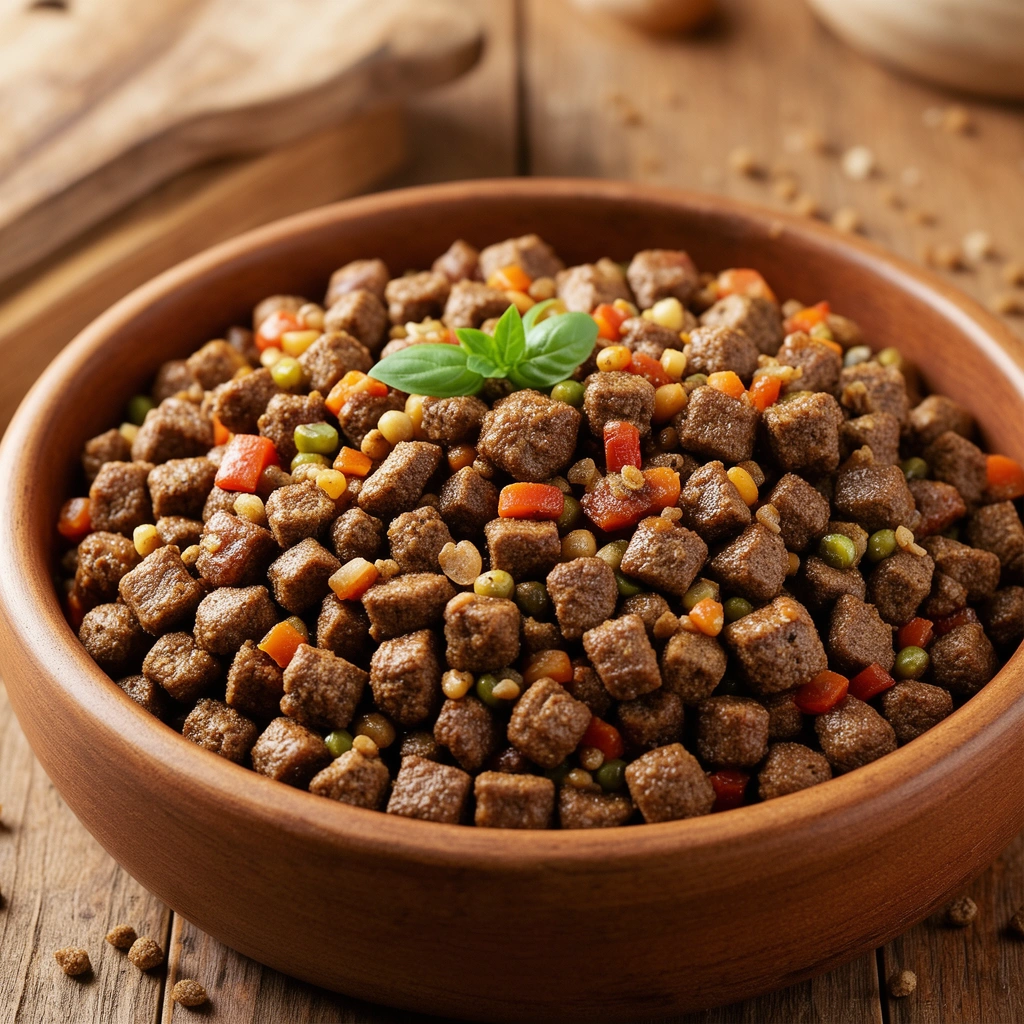
When it comes to feeding our furry friends, I know how important it is to find reliable, accurate information that helps make the best choices for their health. I’ve spent years researching dog nutrition, focusing on quality ingredients that support well-being and vitality. Today, I’m excited to share everything you need to know about lamb dog food—an excellent protein source gaining popularity among dog owners and nutritionists alike.
So, what exactly is lamb dog food, and why might it be the right choice for your dog? Lamb dog food is a type of commercial or homemade dog diet where lamb meat is the primary protein source. It’s often recommended for dogs with food sensitivities or allergies to common proteins like chicken or beef because lamb is less likely to trigger reactions. Lamb dog food provides essential nutrients such as amino acids, vitamins, and minerals needed for your dog’s energy, muscle health, and immune support.
Stick with me to uncover the many benefits of lamb dog food, how to choose the best options on the market, and practical tips for feeding your dog lamb-based meals. Whether you’re curious about lamb’s nutritional profile or want to know how to transition your dog’s diet, I’ve got you covered.
What Is Lamb Dog Food and Why Choose It?
Lamb dog food refers to dog food products where lamb meat is the main ingredient. This type of food can come in many forms: dry kibble, wet canned food, raw diets, or homemade recipes. Lamb itself is a rich source of high-quality protein, essential fatty acids, and micronutrients like zinc, iron, and B vitamins. These nutrients are critical for maintaining your dog’s muscle strength, coat health, and overall vitality.
Choosing lamb dog food is especially beneficial for dogs with allergies or intolerances to more common proteins like chicken, beef, or fish. Since lamb is a novel protein for many dogs, it can reduce the risk of allergic reactions. Additionally, lamb contains conjugated linoleic acid (CLA), a fatty acid known for its anti-inflammatory properties, which can support joint health and reduce inflammation.
When selecting lamb dog food, look for products where lamb meat or lamb meal is the first ingredient. Avoid foods that list by-products, fillers, or artificial additives prominently. The best lamb dog foods also include wholesome carbohydrates like sweet potatoes or brown rice and added vitamins and minerals to ensure a balanced diet.
Nutritional Profile of Lamb for Dogs
Lamb is a powerhouse of nutrition that supports a dog’s daily needs:
- Protein: Lamb provides complete proteins with all essential amino acids necessary for muscle repair and growth.
- Fat: It contains healthy fats, including omega-3 and omega-6 fatty acids, which promote shiny coats and healthy skin.
- Vitamins: Lamb is rich in B vitamins (B12, niacin, riboflavin) that aid metabolism and energy production.
- Minerals: It supplies important minerals like zinc (immune health), iron (oxygen transport), and selenium (antioxidant support).
Because lamb is nutrient-dense, it helps maintain lean muscle mass while providing energy. This makes it an excellent option for active dogs, seniors needing joint support, or pups recovering from illness. The moderate fat content in lamb also offers a good energy source without excessive calories.
Who Should Consider Feeding Lamb Dog Food?
Lamb dog food isn’t just for dogs with allergies. Here are some groups of dogs who may benefit the most:
- Dogs with Food Allergies or Sensitivities: Lamb is less commonly used in commercial dog foods, so it often acts as a novel protein for dogs suffering from allergies to chicken, beef, or grains.
- Picky Eaters: Some dogs prefer the taste and texture of lamb, which can encourage better eating habits.
- Senior Dogs: The anti-inflammatory benefits of lamb’s fatty acids can help ease joint pain and improve mobility.
- Active or Working Dogs: High-quality protein and fat support energy needs and muscle recovery.
- Dogs with Digestive Issues: Lamb is generally easy to digest and can be gentler on sensitive stomachs than some other proteins.
Before switching your dog to lamb dog food, it’s always a good idea to consult your veterinarian, especially if your dog has any underlying health conditions.
How to Choose the Best Lamb Dog Food
Choosing the right lamb dog food can feel overwhelming, but focusing on a few key factors can make it easier:
- Look for Real Lamb Meat: The ingredient list should start with lamb or lamb meal (dehydrated lamb protein). Avoid vague terms like “meat by-products” or “animal digest.”
- Check for Balanced Nutrition: Ensure the food includes essential nutrients such as omega fatty acids, vitamins, and minerals. Look for an AAFCO (Association of American Feed Control Officials) statement indicating the food is complete and balanced.
- Avoid Fillers and Artificial Additives: Skip foods with excessive corn, soy, wheat, artificial colors, flavors, or preservatives.
- Consider Grain-Free Options if Needed: Some dogs benefit from grain-free diets, but always balance this with veterinary advice.
- Assess Price and Brand Reputation: Higher-quality lamb dog foods may cost more but usually offer better nutrition and fewer fillers.
- Read Customer Reviews: Real feedback from other dog owners can help gauge palatability and effectiveness.
Lamb Dog Food vs. Other Protein Sources
It’s helpful to compare lamb with other common dog food proteins to understand its unique benefits:
| Protein Source | Pros | Cons |
|---|---|---|
| Lamb | Novel protein, anti-inflammatory fats, nutrient-rich | Can be pricier, less available |
| Chicken | Widely available, affordable, lean protein | Common allergen for many dogs |
| Beef | Rich in iron and zinc | High fat, common allergen |
| Fish | High omega-3 fatty acids | May cause fishy odor, allergenic for some |
| Turkey | Lean, moderately hypoallergenic | Less nutrient-dense compared to lamb |
Lamb stands out for dogs with allergies or those needing a diet with anti-inflammatory benefits. Its rich nutrient profile supports multiple health aspects, making it a versatile protein choice.
Homemade Lamb Dog Food Recipes: What You Need to Know
Preparing homemade lamb dog food can be rewarding and allows full control over ingredients. However, it requires careful balancing to ensure your dog gets all necessary nutrients.
Benefits of Homemade Lamb Dog Food
- Complete control over ingredients: No fillers or unknown additives.
- Freshness: Meals are fresher and often more palatable.
- Customization: Tailor recipes to your dog’s preferences and needs.
Key Ingredients for Balanced Homemade Lamb Meals
- Lamb meat: Primary protein source.
- Carbohydrates: Sweet potatoes, brown rice, or quinoa for energy.
- Vegetables: Carrots, green beans, spinach for fiber and vitamins.
- Supplements: Calcium (bone meal or powdered eggshell), fish oil for omega-3, and multivitamins as needed.
Practical Tips
- Consult with a veterinary nutritionist to formulate balanced recipes.
- Avoid toxic foods like onions, garlic, grapes, and chocolate.
- Introduce new food gradually to avoid digestive upset.
- Store homemade meals properly to maintain freshness.
Lamb Dog Food for Allergies and Sensitivities: How It Helps
Food allergies in dogs often stem from common proteins or grains. Lamb’s role as a novel protein makes it a prime candidate for elimination diets. Here’s why lamb dog food can be a game changer:
- Low Allergenicity: Lamb proteins are less likely to trigger immune reactions.
- Rich in Healthy Fats: Helps soothe inflamed skin and supports coat health.
- High Digestibility: Easier on sensitive stomachs, reducing diarrhea or vomiting.
To identify if lamb dog food suits your dog’s allergy needs, a vet-supervised elimination diet trial is recommended. This involves feeding only lamb-based food for several weeks while monitoring symptoms.
Lamb Dog Food and Weight Management
If your dog needs to lose or maintain weight, lamb dog food can be part of a healthy plan due to its moderate fat content and high protein levels. Protein supports lean muscle, which in turn helps burn calories more efficiently.
When selecting lamb dog food for weight control, look for formulas labeled “light” or “weight management.” These typically have reduced fat and calories but still provide essential nutrients. Pair this diet with regular exercise for best results.
Lamb Dog Food for Puppies: What to Watch For
Puppies have unique dietary needs for growth and development. Lamb dog food can be a nutritious choice if it meets puppy-specific nutritional requirements.
- Ensure the lamb dog food is formulated for puppies or labeled “complete and balanced for growth.”
- Check for adequate calcium and phosphorus for bone development.
- Look for DHA (an omega-3 fatty acid) vital for brain and eye development.
- Avoid homemade diets for puppies unless guided by a veterinary nutritionist, to prevent nutrient gaps.
Raw Lamb Diets: Pros and Cons
Raw feeding has grown popular among dog owners seeking natural diets. Raw lamb diets involve feeding uncooked lamb meat, organs, and bones.
Pros
- High palatability and nutrient density.
- Preserves natural enzymes and vitamins.
- Can improve coat condition and energy.
Cons
- Risk of bacterial contamination (Salmonella, E. coli).
- Potential for unbalanced nutrition if not properly formulated.
- Requires strict hygiene and food safety handling.
If considering a raw lamb diet, consult your vet and use reputable suppliers. Freezing meat before feeding can reduce bacteria risk.
Lamb Dog Food and Environmental Impact
Choosing lamb dog food may raise questions about sustainability. Lamb production typically has a higher environmental footprint than poultry but less than beef in certain regions. Here’s the breakdown:
- Water usage: Lamb requires more water than chicken but less than beef.
- Greenhouse gases: Lamb emits more methane, a potent greenhouse gas.
- Land use: Grazing lambs require more land than poultry farming.
For environmentally conscious owners, balancing nutritional benefits with sustainable sourcing is key. Opt for lamb dog foods from responsible farms emphasizing ethical practices.
How to Transition Your Dog to Lamb Dog Food
Switching your dog’s diet to lamb dog food should be done gradually to avoid digestive upset:
- Start by mixing 25% lamb dog food with 75% old food for 3 days.
- Increase to 50% lamb dog food for the next 3 days.
- Then 75% lamb dog food for another 3 days.
- Finally, feed 100% lamb dog food.
Monitor your dog for any signs of allergies or digestive issues during this period.
Common Questions About Lamb Dog Food
Is lamb dog food grain-free?
Not always. Many lamb dog foods include grains like rice or oats. Grain-free options are available but check labels.
Can lamb dog food cause allergies?
Lamb is less allergenic but some dogs can still be sensitive. Always monitor your dog when introducing new proteins.
Is lamb dog food more expensive?
Yes, generally lamb dog food costs more than chicken-based foods due to ingredient sourcing.
Can I feed my cat lamb dog food?
No, cats have different nutritional needs and require cat-formulated diets.
Lamb Dog Food Brands to Consider
Here are some reputable brands known for quality lamb dog food:
- Blue Buffalo Wilderness Lamb Recipe: High protein, grain-free, rich in antioxidants.
- Wellness CORE Grain-Free Lamb: Contains probiotics and omega fatty acids.
- Canidae PURE Limited Ingredient Lamb: Great for sensitive stomachs and allergies.
- Natural Balance L.I.D. Lamb Formula: Limited ingredients designed for food sensitivities.
- Merrick Grain-Free Lamb Meal: Includes fruits and vegetables for balanced nutrition.
Always verify ingredients and consult reviews to pick the best for your dog.
Lamb Dog Food Storage and Handling Tips
Proper storage extends freshness and safety:
- Store dry lamb dog food in airtight containers in a cool, dry place.
- Refrigerate or freeze opened canned or raw lamb dog food.
- Avoid mixing old and new food to prevent spoilage.
- Wash bowls and utensils regularly to minimize bacteria.
Signs Your Dog Is Thriving on Lamb Dog Food
After transitioning to lamb dog food, watch for positive signs like:
- Shiny, healthy coat
- Increased energy and vitality
- Improved digestion and regular stools
- Reduced allergy symptoms (itchiness, redness)
- Healthy weight maintenance
If you notice any adverse reactions, consult your vet promptly.
Final Thoughts on Lamb Dog Food
Lamb dog food offers a nutritious, often hypoallergenic option for dogs of all ages and needs. Its rich protein and healthy fats support muscle health, skin condition, and overall vitality. Whether you choose commercial kibble, canned food, homemade meals, or raw diets, lamb can be a valuable addition to your dog’s diet.
Remember, the key to success is selecting high-quality lamb dog food with balanced nutrition and transitioning gradually. Always keep your dog’s unique health needs in mind and consult your veterinarian when making significant dietary changes. With the right approach, lamb dog food can help your furry friend thrive.
Thanks for sticking with me through this comprehensive guide on lamb dog food. I hope you now feel confident choosing the best lamb nutrition for your dog’s health and happiness. Remember, the right lamb dog food can make a big difference in your dog’s life — so why not give it a try today?