
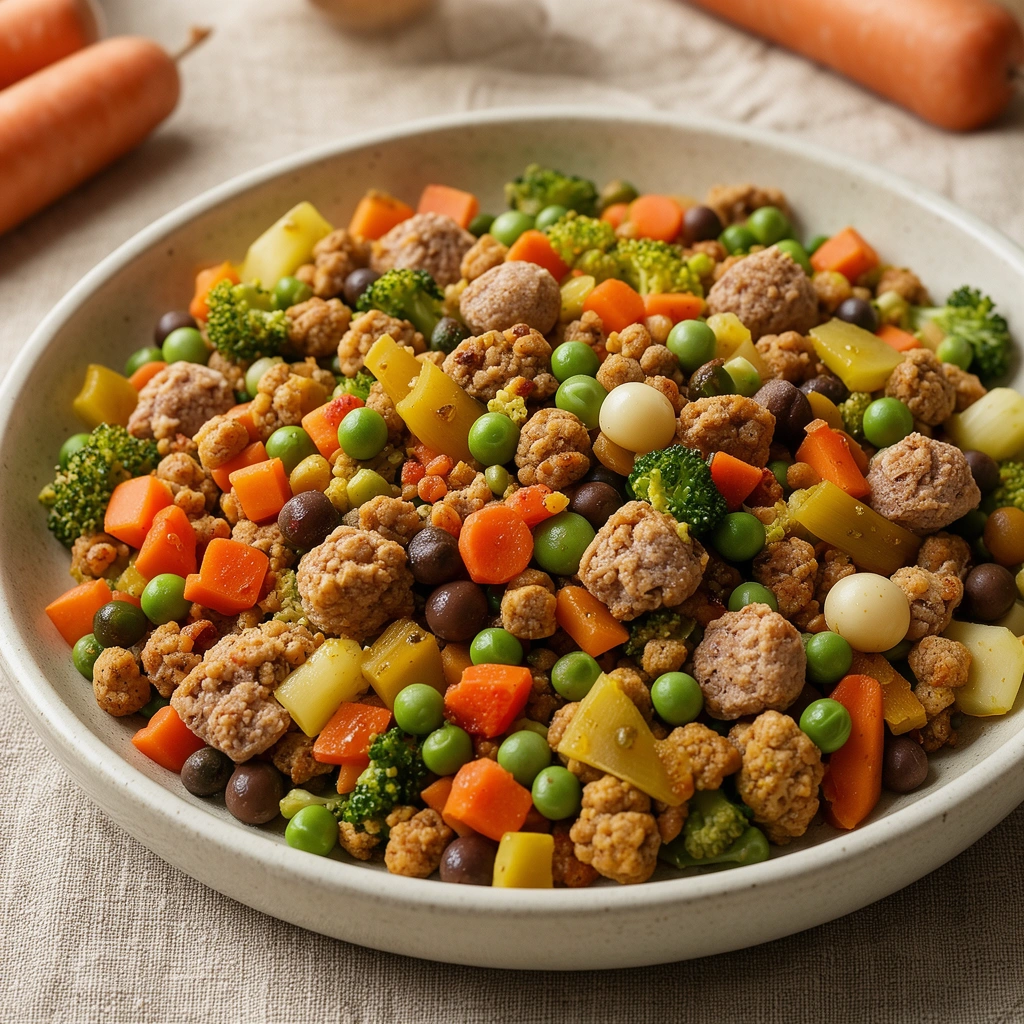
When it comes to our furry friends, I know how important it is to provide them with food that keeps them healthy and happy. Over the years, I’ve gathered a wealth of information on dog nutrition and allergy-friendly recipes, so you can trust that what I share here is accurate and practical. My goal is to help you make the best choices for your dog’s diet, especially if allergies are a concern.
So, what exactly is allergy-friendly homemade dog food? It’s dog food prepared at home using ingredients that minimize the risk of allergic reactions, avoiding common allergens like wheat, soy, and certain proteins. These recipes focus on wholesome, natural ingredients that support your dog’s health without causing discomfort or itching.
In this article, I’ll walk you through everything you need to know about allergy-friendly dog food—from understanding dog allergies to detailed recipes you can try at home. Let’s dive into making mealtime safe and nutritious for your beloved pet.
Why Choose Allergy Friendly Homemade Dog Food?
Making allergy-friendly homemade dog food is more than just a trend—it’s about control and care. When your dog suffers from allergies, commercial foods often contain hidden ingredients or additives that can trigger reactions. By preparing food at home, you know exactly what goes into your dog’s bowl.
Homemade meals allow you to tailor ingredients to your dog’s specific needs, avoiding common allergens like grains, dairy, or certain meats. Plus, you can boost the flavor and nutrition with fresh vegetables, healthy fats, and high-quality proteins.
Whether your dog has skin irritations, digestive issues, or chronic itching, allergy-friendly homemade dog food can be a game-changer. It’s a hands-on approach that supports your dog’s overall well-being while giving you peace of mind.
Understanding Dog Food Allergies: What You Need to Know
Before we jump into recipes, it’s important to understand what causes dog food allergies. Dogs can be allergic to proteins such as beef, chicken, or lamb, grains like wheat and corn, or additives found in processed foods. Symptoms include itching, redness, ear infections, vomiting, and diarrhea.
Here’s a quick glossary to clear up some key terms:
- Allergen: A substance that triggers an allergic reaction.
- Hypoallergenic diet: A diet formulated to minimize allergens.
- Elimination diet: A method where potential allergens are removed to identify triggers.
- Novel protein: A protein source your dog hasn’t eaten before, used to avoid allergies.
Knowing these terms helps you better understand your dog’s needs and how to select ingredients wisely.
How to Identify Allergies in Your Dog
Spotting allergies early can save your dog from discomfort. Common signs include:
- Excessive scratching or licking
- Red, inflamed skin or hot spots
- Chronic ear infections
- Digestive upset like vomiting or diarrhea
- Hair loss or dull coat
If you notice these symptoms, consult your vet. They may recommend an elimination diet or allergy testing. Keep a food diary to track what your dog eats and how they react—it’s incredibly useful for pinpointing problem ingredients.
Essential Nutrients for Allergy Friendly Dog Food
Dogs need a balanced diet with protein, fat, carbohydrates, vitamins, and minerals. When making allergy-friendly food, focus on:
- Protein: Choose novel proteins like duck, venison, or fish to avoid common allergens.
- Carbohydrates: Sweet potatoes, pumpkin, and quinoa are gentle on digestion.
- Fats: Omega-3 fatty acids from fish oil or flaxseed support skin and coat health.
- Fiber: Helps digestion, found in vegetables like green beans and carrots.
- Vitamins & Minerals: Ensure balanced nutrition by including a variety of veggies and possibly supplements.
Balancing these nutrients ensures your dog gets everything they need without triggering allergies.
Tips for Transitioning Your Dog to Homemade Food
Switching your dog to homemade allergy-friendly food should be gradual to avoid stomach upset. Here’s how:
- Start by mixing 25% homemade food with 75% current food.
- Increase the homemade portion by 25% every few days.
- Monitor your dog’s reaction closely for any signs of distress.
- Continue the transition over 7-10 days.
Patience is key. A slow transition helps your dog adjust and lets you observe what ingredients work best.
Allergy Friendly Homemade Dog Food Recipe Ideas
Let’s explore some delicious and safe recipe ideas for dogs with allergies. Each recipe uses simple, wholesome ingredients to keep your dog healthy and satisfied.
Sweet Potato & Turkey Delight
This recipe is a fantastic choice because turkey is a novel protein that rarely causes allergies. Sweet potatoes add gentle carbohydrates and fiber, aiding digestion.
Ingredients:
- 2 cups cooked ground turkey
- 1 cup cooked sweet potato (mashed)
- 1/2 cup green beans (steamed and chopped)
- 1 tablespoon olive oil
- 1/4 teaspoon turmeric (optional for anti-inflammatory benefits)
Health Benefits:
Turkey provides high-quality protein with less allergenic potential. Sweet potatoes offer vitamins A and C, supporting immune function. Olive oil adds healthy fats for skin and coat.
Practical Tip:
Ensure the sweet potatoes are cooked thoroughly to make them easier to digest. You can swap green beans for carrots if preferred.
This recipe suits both modern and traditional dog diets and can be customized with other non-allergenic veggies.
Duck & Pumpkin Medley
Duck is an excellent novel protein, and pumpkin is known for its digestive soothing properties, making this recipe gentle on sensitive stomachs.
Ingredients:
- 2 cups cooked duck meat (shredded)
- 1 cup pumpkin puree (plain, unsweetened)
- 1/2 cup cooked quinoa
- 1 tablespoon coconut oil
Health Benefits:
Duck is rich in iron and protein, while pumpkin aids digestion and alleviates diarrhea or constipation. Quinoa offers a gluten-free carbohydrate source.
Practical Tip:
Cook quinoa thoroughly and rinse before serving to remove saponins that can irritate digestion.
This meal fits well in both rustic and modern feeding plans and is easy to prepare in bulk.
Salmon & Zucchini Feast
Salmon is packed with omega-3 fatty acids that reduce inflammation, ideal for dogs with itchy skin allergies.
Ingredients:
- 2 cups cooked salmon (deboned)
- 1 cup steamed zucchini (chopped)
- 1/2 cup cooked brown rice or millet
- 1 teaspoon fish oil (added after cooking)
Health Benefits:
Omega-3 fatty acids help reduce allergic reactions and promote a shiny coat. Zucchini provides fiber and antioxidants, supporting overall health.
Practical Tip:
Avoid using salmon with added seasoning or oil. Always remove bones thoroughly to prevent choking.
This recipe is versatile and works well in minimalist or more elaborate homemade dog food plans.
Venison & Carrot Stew
Venison is a lean protein often suitable for allergy-prone dogs. Carrots add beta-carotene and fiber, aiding immunity and digestion.
Ingredients:
- 2 cups cooked ground venison
- 1 cup cooked carrots (mashed or chopped)
- 1/2 cup cooked sweet potato
- 1 tablespoon flaxseed oil
Health Benefits:
Venison is low in fat and unlikely to cause allergies. Carrots support eye health and digestion, while flaxseed oil adds essential fatty acids.
Practical Tip:
Grind flaxseed before use to maximize nutrient absorption and add it after cooking.
This hearty recipe suits dogs who thrive on traditional, nutrient-rich meals.
Quail & Green Bean Mix
Quail is a small game bird protein seldom linked to allergies. Paired with green beans, this recipe offers a balanced, low-fat meal.
Ingredients:
- 2 cups cooked quail meat (shredded)
- 1 cup steamed green beans (chopped)
- 1/2 cup cooked millet or oats
- 1 teaspoon olive oil
Health Benefits:
Quail provides a unique protein source with less allergenic potential. Green beans are rich in vitamins and fiber, supporting digestion.
Practical Tip:
Cook grains thoroughly and avoid seasoning. Use fresh or frozen green beans for best nutrition.
This recipe fits well with holistic and natural feeding styles.
Practical Shopping and Ingredient Tips for Allergy Friendly Dog Food
When shopping for ingredients, choose fresh, organic produce whenever possible. Avoid pre-packaged foods with preservatives or added sugars. Here are some quick tips:
- Select novel proteins your dog hasn’t tried before.
- Opt for gluten-free grains like quinoa, millet, or brown rice.
- Pick fresh veggies rich in vitamins and fiber.
- Use healthy oils like olive, coconut, or fish oil for added nutrients.
- Avoid artificial additives, colors, and fillers.
Stocking your kitchen with these basics makes allergy-friendly cooking convenient and effective.
How to Store Homemade Dog Food Safely
Proper storage is crucial to maintain freshness and prevent spoilage. Store homemade dog food in airtight containers in the refrigerator for up to 3 days. For longer storage, freeze portions in meal-sized containers or zip-lock bags for up to 3 months.
Always thaw frozen meals in the refrigerator and avoid microwaving, which can create hot spots harmful to your dog. Label containers with preparation dates to keep track.
Supplements to Support Allergy Management
Sometimes, food alone isn’t enough. Supplements can bolster your dog’s immune system and reduce allergy symptoms:
- Omega-3 fatty acids: Reduce inflammation and improve skin health.
- Probiotics: Support gut health and digestion.
- Quercetin: A natural antihistamine.
- Vitamin E: Supports skin repair and immune function.
Always consult your vet before adding supplements to your dog’s diet to ensure safety and proper dosing.
Common Mistakes to Avoid When Feeding Allergy Friendly Food
Feeding your dog homemade allergy-friendly food is rewarding but requires care. Avoid these pitfalls:
- Introducing too many new ingredients at once.
- Using common allergens unknowingly.
- Skipping vet advice or allergy testing.
- Neglecting balanced nutrition (missing vitamins or minerals).
- Overfeeding or underfeeding portions.
Staying informed and cautious prevents setbacks and keeps your dog thriving on their new diet.
Monitoring Your Dog’s Progress and Adjusting Diet
Track your dog’s health and behavior closely after starting homemade allergy-friendly food. Keep a journal noting:
- Changes in skin condition
- Frequency of itching or scratching
- Stool quality and digestion
- Energy levels and appetite
If symptoms persist or worsen, revisit your ingredient choices and consult your vet. Every dog is unique, and diets may need tweaking to find the perfect balance.
Final Thoughts on Allergy Friendly Homemade Dog Food
Switching to allergy-friendly homemade dog food can be a lifesaver for dogs with sensitivities. It gives you control over ingredients, ensures balanced nutrition, and can significantly improve your dog’s quality of life.
With the recipes and tips shared here, you’re equipped to start this journey confidently. Remember, patience and observation are key. Your dog’s health is worth every effort.
Feeding your dog allergy-friendly homemade dog food is a rewarding experience that strengthens your bond and supports their well-being. Give these recipes a try and watch your furry friend thrive!
Thank you for reading this comprehensive guide on allergy-friendly homemade dog food. Armed with clear knowledge, practical recipes, and helpful tips, you can confidently nourish your dog while avoiding allergens. Here’s to happy, healthy pups enjoying every meal!