
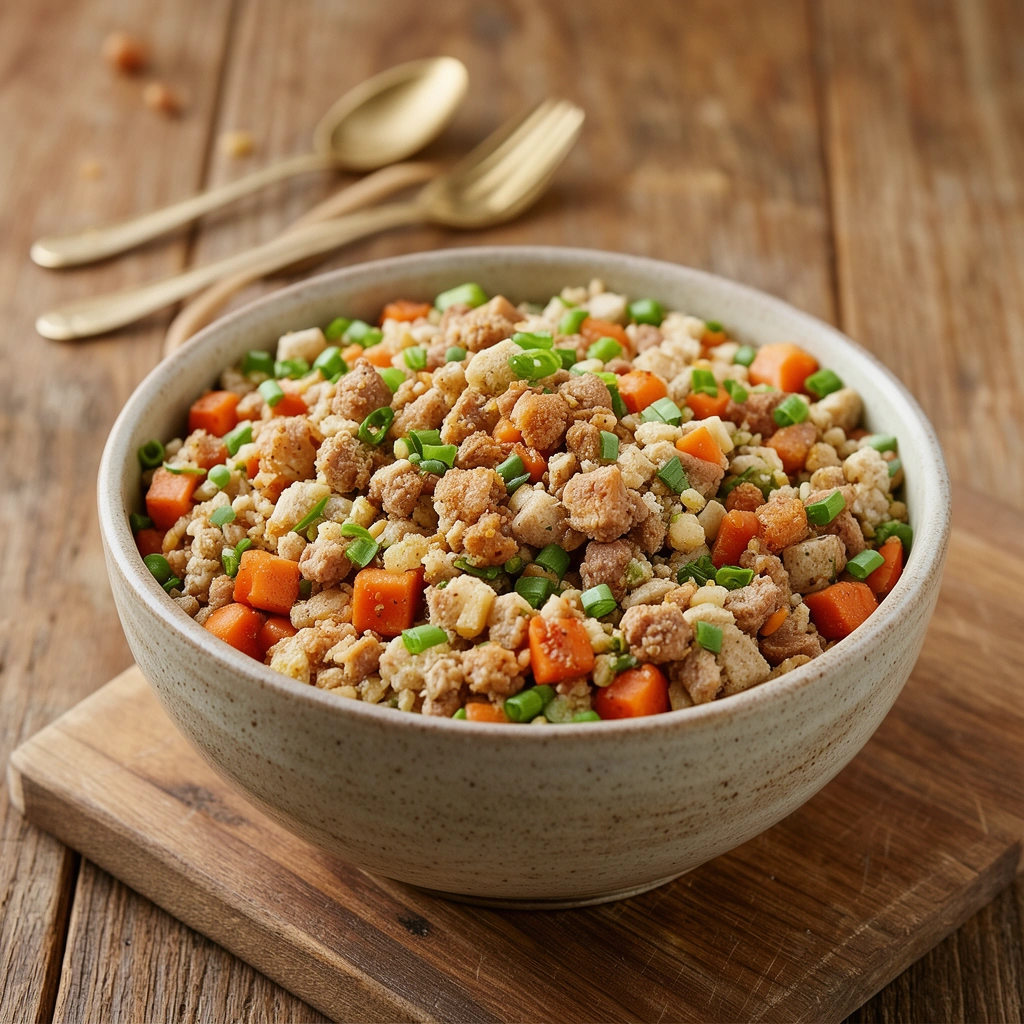
When it comes to feeding our furry friends, I know how important it is to find the most accurate and trustworthy information. Over the years, I’ve researched and experimented with dog nutrition to help you make the best choices. Grain free homemade dog food is a trending topic, but it requires careful attention to detail and balanced nutrition to keep your dog happy and healthy.
So, what exactly is grain free homemade dog food? It’s a diet made from fresh, natural ingredients without any grains like wheat, corn, or rice. This type of food is designed to reduce allergies, improve digestion, and provide a more species-appropriate meal for dogs. The key is balancing proteins, fats, and vegetables to meet all of your dog’s nutritional needs.
In this article, I’ll walk you through everything you need to know about making grain free homemade dog food, from understanding the health benefits to practical recipes you can try at home. You’ll get detailed tips and insider advice that most other articles miss.
What Is Grain Free Homemade Dog Food?
Grain free homemade dog food is exactly what it sounds like — meals made at home for your dog that exclude grains. Unlike commercial dog foods, which often contain fillers like corn or wheat, grain free recipes focus on high-quality proteins and fresh vegetables. This approach can benefit dogs with grain allergies or sensitivities and those who thrive on a diet closer to what their ancestors ate.
Making food at home lets you control every ingredient, ensuring no artificial preservatives, fillers, or unnecessary additives. It’s also a way to tailor meals to your dog’s specific health needs, preferences, and allergies. However, it’s crucial to maintain a balanced diet, as simply removing grains doesn’t automatically mean the food is nutritionally complete.
If you’re curious about how to prepare safe, nutritious, and delicious grain free meals for your dog, keep reading. I’ll break down the essential ingredients, explain health benefits, and share recipes that work well for various breeds and life stages.
Why Choose Grain Free Homemade Dog Food?
Choosing grain free homemade dog food means prioritizing your dog’s health and well-being. Many dogs suffer from allergies or intolerances to grains, which can cause itching, digestive upset, and low energy. Grain free diets can help reduce these symptoms by eliminating common allergens.
Homemade meals allow you to avoid preservatives, artificial colors, and other chemicals often found in commercial dog food. You can also customize recipes to include superfoods like blueberries, pumpkin, or turmeric — ingredients known to support immune health, digestion, and coat condition.
Moreover, preparing your dog’s food at home gives you peace of mind. You know exactly what your dog is eating, and you can adjust recipes to fit your dog’s age, weight, and activity level. Just remember, balance is key — grain free doesn’t mean nutrient free.
Nutritional Essentials for Grain Free Dog Food
Before cooking up grain free meals, it’s important to understand what your dog needs nutritionally. Dogs are omnivores, but they require:
- High-quality protein: Meat, fish, and eggs are the primary sources.
- Healthy fats: From sources like fish oil, flaxseed, and animal fats.
- Fiber: Vegetables such as spinach, carrots, and green beans.
- Vitamins and minerals: Including calcium, phosphorus, and zinc, which you might need to supplement.
- Carbohydrates: Though grains are excluded, some starchy vegetables like sweet potatoes can provide energy.
A balanced homemade diet usually consists of 40% protein, 50% vegetables, and 10% fats, but these ratios can vary depending on your dog’s specific needs. Consulting with a vet or canine nutritionist is always a smart step before making dietary changes.
Common Grain Substitutes in Homemade Dog Food
One gap many articles miss is explaining suitable grain substitutes. When removing grains, carbs and fiber are still essential, so alternatives include:
- Sweet potatoes: Rich in fiber and vitamins A and C.
- Pumpkin: Great for digestion and packed with nutrients.
- Peas: Provide protein and fiber.
- Carrots: A crunchy, vitamin-rich option.
- Butternut squash: High in antioxidants.
Using these ingredients keeps meals grain free yet nutritionally rounded while improving palatability and digestion.
How to Safely Prepare Grain Free Homemade Dog Food
Making your dog’s food at home can be rewarding — but safety is key. Here are some practical tips:
- Avoid harmful ingredients: Onions, garlic, grapes, raisins, chocolate, and certain nuts are toxic to dogs.
- Cook meats thoroughly: To kill harmful bacteria.
- Wash vegetables well: To remove pesticides and dirt.
- Use clean utensils and surfaces: Prevent cross-contamination.
- Introduce new foods gradually: To monitor any adverse reactions.
- Store leftovers properly: Refrigerate or freeze in portions to maintain freshness.
Always observe your dog after a diet change and consult a vet if you notice any issues.
Recipe Idea 1: Chicken and Sweet Potato Delight
Chicken and sweet potato make a perfect duo for grain free homemade dog food. Chicken provides lean protein to support muscle health, while sweet potatoes offer easily digestible carbohydrates and fiber for digestive wellness.
Ingredients:
- 2 pounds boneless, skinless chicken thighs
- 1 large sweet potato, peeled and diced
- 1 cup chopped green beans
- 1/2 cup shredded carrots
- 1 tablespoon olive oil
- 1/4 teaspoon turmeric (optional)
Health Benefits:
Chicken is packed with essential amino acids, and sweet potatoes are rich in beta-carotene that supports immune function. Green beans and carrots add fiber and antioxidants for overall health.
Practical Tip:
Cook chicken thoroughly, then steam sweet potatoes and vegetables lightly to preserve nutrients. Combine and cool before serving.
This recipe is ideal for most breeds and life stages, offering a balanced, grain free option that’s easy to digest and delicious.
Recipe Idea 2: Beef and Pumpkin Power Meal
Beef is a rich source of iron and B vitamins, making it an excellent protein choice in homemade dog food. Paired with pumpkin, which aids digestion and soothes upset stomachs, this recipe is a powerhouse.
Ingredients:
- 2 pounds lean ground beef
- 1 cup canned pumpkin (pure pumpkin, no additives)
- 1 cup chopped spinach
- 1/2 cup peas
- 1 tablespoon coconut oil
Health Benefits:
Beef supports energy and muscle maintenance, while pumpkin offers fiber to regulate bowel movements. Spinach and peas contribute antioxidants and essential vitamins.
Practical Tip:
Drain excess fat from beef after cooking to keep the fat content balanced. Mix in pumpkin and vegetables while warm.
This meal suits active dogs needing a nutrient-dense, grain free diet.
Recipe Idea 3: Fish and Vegetable Medley
Fish is a fantastic protein source for dogs, especially oily fish like salmon, which provides omega-3 fatty acids vital for coat and brain health. Coupled with a variety of vegetables, this recipe is both tasty and nutritious.
Ingredients:
- 2 pounds salmon fillets, skin removed
- 1 cup chopped zucchini
- 1 cup broccoli florets
- 1/2 cup carrots, shredded
- 1 tablespoon flaxseed oil
Health Benefits:
Omega-3s from salmon reduce inflammation and promote healthy skin. Vegetables supply fiber and antioxidants.
Practical Tip:
Bake or steam salmon; avoid frying. Lightly steam vegetables and mix with cooked salmon and flaxseed oil.
A great option for dogs with sensitive skin or mild allergies.
Recipe Idea 4: Turkey and Butternut Squash Feast
Turkey is a lean protein that supports muscle growth with fewer calories, ideal for dogs who need weight management. Butternut squash adds a sweet flavor while delivering fiber and vitamins.
Ingredients:
- 2 pounds ground turkey
- 1 cup cooked butternut squash
- 1 cup chopped green beans
- 1/2 cup chopped kale
- 1 tablespoon olive oil
Health Benefits:
Turkey is low in fat but rich in protein, perfect for weight control. Butternut squash and kale provide antioxidants and fiber.
Practical Tip:
Cook turkey thoroughly, steam vegetables gently, then combine.
Perfect for older dogs or those needing a lighter, grain free meal.
Recipe Idea 5: Lamb and Vegetable Stew
Lamb is a flavorful protein source that’s often well-tolerated by dogs with food sensitivities. Paired with a medley of vegetables, it makes a hearty, grain free homemade meal.
Ingredients:
- 2 pounds ground lamb
- 1 cup diced carrots
- 1 cup chopped green peas
- 1/2 cup chopped celery
- 1 tablespoon fish oil
Health Benefits:
Lamb provides essential amino acids and zinc. Vegetables add fiber, vitamins, and minerals, while fish oil supports joint health.
Practical Tip:
Brown lamb, then simmer vegetables until tender before mixing.
This stew is great for dogs needing a nutritious, grain free diet with a rich flavor.
Key Supplements to Consider in Grain Free Diets
One common oversight is supplementing homemade dog food, especially in grain free diets. Some nutrients may be lacking or imbalanced, so consider:
- Calcium: Crucial for bone health, often added as ground eggshell or supplements.
- Fish oil: For omega-3 fatty acids.
- Multivitamins: To fill any nutritional gaps.
- Probiotics: To support gut health.
Always consult your vet to ensure proper supplementation tailored to your dog’s needs.
How to Transition Your Dog to Grain Free Homemade Food
Switching your dog’s diet requires patience to avoid digestive upset. Here’s a simple plan:
- Start by mixing 25% homemade food with 75% current food.
- Gradually increase homemade proportion over 7-10 days.
- Watch for any signs of allergies or intolerance.
- Maintain a consistent feeding schedule.
Slow transition helps your dog’s system adjust smoothly to the new diet.
Troubleshooting Common Issues with Homemade Grain Free Food
Even with care, some challenges can arise:
- Unbalanced nutrition: Ensure all meals have protein, fats, and vegetables.
- Food allergies: Watch for itching, vomiting, or diarrhea.
- Food spoilage: Store meals in airtight containers, freeze extras.
- Picky eaters: Try adding small amounts of broth or natural flavor enhancers.
With attention, most issues can be resolved quickly.
Final Thoughts on Grain Free Homemade Dog Food
Feeding your dog grain free homemade food is a wonderful way to provide fresh, healthy meals tailored to their unique needs. By understanding nutrition basics, choosing the right ingredients, and following safe preparation methods, you can offer your dog a diet that supports their vitality and happiness.
Remember, grain free doesn’t mean cutting corners — it means being thoughtful and informed about your dog’s diet. Whether you’re dealing with allergies, digestive issues, or just want to improve your dog’s nutrition, homemade grain free meals are a fantastic option.
If you’re ready to take control of your dog’s diet, try these recipes and tips. Your dog will thank you with wagging tails and bright eyes!
Summary
In this guide, I covered everything you need to know about grain free homemade dog food—from defining what it is and why it matters, to detailed recipes and practical advice. You learned about the essential nutrients your dog needs, safe preparation methods, and how to transition diets smoothly. Grain free homemade dog food offers a natural, allergy-friendly alternative to commercial diets, providing balanced nutrition that supports your dog’s health and happiness.
If you want to dive deeper into customized dog nutrition or have questions about particular ingredients, feel free to ask — I’m here to help you and your furry friend thrive!