
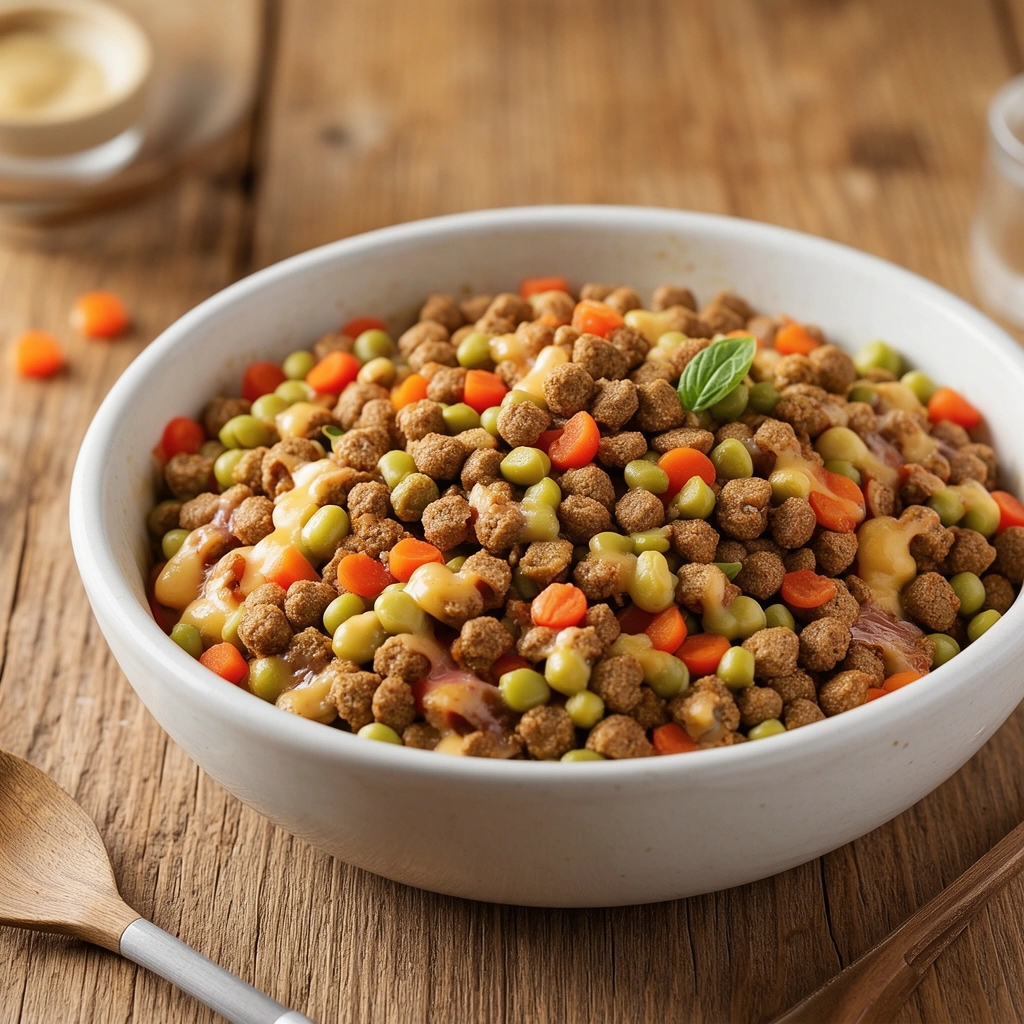
When it comes to feeding small dogs, I know how important it is to get their meals just right. Over the years, I’ve studied and created countless dog food recipes that are not only nutritious but also tailored to the unique needs of small breeds. You can trust that the information here is accurate, practical, and designed specifically for your little furry friend.
So, what are the best dog food recipes for your small dog? The ideal recipes are those that balance essential nutrients, portion sizes, and flavors to support their high metabolism, delicate digestion, and specific health needs. These recipes focus on high-quality proteins, healthy fats, and appropriate carbohydrates, ensuring your small dog stays healthy and happy.
Keep reading to discover easy-to-make, wholesome recipes along with practical tips on feeding your small dog right. Whether you want homemade meals or tasty treats, I’ll walk you through everything you need to know.
Why Homemade Dog Food Recipes Matter for Small Dogs
Feeding your small dog homemade food gives you complete control over what goes into their bowl. This is crucial because small dogs have different nutritional needs than larger breeds, including smaller portion sizes, higher calorie density, and sensitivity to certain ingredients. Preparing meals at home lets you avoid fillers, additives, and allergens commonly found in commercial dog foods.
When you make your own dog food, you can tailor the ingredients to your dog’s preferences and dietary restrictions, such as allergies or weight management. Plus, it’s a great way to include fresh, whole foods like lean meats, vegetables, and grains that provide essential vitamins and minerals. Homemade recipes also promote better digestion and improved coat condition, which many small dog owners notice within weeks.
In this article, I’ll share several balanced and delicious dog food recipes designed specifically for small dogs, along with tips on ingredient selection and meal prepping. These ideas work for a variety of small breeds, from Chihuahuas to Pomeranians.
Understanding Small Dog Nutritional Needs
Small dogs burn calories faster than big dogs, so their food must be nutrient-dense without being bulky. Their higher metabolism means they often need more frequent meals with balanced macronutrients.
Key nutritional considerations include:
- Protein: Supports muscle health and energy. Opt for lean, high-quality sources like chicken, turkey, or fish.
- Fat: Essential for energy and skin health, but keep it moderate to prevent weight gain. Omega-3 fatty acids from fish oil can help.
- Carbohydrates: Provide fiber and energy. Use whole grains like brown rice or oats, and avoid fillers like corn or wheat.
- Vitamins and Minerals: Fresh veggies and supplements ensure your dog gets calcium, vitamins A, E, and B complex.
Always consult your vet before switching diets or introducing new recipes, especially if your dog has health issues.
High-Protein Chicken and Sweet Potato Bowl
This recipe packs a punch for small dogs needing lean protein and easy-to-digest carbs.
Why it works: Chicken is a lean, digestible protein that supports muscle maintenance, while sweet potatoes provide fiber and slow-release energy. This combo helps regulate blood sugar and keeps your pup feeling full.
Ingredients:
- 1 cup cooked, shredded chicken breast (no skin or bones)
- ½ cup cooked sweet potato, mashed
- ¼ cup cooked green beans, chopped
- 1 tsp olive oil
- Optional: pinch of turmeric for anti-inflammatory benefits
Health benefits:
- Lean protein for muscle repair
- Fiber-rich carbs supporting digestion
- Healthy fats for coat and joint health
Practical tip: Cook chicken thoroughly and avoid seasoning. Steam or boil sweet potatoes and green beans to retain nutrients. Mix everything and serve in small portions multiple times a day.
This recipe suits various home cooking styles, whether you prefer stovetop cooking or batch-prepping for the week. It’s simple, wholesome, and your dog will love the natural flavors.
Salmon and Quinoa Delight for Omega Boost
For small dogs needing a boost in omega fatty acids and antioxidants, this recipe shines.
Why it works: Salmon is rich in omega-3s, which support brain function and reduce inflammation. Quinoa is a gluten-free grain packed with protein and fiber, making it gentle on sensitive stomachs.
Ingredients:
- ½ cup cooked salmon (skin removed, deboned)
- ½ cup cooked quinoa
- ¼ cup steamed carrots, finely chopped
- 1 tsp flaxseed oil
Health benefits:
- Omega-3 fatty acids for heart and brain health
- Complete protein from quinoa and salmon
- Antioxidants from carrots for immune support
Practical tip: Bake or steam the salmon to keep it moist. Rinse quinoa well before cooking to remove bitterness. Mix and cool before serving to prevent burns.
This recipe fits well with modern, health-conscious kitchen setups and can be adapted with seasonal vegetables.
Turkey and Pumpkin Digestive Support Meal
Small dogs often suffer from digestive troubles, and this recipe helps soothe their stomach while delivering balanced nutrition.
Why it works: Turkey is a lean, easily digestible protein, and pumpkin is known for its digestive benefits, helping with both diarrhea and constipation.
Ingredients:
- 1 cup ground turkey, cooked thoroughly
- ¼ cup canned pure pumpkin (not pie filling)
- ½ cup cooked brown rice
- 1 tsp coconut oil
Health benefits:
- Lean protein for energy and muscle health
- Pumpkin’s fiber regulates digestion
- Healthy fats improve nutrient absorption
Practical tip: Use fresh turkey to avoid preservatives. Ensure pumpkin is plain and unsweetened. Mix all ingredients well for a balanced meal.
Ideal for traditional kitchens and those looking for gentle, tummy-friendly meals.
Beef and Vegetable Medley for Energy and Vitality
If your small dog is active and needs more energy, this hearty recipe offers a nutrient-rich option.
Why it works: Beef provides iron and B vitamins to maintain energy levels, while mixed vegetables add fiber and antioxidants.
Ingredients:
- 1 cup lean ground beef, cooked and drained
- ¼ cup chopped spinach
- ¼ cup diced carrots
- ½ cup cooked barley
- 1 tsp fish oil
Health benefits:
- Iron supports oxygen transport and stamina
- Antioxidants protect cells from damage
- Fiber aids digestion
Practical tip: Trim visible fat from beef to avoid excess calories. Steam vegetables lightly to retain nutrients. Incorporate fish oil just before serving for freshness.
This recipe blends well with rustic or farmhouse-style cooking, but is also simple enough for quick meal prep.
Homemade Mini Dog Treats: Peanut Butter and Oat Bites
Who says treats can’t be healthy? This recipe makes small, wholesome snacks perfect for training or just spoiling your pup.
Why it works: Peanut butter adds protein and healthy fats, oats offer fiber and slow energy, making these treats satisfying and nutritious.
Ingredients:
- 1 cup rolled oats
- ½ cup natural peanut butter (no added sugar or salt)
- 1 ripe banana, mashed
- 1 egg
Health benefits:
- Protein and fats for energy
- Fiber for digestion
- Natural sweetness without added sugar
Practical tip: Mix ingredients into a dough, roll into small balls, and bake at 350°F (175°C) for 10-12 minutes. Let cool completely before giving.
These treats are adaptable to any kitchen and ideal for rewarding your small dog without overdoing calories.
Tips for Safely Transitioning Your Small Dog to Homemade Food
Switching your dog to homemade meals requires care to avoid digestive upset. Start by mixing 25% homemade food with 75% current diet, then gradually increase homemade portions over 7-10 days. Watch for any signs of allergies or intolerance, such as itching, vomiting, or diarrhea.
Keep portions small and feed multiple times per day, as small dogs have limited stomach capacity. Use fresh ingredients and avoid harmful foods like onions, garlic, grapes, and chocolate. Always consult your vet, especially if your dog has specific health conditions.
Balancing Variety and Consistency in Your Small Dog’s Diet
While it’s tempting to rotate many recipes, consistency helps maintain digestive health. Aim to rotate proteins (chicken, turkey, beef, fish) every few weeks but keep the base ingredients stable. This approach prevents food sensitivities and keeps mealtime exciting.
Include supplements like fish oil, vitamin E, or probiotics as advised by your vet to fill nutritional gaps. Listen to your dog’s preferences and adjust recipes accordingly.
Conclusion: Nourishing Your Small Dog with Homemade Food
Feeding your small dog homemade food recipes is a rewarding way to ensure they get the nutrition they deserve. Each recipe here is crafted to meet the unique needs of small breeds, focusing on balanced proteins, healthy fats, and digestible carbohydrates. With careful preparation and ingredient choices, you can improve your dog’s health, energy, and happiness.
Remember, dog food recipes your small dog will love start with fresh ingredients, attention to portion size, and gradual dietary changes. Try these recipes and tips to see the difference homemade meals can make for your little companion’s wellbeing. Happy cooking and happy tails!