
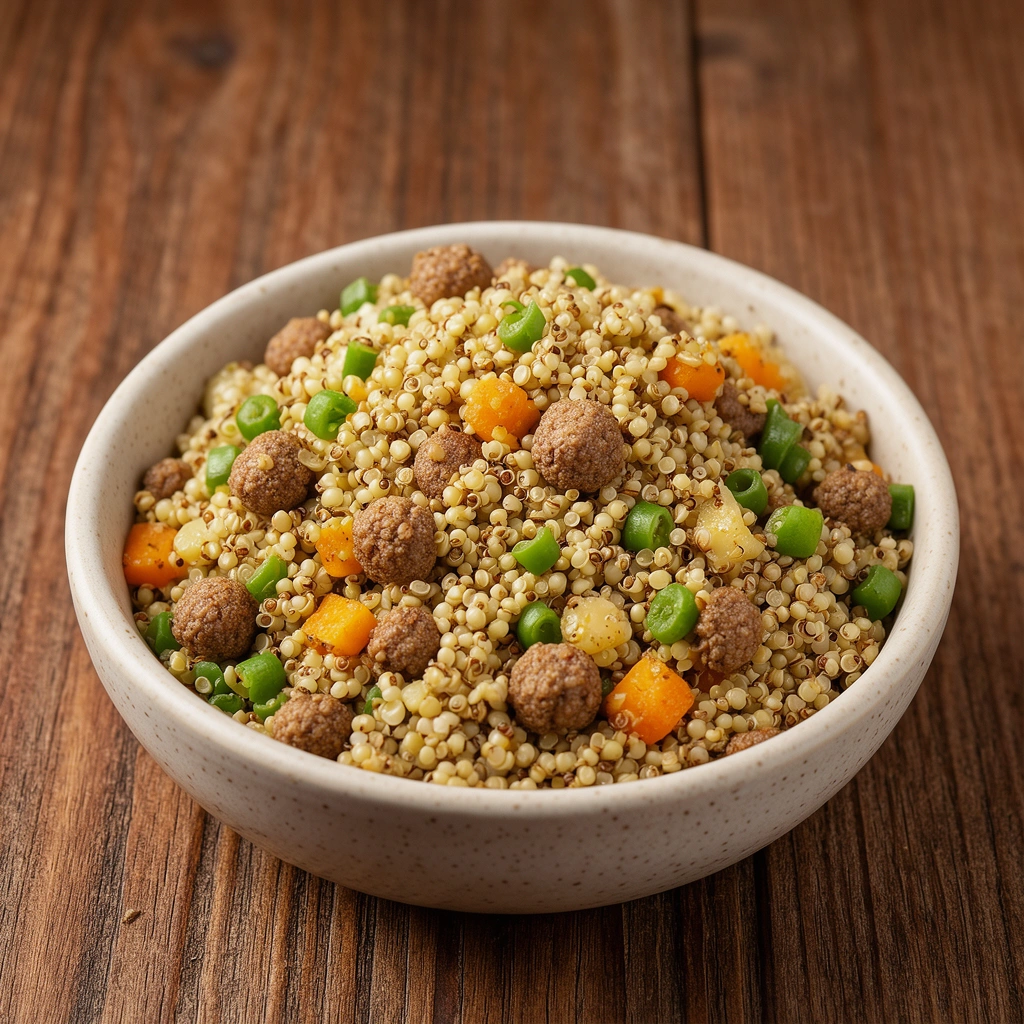
Hey friends! If you’ve ever wondered whether quinoa dog food is a good choice for your furry pal, you’re in the right place. I’ve spent a lot of time digging into the facts and myths around quinoa in dog diets, so I’m here to give you the most accurate and trustworthy info out there.
So what exactly is quinoa dog food? Quinoa is a seed often used as a grain substitute, packed with nutrients like protein and fiber, making it a popular ingredient in some dog foods. It’s generally safe for dogs and can offer health benefits like improved digestion and energy. But like anything, there are details you should know before adding it to your dog’s meals.
Keep reading to discover everything from quinoa’s nutritional profile, how to introduce it safely, recipe ideas, and potential concerns to watch out for. You’ll get a clear, no-nonsense guide to deciding if quinoa dog food fits your dog’s needs.
What is Quinoa and Why Consider It for Dogs?
Quinoa is a gluten-free seed that’s often mistaken for a grain. It’s prized for its rich protein content, essential amino acids, vitamins, and minerals. In recent years, quinoa has become popular in human diets and even made its way into pet food formulations.
When it comes to dogs, quinoa serves as a nutritious carbohydrate source with added benefits:
- Complete protein: Contains all nine essential amino acids dogs need.
- High fiber: Supports digestion and gut health.
- Rich in vitamins and minerals: Including B vitamins, magnesium, iron, and zinc.
Unlike corn or wheat, quinoa is easier to digest for many dogs, especially those with grain sensitivities or allergies. It also has a low glycemic index, which helps maintain steady blood sugar levels.
Using quinoa in dog food can be a smart choice if you want to introduce wholesome, natural ingredients that support overall health without fillers or artificial additives.
Is Quinoa Safe for All Dogs?
You might be wondering, “Is quinoa safe for dogs?” The short answer is yes, for most dogs, quinoa is safe and healthy when served properly. However, there are important considerations:
- Portion Control: Too much quinoa can cause digestive upset, including gas or diarrhea.
- Preparation: Quinoa must be cooked thoroughly to neutralize saponins—natural compounds on its surface that can irritate the stomach.
- Allergy Potential: Though rare, some dogs might be allergic or sensitive to quinoa.
- Consult Your Vet: Always check with your veterinarian before introducing new foods, especially if your dog has pre-existing health conditions.
So yes, quinoa can be a great addition to your dog’s diet, but like any ingredient, it should be introduced gradually and thoughtfully.
Nutritional Breakdown of Quinoa for Dogs
Understanding quinoa’s nutrition helps you see why it’s a beneficial component in dog food.
| Nutrient | Amount per 100g (Cooked) | Benefit for Dogs |
|---|---|---|
| Protein | 4.1g | Helps build and repair tissues |
| Fiber | 2.8g | Supports healthy digestion |
| Carbohydrates | 21.3g | Provides energy |
| Fat | 1.9g | Supports coat and brain health |
| Iron | 1.5mg | Prevents anemia |
| Magnesium | 64mg | Supports muscle and nerve function |
| B Vitamins (B1, B2, B6) | Varies | Vital for metabolism and energy production |
Quinoa is also gluten-free, making it suitable for dogs with gluten intolerance or allergies.
How to Safely Prepare Quinoa for Your Dog
Cooking quinoa for your dog isn’t complicated but requires care:
- Rinse Thoroughly: Quinoa seeds have saponins, bitter-tasting compounds that can irritate your dog’s digestive system. Washing until the water runs clear removes these.
- Cook Well: Use a 2:1 water to quinoa ratio and boil until soft and fluffy (about 15 minutes).
- Cool Completely: Serve at room temperature or chilled to avoid burning your dog’s mouth.
- Mix with Other Ingredients: Combine with lean proteins and veggies to create balanced meals.
Avoid adding salt, spices, or oils, as these can harm your dog.
Quinoa Dog Food: Homemade Recipe Ideas
Simple Quinoa and Chicken Bowl
This recipe combines lean chicken, quinoa, and veggies for a balanced meal.
-
Ingredients:
- 1 cup cooked quinoa
- 1 cup cooked, shredded chicken breast (no seasoning)
- ½ cup steamed carrots, chopped
- ½ cup steamed green beans, chopped
- 1 tbsp olive oil (optional)
-
Health Benefits:
- Protein for muscle maintenance from chicken and quinoa.
- Fiber and vitamins from veggies.
- Healthy fats from olive oil support skin and coat.
-
Tip: Serve in small portions initially to monitor your dog’s tolerance.
This bowl suits most dogs and can be adjusted by swapping veggies or proteins.
Quinoa and Sweet Potato Dog Food
Sweet potatoes add natural sweetness and extra fiber to quinoa meals.
-
Ingredients:
- 1 cup cooked quinoa
- 1 cup cooked, mashed sweet potato
- ½ cup cooked ground turkey
- ¼ cup peas
- 1 tsp fish oil (for omega-3 fatty acids)
-
Health Benefits:
- Sweet potatoes aid digestion and provide antioxidants.
- Turkey and quinoa offer lean protein.
- Fish oil supports joint and brain health.
-
Tip: You can freeze portions for easy meal prep.
Great for dogs needing extra fiber or those with grain sensitivities.
Quinoa and Pumpkin Digestive Aid Mix
Pumpkin is known for soothing upset stomachs, making this combo ideal for sensitive tummies.
-
Ingredients:
- 1 cup cooked quinoa
- ½ cup canned pure pumpkin (no additives)
- 1 cup cooked lean beef or chicken
- ¼ cup cooked zucchini
-
Health Benefits:
- Pumpkin helps regulate digestion.
- Quinoa and meat provide balanced protein.
- Zucchini adds hydration and vitamins.
-
Tip: Introduce slowly to avoid digestive upset.
Perfect for dogs recovering from digestive issues or with sensitive stomachs.
Potential Downsides to Quinoa Dog Food
While quinoa is great, here are some points to consider:
- Saponins: If not washed properly, these can cause stomach upset.
- High Fiber: Overfeeding can lead to gas or loose stools.
- Cost: Quinoa is more expensive than typical grains like rice or corn.
- Not a Complete Diet Alone: Quinoa lacks certain nutrients dogs need, so it should be part of a balanced recipe.
Always monitor your dog’s reaction and consult your vet if issues arise.
Commercial Quinoa Dog Food: What to Look For
If you don’t want to make homemade meals, some commercial dog foods include quinoa. When choosing one, consider:
- Ingredient Transparency: Look for clearly listed quinoa and whole-food ingredients.
- No Fillers or Artificial Additives: Avoid foods with excessive corn, wheat, or artificial preservatives.
- AAFCO Approval: Ensure the food meets standards for complete and balanced nutrition.
- Grain-Free vs. Grain-Inclusive: Quinoa is naturally gluten-free but not grain-free. Read labels carefully.
Choosing a reputable brand that uses quinoa properly can provide convenience without sacrificing nutrition.
Quinoa Dog Food for Allergies and Sensitivities
Many dogs develop allergies to common grains like wheat or corn. Quinoa can be a useful alternative because:
- It’s gluten-free and less likely to cause allergic reactions.
- Provides a novel carbohydrate source.
- Supports gut health with its fiber content.
However, always introduce it gradually and watch for signs of allergy (itching, vomiting, diarrhea). If symptoms occur, discontinue use and consult your vet.
Incorporating Quinoa into Your Dog’s Diet Gradually
Start slow to help your dog’s system adjust:
- Mix a small amount of cooked quinoa into their regular food (about 10% of the meal).
- Observe for any digestive changes over 3-5 days.
- Increase gradually if no signs of intolerance appear.
- Always provide fresh water to support digestion.
This approach minimizes the risk of upset tummies and helps your dog benefit from quinoa’s nutrition.
Quinoa Dog Food and Weight Management
Quinoa can be an effective tool in managing your dog’s weight because:
- It’s nutrient-dense but relatively low in calories.
- High fiber content promotes satiety, helping reduce overeating.
- Provides steady energy without blood sugar spikes.
Pair quinoa meals with appropriate portion control and regular exercise for best results.
Quinoa Dog Food for Different Life Stages
- Puppies: Quinoa supports growth with essential amino acids but should be part of a balanced puppy formula.
- Adult Dogs: Ideal for maintaining energy and health with its balanced nutrients.
- Senior Dogs: Easy to digest and supports joint health when combined with omega-3s and antioxidants.
Adjust recipes to meet specific life stage needs and consult your vet for personalized advice.
Frequently Asked Questions About Quinoa Dog Food
Q: Can dogs eat raw quinoa?
A: No, quinoa must be cooked to remove saponins and aid digestion.
Q: How much quinoa can I feed my dog?
A: Generally, quinoa should not exceed 10-20% of your dog’s total daily food intake.
Q: Is quinoa better than rice for dogs?
A: Quinoa offers more protein and nutrients than rice, but both are healthy options depending on your dog’s needs.
Conclusion: Should You Feed Your Dog Quinoa Dog Food?
In summary, quinoa dog food is a wholesome, nutritious choice that offers many benefits like complete protein, fiber, and essential vitamins. When prepared properly and introduced gradually, it can support digestion, energy levels, and even weight management. However, it’s not a magic food and should be part of a balanced diet tailored to your dog’s unique needs.
If you’re curious about trying quinoa dog food, start slow, watch your dog’s response, and consult your vet to ensure it fits well into their health plan. Quinoa can be a smart, natural addition to your dog’s meals that brings variety and nutrition.
Remember, quinoa dog food is just one ingredient in the recipe for your dog’s happiness and health!
Thanks for reading my guide to quinoa dog food! Feel free to share your own experiences with quinoa and dogs in the comments.