
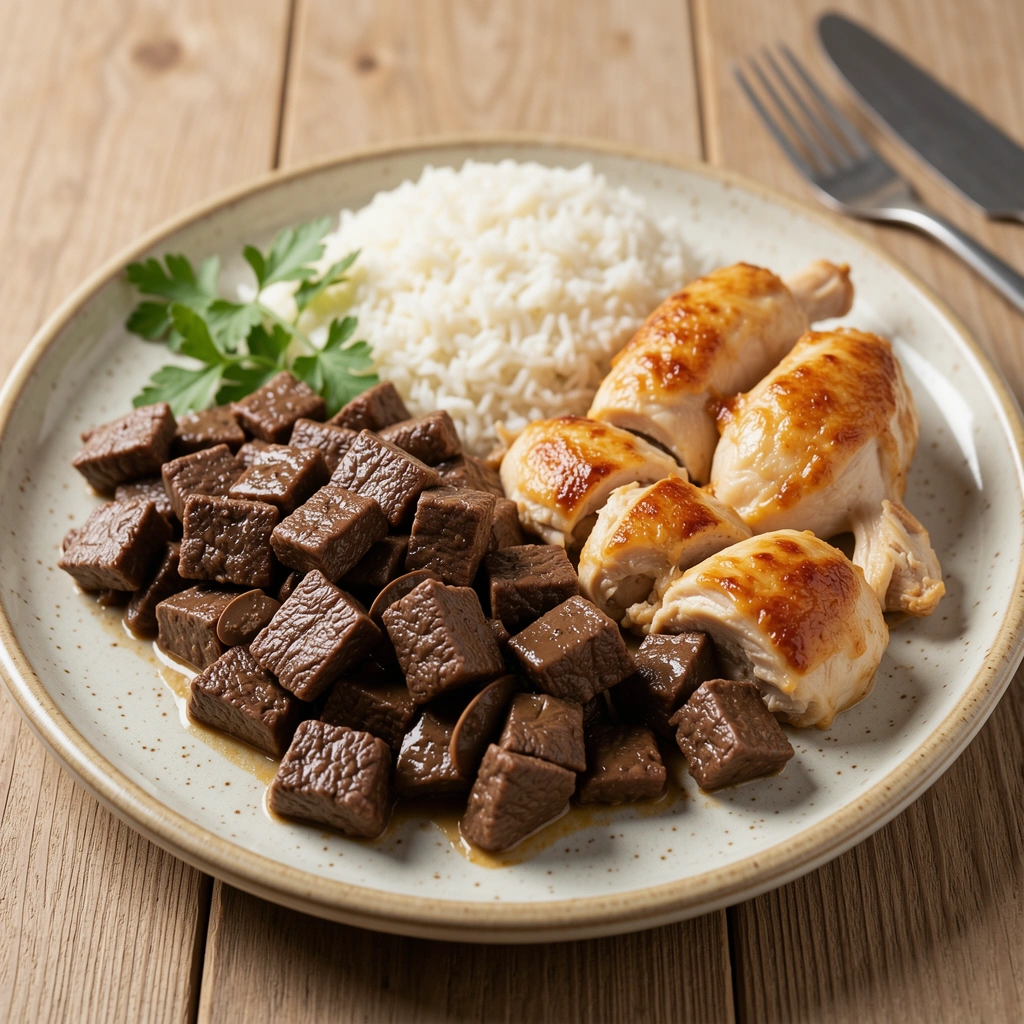
When it comes to feeding our feline friends, I know how important it is to find trusted, accurate information. Over the years, I’ve researched and experimented with homemade meals for cats, especially protein-rich options like beef liver and chicken. This guide will give you everything you need to prepare a balanced, tasty, and nutrient-packed meal your cat will love.
So, what’s the deal with beef liver and chicken for cats? Simply put, beef liver and chicken provide essential proteins, vitamins, and minerals that cats need for optimal health. This homemade meal supports muscle development, boosts immune function, and promotes shiny coats. It’s a complete natural diet when prepared correctly and safely.
Keep reading because I’ll walk you through the benefits, ingredient choices, and easy-to-follow recipes. Plus, I’ll cover important safety tips and how to store this homemade food to keep your cat healthy and happy.
Why Choose Beef Liver And Chicken For Your Cat?
Beef liver and chicken are two powerhouse ingredients packed with nutrients cats crave. Cats are obligate carnivores, meaning their bodies thrive on animal proteins and fats. Beef liver is a vitamin-rich organ meat loaded with vitamin A, B vitamins, iron, and essential amino acids. Chicken, meanwhile, is a lean source of protein and provides a good balance of fat and calories.
Using these ingredients together creates a balanced homemade meal that mimics what cats would eat in the wild. Liver supplies micronutrients often missing in commercial foods, while chicken offers muscle meat that fuels energy and supports lean muscle maintenance. This combo is also easy to digest and generally well-accepted by picky eaters.
In terms of taste, most cats love the rich flavors of liver mixed with tender chicken. You’ll notice improved appetite and enthusiasm at mealtime. It’s also a great way to control exactly what your cat consumes, avoiding fillers, preservatives, and unnecessary additives found in many store-bought diets.
Understanding The Nutritional Power Of Beef Liver
Beef liver is one of the most nutrient-dense foods you can give your cat. It contains high levels of vitamin A, which is crucial for eye health, skin, and immune function. It also has plenty of B vitamins like B12 and riboflavin, which help with energy metabolism and red blood cell production.
Another key nutrient in liver is iron, essential for oxygen transport in the blood and preventing anemia. Plus, liver has trace minerals like zinc and copper that support skin health and enzymatic reactions. Because liver is so concentrated, it should only be fed in moderation (generally 5% of total diet) to avoid vitamin A toxicity.
Incorporating liver into your cat’s homemade meal adds a nutritional boost that is hard to match with other ingredients. Just remember to source fresh, high-quality beef liver from trusted suppliers, and always handle it hygienically to prevent contamination.
The Role Of Chicken In A Cat’s Diet
Chicken is a fantastic protein source for cats. It offers essential amino acids like taurine, which cats cannot produce on their own but need for heart and eye health. Unlike liver, chicken muscle meat is lower in fat, making it ideal for cats that need a lean diet or are prone to weight gain.
Chicken also contains phosphorus and potassium, minerals that support bone health and muscle function. When combined with liver, it creates a well-rounded nutrient profile, balancing the richness of organ meat with lean protein.
When selecting chicken for your cat, opt for organic or free-range if possible. Avoid seasoning or additives, as many spices and flavorings can be harmful to cats. Always cook chicken thoroughly to kill harmful bacteria like salmonella.
How To Prepare Beef Liver And Chicken For Cats: Step-By-Step Guide
Preparing homemade beef liver and chicken meals is easier than you might think. Here’s a straightforward process that ensures safety and nutrition:
- Choose Quality Ingredients: Buy fresh beef liver and chicken breasts or thighs with no added seasoning.
- Clean And Trim: Rinse the liver and chicken under cold water. Trim away any visible fat or connective tissue.
- Cook Separately: Lightly steam or boil chicken until fully cooked (internal temp 165°F/74°C). Do the same for liver, but avoid overcooking as liver can become tough.
- Cool Down: Let both ingredients cool to room temperature.
- Chop Or Blend: Cut into small pieces or grind to a consistency your cat prefers.
- Mix And Serve: Combine chicken and liver in a 90:10 ratio (90% chicken, 10% liver) for balanced nutrition.
- Optional Add-Ins: Add a pinch of taurine powder or fish oil supplement if desired, but consult your vet first.
You can store leftovers in the fridge for up to 3 days or freeze portions for up to 2 weeks.
Important Nutritional Considerations And Supplements
While beef liver and chicken cover many nutritional bases, cats need a few other nutrients to thrive:
- Taurine: An essential amino acid found in animal tissues but may degrade during cooking.
- Calcium: Critical for bone health, often lacking in meat-only diets.
- Omega Fatty Acids: Support skin, coat, and brain health.
- Vitamins E and D: Important for immune function and calcium absorption.
To ensure completeness, many cat owners add taurine supplements or crushed eggshell powder (for calcium) to homemade meals. Fish oil capsules can be included for omega-3s. Always consult your veterinarian before adding supplements to tailor to your cat’s needs.
Safety Tips When Feeding Homemade Beef Liver And Chicken
When preparing homemade meals, food safety is crucial to avoid health risks:
- Avoid Raw Feeding Risks: While some owners feed raw, cooked meals reduce risk of bacterial contamination.
- Wash Hands Thoroughly: Always wash hands and utensils after handling raw meat.
- Store Properly: Refrigerate leftovers promptly and use airtight containers.
- Watch For Allergies: Introduce new foods gradually and observe for any adverse reactions.
- Avoid Harmful Seasonings: Never add onions, garlic, salt, or spices.
By following safe food prep guidelines, you ensure your cat benefits from homemade meals without unintended health hazards.
Recipe Idea 1: Classic Beef Liver and Chicken Stew
This hearty stew is a great way to combine flavors and nutrients in a form cats find easy to eat.
- Ingredients: 1 cup cooked chicken (shredded), 2 tablespoons cooked beef liver (finely chopped), 1 teaspoon fish oil, 1/8 teaspoon taurine powder.
- Preparation: Mix all ingredients thoroughly. Add warm water or homemade chicken broth (no onion/garlic) to create a stew consistency.
- Health Benefits: Provides balanced protein, rich vitamins, and omega-3 fatty acids for coat shine.
- Pro Tip: Serve slightly warmed for enhanced aroma and appeal.
- Why It Works: The soft texture and rich aroma encourage appetite, perfect for picky or older cats.
Next, let’s look at a simple minced recipe ideal for cats who prefer bite-sized meals.
Recipe Idea 2: Minced Beef Liver and Chicken Mix
Minced meals are easy for cats to digest and perfect for portion control.
- Ingredients: 3/4 cup cooked chicken (minced), 1/4 cup cooked beef liver (minced), 1/4 teaspoon calcium powder.
- Preparation: Combine ingredients well and serve at room temperature.
- Health Benefits: Balanced proteins with added calcium for strong bones and teeth.
- Pro Tip: Portion into small containers and freeze for easy daily servings.
- Why It Works: The fine texture and balanced nutrients support growing kittens and adult cats alike.
The next recipe is a lightly cooked paté that’s rich and creamy, appealing to cats who enjoy richer textures.
Recipe Idea 3: Creamy Beef Liver and Chicken Paté
Rich and smooth, paté meals mimic textures cats crave in natural hunting scenarios.
- Ingredients: 1 cup cooked chicken, 2 tablespoons cooked liver, 1 teaspoon olive oil, 1 egg yolk.
- Preparation: Blend all ingredients until smooth using a food processor.
- Health Benefits: High in protein and healthy fats, plus vitamins from egg yolk.
- Pro Tip: Serve fresh or chilled. Avoid leftovers after 24 hours.
- Why It Works: The creamy texture enhances palatability and nutrient absorption.
Now, a quick-to-prepare option for busy cat parents.
Recipe Idea 4: Quick Stir-Fried Liver and Chicken Bites
For those short on time, this quick stir-fry keeps nutrition intact and flavor high.
- Ingredients: 1 cup diced chicken, 2 tablespoons diced liver, 1 teaspoon coconut oil.
- Preparation: Stir-fry chicken and liver lightly in coconut oil until cooked but still moist.
- Health Benefits: Preserves nutrients through quick cooking; coconut oil supports skin health.
- Pro Tip: Cool before serving and store leftovers in fridge.
- Why It Works: Quick prep time with nutrient retention makes it practical and healthy.
Next up, a recipe that includes veggies for fiber and vitamins.
Recipe Idea 5: Beef Liver and Chicken Mix With Veggies
While cats need mostly meat, a small amount of cat-safe veggies can add fiber and micronutrients.
- Ingredients: 1 cup cooked chicken, 2 tablespoons liver, 1 tablespoon cooked pumpkin, 1 teaspoon fish oil.
- Preparation: Combine all ingredients finely chopped or pureed.
- Health Benefits: Adds fiber for digestion and antioxidants from pumpkin.
- Pro Tip: Introduce veggies slowly to avoid digestive upset.
- Why It Works: Balances protein with gentle fiber and nutrients beneficial to gut health.
How To Transition Your Cat To Beef Liver And Chicken Homemade Meals
Switching your cat to homemade beef liver and chicken meals requires patience:
- Start by mixing 25% homemade food with 75% current diet.
- Gradually increase homemade portion over 7-10 days.
- Watch for digestive changes or food refusal.
- Keep fresh water available at all times.
- Consult your vet if your cat has health issues or dietary restrictions.
Slow introduction helps avoid stomach upset and encourages acceptance of new flavors.
Storing And Serving Tips For Homemade Cat Meals
Proper storage preserves freshness and nutrient quality:
- Refrigerate cooked meals in airtight containers for up to 3 days.
- Freeze individual portions in small containers or ice cube trays for up to 2 weeks.
- Thaw frozen meals overnight in the fridge before serving.
- Warm meals slightly to enhance aroma but never serve hot.
- Avoid refreezing thawed food to maintain safety.
Serving at the right temperature and freshness ensures your cat enjoys every bite.
Potential Risks And When To Consult Your Veterinarian
While beef liver and chicken homemade meals are nutritious, there are precautions:
- Overfeeding liver can cause vitamin A toxicity.
- Cooking improperly can reduce nutrient content.
- Some cats may have allergies or sensitivities.
- Homemade diets may lack certain nutrients if not balanced correctly.
Always check with your veterinarian before switching diets, especially for cats with kidney issues, diabetes, or other chronic conditions. Regular health checkups help monitor your cat’s wellbeing on homemade meals.
Final Thoughts On Beef Liver And Chicken For Cats
Feeding your cat a homemade meal of beef liver and chicken is a fantastic way to provide natural, nutrient-rich food. It supports overall health, enhances coat quality, and satisfies your cat’s carnivorous instincts. With proper preparation, portioning, and supplementation, you can create a balanced diet that rivals commercial foods.
If you’re looking for a wholesome, easy-to-make homemade meal, beef liver and chicken is a great place to start. Remember to prioritize food safety and consult your vet for personalized advice. Your cat will thank you with every happy meow.
Thanks for sticking with me to learn about beef liver and chicken for cats. I hope this guide helps you feel confident making homemade meals that nourish your furry friend. If you want to explore more recipes or tips, stay tuned for more pet nutrition insights!