
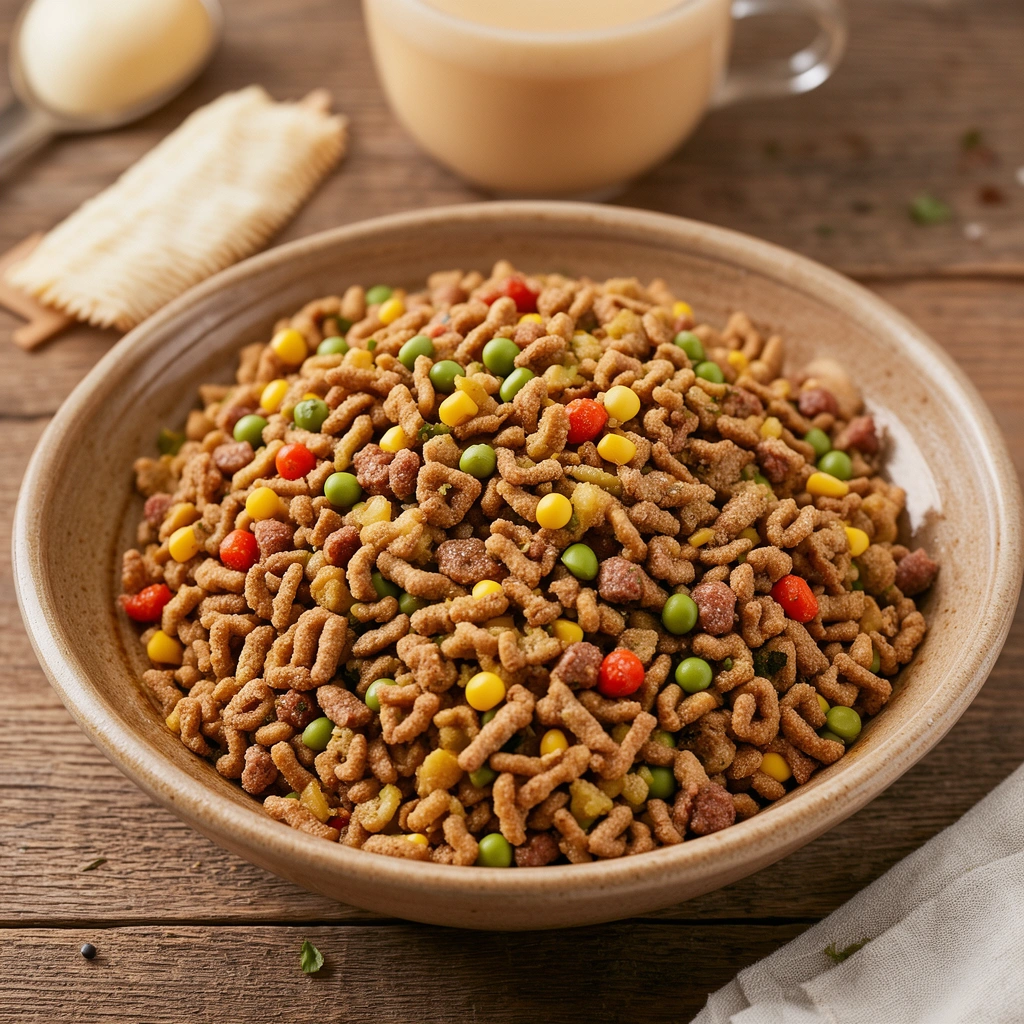
When it comes to feeding our small dogs, I understand how important it is to get the nutrition just right. Over the years, I’ve gathered the best, most accurate information about making healthy, tasty dog food recipes tailored specifically for small breeds. Today, I’ll share everything you need to know to keep your furry friend happy and healthy.
So, what makes dog food recipes for small dogs special? It’s all about balancing portion size, nutrient density, and ingredient quality to meet their unique metabolism and energy needs. Small dogs require meals that are calorie-rich but perfectly portioned to avoid overfeeding while ensuring they get essential vitamins, minerals, and proteins.
If you’re curious about how to prepare wholesome meals that your small dog will love, keep reading. I’ll walk you through several easy-to-follow recipes, explain key nutritional facts, and give practical tips to make homemade feeding simple and safe.
Why Homemade Dog Food Recipes for Small Dogs Matter
Feeding small dogs homemade meals lets you control exactly what goes into their bowls. Unlike many commercial kibbles, homemade recipes avoid fillers, artificial additives, and excess preservatives. This means fewer allergies, better digestion, and a shinier coat for your pup.
Small dogs often have faster metabolisms and tiny stomachs, so their food needs to be nutrient-dense and easy to digest. Homemade dog food recipes allow you to customize portions and ingredient choices based on your dog’s age, breed, and health conditions.
By cooking for your dog, you can introduce fresh proteins, wholesome grains, and vegetables that boost immunity and overall vitality. Plus, it’s a rewarding bonding experience that shows your pet how much you care.
Essential Nutritional Needs of Small Dogs
Before diving into recipes, it’s crucial to understand what small dogs need nutritionally:
- Protein: Supports muscle development and energy. Look for lean meats like chicken, turkey, or fish.
- Fats: Essential for brain function and healthy skin. Sources include fish oil and flaxseed.
- Carbohydrates: Provide energy; use easily digestible grains like brown rice or sweet potatoes.
- Vitamins and Minerals: Crucial for immunity and bone health. Incorporate vegetables like carrots, spinach, and pumpkin.
- Portion Control: Small dogs require frequent, smaller meals to maintain steady energy levels.
Keeping these needs in mind ensures that any recipe you try will be balanced and healthful.
Easy and Healthy Dog Food Recipes for Small Dogs
Now, let’s move on to the star of the show: dog food recipes specifically designed for small dogs. Each recipe below focuses on nutrient density, flavor, and simplicity — perfect for busy pet parents wanting the best for their little companions.
1. Chicken and Sweet Potato Delight
Chicken and sweet potato make an excellent combo for small dogs, providing lean protein and fiber-rich carbs that aid digestion.
This recipe works because it’s low in fat but packed with essential amino acids and antioxidants. Sweet potatoes offer beta-carotene, which supports eye health and immunity.
Ingredients:
- 1 cup cooked, shredded chicken breast
- ½ cup cooked sweet potato, mashed
- ¼ cup steamed green beans, chopped
- 1 tbsp olive oil
Health Benefits:
- Chicken promotes muscle maintenance.
- Sweet potatoes aid digestion and provide energy.
- Green beans add fiber and vitamins.
- Olive oil supplies healthy fats for coat shine.
Practical Tip: Cook chicken thoroughly and avoid seasoning. Use fresh, organic ingredients when possible for best results.
This recipe is great for small breeds like Chihuahuas and Pomeranians, offering balanced nutrition in a tasty meal.
Let’s explore another recipe that satisfies picky eaters.
2. Turkey and Quinoa Power Bowl
Turkey is a lean protein that supports muscle growth without extra fat, perfect for small dogs prone to weight gain. Quinoa is a superfood grain high in protein and easy to digest.
This meal is well-rounded with complex carbs, vitamins, and minerals.
Ingredients:
- 1 cup ground turkey, cooked thoroughly
- ½ cup cooked quinoa
- ¼ cup steamed carrots, diced
- 1 tsp fish oil (optional for omega-3s)
Health Benefits:
- Turkey provides essential amino acids.
- Quinoa offers complete protein and fiber.
- Carrots supply beta-carotene and antioxidants.
- Fish oil boosts brain and joint health.
Practical Tip: Rinse quinoa before cooking to remove bitter saponins and enhance digestibility.
Perfect for small dogs with sensitive stomachs, this recipe supports energy and coat health.
Next, we’ll try a vegetarian dog food recipe that’s surprisingly nutritious.
3. Lentil and Vegetable Medley
For small dogs with protein sensitivities or vegetarian preferences, lentils offer a great plant-based protein source. Combined with veggies, this recipe is nutrient-rich and fiber-packed.
The slow-cooked lentils are gentle on digestion and provide essential amino acids.
Ingredients:
- 1 cup cooked lentils
- ½ cup cooked brown rice
- ¼ cup steamed zucchini, chopped
- 1 tbsp pumpkin puree
Health Benefits:
- Lentils provide protein and iron.
- Brown rice offers energy-sustaining carbs.
- Zucchini contains antioxidants and vitamins.
- Pumpkin helps regulate digestion.
Practical Tip: Avoid onions or garlic, as they are toxic to dogs. Always introduce new ingredients gradually.
This meal suits small breeds with allergies or food sensitivities and offers a wholesome alternative to meat-based diets.
Let’s check out a recipe with fish for omega-3 benefits.
4. Salmon and Veggie Feast
Salmon is rich in omega-3 fatty acids, which promote brain function, reduce inflammation, and keep skin healthy. Paired with veggies, this recipe is a nutrient powerhouse.
Small dogs benefit from the anti-inflammatory effects, especially if they have joint issues.
Ingredients:
- 1 cup cooked salmon (bones removed)
- ½ cup cooked sweet potato, mashed
- ¼ cup steamed broccoli, chopped
- 1 tsp flaxseed oil
Health Benefits:
- Salmon provides high-quality protein and omega-3s.
- Sweet potato supports digestion.
- Broccoli adds antioxidants.
- Flaxseed oil enhances coat condition.
Practical Tip: Always check for bones in fish and avoid seasoning. Use wild-caught salmon for best nutrient profile.
Ideal for small dogs with skin allergies or arthritis, this meal supports overall wellness.
Next, we’ll explore a recipe that’s quick and great for busy pet owners.
5. Beef and Pumpkin Mash
Beef is a protein-rich meat that provides iron and zinc, essential for energy and immune health. Pumpkin adds fiber and helps regulate digestion, making this recipe both hearty and gentle.
Small dogs often struggle with constipation, and pumpkin is a natural remedy.
Ingredients:
- 1 cup lean ground beef, cooked
- ½ cup pumpkin puree (plain, no additives)
- ¼ cup cooked peas
- 1 tbsp coconut oil
Health Benefits:
- Beef builds muscle mass.
- Pumpkin supports bowel health.
- Peas add fiber and vitamins.
- Coconut oil improves digestion and skin.
Practical Tip: Use lean beef to avoid excess fat. Coconut oil can be gradually introduced to prevent stomach upset.
This recipe suits small breeds that need more iron and fiber in their diets.
Let’s move on to a recipe that includes eggs for extra protein.
6. Egg and Spinach Scramble
Eggs are a complete protein source packed with amino acids and vitamins. Spinach contributes iron and antioxidants, supporting overall health.
This simple scramble is perfect for small dogs that enjoy variety in their meals.
Ingredients:
- 1 large egg, scrambled (no seasoning)
- ½ cup steamed spinach, chopped
- ¼ cup cooked brown rice
- 1 tsp olive oil
Health Benefits:
- Eggs promote muscle repair.
- Spinach boosts immune function.
- Brown rice provides steady energy.
- Olive oil supports skin and coat.
Practical Tip: Cook eggs thoroughly and avoid adding salt. Spinach should be cooked lightly to reduce oxalates.
Great as a breakfast option or treat for small dogs needing extra protein.
Up next, a recipe that focuses on digestive health.
7. Chicken and Rice Digestive Aid
This classic combination is gentle on the stomach and ideal for small dogs recovering from digestive upset. It’s bland yet nutritious enough to maintain energy.
Adding a bit of natural probiotics can enhance gut health.
Ingredients:
- 1 cup boiled chicken breast, shredded
- ½ cup cooked white rice
- ¼ cup cooked carrots, mashed
- 1 tsp plain Greek yogurt (probiotic)
Health Benefits:
- Chicken provides lean protein.
- Rice offers easy-to-digest carbs.
- Carrots add vitamins and fiber.
- Yogurt introduces healthy bacteria.
Practical Tip: Avoid seasoning. Use plain yogurt without added sugars or flavors.
This recipe is a go-to for small dogs with sensitive stomachs or during recovery.
Moving forward, let’s look at a recipe ideal for weight management.
8. Low-Calorie Turkey and Veggie Mix
For small dogs prone to weight gain, this recipe offers lean protein with low-calorie veggies to keep hunger satisfied without extra fat.
It supports weight control and maintains lean muscle mass.
Ingredients:
- 1 cup ground turkey, cooked
- ½ cup steamed green beans, chopped
- ¼ cup cooked zucchini
- 1 tbsp pumpkin puree
Health Benefits:
- Turkey is lean and protein-rich.
- Green beans and zucchini add fiber and vitamins.
- Pumpkin aids digestion and fullness.
Practical Tip: Measure portions carefully and avoid high-calorie treats alongside.
This meal suits small breeds like Dachshunds or French Bulldogs that need to shed pounds safely.
Now, let’s check a recipe that’s perfect for boosting immune health.
9. Beef and Kale Superfood Bowl
Kale is loaded with antioxidants, vitamins A, C, and K, supporting immune function. Paired with beef, this recipe boosts overall health and vitality.
Small dogs benefit from the anti-inflammatory properties of kale.
Ingredients:
- 1 cup lean ground beef, cooked
- ½ cup chopped kale, steamed
- ¼ cup cooked sweet potato
- 1 tsp fish oil
Health Benefits:
- Beef provides iron and protein.
- Kale enhances immunity.
- Sweet potato supports digestion.
- Fish oil reduces inflammation.
Practical Tip: Remove tough kale stems before cooking and chop finely to ease digestion.
Ideal for small dogs with allergies or those needing an immune boost.
Lastly, a recipe focused on brain health.
10. Salmon and Blueberry Brain Boost
Blueberries are rich in antioxidants and vitamins that support cognitive function. Combined with omega-3 rich salmon, this recipe enhances brain health in aging small dogs.
It’s a tasty way to keep your pup sharp and alert.
Ingredients:
- 1 cup cooked salmon, boneless
- ½ cup fresh blueberries
- ¼ cup cooked quinoa
- 1 tsp flaxseed oil
Health Benefits:
- Salmon provides DHA for brain health.
- Blueberries combat oxidative stress.
- Quinoa supplies protein and carbs.
- Flaxseed oil improves cognitive function.
Practical Tip: Mash blueberries slightly to release juices and mix well.
Perfect for senior small dogs or breeds prone to cognitive decline.
Important Tips for Preparing Homemade Dog Food for Small Dogs
- Consult Your Vet: Always check with your veterinarian before changing your dog’s diet.
- Avoid Toxic Ingredients: Never use onions, garlic, chocolate, grapes, or artificial sweeteners.
- Portion Control: Small dogs need smaller, frequent meals to avoid hypoglycemia.
- Supplement Wisely: Use supplements like fish oil or probiotics only when necessary.
- Storage: Store homemade dog food in airtight containers and refrigerate up to 3 days or freeze for longer.
Conclusion
Dog food recipes for small dogs require careful attention to nutrient balance and portion size. By preparing homemade meals, you give your pup fresh, wholesome ingredients that support overall health, digestion, and energy. These recipes provide a variety of protein sources, vegetables, and grains tailored to meet the unique needs of small breeds.
I hope these recipes inspire you to cook nutritious meals your small dog will love. Remember, the key is to keep it simple, balanced, and safe. With a bit of planning, homemade dog food can become a rewarding part of your pet’s care routine.
Feeding your small dog the right homemade food is one of the best gifts you can give — and now you have the know-how to get started!