
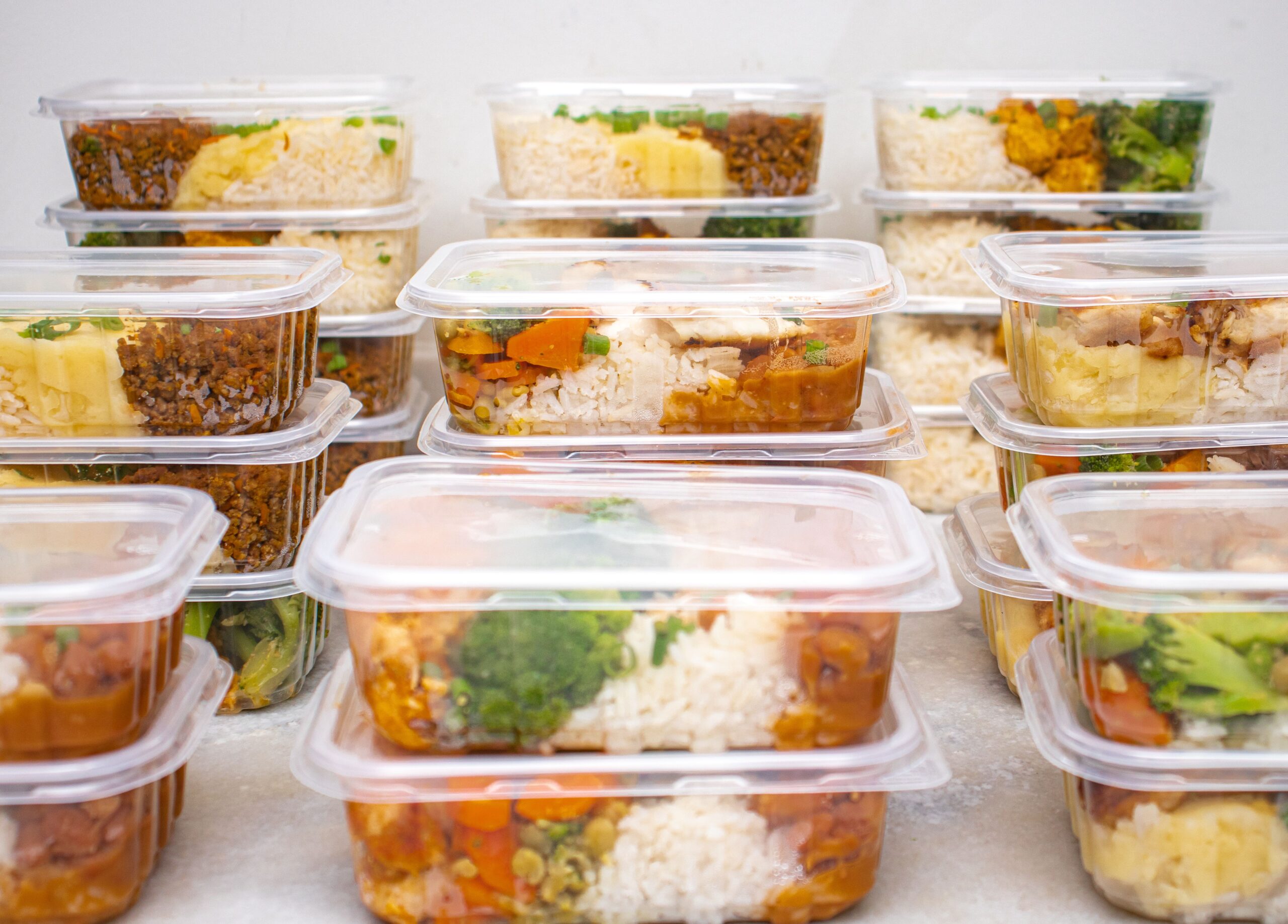
Ever stood in your kitchen at 6 AM, tired and rushed, trying to figure out what to feed your dog before you dash to work? I’ve been there more times than I’d like to admit. That’s exactly why large batch homemade dog food became my weekend ritual—and honestly, it might just save your sanity too.
Cooking for your pup doesn’t have to mean daily kitchen chaos. When you make homemade dog food in bulk, you spend a few hours once, maybe twice a month, and your furry friend eats fresh, wholesome meals every single day. No more guessing games. No more last-minute kibble runs. Just a freezer stocked with love.
What Exactly Is Large Batch Homemade Dog Food?
Let’s break this down simply. Large batch homemade dog food means preparing a bigger quantity of nutritionally balanced dog food in one cooking session, then storing it properly so it lasts for weeks. Think of it like meal prepping, but for your four-legged family member.
This isn’t just tossing some chicken and rice together. It’s a planned approach where you calculate portions, balance nutrients, and store food safely so your dog gets consistent, healthy meals without you cooking every day.
Here’s what makes this method different from single-meal cooking:
| Term | Definition |
|---|---|
| Batch Cooking | Preparing multiple servings of food in one session for future use |
| Portioning | Dividing cooked food into individual meal-sized amounts before storage |
| Freezer Burn | Damage to food caused by air exposure during freezing, affecting taste and texture |
| Rotational Storage | Organizing frozen meals so older batches get used before newer ones |
| Macro Balance | The ratio of protein, fat, and carbohydrates needed for canine health |
| Thawing Window | The safe time period during which frozen food should be consumed after defrosting |
Why Bother With Large Batches Anyway?
I get asked this all the time. Why not just cook fresh meals daily? Simple answer: time and consistency.
Large batch cooking gives you several real advantages:
- Saves hours of weekly kitchen time
- Reduces food waste since you buy ingredients in bulk
- Ensures nutritional consistency across meals
- Cuts down grocery trips
- Gives you control over quality and ingredients
- Works perfectly for multi-dog households
Step-by-Step: Making Large Batch Dog Food
Let’s get into the actual process. I’ll walk you through exactly how I do this at home.
Step 1: Plan Your Recipe Ratios
Before touching a single pot, figure out your ratios. Most balanced homemade dog food follows roughly:
- 40% protein (chicken, turkey, beef, or fish)
- 30% vegetables (carrots, spinach, sweet potato, green beans)
- 20% carbohydrates (brown rice, quinoa, oats)
- 10% healthy fats and supplements (fish oil, calcium powder)
Step 2: Calculate Total Quantity Needed
This part trips people up. You need math here, not guesswork.
- Determine your dog’s daily calorie needs based on weight and activity level
- Multiply that by the number of days you want the batch to last
- Add 10% extra to account for any spillage or measuring errors
Step 3: Prep Your Ingredients
Wash, chop, and organize everything before you start cooking. This saves so much time later.
- Dice proteins into consistent sizes for even cooking
- Chop vegetables small enough for easy digestion
- Measure grains and carbs separately
- Keep raw meat separate from other ingredients until cooking time
Step 4: Cook in Stages
Don’t throw everything into one giant pot randomly. Cook things in logical order.
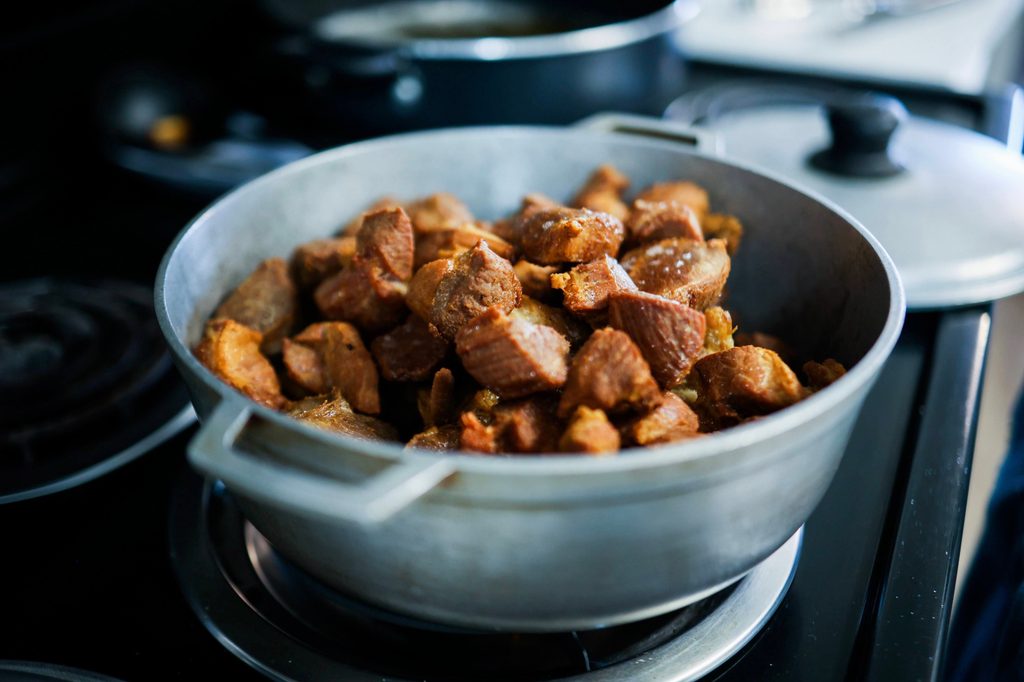
- Start proteins first in a large stockpot or slow cooker
- Add vegetables once protein is nearly done
- Cook grains separately, then mix everything together
- Stir in supplements and oils after cooking, once food has cooled slightly
Step 5: Cool Completely Before Storing
This step matters more than people realize. Hot food going straight into containers creates condensation, which invites bacteria.
- Spread cooked food on baking sheets to cool faster
- Let it sit at room temperature for no more than 30 minutes
- Move to refrigerator for further cooling before freezing
Step 6: Portion Into Meal-Sized Servings
Here’s where large batch cooking really pays off. Use containers or silicone freezer trays sized to your dog’s exact meal portions.
- Use a kitchen scale for accuracy
- Label each container with weight and date
- Consider using vacuum-sealed bags for longer freshness
Step 7: Store Properly
Storage decides whether your hard work pays off or goes to waste.
- Refrigerate portions you’ll use within 3-4 days
- Freeze remaining portions immediately
- Keep freezer temperature at 0°F (-18°C) or below
- Store in flat layers to save space and speed up thawing later
Step 8: Thaw and Serve Safely
When mealtime comes, thaw food the right way.
- Move frozen portions to the fridge the night before
- Never thaw at room temperature for extended periods
- Once thawed, use within 48 hours
- Warm slightly if your dog prefers it, but avoid microwaving in plastic containers
Tips for Success
I’ve learned these lessons through trial and error, so you don’t have to.
- Always consult your vet before switching your dog fully to homemade food
- Use a food scale, not measuring cups, for accurate protein-to-carb ratios
- Batch cook every 2-3 weeks rather than monthly for maximum freshness
- Invest in quality freezer-safe containers that don’t crack
- Add calcium supplements since homemade meals often lack this naturally
- Keep a simple spreadsheet tracking what recipes your dog loves and which ones get ignored
- Rotate proteins between batches to avoid nutrient gaps and food boredom
Common Mistakes and How to Avoid Them
Let’s talk about where things typically go wrong, because I’ve made plenty of these mistakes myself.
Mistake: Skipping Calcium Supplementation
Homemade meals without bones or calcium powder create serious deficiencies over time. Add ground eggshell powder or a vet-approved calcium supplement to every batch.
Mistake: Inconsistent Portion Sizes
Eyeballing portions leads to overfeeding or underfeeding. Always weigh portions using a kitchen scale.
Mistake: Storing Food Too Long
Even frozen food degrades after 2-3 months. Label everything with dates and use older batches first.
Mistake: Using Toxic Ingredients
Onions, garlic, grapes, and xylitol are common kitchen staples that are dangerous for dogs. Double-check every ingredient before adding it to the pot.
Mistake: Not Cooling Food Properly
Rushing this step causes bacterial growth. Always cool food fully before sealing containers.
Mistake: Ignoring Nutritional Balance
Making the same protein-heavy meal repeatedly without proper carb and fat ratios can cause health issues. Rotate recipes and consult a canine nutritionist if you’re unsure.
Mistake: Overcrowding the Freezer
Packing containers too tightly prevents even freezing, leading to uneven textures and possible spoilage in the center.
Similar Variations You Can Try
Once you’ve mastered the basic method, branch out a little. Variety keeps things interesting for your dog and gives you flexibility.
- Slow Cooker Batch Meals: Perfect for busy schedules, just dump ingredients and let it simmer for hours
- Raw Batch Prep: For dogs on raw diets, portion raw meat, organs, and veggies without cooking
- Grain-Free Batches: Swap rice and oats for pumpkin or sweet potato for dogs with grain sensitivities
- Single-Protein Batches: Great for dogs with allergies, using just one protein source per batch
- Senior Dog Formulas: Lower fat, higher fiber batches designed for older dogs with slower digestion
- Puppy Growth Batches: Higher protein and calcium ratios formulated for growing puppies
Each variation still follows the same core process: plan, cook, cool, portion, store. Only the ingredients and ratios shift based on your dog’s specific needs.
Wrapping It All Up
Large batch homemade dog food isn’t complicated once you understand the process. Plan your ratios, cook smart, cool properly, portion accurately, and store with care. That’s really the whole formula.
I started doing this because I wanted better control over what my dog eats, and honestly, it’s turned into one of my favorite weekend routines. There’s something satisfying about opening the freezer and seeing weeks of healthy meals ready to go. If you’re on the fence about trying large batch homemade dog food, just start small. Cook one batch, see how your dog reacts, and adjust from there. Your dog will thank you with every happy tail wag at dinnertime.