
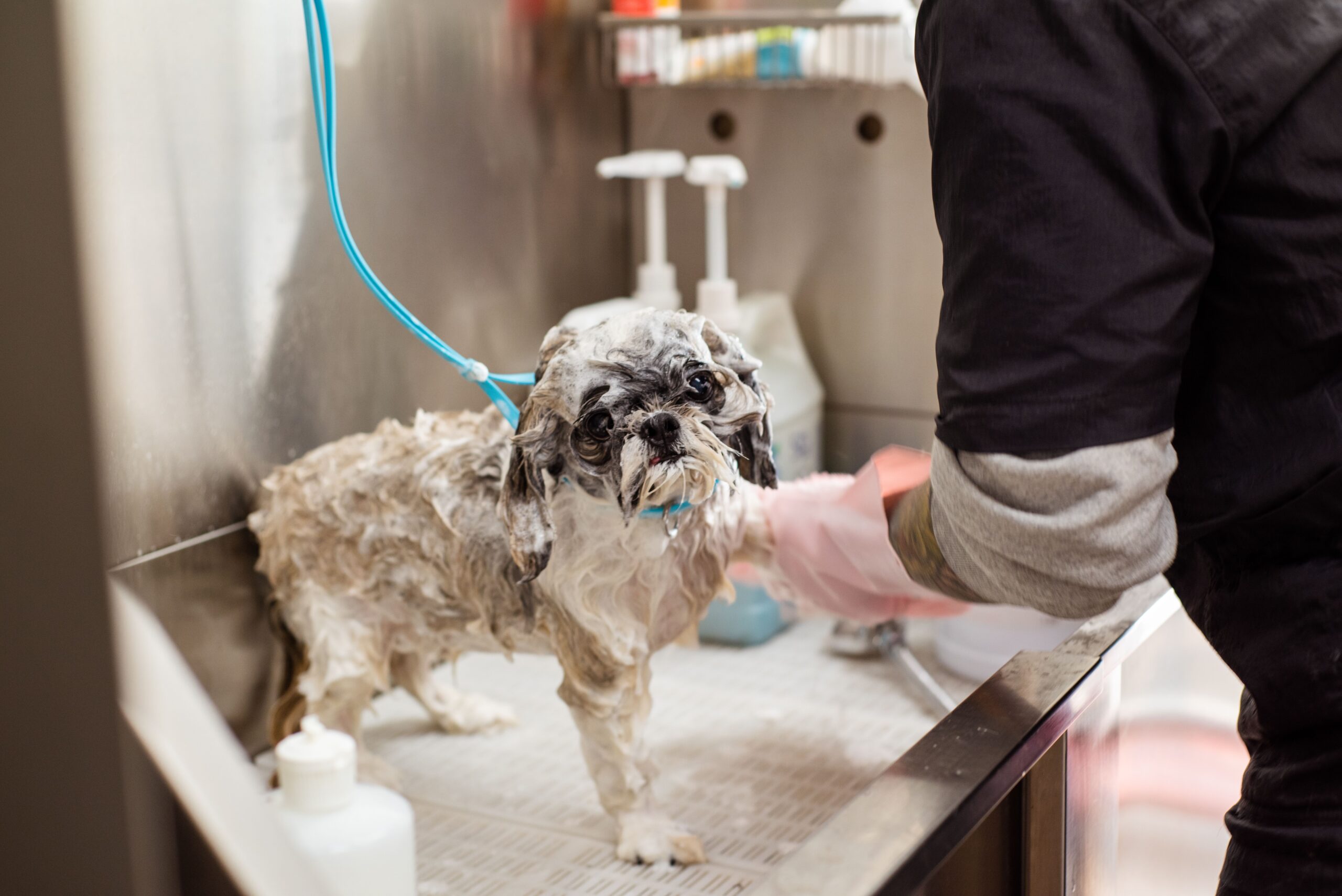
Does your pup scratch all day long and drive you crazy watching them suffer? I’ve been there, and DIY dog shampoo for itchy skin turned out to be my saving grace when store-bought bottles just weren’t cutting it. My dog Max used to scratch himself raw during allergy season, and honestly, the fancy vet-recommended shampoos left a dent in my wallet without much improvement. So I started digging into homemade options, and what I found changed everything for us.
A lot of dog owners search for relief online, but many blog posts skip over the stuff that actually matters. They’ll toss out a basic recipe with oatmeal and call it a day. What about ingredient ratios? What about how long it stays fresh? What about knowing which oils are actually safe? I noticed these gaps everywhere, so I decided to put together something more complete. This guide covers the full picture—not just a quick recipe, but everything you need to make it work safely and effectively.
What This DIY Dog Shampoo Actually Does
Let’s talk about what we’re making here. This isn’t just soap and water thrown together. This is a gentle, oatmeal-based formula designed specifically to calm irritated skin, soothe hot spots, and cut down on that relentless scratching.
The base uses colloidal oatmeal, which sounds fancy but it’s really just finely ground oats. Oats contain compounds called avenanthramides (say that five times fast) that reduce inflammation and itching. Vets have used oatmeal-based treatments for decades because it genuinely works, not because it’s trendy.
I also add a touch of natural moisturizer and a mild, dog-safe soap base. Together, these ingredients clean your dog’s coat without stripping away natural oils that protect their skin. Dogs have a different skin pH than humans (dog skin sits around 6.2-7.4, while ours is closer to 5.5), which is exactly why using your own shampoo on your pup can make itching worse instead of better. That’s a detail most homemade recipes completely skip, and it matters a lot.
This shampoo works great for dogs dealing with seasonal allergies, dry winter skin, minor irritation from grass or pollen, and general itchiness that doesn’t come from a serious medical condition. If your dog has open wounds, severe rashes, or signs of infection, please see your vet first. Homemade shampoo helps with mild to moderate discomfort, but it’s not a magic cure-all.
Key Terms You Should Know
Colloidal oatmeal
: Oatmeal ground into a fine powder that dissolves in water, creating a soothing, protective layer on the skin.
pH balance
: A measure of how acidic or alkaline something is. Dog skin needs a different balance than human skin, which affects which products are safe.
Carrier oil
: A mild oil (like coconut or olive oil) used to dilute stronger ingredients and add moisture without causing irritation.
Hot spot
: A red, inflamed patch of skin caused by excessive licking, scratching, or biting, often triggered by allergies or moisture.
Patch test
: A small test application on a limited area of skin to check for allergic reactions before full use.
Ingredients You’ll Need
Here’s everything required for this batch. Nothing exotic here—just simple stuff you can grab from your kitchen or a local store.
- 1 cup colloidal oatmeal (or grind plain oats in a blender until powdery)
- 2 cups warm water
- 1/4 cup unscented, mild castile soap
- 2 tablespoons coconut oil (melted)
- 1 tablespoon vegetable glycerin (helps lock in moisture)
- 1 teaspoon aloe vera gel (pure, no additives)
- Optional: 3-4 drops dog-safe essential oil (more on this below)
A quick but important note: essential oils are tricky territory. Tea tree oil, for example, is toxic to dogs even in small amounts. If you want to add a scent or extra soothing benefit, stick to chamomile or lavender, and use it sparingly. Many competitor recipes toss in essential oils without warning readers about toxicity, which honestly worries me. Always double-check with your vet before adding any oil to a product that touches your dog’s skin.
Step-by-Step: Making the Shampoo
Ready to make this? Grab your ingredients and let’s get started.
- Grind your oats into a fine powder if you’re not using pre-made colloidal oatmeal. A coffee grinder or blender works well.
- Heat the water until warm, not boiling. You want it comfortable to touch.
- Slowly whisk the oatmeal powder into the warm water. Keep whisking until it forms a smooth, slightly thick mixture with no clumps.
- Add the castile soap and stir gently. Avoid vigorous mixing, since this creates too many bubbles.
- Mix in the melted coconut oil. Make sure it’s not hot, or it’ll separate strangely in the mixture.
- Add the glycerin and aloe vera gel. Stir until everything blends into a smooth, pourable liquid.
- If using essential oil, add it now. Just a few drops go a long way.
- Pour the mixture into a clean bottle with a flip-top or squeeze cap for easy use.
- Shake well before every use, since natural ingredients tend to separate over time.
That’s it. You’ve got a batch of gentle, homemade shampoo ready for your itchy pup.
How to Use It Properly
Making the shampoo is only half the job. Using it correctly matters just as much, and this is another spot where a lot of guides fall short.
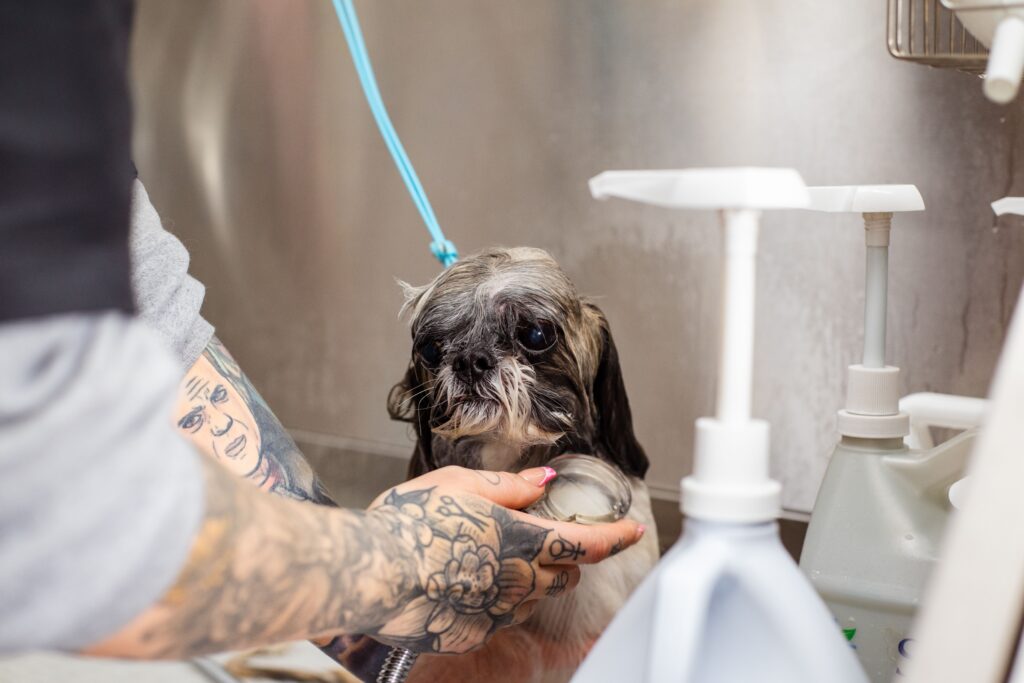
- Wet your dog’s coat thoroughly with warm water before applying shampoo.
- Pour a small amount into your hands and massage it into the coat, focusing on itchy or irritated areas.
- Let it sit for 5 minutes. This gives the oatmeal time to work its magic on the skin.
- Rinse thoroughly. Leftover residue can trap moisture and cause more irritation, not less.
- Towel dry, then let your dog air dry the rest of the way if possible. Heat from blow dryers can dry out already sensitive skin.
Tips for Success
A few extra pointers can make a huge difference in how well this shampoo performs.
- Always do a patch test on a small area of skin 24 hours before full use, especially for dogs with known allergies.
- Store the shampoo in the fridge if you’re not using preservatives. Since this recipe has no synthetic preservatives, it stays fresh for about 1-2 weeks in the fridge.
- Label your bottle with the date you made it, so you don’t accidentally use expired shampoo.
- Bathe your dog no more than once a week unless your vet says otherwise. Over-bathing strips natural oils and worsens dryness.
- Brush your dog before bathing to remove loose fur and tangles, which helps the shampoo reach the skin more effectively.
- Keep the water lukewarm. Hot water dries out skin, while cold water won’t help open up the coat for cleaning.
Common Mistakes and How to Avoid Them
I made plenty of mistakes early on, so let me save you the trouble.
Mistake: Using human shampoo as a base
Human shampoo doesn’t match a dog’s skin pH, so borrowing your own bottle only makes itching worse over time.
Mistake: Skipping the patch test
Even natural ingredients can trigger allergic reactions. Skipping this step risks turning a helpful bath into a painful mess.
Mistake: Adding too much essential oil
More isn’t better here. Overdoing it can irritate skin further or even become toxic, depending on the oil.
Mistake: Not rinsing thoroughly
Leftover shampoo residue traps in oils and dirt, undoing all your hard work.
Mistake: Using this shampoo on open wounds or infections
This recipe soothes mild itching, not medical conditions. Infections need vet care, not homemade remedies.
Mistake: Storing it too long
Since there’s no preservative, using shampoo past two weeks can lead to bacterial growth. When in doubt, toss it and make a fresh batch.
Variations You Can Try
Every dog is different, so here are a few tweaks depending on your pup’s specific needs.
For dry, flaky skin
: Add an extra tablespoon of coconut oil and a teaspoon of honey for extra moisture and antibacterial benefits.
For dogs with yeast-related itching
: Swap the castile soap for a mild apple cider vinegar rinse (diluted 1:4 with water) after shampooing, since vinegar helps balance skin pH and reduce yeast growth.
For sensitive or reactive skin
: Skip the essential oil entirely and stick to just oatmeal, water, and castile soap for the gentlest formula possible.
For dogs who love a light scent
: Use a single drop of lavender oil, known for being calming and generally well-tolerated by most dogs in tiny amounts.
For puppies
: Dilute the entire recipe with an extra half cup of water, since puppy skin is thinner and more sensitive than adult dog skin.
Wrapping It Up
Making your own dog shampoo for itchy skin isn’t complicated once you know what goes into it and why. This recipe gives your dog real relief using simple, safe ingredients you can trust. No mystery chemicals, no guessing games about what’s actually touching their skin.
I hope this guide filled in the blanks that other articles left out, from pH balance to storage tips to genuine safety warnings about essential oils. Give this DIY dog shampoo a try next bath day, and watch how much calmer and comfier your itchy pup becomes.