
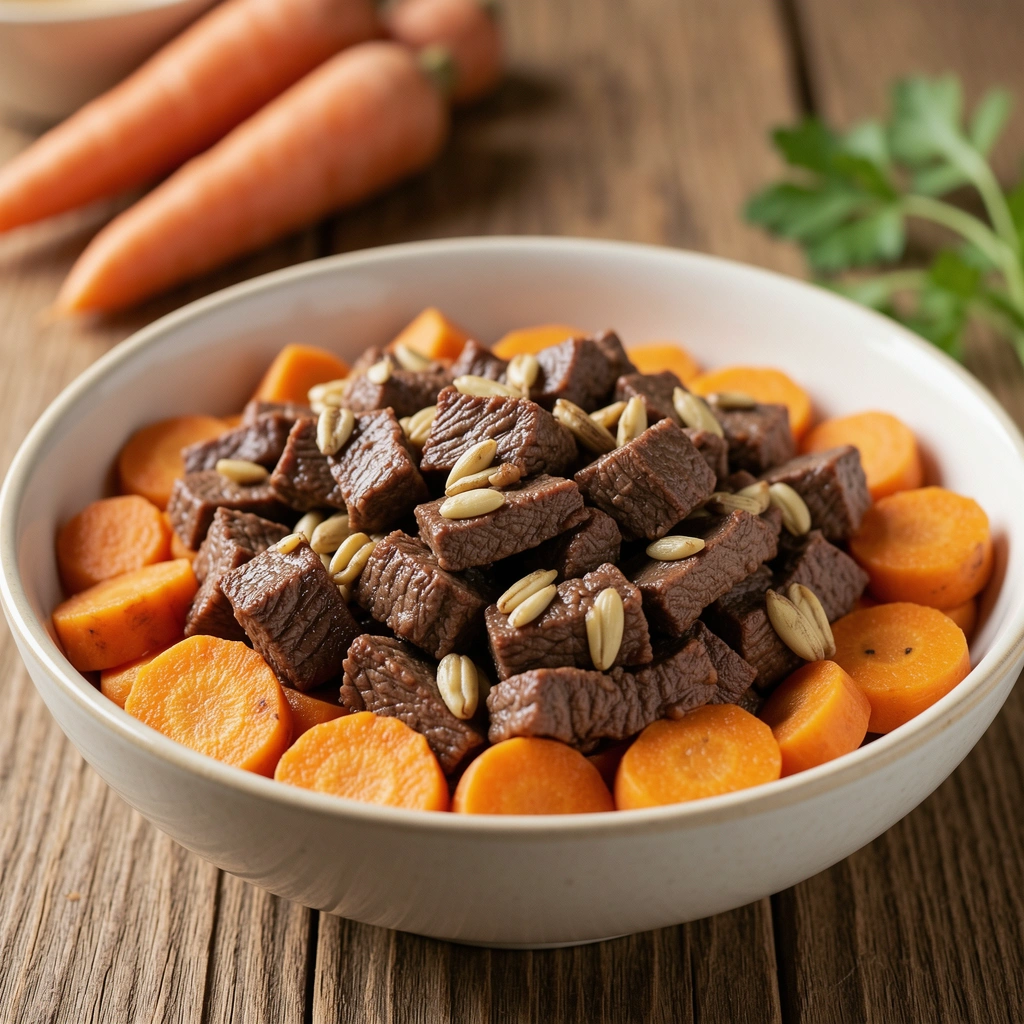
When it comes to feeding our furry friends, nothing beats a homemade meal crafted with love and care. I’ve spent years researching and testing recipes to find the perfect balance of taste, nutrition, and simplicity that even the pickiest pups adore. You’re in the right place to get the most accurate, practical advice on making beef and sweet potato dog food that’s both healthy and delicious.
So, is beef and sweet potato homemade dog food a good option for your dog? Absolutely. This recipe combines lean beef for protein and sweet potatoes for fiber and vitamins, creating a balanced meal that supports your dog’s overall health. It’s easy to prepare, gentle on digestion, and usually well-liked by picky eaters.
Keep reading to discover why this recipe works so well, how to prepare it safely, and some tips to customize it for your dog’s unique needs. You’ll also get insights on ingredient sourcing, portion control, and storage to make mealtime stress-free.
Why Choose Beef And Sweet Potato For Homemade Dog Food?
If you’re wondering why beef and sweet potato top the list for homemade dog meals, here’s the scoop. Beef is an excellent source of high-quality protein essential for muscle growth and repair. It also provides vital nutrients like iron, zinc, and B vitamins that promote energy and a healthy coat. Sweet potatoes offer a rich supply of dietary fiber, antioxidants, and vitamins A and C, which support digestion and immunity.
Together, these ingredients form a nutrient-dense meal that’s easy on your dog’s stomach. Plus, sweet potatoes have a naturally sweet flavor that many dogs find irresistible, making this combo perfect for picky eaters. This pairing is also grain-free, ideal for dogs with sensitivities or allergies.
When selecting beef, opt for lean cuts such as ground beef with 90% lean content or sirloin to avoid excess fat. For sweet potatoes, choose fresh, firm tubers without blemishes or sprouts. These choices ensure maximum nutrition and digestibility for your dog.
Understanding The Nutritional Benefits Of Beef And Sweet Potato Dog Food
Feeding your dog beef and sweet potato isn’t just about taste—it’s about delivering balanced nutrition. Here’s a breakdown of the health benefits these ingredients bring to your dog’s diet:
- Protein Powerhouse: Beef provides all essential amino acids necessary for tissue repair and immune function.
- Energy Boost: The high-quality fat content in lean beef supplies long-lasting energy without overloading your dog with unhealthy fats.
- Digestive Health: Sweet potatoes’ fiber content helps regulate bowel movements and supports gut bacteria.
- Antioxidants: Vitamins A and C in sweet potatoes protect cells from oxidative stress and strengthen your dog’s immune system.
- Low Allergenicity: This combination is less likely to trigger allergies compared to grains or common fillers.
By feeding homemade meals with these ingredients, you reduce reliance on commercial dog foods that may contain preservatives, fillers, and artificial flavors.
How To Prepare Beef And Sweet Potato Dog Food Safely At Home
Making homemade dog food requires care to ensure safety and nutritional adequacy. Here’s a step-by-step guide to preparing this recipe:
- Choose Quality Ingredients: Purchase fresh, lean ground beef and organic or pesticide-free sweet potatoes.
- Wash And Peel Sweet Potatoes: Thoroughly clean and peel to remove dirt and potential toxins.
- Cook Thoroughly: Boil or steam sweet potatoes until soft. Brown the ground beef in a pan, making sure it’s fully cooked to kill harmful bacteria.
- Combine Ingredients: Mash the sweet potatoes and mix with cooked beef in a 1:1 or 2:1 ratio depending on your dog’s size and needs.
- Cool Before Serving: Let the mixture cool to room temperature to avoid burns.
- Portion And Store: Serve appropriate portions and refrigerate leftovers for up to 3 days or freeze for longer storage.
Avoid adding onions, garlic, or excessive salt, as these can be toxic to dogs.
Customizing The Recipe For Your Dog’s Specific Needs
Every dog is unique, and their dietary needs vary by age, breed, health status, and activity level. Here’s how to tweak the beef and sweet potato recipe:
- For Puppies: Increase protein slightly to support growth. Add a small amount of plain yogurt for probiotics.
- For Seniors: Include omega-3 fatty acids from fish oil to support joint health.
- For Allergies: Substitute beef with lamb or turkey if beef doesn’t agree with your dog.
- For Weight Management: Use leaner cuts of beef and reduce portion sizes.
- Add Vegetables: Mix in dog-safe veggies like green beans or carrots for extra vitamins and fiber.
Always consult your veterinarian before making significant changes to your dog’s diet, especially if your dog has health issues.
Ingredients You’ll Need For Beef And Sweet Potato Dog Food
Here’s a simple list of ingredients to get you started:
- 1 pound lean ground beef (90% lean or higher)
- 1 large sweet potato (about 1 cup cooked and mashed)
- Optional: 1 tablespoon olive oil or fish oil (for healthy fats)
- Optional: 1/4 cup chopped dog-safe vegetables (green beans, carrots)
- Optional: Calcium supplement or crushed eggshells (to balance minerals)
Step-By-Step Beef And Sweet Potato Dog Food Recipe
Let me walk you through the process in a way that’s easy to follow:
- Prepare Sweet Potato: Peel and dice the sweet potato. Boil or steam for 15-20 minutes until tender. Mash and set aside.
- Cook Beef: Heat a skillet over medium heat. Add ground beef and cook thoroughly, breaking it into small pieces. Drain excess fat if necessary.
- Combine: In a large bowl, mix the cooked beef with mashed sweet potato. Add any optional ingredients such as olive oil or vegetables.
- Cool And Serve: Allow the mixture to cool completely before serving to your dog.
- Store: Refrigerate leftovers in an airtight container for up to 3 days or freeze in portions.
This recipe yields about 4 cups of food, enough for multiple meals depending on your dog’s size.
Tips For Feeding Homemade Dog Food Successfully
Switching your dog to homemade food can be a big change. Here are some tips to make the transition smooth:
- Gradual Switch: Mix homemade food with current kibble over 7-10 days to avoid digestion upset.
- Monitor Health: Watch for any allergic reactions or digestive changes.
- Maintain Balance: Ensure meals include protein, carbs, fats, vitamins, and minerals.
- Hydration: Always provide fresh water alongside meals.
- Portion Control: Adjust serving size based on activity level and weight management goals.
How To Store Homemade Dog Food Properly
Proper storage keeps your dog’s food fresh and safe. Follow these guidelines:
- Refrigerate: Store in airtight containers for up to 3 days.
- Freeze: Portion out meals and freeze for up to 3 months.
- Label: Mark containers with date to track freshness.
- Avoid Room Temperature: Don’t leave food out longer than 2 hours.
Common Mistakes To Avoid When Feeding Homemade Dog Food
Even with the best intentions, mistakes happen. Avoid these common pitfalls:
- Lack of Variety: Feeding the same ingredients daily can cause nutritional imbalances.
- Overfeeding: Homemade meals can be calorie-dense; measure portions carefully.
- Ignoring Supplements: Homemade diets often need added calcium or vitamins.
- Using Harmful Ingredients: Never include onions, garlic, chocolate, or artificial sweeteners.
- Skipping Vet Consultation: Always involve your vet when changing diets.
How To Make This Recipe Picky Eater Approved
If your dog is a picky eater, don’t worry—this beef and sweet potato recipe is a winner. Here’s why:
- Natural Sweetness: Sweet potatoes add a mild, sweet flavor dogs love.
- Rich Aroma: The smell of cooked beef entices even the fussiest dogs.
- Texture: The soft, mash-like consistency is easy to eat.
- Customization: Add a splash of low-sodium broth or a sprinkle of cheese if your dog enjoys it.
Try warming the food slightly (never hot) to enhance aroma and appeal.
The Role Of Supplements In Homemade Dog Food
Homemade meals sometimes miss out on key vitamins and minerals. Consider these supplements:
- Calcium: Essential for bone health, can be added via crushed eggshells or supplements.
- Omega-3 Fatty Acids: Support skin, coat, and joints; fish oil is good source.
- Multivitamins: Can fill gaps in micronutrients.
- Probiotics: Aid digestion and immune function.
Always discuss supplement use with your veterinarian to avoid overdosing.
How To Transition Your Dog To Homemade Beef And Sweet Potato Food
Switching diets requires patience. Here’s a simple plan:
- Day 1-3: 25% homemade, 75% current food
- Day 4-6: 50% homemade, 50% current food
- Day 7-9: 75% homemade, 25% current food
- Day 10+: 100% homemade
Observe your dog for any signs of upset stomach or allergies.
Frequently Asked Questions About Beef And Sweet Potato Dog Food
Q: Can I feed raw beef and sweet potato to my dog?
A: It’s safer to cook both ingredients to kill bacteria and enhance digestibility.
Q: How often should I feed this homemade recipe?
A: Typically, twice daily portioned according to your dog’s size and energy needs.
Q: Are sweet potatoes safe for all dogs?
A: Generally yes, but introduce slowly if your dog has a sensitive stomach.
Q: Can I add rice or other grains?
A: Yes, if your dog tolerates grains, adding brown rice can provide extra carbs.
Why This Beef And Sweet Potato Recipe Beats Commercial Foods
Homemade beats store-bought for several reasons:
- No Fillers: Avoids unnecessary additives and preservatives.
- Customization: Tailor ingredients for your dog’s health.
- Freshness: Meals are cooked fresh, preserving nutrients.
- Transparency: You know exactly what goes into every bite.
This recipe is a simple, wholesome choice for dog parents seeking control over their pet’s nutrition.
How To Incorporate This Recipe Into A Balanced Diet
While this dish is nutritious, variety is key. Rotate protein sources and add different veggies weekly. Combine with veterinary-recommended supplements to cover all nutrient bases. This approach ensures your dog enjoys a well-rounded diet.
Final Thoughts: Making The Best Beef And Sweet Potato Dog Food At Home
Crafting homemade dog food with beef and sweet potato is both rewarding and beneficial. It’s a straightforward recipe that balances flavor and health while winning over picky eaters. With the right preparation, portioning, and supplementation, you can provide your dog a meal that supports long-term wellbeing and happiness.
Give this recipe a try and watch your dog savor every bite. Remember, homemade food is a journey—adjust as you learn what your furry friend loves and thrives on. For more tips on homemade dog nutrition, stay tuned!
Feeding your dog beef and sweet potato homemade dog food is a simple, nutritious way to keep them healthy and happy. This recipe combines essential nutrients with great taste, making it perfect for picky eaters and conscientious pet owners alike. Try it today and see the difference homemade meals can make!