
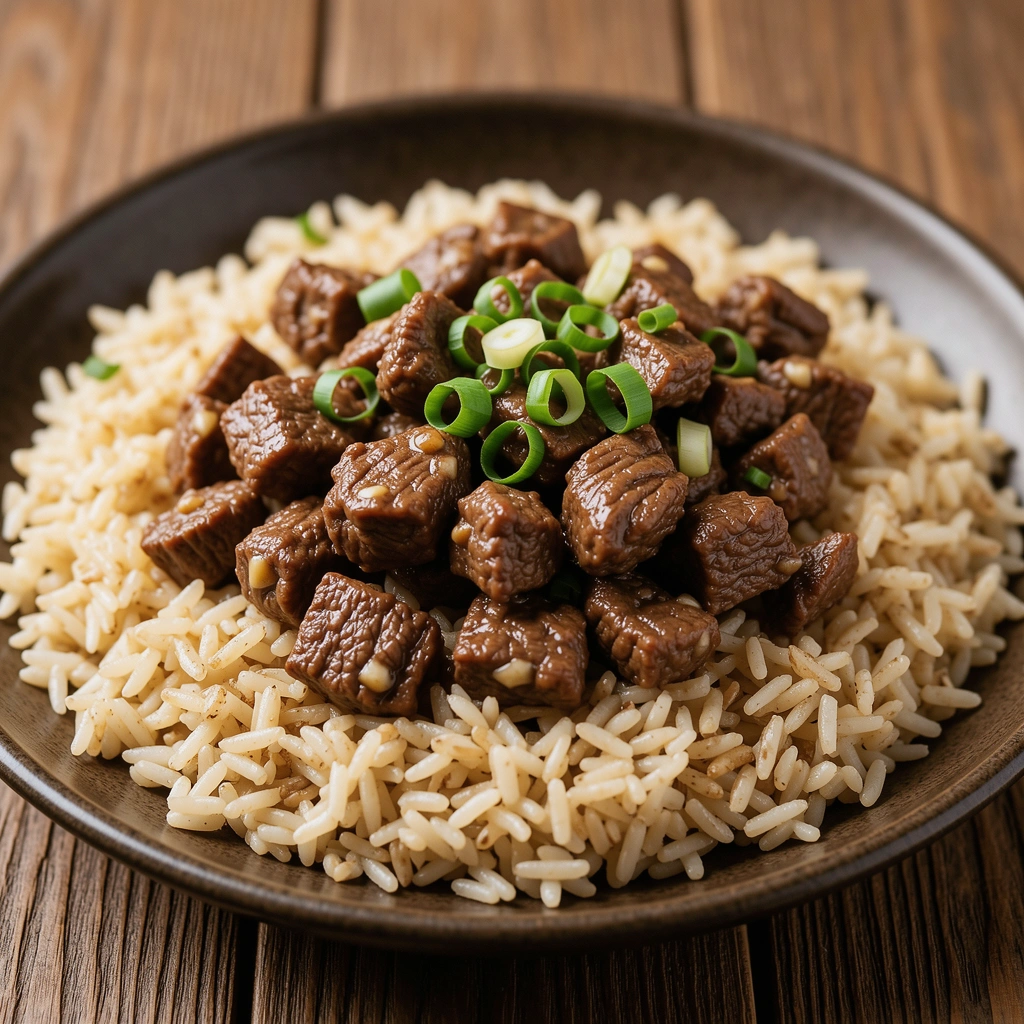
When it comes to feeding our furry friends, I know how important it is to get the facts right. Over the years of researching and cooking for dogs, I’ve gathered accurate, reliable information to help you make the best food choices. So whether you’re a new dog parent or a seasoned pet lover, you can trust this guide to beef rice for dogs to be thorough and easy to understand.
So what is beef rice for dogs? Simply put, beef rice is a homemade dog meal combining lean beef and rice, often with added veggies and supplements. It’s popular because it’s nutritious, easy to digest, and gentle on a dog’s stomach. This balanced recipe provides protein, carbohydrates, and essential nutrients for a healthy dog diet.
Keep reading to discover why beef rice is a great choice, how to prepare it safely, tips to customize it for your dog’s needs, and answers to common questions about homemade dog food.
What Exactly Is Beef Rice for Dogs?
Beef rice for dogs is a home-cooked meal that blends lean beef, typically ground or cubed, with well-cooked rice. It’s often complemented by dog-safe vegetables like carrots or peas and sometimes a small amount of healthy oils or supplements. This dish is favored by many dog owners because it’s:
- Highly digestible: Both beef and rice are easy on sensitive stomachs.
- Nutritionally balanced: Provides a good mix of protein and carbs.
- Customizable: You can add or omit ingredients based on your dog’s specific health needs.
Unlike commercial dog foods, homemade beef rice lets you control ingredients, avoid fillers, and cater to allergies or sensitivities. It’s an excellent option for dogs recovering from illness or those with dietary restrictions.
If you’re thinking about switching your dog to beef rice, keep in mind the importance of balance. Dogs need more than just beef and rice—they also require vitamins, minerals, and fats to thrive.
Why Beef Rice Is a Great Choice for Your Dog’s Diet
Beef rice isn’t just a convenient recipe—it’s a powerhouse of health benefits when done right. Here’s why many vets and dog nutritionists recommend it:
- High-quality protein from beef: Beef offers essential amino acids that support muscle development, immune function, and overall vitality.
- Easily digestible carbohydrates from rice: Rice is mild on the stomach and provides energy without causing digestive upset.
- Low allergenic potential: Beef and rice are less likely to trigger food allergies compared to grains like wheat or corn.
- Supports digestive health: The simplicity of the ingredients helps dogs with sensitive tummies or recovering from gastrointestinal issues.
By preparing beef rice at home, you avoid preservatives, artificial additives, and unknown fillers often found in commercial dog food brands. Plus, it’s budget-friendly and easy to make in bulk.
In the next sections, I’ll share practical tips and recipes so you can confidently prepare beef rice meals tailored for your dog’s unique needs.
How to Prepare Beef Rice for Dogs: Step-by-Step Basics
Let’s get into the basics of making beef rice for dogs that’s both safe and tasty:
- Choose lean beef: Ground beef with 90% lean content works well to avoid excess fat.
- Cook the beef thoroughly: Raw beef can carry bacteria, so cook it until no pink remains.
- Use plain white or brown rice: Cook rice fully until soft. White rice is easier to digest; brown rice offers more fiber.
- Add dog-safe vegetables: Carrots, peas, green beans, and pumpkin are great options.
- Avoid harmful ingredients: No onions, garlic, spices, salt, or oils that could harm your dog.
- Portion correctly: Generally, a 50/50 ratio of beef to rice is a good starting point, adjusted based on your dog’s size and activity.
Here’s a simple recipe to try:
Ingredients:
- 1 cup lean ground beef
- 1 cup cooked white rice
- ¼ cup steamed carrots (diced)
- ¼ cup steamed green beans (chopped)
Instructions:
- Brown the ground beef in a pan over medium heat until fully cooked.
- Steam carrots and green beans until soft.
- Mix beef, rice, and veggies in a bowl.
- Let cool before serving.
Feel free to make larger batches and store portions in the fridge for up to 3 days or freeze for longer.
Nutritional Benefits of Beef in Dog Food
Beef is a powerhouse protein source for dogs. Here’s why it’s fantastic:
- Rich in essential amino acids: Supports muscle repair and growth.
- Packed with vitamins B6 and B12: Important for brain function and energy metabolism.
- Good source of iron: Helps maintain healthy blood and oxygen transport.
- Contains zinc and selenium: Boosts immune health.
When feeding beef, always opt for lean cuts to avoid excessive fat, which can cause digestive upset or pancreatitis in some dogs.
Why Rice Is the Ideal Carbohydrate Partner in Dog Meals
Rice is often the carbohydrate of choice for homemade dog meals because:
- It’s gentle on the digestive system: Ideal for dogs with upset stomachs or diarrhea.
- Gluten-free: Good for dogs with grain sensitivities.
- Provides quick energy: Carbs are an important energy source for active dogs.
- Easily digestible: Both white and brown rice cook soft and digest well.
White rice is best during digestive issues, while brown rice offers additional fiber and nutrients for regular feeding.
Adding Vegetables for Extra Nutrition and Flavor
Incorporating vegetables into beef rice recipes boosts fiber, vitamins, and antioxidants. Some dog-friendly veggies include:
- Carrots (vitamin A, beta-carotene)
- Green beans (fiber, vitamins C and K)
- Peas (protein, fiber, vitamins)
- Pumpkin (digestive health, fiber)
- Spinach (iron, calcium)
Always cook veggies to soften them and chop finely to avoid choking. Avoid toxic veggies like onions, garlic, and mushrooms.
How to Customize Beef Rice for Dogs with Special Dietary Needs
Not all dogs are the same. Here’s how you can adjust beef rice recipes to suit:
- For puppies: Add a bit more fat and calcium for growth.
- For senior dogs: Use leaner beef cuts and add joint supplements like glucosamine.
- For overweight dogs: Reduce rice portion, increase veggies, and choose very lean beef.
- For dogs with allergies: Substitute beef with turkey or lamb and use white rice to minimize allergens.
Always consult with your vet before drastically changing your dog’s diet, especially if health conditions exist.
Common Mistakes to Avoid When Feeding Beef Rice to Dogs
To keep your dog safe and healthy, avoid these common errors:
- Adding salt, spices, or seasoning harmful to dogs
- Using fatty beef cuts that can cause pancreatitis
- Feeding raw beef without cooking
- Ignoring portion control leading to weight gain
- Forgetting supplements for a balanced diet (like fish oil or vitamin E if recommended)
Homemade meals should complement, not replace, a complete dog food plan unless guided by a professional.
How Often Should You Feed Your Dog Beef Rice?
Frequency depends on your dog’s age, size, and health. Beef rice can be:
- Daily meal replacement if balanced with all nutrients
- Occasional homemade treat mixed with commercial kibble
- Dietary solution during illness or recovery
Start by feeding small amounts and observe digestion and energy levels. Adjust as needed.
Storage and Safety Tips for Beef Rice Dog Food
Homemade dog food needs proper handling:
- Store in airtight containers in the fridge for up to 3 days
- Freeze in portions for up to 2 months
- Reheat gently and cool before serving
- Avoid leaving food out for more than 2 hours to prevent bacterial growth
Frequently Asked Questions About Beef Rice For Dogs
Q: Can all dogs eat beef rice?
A: Most dogs can enjoy beef rice, but those with specific allergies or kidney issues should consult a vet first.
Q: Can I add supplements to homemade beef rice?
A: Yes, omega-3 oils, calcium, and multivitamins can be added with vet approval.
Q: Is brown rice better than white rice?
A: Brown rice offers more fiber and nutrients but is harder to digest for some dogs. White rice is gentler on upset stomachs.
Q: Can I feed raw beef rice?
A: No, raw beef risks bacterial contamination. Always cook beef thoroughly.
Final Thoughts on Beef Rice for Dogs
Feeding your dog beef rice is a wholesome, nutritious option that you can easily prepare at home. It offers balanced protein and carbs, supports digestion, and can be customized for your dog’s unique needs. Just remember to cook the ingredients properly, avoid harmful additives, and consult your vet when making significant diet changes.
By choosing beef rice for dogs, you’re giving your furry friend a comforting meal that’s both tasty and healthy. So why wait? Try making your first batch today and see how your dog loves this simple, homemade goodness.
If you want to learn more about homemade dog food recipes or have specific dietary questions, feel free to explore other parts of this site. I’m here to help you keep your dog happy, healthy, and well-fed!
Remember, beef rice for dogs is a great starting point for homemade meals, but always balance it with other nutrients to keep your pup thriving.