
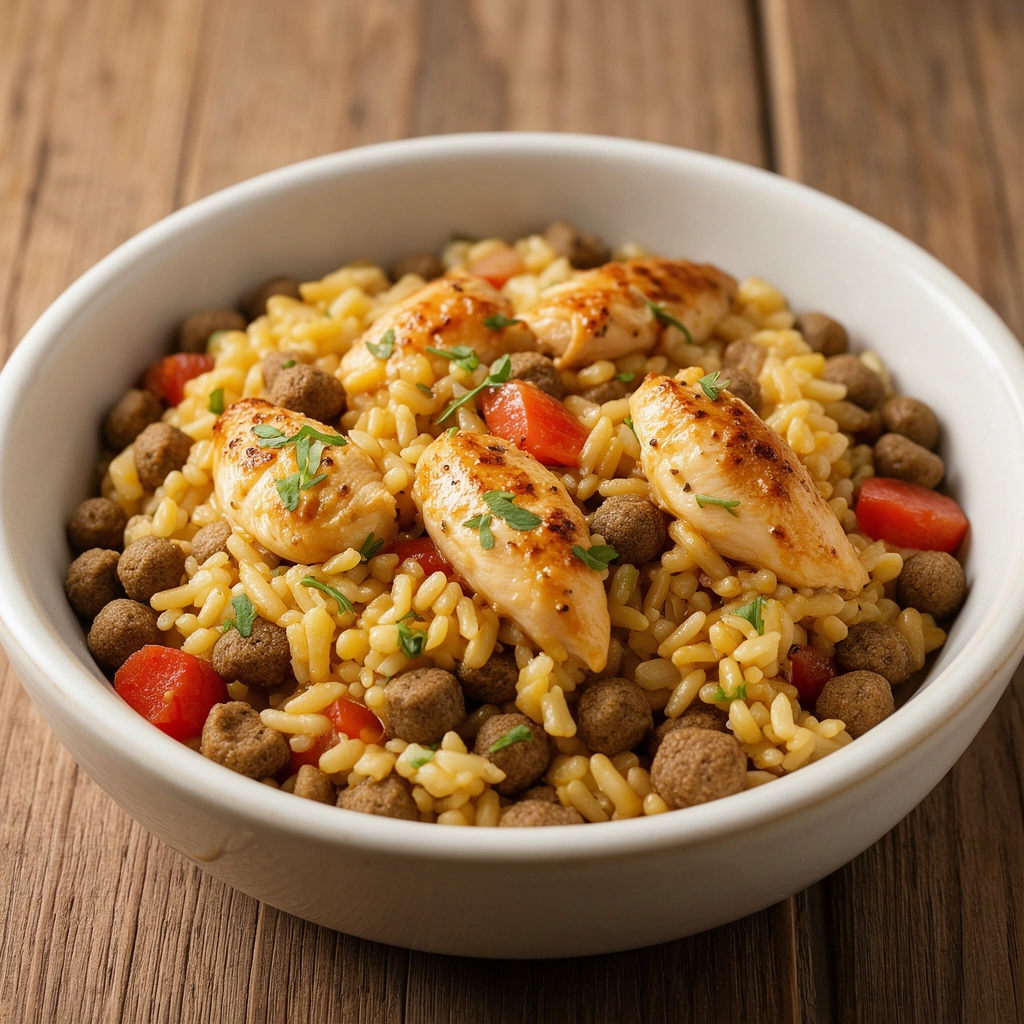
When it comes to feeding our furry friends, I know how important it is to find recipes that are not only nutritious but also easy to prepare. I’ve spent years researching and testing homemade dog food recipes that are safe, healthy, and delicious for dogs of all sizes and ages. You can trust that the information here is accurate and based on veterinary nutrition principles.
So, what exactly is the best chicken and rice dog food recipe? Simply put, it’s a balanced homemade meal that combines lean chicken, easily digestible rice, and essential nutrients to support your dog’s overall health. This recipe is gentle on the stomach, great for dogs with digestive issues, and provides high-quality protein and carbohydrates.
Keep reading to discover detailed recipes, ingredient tips, and important health benefits. Whether you’re new to homemade dog food or looking to improve your current recipes, you’ll find everything you need here.
Why Choose Chicken and Rice for Your Dog?
Chicken and rice have long been a go-to combination for homemade dog meals. It’s not just because it’s simple to make; this duo offers excellent nutritional benefits. Chicken is a lean source of protein that helps maintain muscle mass and supports a strong immune system. Rice provides easily digestible carbohydrates, which serve as a gentle energy source without upsetting your dog’s stomach.
If your dog suffers from digestive issues, allergies, or is recovering from illness, chicken and rice is often recommended by veterinarians to soothe their system. Plus, it’s a highly palatable combination most dogs happily eat, making mealtime stress-free.
When preparing chicken and rice meals, it’s essential to select quality ingredients and add complementary foods to round out the nutrition. In the sections ahead, I’ll walk you through recipes that do just that.
Understanding the Basics of Homemade Dog Food
Before diving into recipes, it’s crucial to understand the foundation of balanced dog nutrition. Dogs need more than just protein and carbs; they require a mix of vitamins, minerals, fats, and fiber to thrive. Simply mixing chicken and rice won’t meet all their dietary needs.
A complete homemade dog food recipe should include:
- Protein: Lean chicken breast or thigh meat.
- Carbohydrates: White or brown rice, cooked thoroughly.
- Vegetables: Dog-safe veggies like carrots, peas, or pumpkin for fiber and micronutrients.
- Fats: Healthy oils such as fish oil or olive oil to support skin, coat, and brain health.
- Supplements: Calcium sources like ground eggshells or commercial supplements to maintain bone health.
With these basics in mind, let’s explore some versatile chicken and rice dog food recipes that you can easily make at home.
Classic Chicken and Rice Recipe for Sensitive Stomachs
This recipe is a favorite because it’s gentle on the digestive system while providing balanced nutrition. Perfect for dogs recovering from diarrhea, vomiting, or general stomach upset.
Ingredients:
- 2 cups cooked chicken breast (skinless, boneless, shredded)
- 1 cup cooked white rice
- 1/2 cup cooked carrots, mashed
- 1/4 cup cooked peas
- 1 tsp olive oil
- Calcium supplement (as per vet’s recommendation)
Why this works:
Chicken provides easily digestible protein, while white rice offers a bland carbohydrate source that won’t irritate the gut. Carrots and peas add fiber and vitamins, and olive oil supplies essential fatty acids.
Practical tip:
Cook the rice and vegetables separately to avoid overcooking and nutrient loss. Always cool food to room temperature before serving your dog.
This recipe is ideal for dogs with sensitive stomachs and can be used short-term or as part of a rotation diet.
Transition: Now that we’ve covered the basics, let’s look at a heartier recipe for active dogs.
High-Energy Chicken and Rice Meal for Active Dogs
If your dog is energetic or working hard (think hiking, agility, or sporting dogs), they need meals that fuel their activity. This chicken and rice recipe packs extra calories and nutrients to keep your pup energized.
Ingredients:
- 3 cups cooked chicken thighs (skinless, boneless, shredded)
- 1.5 cups cooked brown rice
- 1 cup steamed spinach or kale
- 1/2 cup cooked sweet potato
- 1 tbsp fish oil
- 1/2 tsp turmeric powder (optional, for anti-inflammatory benefits)
Why this works:
Brown rice provides more fiber and nutrients than white rice, helping with sustained energy release. Sweet potatoes add complex carbohydrates and antioxidants, while leafy greens supply vitamins A, C, and K. Fish oil boosts omega-3 fatty acids for joint and coat health.
Practical tip:
Introduce turmeric slowly and consult your vet before adding supplements. Use fresh, organic greens if possible to maximize benefits.
This recipe suits active dogs needing nutrient-dense meals and can be adjusted for portion size.
Transition: What if your dog has allergies or food sensitivities? Let’s explore a hypoallergenic twist.
Hypoallergenic Chicken and Rice Recipe for Allergies
Food allergies are common in dogs and often involve reactions to beef, dairy, or grains. This recipe minimizes common allergens while keeping nutrition intact.
Ingredients:
- 2 cups cooked ground chicken (or turkey as an alternative)
- 1 cup cooked quinoa (a grain alternative to rice)
- 1/2 cup cooked zucchini, diced
- 1/4 cup cooked pumpkin puree (no sugar added)
- 1 tsp coconut oil
- Calcium supplement
Why this works:
Quinoa is a protein-rich grain substitute that’s gluten-free and less allergenic than rice or wheat. Zucchini and pumpkin provide fiber for digestive health without common allergens. Coconut oil supports digestion and offers medium-chain triglycerides for energy.
Practical tip:
Always monitor your dog closely when introducing new ingredients. Rotate proteins to minimize allergy risks.
This recipe is great for dogs with known allergies or sensitivities and can be customized further.
Transition: Next up, let’s talk about enhancing homemade meals with supplements and additives.
Adding Supplements and Enhancers to Chicken and Rice Meals
Homemade dog food needs careful balancing, so adding the right supplements is key. Here’s a quick glossary of common additions:
- Calcium sources: Ground eggshells or commercial calcium powders ensure proper bone development.
- Fish oil: Rich in omega-3s, promotes coat health and reduces inflammation.
- Probiotics: Support gut health and improve digestion.
- Multivitamins: Fill any nutritional gaps, especially in homemade diets.
Practical advice:
Always consult your vet before adding supplements. Keep portions appropriate to avoid nutrient overdoses.
These extras boost the nutritional profile of chicken and rice meals, making them complete and balanced.
Transition: Now, let’s explore how to store and serve homemade dog food safely.
Safe Storage and Serving Tips for Homemade Dog Food
Making homemade meals is rewarding but requires safe handling to protect your dog’s health.
- Storage: Refrigerate leftovers in airtight containers for up to 3 days.
- Freezing: Portion meals into freezer bags and thaw in the fridge overnight before serving.
- Serving temperature: Serve meals at room temperature to avoid burns and improve palatability.
- Sanitation: Clean all utensils and surfaces thoroughly to prevent contamination.
Practical tip:
Label containers with dates to keep track of freshness and avoid spoiled food.
Proper storage ensures your dog enjoys fresh, safe homemade meals every time.
Transition: Finally, let’s look at customizing chicken and rice recipes for different dog breeds and life stages.
Customizing Chicken and Rice Recipes for Different Dogs
Not all dogs have the same nutritional needs. Puppies, seniors, and large breeds require tailored diets.
- Puppies: Need higher protein and fat for growth. Add egg yolks and cottage cheese for extra calories.
- Senior dogs: Benefit from joint-supporting supplements like glucosamine and chondroitin. Reduce calorie density to prevent weight gain.
- Large breeds: Require more calcium and phosphorus for bone health. Use balanced supplements and monitor weight closely.
Practical advice:
Adjust portion sizes based on activity level and body condition. Regular vet check-ups help fine-tune diets.
Customizing recipes ensures your dog gets exactly what they need to thrive at every life stage.
Conclusion
Chicken and rice dog food recipes are a fantastic way to provide your dog with wholesome, digestible nutrition. By combining lean protein, easy-to-digest carbs, and healthy veggies, you can create meals that support digestion, energy, and overall well-being. Remember to include essential supplements and adjust recipes to fit your dog’s specific needs.
Making homemade dog food doesn’t have to be complicated or time-consuming. With the recipes and tips here, you’re well-equipped to prepare balanced, tasty meals your dog will love. So go ahead—whip up some chicken and rice today and watch your furry friend thrive!
Chicken and rice dog food recipes offer a reliable, nutritious solution for dog owners who want to take control of their pet’s diet. With the right ingredients and care, you can make meals that are both healthy and delicious.