
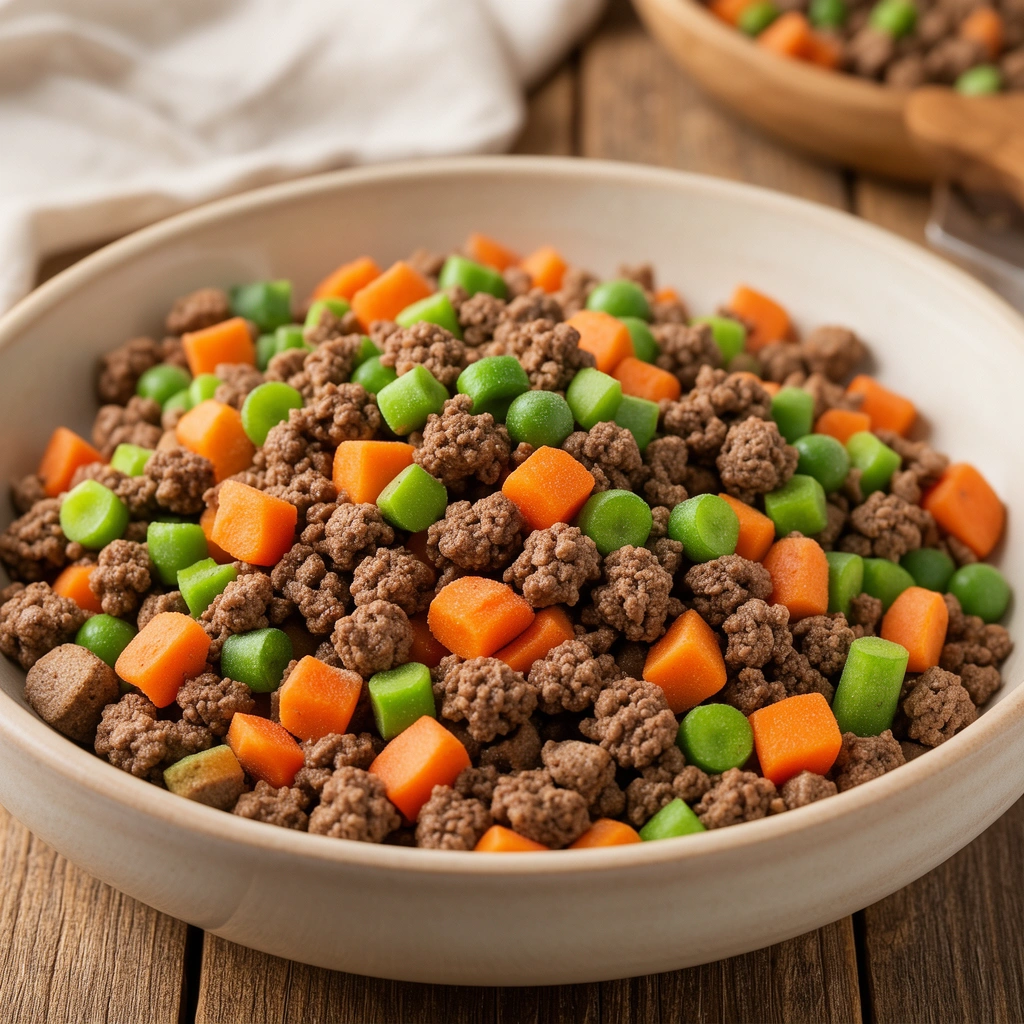
When it comes to feeding our dogs, I know how important it is to find reliable, nutritious, and easy-to-make food options. Over the years, I’ve explored countless recipes and studied ingredients to create meals that keep dogs happy and healthy. Today, I’m excited to share everything you need to know about making ground beef frozen vegetables dog food — a balanced and wholesome option for your furry friend.
So, what exactly is ground beef frozen vegetables dog food? Simply put, it’s a homemade dog food recipe that combines ground beef with frozen vegetables, offering a rich protein source alongside essential vitamins and minerals. This mix can be prepared in bulk, frozen in portions, and served conveniently, ensuring your dog gets a nutritious meal every time without the hassle of daily cooking.
Ready to dive deeper? Keep reading to learn about the benefits, how to choose the right ingredients, detailed recipes, and tips to customize this meal to fit your dog’s needs perfectly.
Why Choose Ground Beef Frozen Vegetables Dog Food?
If you’re like me, you want to feed your dog food that’s both tasty and good for them. Ground beef frozen vegetables dog food hits this sweet spot. Ground beef provides excellent protein and fat, crucial for muscle building and energy. Frozen vegetables add fiber, antioxidants, and essential vitamins that support your dog’s digestion and immune system.
One of the best things about using frozen veggies is convenience. They’re pre-washed, pre-cut, and maintain their nutrients well due to flash-freezing. This means less prep time for you and fresh, healthy ingredients for your dog. Plus, it’s cost-effective since frozen vegetables are often cheaper than fresh, especially out of season.
This kind of dog food is easily customizable too. Whether your dog needs more protein, fewer carbs, or has allergies, you can adjust the ingredients. It also suits various dog breeds and life stages, from puppies to seniors.
Understanding the Core Ingredients: Ground Beef and Frozen Vegetables
Let’s chat about the stars of this recipe: ground beef and frozen vegetables. Ground beef is a powerhouse of protein and fat, essential for a dog’s daily energy and muscle maintenance. It also contains vital nutrients like iron, zinc, and B vitamins, which help keep your dog’s coat shiny and their metabolism running smoothly.
Frozen vegetables bring a colorful, nutrient-dense punch to the meal. Common choices include peas, carrots, green beans, and spinach — all safe and beneficial for dogs. These veggies provide fiber to aid digestion, antioxidants to fight free radicals, and vitamins A, C, and K to support immune health and vision.
When combined, ground beef and frozen vegetables create a balanced meal that mimics the natural diet of dogs, which is high in protein but also includes plant matter. Cooking this blend and freezing it in portions ensures freshness, nutrition, and convenience.
Health Benefits of Ground Beef Frozen Vegetables Dog Food
Feeding your dog ground beef frozen vegetables dog food offers several health perks:
- Balanced Nutrition: Combines high-quality protein with fiber and vitamins.
- Improved Digestion: Fiber from vegetables helps maintain gut health.
- Weight Management: Controlled ingredients help monitor calorie intake.
- Allergy-Friendly: Avoids common allergens found in commercial dog food.
- Better Hydration: Cooked veggies add moisture to the meal.
These benefits contribute to a shiny coat, strong muscles, healthy digestion, and overall vitality.
Choosing the Right Ground Beef for Your Dog
Not all ground beef is created equal when it comes to dog food. Here’s what I recommend:
- Lean Ground Beef: Aim for 80-85% lean to provide enough fat for energy without excess calories.
- Grass-Fed Beef: If possible, opt for grass-fed as it contains better omega-3 fatty acid ratios.
- Freshness: Use fresh or properly thawed beef to avoid foodborne illnesses.
- No Seasonings: Avoid beef pre-mixed with spices or salt; dogs don’t need these extras.
Choosing quality beef ensures your dog’s meal is safe, nutritious, and delicious.
Best Frozen Vegetables to Include in Dog Food
Frozen vegetables are convenient, but not all are safe or equally nutritious for dogs. Here’s a list of dog-friendly frozen veggies:
- Peas: Rich in protein, fiber, and vitamins A, K, and B vitamins.
- Carrots: Great source of beta-carotene, fiber, and antioxidants.
- Green Beans: Low-calorie fiber source that supports digestion.
- Spinach: Packed with iron and vitamins but should be given in moderation.
- Pumpkin: Excellent for digestion and a source of fiber.
Avoid onions, garlic, corn, and other veggies toxic to dogs. Always check ingredient labels to ensure no additives.
How to Prepare Ground Beef Frozen Vegetables Dog Food
Making this dog food at home is simpler than you might think. Here’s a basic method:
-
Ingredients:
- 2 pounds lean ground beef
- 2 cups mixed frozen vegetables (peas, carrots, green beans)
- 1 cup cooked brown rice or quinoa (optional for carbs)
- 1 tablespoon olive oil (for healthy fats)
- 1/2 cup water or low sodium broth
-
Instructions:
- In a large pan, brown the ground beef over medium heat until fully cooked. Drain excess fat if necessary.
- Add frozen vegetables and cook for 5-7 minutes until tender.
- Stir in cooked rice or quinoa if using.
- Add olive oil and water or broth, mixing well.
- Let the mixture cool.
- Portion into meal-sized containers and freeze.
This process preserves nutrients and makes feeding time easy and mess-free.
Tips for Customizing the Recipe for Your Dog’s Needs
Every dog is unique, and their diet should reflect that. Here are some customization ideas:
- For Puppies: Add more protein and healthy fats; consider supplementing with calcium.
- For Senior Dogs: Include joint-supporting ingredients like turmeric or fish oil.
- For Allergies: Substitute beef with turkey or lamb; avoid common allergens.
- Weight Management: Reduce rice and fat; increase veggies.
- Dental Health: Add raw crunchy veggies occasionally for chewing benefits.
Always consult your vet before making significant diet changes to ensure your dog’s health and nutritional balance.
Storage and Serving Tips for Homemade Dog Food
Proper storage is key for food safety and convenience:
- Portion Control: Freeze in daily-servings to avoid thawing large batches.
- Labeling: Date and label each container for freshness tracking.
- Thawing: Thaw in the refrigerator overnight or use a microwave on low power.
- Serving Temperature: Serve at room temperature to avoid burning your dog’s mouth.
- Shelf Life: Consume within 3-4 days if refrigerated; up to 3 months if frozen.
Following these tips will keep your dog’s meals fresh and safe.
Potential Risks and How to Avoid Them
Making homemade dog food is rewarding but comes with responsibilities. Here’s what to watch out for:
- Nutritional Imbalance: Ensure meals include all necessary nutrients or consider supplements.
- Foodborne Illness: Cook ground beef thoroughly and store food properly.
- Toxic Ingredients: Avoid onions, garlic, grapes, and certain spices.
- Choking Hazards: Cut veggies into manageable pieces.
Regular vet check-ups and blood tests can help monitor your dog’s health on a homemade diet.
How Ground Beef Frozen Vegetables Dog Food Compares to Commercial Dog Food
Many pet owners ask how homemade meals stack up against commercial dog food. Here’s my take:
- Quality Control: Homemade allows control over ingredients; commercial varies widely.
- Preservatives: Homemade avoids artificial additives and preservatives.
- Customization: Homemade meals can be tailored; commercial options are one-size-fits-all.
- Convenience: Commercial is quicker but less fresh; homemade requires planning.
- Cost: Homemade can be cost-effective if done in bulk.
Both have pros and cons, but homemade ground beef frozen vegetables dog food offers fresher, tailored nutrition.
Sample Recipe 1: Classic Ground Beef and Veggie Mix
This recipe is a balanced, simple meal perfect for most adult dogs.
Ingredients:
- 2 lbs lean ground beef
- 2 cups frozen peas and carrots mix
- 1 cup cooked brown rice
- 1 tbsp olive oil
- 1/2 cup low sodium chicken broth
Instructions:
- Brown the beef until fully cooked.
- Add frozen veggies and cook 5 minutes.
- Stir in cooked rice and broth.
- Add olive oil and mix well.
- Cool, portion, and freeze.
Health Benefits: Supports muscle growth, digestion, and energy levels.
Tip: Use a food processor to chop vegetables finely for small dogs.
Sample Recipe 2: Beef, Spinach, and Pumpkin Power Bowl
Adding pumpkin and spinach boosts fiber and antioxidants.
Ingredients:
- 2 lbs lean ground beef
- 1 cup frozen spinach
- 1 cup canned pumpkin (unsweetened)
- 1 cup cooked quinoa
- 1 tbsp flaxseed oil
- 1/2 cup water
Instructions:
- Cook ground beef thoroughly.
- Add spinach and cook until wilted.
- Mix in pumpkin and quinoa.
- Stir in flaxseed oil and water.
- Cool, portion, and freeze.
Health Benefits: Great for digestion, coat health, and joint support.
Tip: Pumpkin can help with both diarrhea and constipation.
Sample Recipe 3: Beef and Green Bean Delight for Weight Management
Lower in carbs and fat, this recipe suits dogs needing weight control.
Ingredients:
- 1.5 lbs lean ground beef (90% lean)
- 1.5 cups frozen green beans
- 1 cup cauliflower rice (fresh or frozen)
- 1 tbsp coconut oil
- 1/2 cup water
Instructions:
- Brown beef and drain excess fat.
- Add green beans and cauliflower rice, cook 7 minutes.
- Stir in coconut oil and water.
- Cool, portion, and freeze.
Health Benefits: High protein, low calorie, aids weight loss.
Tip: Incorporate daily exercise alongside this diet for best results.
Frequently Asked Questions About Ground Beef Frozen Vegetables Dog Food
- Can I feed this to puppies? Yes, but adjust protein and fat levels and consult a vet.
- How often should I feed homemade dog food? You can feed it as a full meal or mix with commercial kibble.
- Is frozen vegetable nutrition lost? Minimal; freezing preserves most nutrients.
- How do I know if my dog is allergic? Watch for itching, vomiting, or diarrhea after feeding.
- Can I add supplements? Yes, but always follow vet guidance.
Final Thoughts on Ground Beef Frozen Vegetables Dog Food
Making ground beef frozen vegetables dog food at home is a wonderful way to control what your dog eats and provide fresh, nutritious meals without breaking the bank. This recipe balances protein, fiber, and essential nutrients, catering to dogs of all breeds and ages. By customizing ingredients and following safe preparation methods, you’re setting your dog up for a healthy, happy life.
Remember, the key to success is quality ingredients, proper cooking, and mindful storage. I hope you’ll give these recipes a try and watch your dog thrive on homemade goodness!
Feeding your dog ground beef frozen vegetables dog food is a practical, healthy choice that combines ease and nutrition. With this guide, you now have everything you need to prepare delicious, balanced meals your dog will love. Happy cooking!