
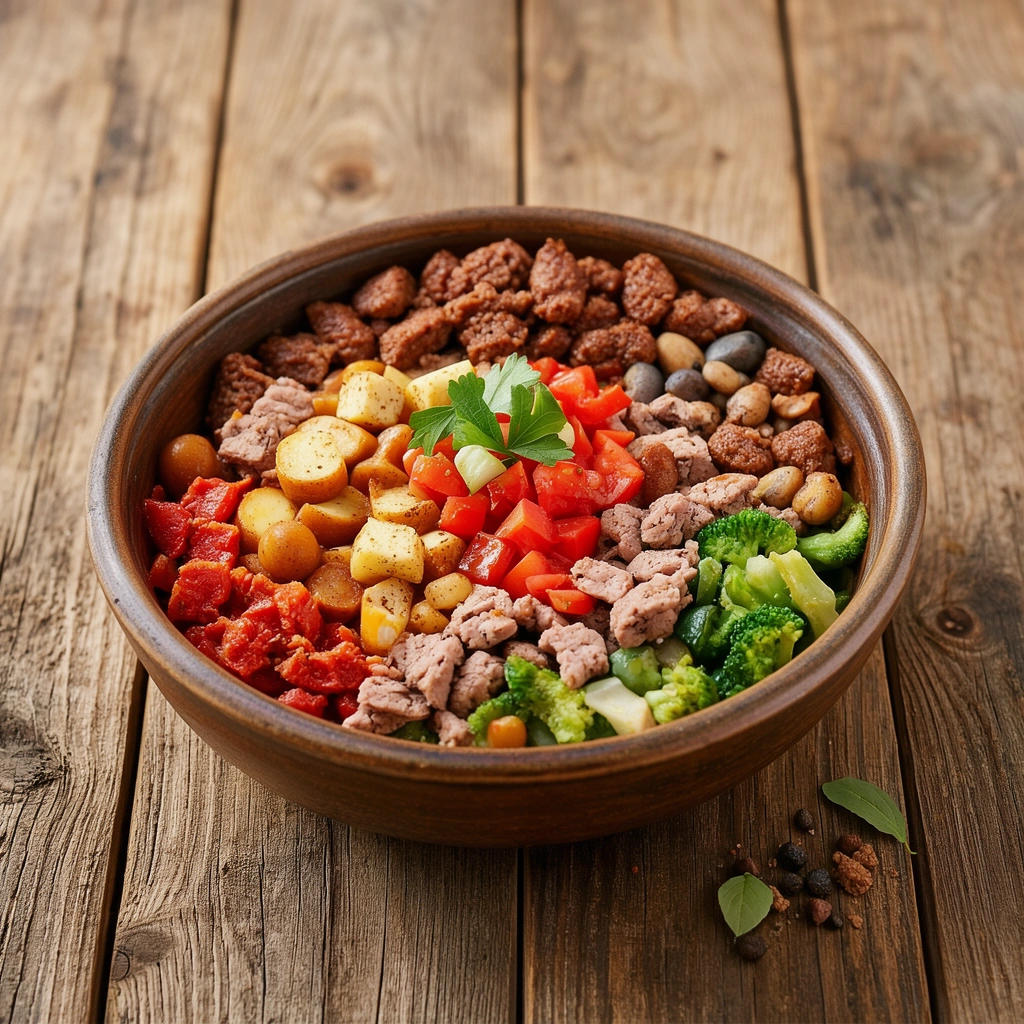
When it comes to feeding our dogs, I know how important it is to provide the best nutrition possible. That’s why I’ve dug deep to gather accurate and practical information on making your own raw dog food at home. You can trust this guide to deliver the clearest and most comprehensive advice on the topic.
So what exactly are DIY raw dog food recipes? These are homemade meals made primarily from uncooked ingredients like meat, bones, organs, and vegetables, designed to mimic a dog’s natural ancestral diet. Preparing raw food yourself lets you control quality, nutrition, and avoid fillers found in many commercial brands.
If you’re curious about how to safely and effectively make raw dog food, keep reading. I’ll share detailed recipes, ingredient guidelines, and tips for balancing meals to keep your furry friend happy and healthy.
Why Choose DIY Raw Dog Food?
Making your own raw dog food lets you customize meals exactly to your dog’s needs. Unlike commercial raw diets, DIY recipes give you control over ingredient quality and freshness. You can avoid preservatives, fillers, and unnecessary carbs, focusing on whole foods that promote optimal health.
Raw diets are rich in protein and natural enzymes, which can improve digestion, coat condition, and energy levels. Plus, many dog owners notice fewer allergies and healthier teeth when switching to raw.
When you prepare food yourself, you can adjust portions and ingredients based on your dog’s size, breed, and activity level. This flexibility makes DIY raw dog food a smart choice for many pet parents.
The next section will introduce you to the basics of raw feeding and how to get started safely.
Understanding the Basics of Raw Feeding
Raw feeding involves offering uncooked animal proteins combined with bones, organs, and fresh produce. The goal is to replicate what dogs ate before commercial kibble existed — a diet high in meat, low in carbs, and full of natural nutrients.
Core Components of Raw Dog Food
- Muscle meat: The primary protein source; lean cuts like beef, chicken, turkey, or lamb.
- Raw meaty bones: Essential for calcium and dental health; examples include chicken necks or wings.
- Organs: Nutrient-dense parts like liver and kidney provide vitamins A, D, and B-complex.
- Vegetables and fruits: Fiber and antioxidants from options like spinach, carrots, or blueberries.
- Supplements (optional): Fish oil, kelp powder, or probiotics for added health benefits.
Safety Tips
- Always use fresh, high-quality ingredients from trusted sources.
- Freeze meats for at least 3 days to reduce parasites.
- Handle raw foods with clean hands and surfaces to avoid contamination.
- Consult your vet before switching diets, especially if your dog has health issues.
With these foundations understood, you’re ready to explore some easy and nutritious raw dog food recipes.
Classic Beef and Veggie Raw Meal
This recipe is a balanced, protein-packed meal that many dogs love. Beef provides essential amino acids, while veggies add fiber and antioxidants.
Ingredients:
- 2 lbs ground beef (80% lean)
- 1/2 cup finely chopped carrots
- 1/2 cup chopped spinach or kale
- 1 raw egg (shell included for calcium)
- 1 tbsp fish oil (for omega-3s)
Why it works: Beef is rich in protein and iron, supporting muscle and oxygen transport. Carrots and leafy greens add vitamins and fiber aiding digestion. Eggshells boost calcium naturally.
Pro tip: Grind or finely chop veggies to help your dog digest them better. Start with small amounts if your dog is new to raw veggies.
This recipe suits most dog breeds and can be adjusted for size by altering proportions. It’s a simple way to introduce raw feeding with familiar ingredients.
Next up, we’ll look at a poultry-based option that’s lighter but equally nourishing.
Chicken and Liver Raw Recipe
Chicken is a favorite for many dogs because it’s lean, easy to digest, and packed with nutrients. Adding liver ensures a rich vitamin and mineral boost.
Ingredients:
- 2 lbs boneless, skinless chicken thighs
- 1/4 lb chicken liver
- 1/2 cup grated zucchini or cucumber
- 1 tbsp ground flaxseed (fiber and omega-3)
- 1 tsp kelp powder (iodine and trace minerals)
Health benefits: Chicken thighs provide energy with healthy fats, while liver is a powerful source of vitamin A and iron. Flaxseed adds fiber for gut health, and kelp supports thyroid function.
Practical tip: Don’t overdo liver – keep it under 10% of the total meal to avoid vitamin A overdose.
This recipe is excellent for dogs needing a leaner diet or sensitive stomachs. It’s also a great option for switching up protein sources.
Ready to try something with a bit more variety? Let’s move on to a recipe that includes fish.
Salmon and Sweet Potato Raw Meal
Fish-based diets are fantastic for dogs needing more omega-3 fatty acids. Salmon is rich in EPA and DHA, which support brain health and reduce inflammation.
Ingredients:
- 2 lbs wild-caught salmon (boneless, skin on)
- 1 cup cooked and mashed sweet potato
- 1/2 cup steamed broccoli florets
- 1 tbsp olive oil (healthy fats)
- 1 tsp ground eggshell (calcium)
Why salmon? Wild salmon is loaded with omega-3s that promote a shiny coat and joint health. Sweet potatoes provide digestible carbs and beta-carotene. Broccoli adds fiber and antioxidants.
Implementation tip: Cook sweet potatoes and broccoli lightly to improve digestibility but keep the salmon raw for nutrient retention.
This recipe suits active dogs or those with skin issues. It’s a tasty way to introduce fish into your dog’s raw diet.
Next, I’ll share a recipe for dogs prone to allergies.
Turkey and Pumpkin Raw Food Recipe
Turkey is a lean protein less likely to trigger allergies, making it perfect for sensitive pups. Pumpkin supports digestion and soothes the gut lining.
Ingredients:
- 2 lbs ground turkey
- 1/2 cup pureed pumpkin (not pumpkin pie filling)
- 1/2 cup chopped green beans
- 1 tbsp coconut oil (healthy fat source)
- 1 tsp turmeric powder (anti-inflammatory)
Benefits: Turkey is easy on the stomach and packed with protein. Pumpkin provides soluble fiber that helps regulate bowel movements. Turmeric supports joint health and reduces inflammation.
Tip: Start with small portions of turmeric and watch for any sensitivity. Always use pure pumpkin for best results.
This recipe is perfect for dogs with food sensitivities or digestive issues. It’s gentle yet nutritious and can be fed daily or rotated.
Now, let’s explore a recipe designed for active, working dogs.
Lamb and Quinoa Raw Recipe for Active Dogs
Lamb is a nutrient-dense red meat excellent for dogs with high energy needs. Coupled with quinoa, a complete plant protein, this meal fuels stamina and recovery.
Ingredients:
- 2 lbs ground lamb
- 1/2 cup cooked quinoa
- 1/2 cup chopped carrots
- 1 tbsp hemp seeds (protein and omega fatty acids)
- 1 tbsp fish oil
Why this works: Lamb provides essential amino acids and B vitamins. Quinoa offers complex carbs and all nine essential amino acids. Hemp seeds add a boost of plant-based fats and protein.
Practical advice: Cook quinoa thoroughly to aid digestion. Mix hemp seeds well into the meal for even nutrient distribution.
This recipe is ideal for working dogs or breeds with higher protein requirements. It balances energy and recovery nutrients effectively.
Up next is a recipe focusing on bone-in raw feeding.
Raw Meaty Bones and Organ Mix
Feeding raw meaty bones is crucial for dental health and calcium intake. This recipe balances bones with muscle meat and organs for a complete diet.
Ingredients:
- 1 lb chicken necks or wings (raw meaty bones)
- 1 lb ground beef or lamb
- 1/4 lb beef liver
- 1/4 lb kidney
- 1/2 cup shredded carrots
Health benefits: Raw bones keep teeth clean and provide calcium, preventing bone disorders. Organs supply vital vitamins and minerals, while muscle meat builds lean muscle.
Implementation tip: Supervise your dog while feeding raw bones to prevent choking. Avoid cooked bones as they splinter easily.
This approach is great for dogs that prefer chewing or need dental care. It’s a natural way to mimic ancestral diets.
Finally, we’ll cover how to balance meals with supplements.
Balancing Raw Meals with Supplements
Even with fresh ingredients, some nutrients can be tricky to get in perfect amounts. Supplements help fill gaps without complicating recipes.
Common Supplements for Raw Feeding
- Fish oil: Provides omega-3 fatty acids for skin, coat, and joint health.
- Kelp powder: Supplies iodine and trace minerals supporting thyroid function.
- Probiotics: Improve gut flora and digestion.
- Vitamin E: Acts as an antioxidant protecting cells.
- Calcium powder: Useful if raw bones aren’t fed regularly.
Tips for Supplement Use
- Consult your vet for dosage recommendations.
- Introduce supplements gradually to monitor your dog’s response.
- Use supplements to complement, not replace, whole foods.
Balancing meals properly ensures your dog gets everything needed for long-term health.
Common Mistakes to Avoid When Making Raw Dog Food
Making raw food at home can be rewarding but tricky. Avoid these pitfalls for success:
- Ignoring balance: Too much muscle meat without organs or bones leads to nutrient deficiencies.
- Using cooked bones: These can splinter and harm your dog.
- Feeding spoiled meat: Always check freshness to avoid bacterial infections.
- Skipping vet consultation: Raw diets aren’t suitable for all dogs, especially puppies or those with medical issues.
Being mindful of these helps keep your pet safe and thriving on raw meals.
Transitioning Your Dog to a Raw Diet
Switching to raw food should be gradual to avoid digestive upset.
- Start by mixing small amounts of raw food with their current diet.
- Slowly increase raw portions over 7-10 days.
- Monitor stool quality, energy, and appetite.
- Adjust ingredients based on your dog’s response.
Patience and observation are key to a smooth transition.
Frequently Asked Questions About DIY Raw Dog Food
Is raw feeding safe for all dogs?
Raw feeding can be safe if done correctly. Consult your vet before starting, especially for puppies, seniors, or dogs with health conditions.
How do I store raw dog food?
Keep raw meals in the freezer for up to 3 months. Thaw in the fridge 24 hours before serving.
Can I use commercial raw food in recipes?
Yes, commercial raw can be mixed with homemade meals to ease preparation.
What if my dog refuses raw food?
Try different proteins or textures. Mixing raw with a small amount of cooked food can help.
Wrapping It Up
Making DIY raw dog food recipes at home is a fantastic way to ensure your dog gets fresh, nutritious meals tailored to their needs. From beef and chicken to fish and lamb, there are plenty of delicious options to explore. Remember to focus on balance, quality ingredients, and safety measures for the best results.
I hope this guide gives you the confidence and knowledge to start crafting wholesome raw meals. Your dog will thank you with better health, energy, and a wagging tail. Happy feeding!