
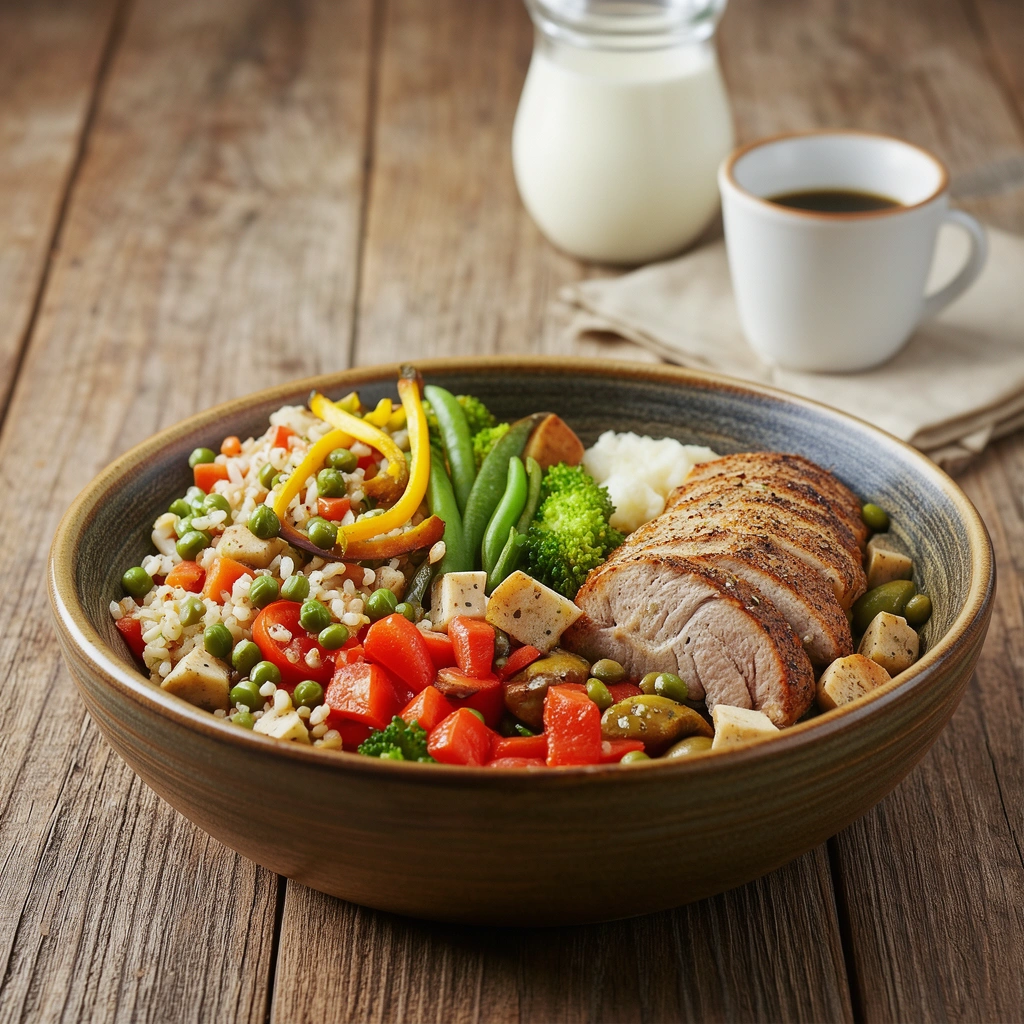
Hey friends, if you’ve ever wondered about the benefits of homemade dog food, you’re in the right place. I’ve spent years researching and cooking for my furry companions, and I’m excited to share everything I’ve learned with you. Whether you’re a new dog owner or a seasoned pro, understanding the perks of making your dog’s meals at home can totally change your pet’s health game.
So, what are the benefits of homemade dog food? Homemade dog food offers complete control over ingredients, ensuring fresh, nutritious meals without fillers, preservatives, or harmful additives. It supports better digestion, healthier skin, and can address specific dietary needs tailored to your dog’s health. This approach fosters a stronger bond with your pet through mindful meal preparation.
In this article, I’ll walk you through the many advantages of homemade dog food, including nutritional insights, cost considerations, preparation tips, and how to safely transition your dog to home-cooked meals. You’ll also get practical recipes to try out and tips to keep your pup’s diet balanced and exciting.
Why Choose Homemade Dog Food?
Let’s start by chatting about why homemade dog food is worth your time. When you prepare your dog’s meals yourself, you’re not just feeding them—you’re providing nutrition tailored specifically to their needs. Commercial dog foods can contain low-quality ingredients and unnecessary fillers that may cause allergies or digestive issues. Cooking at home means you can avoid these problems by selecting fresh meats, vegetables, and grains, and controlling the fat and protein levels.
Homemade meals also allow you to customize portions and ingredients based on your dog’s age, weight, activity level, and health conditions. This flexibility is a big win for dogs with allergies or special dietary requirements, like kidney disease or obesity. Plus, you’ll likely notice improvements in your dog’s energy, coat shine, and overall wellbeing.
If you’re worried about time or complexity, don’t be! Many homemade dog food recipes are simple and quick. Plus, the peace of mind knowing exactly what’s in your dog’s bowl is priceless. Next, we’ll explore the nutritional advantages in more detail.
Improved Nutrition and Ingredient Quality
One of the biggest benefits of homemade dog food is the ability to improve your dog’s nutrition. Unlike commercial dog food, which often contains artificial flavors, preservatives, and low-grade fillers like corn or wheat, homemade meals use whole, natural ingredients. This means your dog gets more vitamins, minerals, and antioxidants essential for their health.
When you cook food yourself, you can include fresh proteins like chicken, beef, or fish, paired with nutrient-rich vegetables such as carrots, peas, and spinach. You also control the fat content, which helps maintain a healthy weight. Plus, you can avoid ingredients that may trigger allergies or sensitivities.
Practical tip: Use a quality multivitamin supplement recommended by your vet to ensure your dog gets all the nutrients they need, especially calcium and omega fatty acids. This helps balance the diet and supports bone health and a shiny coat.
This approach suits all dog breeds, from active working dogs needing high protein to smaller breeds requiring calorie control. Up next, we’ll discuss how homemade food can improve digestion and gut health.
Enhanced Digestion and Gut Health
Homemade dog food often leads to better digestion and gut health because it contains fewer artificial additives and more natural fibers. Many commercial dog foods include preservatives and fillers that can upset your dog’s stomach, leading to gas, diarrhea, or constipation.
By preparing meals with fresh, whole ingredients, you add natural fibers from vegetables and grains that support healthy digestion. Ingredients like pumpkin, sweet potatoes, and brown rice are gentle on the stomach and help maintain regular bowel movements.
Another advantage is that homemade food is easier for dogs to digest because it’s less processed. This means nutrients are absorbed better, giving your dog more energy and vitality. If your dog has a sensitive stomach, switching to a homemade diet can significantly reduce digestive issues.
Practical tip: Gradually introduce new homemade meals over 7-10 days to avoid digestive upset. Monitor your dog’s stool and energy levels to gauge how well they’re adjusting.
Next, let’s explore how homemade dog food can help with weight management and obesity prevention.
Effective Weight Management and Obesity Control
Keeping your dog at a healthy weight is crucial for their overall wellbeing, and homemade dog food gives you the tools to do just that. Many commercial dog foods have hidden sugars, excessive fats, or fillers that contribute to weight gain.
With homemade meals, you tailor the portion size and ingredients to your dog’s specific needs. You can reduce excess calories by eliminating unhealthy ingredients and replace them with low-fat proteins and fiber-rich vegetables that promote fullness.
This is especially helpful for older dogs or breeds prone to obesity. Maintaining an ideal weight reduces the risk of diabetes, joint problems, and heart disease.
Practical tip: Use a kitchen scale for precise portion control and consult your vet to determine your dog’s ideal daily calorie intake before starting homemade meals.
In the next section, we’ll talk about the financial aspect and whether homemade dog food is cost-effective.
Cost Considerations: Is Homemade Dog Food Affordable?
Many dog owners worry that homemade dog food will break the bank, but it doesn’t have to be expensive. With smart shopping and meal planning, homemade meals can be as affordable as, or even cheaper than, premium commercial dog food.
Buying ingredients in bulk, using seasonal vegetables, and selecting economical protein sources like chicken thighs or ground beef help keep costs down. Plus, homemade food can reduce vet bills over time by improving your dog’s health.
Keep in mind, there’s an initial time investment in learning recipes and shopping, but once you establish a routine, cooking will become quick and easy.
Practical tip: Prepare meals in batches and freeze portions to save time and avoid waste. This also helps you stick to your budget.
Next, we’ll cover safety tips to keep in mind when cooking dog food at home.
Safety Tips for Preparing Homemade Dog Food
Feeding your dog homemade meals is rewarding, but it’s important to keep safety in mind. Some human foods are toxic to dogs, such as onions, garlic, chocolate, grapes, and certain nuts. Always research ingredients beforehand.
Avoid adding salt, sugar, or spices, which can harm your dog’s health. Make sure meats are cooked thoroughly to kill harmful bacteria, and wash vegetables well to remove pesticides.
Store homemade food properly in airtight containers in the fridge or freezer to prevent spoilage.
Practical tip: Consult your veterinarian or a canine nutritionist before switching to homemade food to ensure your dog’s diet is balanced and safe.
Next up, I’ll share some easy homemade dog food recipes you can try right away.
Simple Homemade Dog Food Recipes
Making dog food at home doesn’t have to be complicated. Here are a few recipes that are nutritious, easy to prepare, and tasty for your dog:
-
Chicken and Sweet Potato Delight
Cooked chicken breast, mashed sweet potatoes, steamed green beans, and a teaspoon of olive oil. This recipe is rich in protein and fiber, great for digestion and energy. -
Beef and Vegetable Medley
Ground beef cooked with carrots, peas, and brown rice. High in iron and vitamins, perfect for active dogs needing extra nutrients. -
Fish and Rice Bowl
Baked salmon mixed with cooked white rice and spinach. Omega-3 fatty acids in salmon support healthy skin and coat.
Practical tip: Always allow food to cool before serving and introduce one new recipe at a time to monitor your dog’s reaction.
Next, let’s discuss how to transition your dog smoothly to homemade meals.
How to Transition Your Dog to Homemade Dog Food
Switching your dog’s diet suddenly can cause digestive upset, so it’s best to transition gradually. Start by mixing 25% homemade food with 75% current food for a few days. Then increase the homemade portion by 25% every 3-4 days until fully switched.
Watch for signs of digestive distress like loose stools or vomiting. If these occur, slow down the transition or consult your vet.
This gradual approach helps your dog adjust their digestive system and palate to the new diet smoothly.
Practical tip: Keep mealtime consistent and monitor your dog’s appetite and energy levels during the transition.
Next, discover how homemade dog food can improve your dog’s mental and emotional health.
Mental and Emotional Benefits of Homemade Dog Food
Feeding your dog homemade meals can strengthen your bond and improve their mental wellbeing. Dogs can sense when you put effort into their care, which builds trust and happiness.
Balanced nutrition also impacts brain health. Foods rich in omega-3 fatty acids, antioxidants, and vitamins support cognitive function, memory, and mood stability.
Preparing fresh meals together can become a fun routine that enriches your relationship with your dog.
Practical tip: Incorporate brain-boosting ingredients like blueberries, pumpkin seeds, and fish oils into meals for cognitive support.
Next, we’ll look at how homemade dog food supports specific health conditions.
Addressing Specific Health Needs with Homemade Dog Food
Homemade dog food allows you to tailor diets to manage or prevent health issues:
- Allergies and Sensitivities: Avoid common allergens like corn, wheat, or soy by choosing novel proteins and hypoallergenic ingredients.
- Kidney Disease: Lower protein and phosphorus levels can be managed precisely with homemade recipes.
- Diabetes: Control carbohydrate intake by selecting appropriate grains and vegetables.
- Joint Health: Add natural anti-inflammatories like turmeric and omega-3 rich fish.
Working closely with your vet or pet nutritionist ensures your dog’s diet supports their specific medical needs effectively.
Practical tip: Keep a food journal to track which ingredients improve or worsen your dog’s condition.
The Environmental Impact of Homemade Dog Food
Feeding your dog homemade meals can also be a greener choice. Many commercial dog foods contribute to environmental strain through processing, packaging waste, and sourcing unsustainable ingredients.
By choosing local, organic, and seasonal ingredients for your dog’s meals, you reduce carbon footprint and support sustainable farming practices.
Practical tip: Use leftovers safely in homemade dog food to minimize waste and save money.
Common Myths About Homemade Dog Food Debunked
There are lots of myths around homemade dog food that can hold people back:
-
Myth: Homemade food is too complicated to prepare.
Fact: Simple recipes and batch cooking make it easy and quick. -
Myth: Dogs won’t get all nutrients from homemade food.
Fact: With proper recipes and supplements, homemade food can be nutritionally complete. -
Myth: Homemade food is always more expensive.
Fact: Smart shopping and planning keep costs manageable.
Understanding the facts helps you make the best choice for your dog’s diet.
Final Thoughts on Homemade Dog Food
Homemade dog food offers incredible benefits—from better nutrition and digestion, to weight management and mental health. It lets you control quality, tailor meals to your dog’s unique needs, and build a stronger bond. While it requires some effort and planning, the payoff is a healthier, happier dog.
If you’re considering making the switch, start slow, consult your vet, and enjoy the rewarding process of homemade meals for your best friend. Your dog will thank you with wagging tails and bright eyes.
Feeding your dog homemade dog food is a fantastic way to improve their life and well-being. Give it a try and see the difference yourself!