
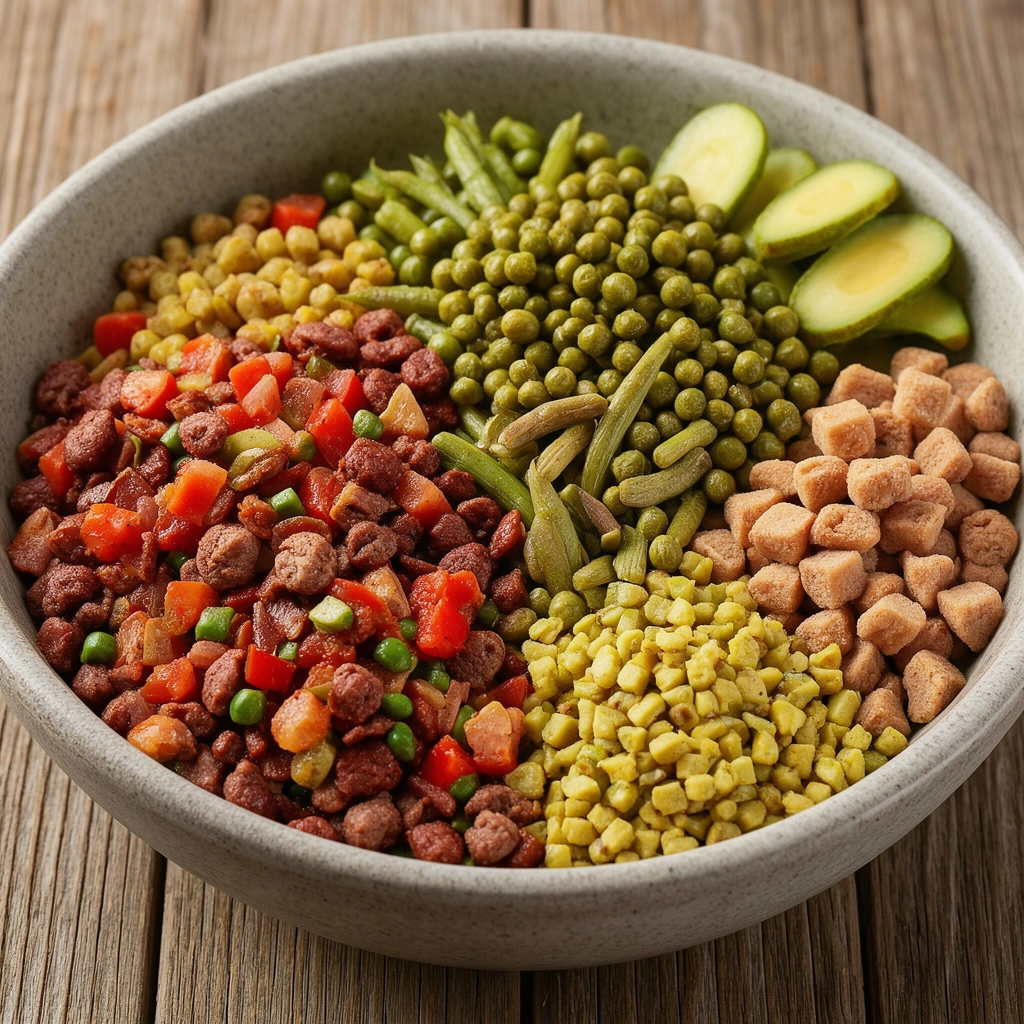
Hey friends, if you’ve ever wondered how to make DIY raw dog food that’s healthy, balanced, and safe for your furry friend, you’re in the right place. I’m here to share the most reliable, up-to-date info so you can confidently prepare meals that nourish your dog from the inside out.
So, what exactly is DIY raw dog food? It’s homemade meals made from raw ingredients like meats, bones, fruits, and veggies, designed to mimic what dogs would eat in the wild. This type of diet can boost your pup’s energy, improve digestion, and enhance coat shine—when done right.
Stick around, and I’ll walk you through everything you need to know—from the basics and benefits to recipes and safety tips. By the end, you’ll be ready to whip up raw meals your dog will love.
What is DIY Raw Dog Food?
DIY raw dog food means preparing your dog’s meals at home using raw, natural ingredients rather than commercial kibble or canned food. This diet typically includes raw meat, bones, organs, fruits, and vegetables. Many dog owners choose this approach to provide a diet closer to a dog’s ancestral eating habits, which can improve health and vitality.
When you make raw dog food yourself, you control the quality and freshness of every ingredient. This means no preservatives, fillers, or artificial additives—just pure nutrition tailored to your dog’s specific needs. It’s a hands-on way to ensure your dog is eating the best possible diet.
Doing DIY raw dog food right involves balancing protein, fat, vitamins, and minerals. I’ll explain how to do this safely and effectively, so your dog thrives on every meal.
Why Choose DIY Raw Dog Food?
Choosing DIY raw dog food gives you the power to customize your dog’s diet exactly how they need it. Commercial dog food can be convenient but may lack the freshness and nutrient variety found in raw ingredients. When done properly, raw feeding supports healthy teeth, skin, joints, and digestion.
Raw diets also appeal to owners who want to avoid fillers like corn and soy common in many kibble brands. Plus, raw food often leads to smaller stools and less odor—a bonus for any dog parent.
If you’re curious about how to get started, I’ll share easy recipes, safety tips, and what ingredients to use so your dog gets everything they need without any guesswork.
The Essentials of a Balanced DIY Raw Dog Food Diet
Creating a balanced raw dog food meal is like assembling a puzzle: you need the right pieces in the right amounts.
Key components include:
- Muscle Meat: The main source of protein and energy.
- Raw Edible Bones: Provide calcium and phosphorus crucial for bones and teeth.
- Organs: Liver, kidney, and heart supply vital vitamins and minerals.
- Vegetables and Fruits: Offer fiber, antioxidants, and additional nutrients.
- Supplements: Sometimes needed to fill in gaps like omega-3 fatty acids or certain vitamins.
A typical raw meal ratio looks like this:
- 70-80% muscle meat
- 10% raw edible bone
- 10% organs (half of which should be liver)
- 5-10% vegetables/fruits
Keep in mind, this ratio varies depending on your dog’s age, breed, activity level, and health conditions.
Health Benefits of DIY Raw Dog Food
Feeding your dog raw food can lead to:
- Improved Digestion: Raw diets are easier to digest, reducing gas and bloating.
- Shinier Coat and Healthier Skin: Natural oils and nutrients promote a lustrous coat.
- Stronger Teeth and Gums: Chewing raw bones helps clean teeth and prevent plaque.
- More Energy: Balanced nutrition fuels active, happy dogs.
- Weight Management: Control over ingredients helps maintain ideal weight.
Just remember, the benefits come only when raw feeding is done correctly. Poorly balanced raw diets can lead to nutritional deficiencies or excesses.
Common Ingredients in DIY Raw Dog Food
Here’s a quick look at the most common ingredients you’ll need:
- Proteins: Beef, chicken, turkey, lamb, rabbit, fish
- Organs: Liver, kidney, heart, spleen
- Bones: Chicken necks, wings, beef marrow bones (sized appropriately)
- Vegetables: Carrots, spinach, kale, pumpkin, zucchini
- Fruits: Apples (no seeds), blueberries, bananas
- Supplements: Fish oil, vitamin E, kelp powder, probiotics
Always use fresh, high-quality ingredients. Organic and grass-fed meats are ideal but not mandatory.
How to Get Started with DIY Raw Dog Food
Starting raw feeding can feel overwhelming, but it’s simpler than you think.
- Consult Your Vet: Before switching diets, discuss your plan with a vet, especially if your dog has health issues.
- Research Recipes: Start with balanced, vet-approved recipes to ensure complete nutrition.
- Source Ingredients: Find reliable suppliers for fresh meat and produce.
- Prepare Safely: Use clean utensils and work surfaces to avoid contamination.
- Transition Slowly: Mix raw food with your dog’s current food over 7-10 days to prevent digestive upset.
Safety Tips for DIY Raw Dog Food
Safety is crucial when feeding raw to protect your dog—and yourself.
- Handle Meat Properly: Keep raw meat refrigerated, and freeze if not using immediately.
- Clean Thoroughly: Wash hands, utensils, and surfaces after preparation.
- Avoid Dangerous Foods: No onions, garlic, grapes, raisins, chocolate, or excessive salt.
- Choose Appropriate Bones: Only feed raw, edible bones sized to your dog’s breed and chewing habits.
- Monitor Your Dog: Watch for allergies or digestive issues and adjust accordingly.
Sample DIY Raw Dog Food Recipes
Classic Chicken Raw Meal
Chicken is a favorite raw protein that’s easy to digest and full of nutrients.
Ingredients:
- 2 lbs raw chicken thighs (with bones)
- 1/2 cup chopped carrots
- 1/2 cup chopped spinach
- 2 tbsp fish oil
- 1/4 cup liver (chicken or beef)
Instructions:
- Chop the chicken into bite-sized pieces.
- Blend the veggies finely for easier digestion.
- Mix all ingredients together and serve fresh or portion and freeze.
Tip: Rotate meats weekly to provide variety and diverse nutrients.
Beef & Veggie Blend
Beef is rich in iron and protein, great for active dogs.
Ingredients:
- 2 lbs ground beef
- 1/2 cup pumpkin puree
- 1/2 cup green beans (chopped)
- 2 tbsp kelp powder
- 1/4 cup beef liver
Instructions:
- Combine ground beef and liver.
- Add veggies and kelp powder.
- Mix well and serve or freeze in portions.
Tip: Use pumpkin to aid digestion and help with stool consistency.
Fish-Based Raw Dog Food
Fish provides omega-3 fatty acids for skin and coat health.
Ingredients:
- 2 lbs raw salmon or sardines (deboned)
- 1/2 cup chopped zucchini
- 1/2 cup blueberries
- 1 tbsp fish oil
- 1/4 cup fish liver or cod liver oil supplement
Instructions:
- Chop fish into manageable pieces.
- Mix in veggies, fruits, and oils.
- Serve fresh or freeze.
Tip: Be cautious of bones and always use deboned fish unless experienced.
How to Store and Serve DIY Raw Dog Food
Proper storage keeps raw food fresh and safe.
- Portion meals into daily servings.
- Freeze portions for up to 3 months.
- Thaw in the fridge overnight before serving.
- Serve at room temperature for best digestion.
Use stainless steel or ceramic bowls to avoid chemical leaching from plastics.
Signs Your Dog is Thriving on Raw Food
You’ll know your dog is benefiting from the DIY raw diet if you see:
- Bright eyes and a shiny coat
- Healthy weight and muscle tone
- Smaller, firmer stools
- Increased energy and alertness
- Reduced allergies or digestive issues
If you notice anything unusual, consult your vet promptly.
Common Mistakes to Avoid When Feeding Raw
- Unbalanced Meals: Skipping organs or bones can cause nutrient deficiencies.
- Poor Hygiene: Leading to bacterial infections.
- Feeding Cooked Bones: These splinter and can harm your dog.
- Ignoring Individual Needs: Puppies, seniors, and special needs dogs require tailored diets.
- Rushing the Transition: Sudden switches upset digestion.
Tailoring DIY Raw Dog Food to Your Dog’s Needs
Every dog is unique, so adjust recipes based on:
- Age (puppies need more calories, seniors less)
- Breed size (large breeds need joint-supporting nutrients)
- Activity level (working dogs require more energy)
- Health conditions (allergies, kidney issues, etc.)
Work with your vet or a canine nutritionist to customize plans.
Frequently Asked Questions About DIY Raw Dog Food
Q: Can I feed raw eggs to my dog?
A: Yes, raw eggs are nutritious but feed in moderation due to biotin absorption concerns.
Q: How often should I feed raw?
A: Most dogs eat twice daily; some smaller breeds benefit from three meals.
Q: Is raw feeding expensive?
A: It can be costlier than kibble but buying in bulk and sourcing local meats helps reduce costs.
Conclusion: Why DIY Raw Dog Food Might Be Right for Your Dog
DIY raw dog food offers a fresh, nutrient-packed alternative to commercial diets. When done with care and knowledge, it can transform your dog’s health, energy, and happiness. Remember to balance meals, maintain hygiene, and tailor the diet to your dog’s unique needs.
If you’re ready to take control of your dog’s nutrition, DIY raw dog food is a rewarding path that strengthens your bond and promotes long-term wellness. Start slow, stay informed, and enjoy the journey of feeding your dog the way nature intended.
Raw feeding isn’t just a diet; it’s a lifestyle choice that benefits your best friend. Give it a try and watch your dog thrive!