
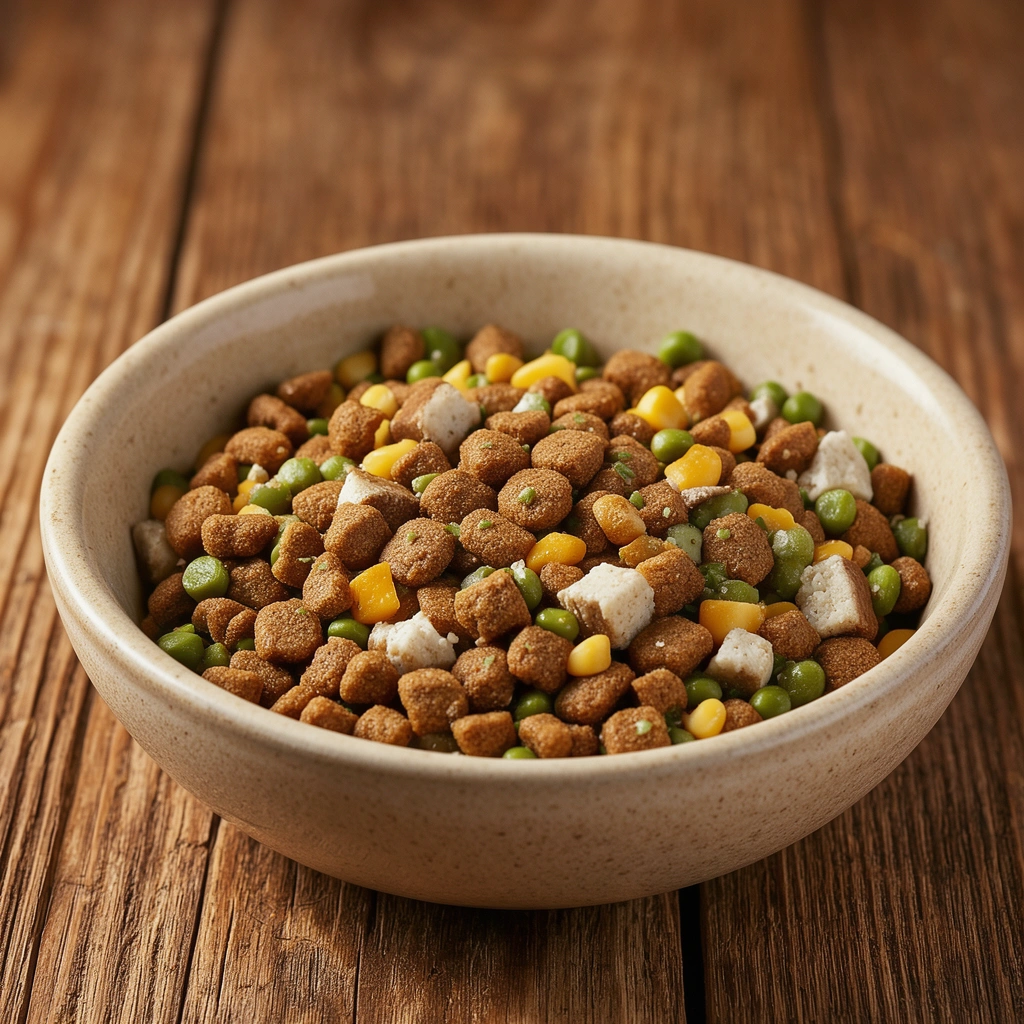
When it comes to feeding your active dog, I understand how important it is to provide the best nutrition that keeps them energized and healthy. With years of research and experience in the dog food niche, I’m here to share clear, trustworthy information on how to choose and prepare the perfect diet for your furry workout buddy. You can count on this guide to cover everything you need to know, from key nutrients to practical feeding tips.
So, what exactly is the best dog food for active dogs? Active dogs require diets rich in high-quality proteins, balanced fats, and essential vitamins and minerals to support their energy levels, muscle health, and overall stamina. A well-formulated diet tailored to their activity ensures they perform at their best without risking nutritional deficiencies or fatigue.
Keep reading to discover detailed advice on selecting the right ingredients, understanding nutrient requirements, and even homemade recipe ideas that will make your dog’s tail wag with excitement. We’ll also debunk common myths and answer frequently asked questions about feeding active dogs.
Understanding Active Dogs’ Nutritional Needs
Active dogs, whether they are agility competitors, working dogs, or simply energetic companions, burn significantly more calories than sedentary pets. Their diet needs to reflect this increased demand by providing sufficient macronutrients and micronutrients.
Macronutrients for Energy and Muscle Maintenance
- Proteins: Essential for muscle repair and growth. Active dogs need high-quality protein sources such as chicken, beef, fish, or lamb. Aim for at least 25-30% protein content in their food.
- Fats: Concentrated energy sources that help sustain endurance. Healthy fats like omega-3 and omega-6 fatty acids from fish oil and flaxseed support joint health and coat condition.
- Carbohydrates: Provide quick energy but should be balanced. Complex carbs like brown rice, sweet potatoes, and oats are preferred for sustained energy release.
Micronutrients and Supplements
- Vitamins: Vitamins A, C, E, and B-complex boost immunity and recovery.
- Minerals: Calcium and phosphorus strengthen bones, while antioxidants protect cells from oxidative stress.
- Supplements: Glucosamine and chondroitin can support joint health, especially in highly active or aging dogs.
Making sure your dog’s food includes these elements in the right proportions is crucial. Overfeeding fats or carbs without enough protein could lead to weight gain or muscle loss.
Transition: Now that we’ve covered what active dogs need nutritionally, let’s explore how to pick the best commercial dog food that delivers these essentials.
Choosing the Best Commercial Dog Food for Active Dogs
Selecting the right commercial dog food can be overwhelming with so many brands claiming to be “best for active dogs.” Here’s how to cut through the noise and make an informed choice.
Look for High-Quality Protein Sources
Ensure the first ingredient listed is a named meat (e.g., chicken, lamb, salmon), not by-products or fillers. Dogs need digestible protein to recover from exercise and build muscle.
Check the Guaranteed Analysis Label
- Protein: Minimum 25%
- Fat: Minimum 15%
- Fiber: Moderate (3-5%) to support digestion but not too high
Avoid Artificial Additives
Colors, flavors, and preservatives can cause allergies or digestive upset in sensitive dogs. Opt for natural ingredient lists.
Special Diets for Specific Activity Levels
- Working dogs: Need extra calories and joint support.
- Sporting dogs: Benefit from antioxidants and anti-inflammatory ingredients.
- Puppies and seniors: Require adjusted formulas for growth or joint care.
Practical Tip: Always consult your vet before switching diets, especially for dogs with special health needs.
Transition: If commercial dog food isn’t your preference, homemade meals tailored to active dogs can be just as nutritious.
Homemade Dog Food Recipes for Active Dogs
Cooking for your dog can be rewarding and ensures you control every ingredient. Here are some great recipes designed to fuel an active lifestyle.
High-Protein Chicken and Sweet Potato Stew
This recipe combines lean protein with complex carbs and vitamins, perfect for post-exercise recovery.
Ingredients:
- 2 lbs boneless, skinless chicken breast, diced
- 2 cups cooked sweet potatoes, mashed
- 1 cup carrots, chopped
- 1 cup green beans, chopped
- 1/2 cup peas
- 1 tbsp olive oil
- 1/4 tsp turmeric (anti-inflammatory)
Instructions:
- Heat olive oil in a large pot. Add chicken and cook until browned.
- Add carrots, green beans, and peas; sauté for 5 minutes.
- Stir in mashed sweet potatoes and turmeric.
- Add water to cover and simmer for 20 minutes.
- Allow to cool before serving.
Health Benefits: This meal offers a balanced blend of proteins, antioxidants, and fiber to support muscle repair and digestion.
Practical Tip: Prepare in batches and freeze portions for convenience.
Transition: Beyond recipes, let’s talk about feeding schedules and portion control to maximize your dog’s performance.
Feeding Schedule and Portion Control for Active Dogs
Feeding your dog the right amount at the right time is as important as the food itself.
How Often to Feed
- Active dogs usually do well with two to three meals per day to maintain steady energy.
- Avoid feeding immediately before intense exercise to prevent stomach upset.
Portion Size Guidelines
- Base portions on your dog’s weight, activity level, and metabolism.
- Use feeding charts on dog food packaging as a starting point, then adjust based on body condition.
- Monitor your dog’s weight and energy to fine-tune portions.
Hydration is Key
- Always provide fresh water.
- Consider adding broth or wet food to increase fluid intake, especially after exercise.
Practical Tip: Keep a feeding diary for one week to track how food intake correlates with energy and weight changes.
Transition: Now that you know how to feed your active dog properly, let’s address common myths and misconceptions.
Common Myths About Feeding Active Dogs Debunked
There’s a lot of misinformation out there. Let’s clear up some common myths.
Myth 1: All Active Dogs Need Raw Diets
While raw diets can be nutritious, they’re not suitable for every dog due to bacterial risks and nutritional imbalances if not properly formulated.
Myth 2: More Food Means More Energy
Overfeeding can lead to obesity, which reduces performance and causes health problems. Quality over quantity is key.
Myth 3: Carbs Are Bad for Dogs
Carbohydrates provide important energy, especially complex carbs. Avoid simple sugars but don’t eliminate carbs altogether.
Knowing the facts helps you make smarter choices for your dog’s diet.
Transition: Finally, let’s review some specialized dog food options for specific active dog categories.
Specialized Dog Food Options for Different Types of Active Dogs
Different active dogs have unique nutritional demands based on their activity type, age, and breed.
Working Dogs
- Require high-calorie, nutrient-dense diets.
- Foods rich in protein, fat, and joint-support supplements like glucosamine.
Sporting Dogs
- Benefit from antioxidants to reduce inflammation and promote recovery.
- Diets with fish oils and vitamins E and C are ideal.
Puppies with High Energy
- Need calorie-dense, balanced puppy formulas to support growth and activity.
- Frequent small meals recommended.
Senior Active Dogs
- Lower-calorie but joint-friendly diets.
- Added fiber for digestion and antioxidants for healthy aging.
Practical Tip: Always tailor the diet to your dog’s specific needs and adjust as activity levels change.
Supplementing Your Active Dog’s Diet Safely
Supplements can enhance your dog’s health but should never replace balanced nutrition.
Popular Supplements for Active Dogs
- Fish Oil: Omega-3 fatty acids for joints and coat.
- Glucosamine: Supports cartilage health.
- Probiotics: Aid digestion and immune function.
- Multivitamins: Fill in any nutritional gaps.
Safety First
- Consult your vet before adding supplements.
- Use high-quality products designed for dogs.
- Avoid overdosing, which can cause toxicity.
Practical Tip: Keep a supplement log to track effects and avoid accidental overdoses.
Transition: Let’s wrap up with some practical tips and a summary of the key points.
Practical Tips for Maintaining Your Dog’s Optimal Nutrition
- Rotate protein sources to prevent allergies.
- Use fresh, whole ingredients whenever possible.
- Monitor your dog’s weight weekly.
- Adjust food intake seasonally – more calories in winter, less in summer.
- Regular vet checkups to catch any nutritional deficiencies early.
Conclusion: Feeding Your Active Dog for a Vibrant Life
Choosing the right dog food for active dogs is about balance – proteins, fats, carbs, plus vitamins and minerals all working together to fuel your pup’s adventures. Whether you opt for premium commercial diets or homemade meals, understanding your dog’s unique needs is key to keeping them healthy, strong, and full of energy.
Remember, dog food for active dogs isn’t one-size-fits-all. By paying attention to ingredients, portion sizes, and your dog’s response, you can tailor a diet that supports their lifestyle and longevity. Keep exploring, stay informed, and enjoy every energetic moment with your four-legged friend!