
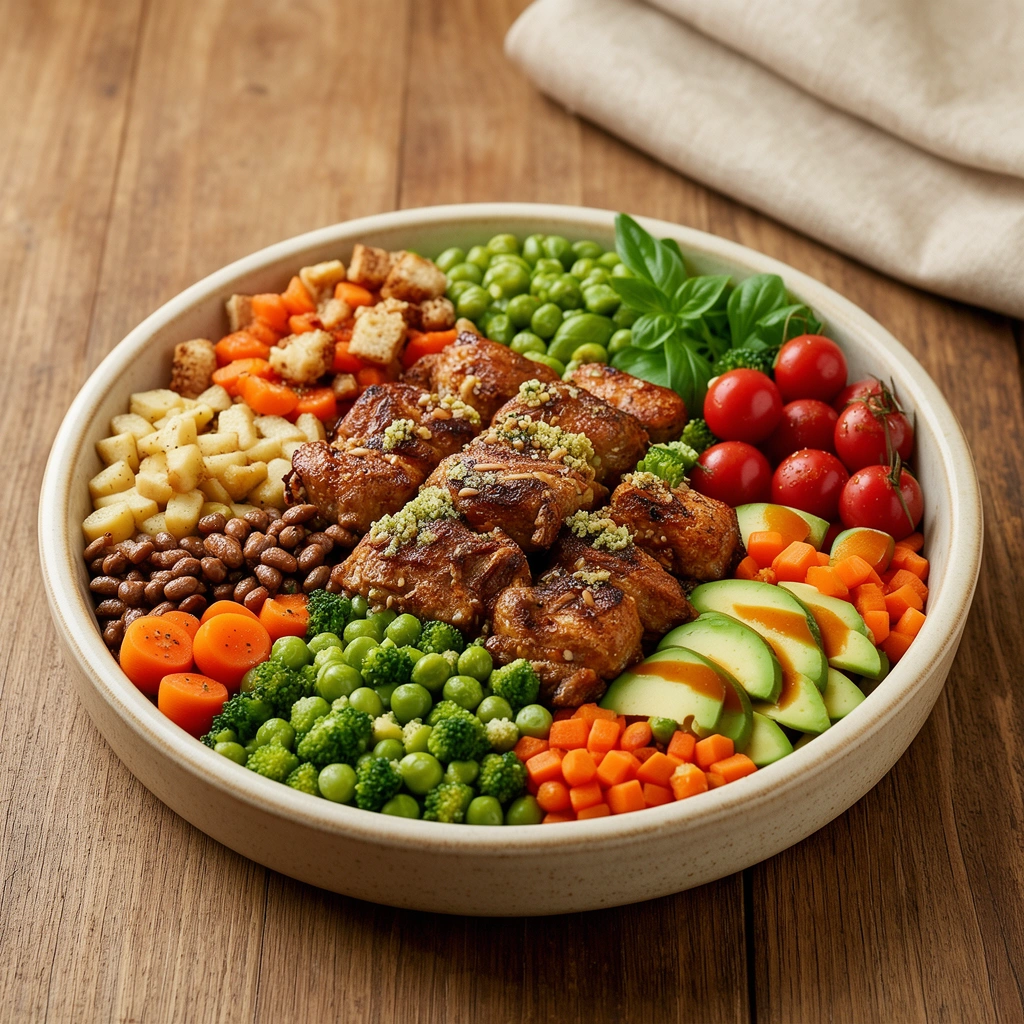
Hey friends! If you’re like me, you want to give your dog the best homemade meals possible. But have you ever wondered if feeding the same food every day is the best for your pup? That’s where food rotation in homemade dog food comes in, and I’m here to break it all down for you.
So, what exactly is food rotation in homemade dog food? Simply put, food rotation means varying the ingredients and types of meals you feed your dog regularly. Instead of feeding the same recipe daily, you switch up proteins, veggies, and grains to provide a balanced and diverse diet. This helps prevent nutrient imbalances and reduces the risk of allergies or food sensitivities developing over time.
Stick with me because I’m going to share everything you need to know about food rotation — from why it’s important, how to do it safely, to practical tips and recipe ideas that will keep your dog’s tail wagging!
What Is Food Rotation in Homemade Dog Food?
Food rotation is the practice of regularly changing your dog’s diet by introducing different protein sources, vegetables, and carbohydrates. Unlike feeding a fixed recipe every day, rotating meals ensures your dog receives a wider variety of nutrients, which promotes overall health and prevents diet-related issues.
When you rotate foods, you mimic the variety that dogs would naturally encounter in the wild. This approach supports better digestion, minimizes the risk of food allergies, and keeps mealtime interesting for your dog. It’s especially beneficial when feeding homemade dog food because it helps balance nutrient intake that might otherwise be limited in a single recipe.
To start food rotation, plan a schedule where the main protein changes every few days or weeks, paired with different veggies and grains, while maintaining a consistent nutrient profile. This method promotes long-term wellness for your canine companion.
Why Food Rotation Matters for Homemade Dog Food
Food rotation is crucial because feeding the same ingredients every day can lead to nutritional gaps or cause food sensitivities. Dogs can develop allergies or intolerances to proteins or ingredients they eat repeatedly. By rotating foods, you reduce this risk and provide a more balanced diet.
Additionally, rotating ingredients prevents boredom. Dogs, like people, appreciate variety, and changing flavors and textures can improve appetite and enjoyment of meals. Food rotation can also help identify specific ingredients your dog may not tolerate well, making it easier to adjust their diet accordingly.
For homemade dog food, where recipes might not be fortified like commercial kibble, food rotation ensures your dog gets a diverse range of vitamins, minerals, and amino acids. This keeps your dog’s immune, digestive, and skin health in top shape.
How to Safely Rotate Your Dog’s Homemade Food
Transitioning your dog to a food rotation plan should be done gradually to avoid digestive upset. Start by mixing a small amount of the new food with the old food, increasing the new food portion over 5-7 days. This slow change helps your dog’s gut adjust smoothly.
When picking ingredients to rotate, focus on a variety of:
- Proteins: chicken, beef, turkey, lamb, fish, eggs
- Vegetables: carrots, green beans, pumpkin, spinach, sweet potatoes
- Carbohydrates: rice, oats, quinoa, barley
Avoid sudden switches between very different protein sources, especially if your dog has known allergies. Rotate proteins every 1-2 weeks and mix different veggies within each meal.
Keep a food diary to track what you feed and monitor your dog’s reaction to each ingredient. If you notice any signs of intolerance like itching, vomiting, or diarrhea, remove the suspect ingredient and consult your vet.
Key Nutrients to Balance in Food Rotation
When rotating homemade dog food, it’s essential to ensure your dog still receives a balanced diet rich in vital nutrients. Here are the key nutrients to focus on:
- Protein: Supports muscle growth and repair. Rotate animal-based proteins like chicken, beef, fish, and eggs.
- Fats: Provide energy and healthy skin. Use sources like fish oil or flaxseed oil.
- Carbohydrates: Offer energy and fiber. Include grains and starchy veggies like sweet potatoes.
- Vitamins and Minerals: Support immune and bone health. Include a variety of vegetables and consider supplementation if needed.
- Calcium and Phosphorus: Crucial for bone development. Include ground bone or supplements if bones aren’t fed.
Balancing these nutrients across different meals is key. Consult a canine nutritionist or vet to create recipes that cover all bases during rotation.
Common Mistakes to Avoid When Rotating Homemade Dog Food
It’s easy to mess up food rotation if you don’t plan carefully. Here are some common errors to watch out for:
- Switching too fast: Abrupt changes can upset your dog’s stomach. Always transition gradually.
- Ignoring nutrient balance: Rotating without considering nutrient intake can cause deficiencies or excesses.
- Feeding random meals: Random switching without a plan can confuse your dog’s digestive system.
- Overusing new ingredients: Introducing too many new foods at once makes it hard to identify allergies.
- Skipping vet advice: Always check with your vet before starting food rotation, especially for dogs with health issues.
Avoid these pitfalls by planning your rotation schedule, tracking your dog’s reactions, and consulting professionals.
Benefits of Food Rotation for Dogs With Allergies or Sensitivities
Food rotation is especially beneficial for dogs prone to allergies or food sensitivities. By regularly changing proteins and ingredients, you reduce constant exposure to the same allergens, decreasing the chance of reactions.
Dogs with skin problems, itching, or digestive upset often improve after starting a rotation diet. It allows you to pinpoint which foods cause issues by isolating ingredients during rotation phases.
Additionally, rotating novel proteins like rabbit, venison, or duck can introduce safe alternatives for sensitive dogs. This approach supports a healthier gut and stronger immune system.
Planning a Food Rotation Schedule for Your Dog
Creating a food rotation schedule doesn’t have to be complicated. Here’s a simple template to get you started:
- Week 1-2: Chicken + sweet potatoes + green beans
- Week 3-4: Beef + pumpkin + rice
- Week 5-6: Fish (salmon) + spinach + quinoa
- Week 7-8: Turkey + carrots + barley
Within each week, vary the veggies slightly for more variety. Rotate fats like fish oil or olive oil as well.
Always prepare meals in batches and store properly to save time. Label meals with dates and ingredients to keep track.
Adjust the schedule based on your dog’s preferences and any health feedback from your vet.
Recipe Idea: Chicken and Sweet Potato Balanced Meal
Chicken and sweet potatoes make a fantastic rotation meal because chicken is a lean protein packed with essential amino acids, and sweet potatoes provide fiber and vitamins. This combo supports energy, digestion, and skin health.
Ingredients:
- 1 pound chicken breast (cooked, shredded)
- 1 cup cooked sweet potatoes (mashed)
- ½ cup steamed green beans (chopped)
- 1 tablespoon fish oil (for omega-3 fats)
Health Benefits:
Chicken is easy to digest and less likely to cause allergies than red meats. Sweet potatoes add antioxidants and fiber that help with digestion and blood sugar regulation.
Tip: Cook chicken thoroughly and remove all bones. Introduce this meal gradually during rotation.
This meal suits dogs of all ages and can be part of a traditional or modern homemade diet plan.
Recipe Idea: Beef and Pumpkin Power Meal
Beef is a rich protein source that supports muscle maintenance, and pumpkin is excellent for digestive health due to its fiber content. This combination is great for dogs needing extra energy and gut support.
Ingredients:
- 1 pound lean ground beef (cooked)
- 1 cup cooked pumpkin puree
- ½ cup cooked brown rice
- 1 teaspoon ground flaxseed
Health Benefits:
Beef provides iron and B vitamins. Pumpkin soothes the digestive tract and can help with both constipation and diarrhea.
Tip: Choose lean beef to avoid excess fat. Add flaxseed for omega-3 fatty acids and a shiny coat.
Perfect for active dogs or those on a traditional homemade diet.
Recipe Idea: Salmon and Spinach Superfood Mix
Salmon is a powerhouse protein rich in omega-3 fatty acids that promote brain and skin health. Spinach adds iron and antioxidants for immune support.
Ingredients:
- 1 pound cooked salmon (deboned)
- 1 cup steamed spinach (chopped)
- ½ cup cooked quinoa
- 1 tablespoon olive oil
Health Benefits:
Omega-3 from salmon reduces inflammation and supports heart health. Spinach boosts immunity and provides vital minerals.
Tip: Ensure salmon is fully cooked to avoid parasites. Rotate this meal every few weeks to keep variety.
Ideal for modern homemade diets focusing on superfoods.
How Food Rotation Fits Into Your Dog’s Overall Nutrition Plan
Food rotation is a tool, not a standalone solution. It should fit into a well-rounded homemade dog food plan that includes balanced nutrients, supplements if needed, and regular vet check-ups.
Rotate meals thoughtfully, ensuring each recipe meets your dog’s life stage needs—puppy, adult, or senior. Combine rotation with portion control and exercise for best results.
Remember, homemade food requires more planning than commercial kibble but offers unmatched control over quality and ingredients.
Monitoring Your Dog’s Response to Food Rotation
Keep an eye on your dog’s behavior, coat condition, stool quality, and energy levels during rotation. Positive signs include:
- Shiny coat
- Healthy weight
- Regular stools
- High energy
If you notice vomiting, diarrhea, itching, or lethargy, pause rotation and consult your vet. Use a food diary to track what foods correspond to any issues.
Your dog’s feedback is the best guide to tweaking your rotation plan.
Common Questions About Food Rotation in Homemade Dog Food
Q: How often should I rotate proteins?
A: Rotate protein sources every 1-2 weeks for optimal balance.
Q: Can I rotate commercial and homemade food?
A: Yes, but ensure combined nutrition meets your dog’s needs.
Q: Is food rotation good for puppies?
A: Yes, but introduce new foods slowly and consult your vet.
Q: Can food rotation help with picky eaters?
A: Absolutely! Variety often boosts interest in meals.
Final Thoughts on Food Rotation in Homemade Dog Food
Food rotation is a smart, healthful approach to feeding your dog homemade meals. It prevents allergies, balances nutrition, and keeps mealtime exciting. By rotating proteins, veggies, and carbs, you offer your dog a broad spectrum of nutrients that support their well-being throughout life.
Start simple, plan carefully, and watch your dog thrive with this easy-to-implement strategy. Remember, food rotation is about variety, balance, and love in every bite.
Feeding your dog homemade food with thoughtful rotation is one of the best gifts you can give your furry friend.
Thank you for reading! I hope this guide inspires you to try food rotation in homemade dog food and see the benefits firsthand. If you want more recipes and tips on dog nutrition, stay tuned for my upcoming articles!