
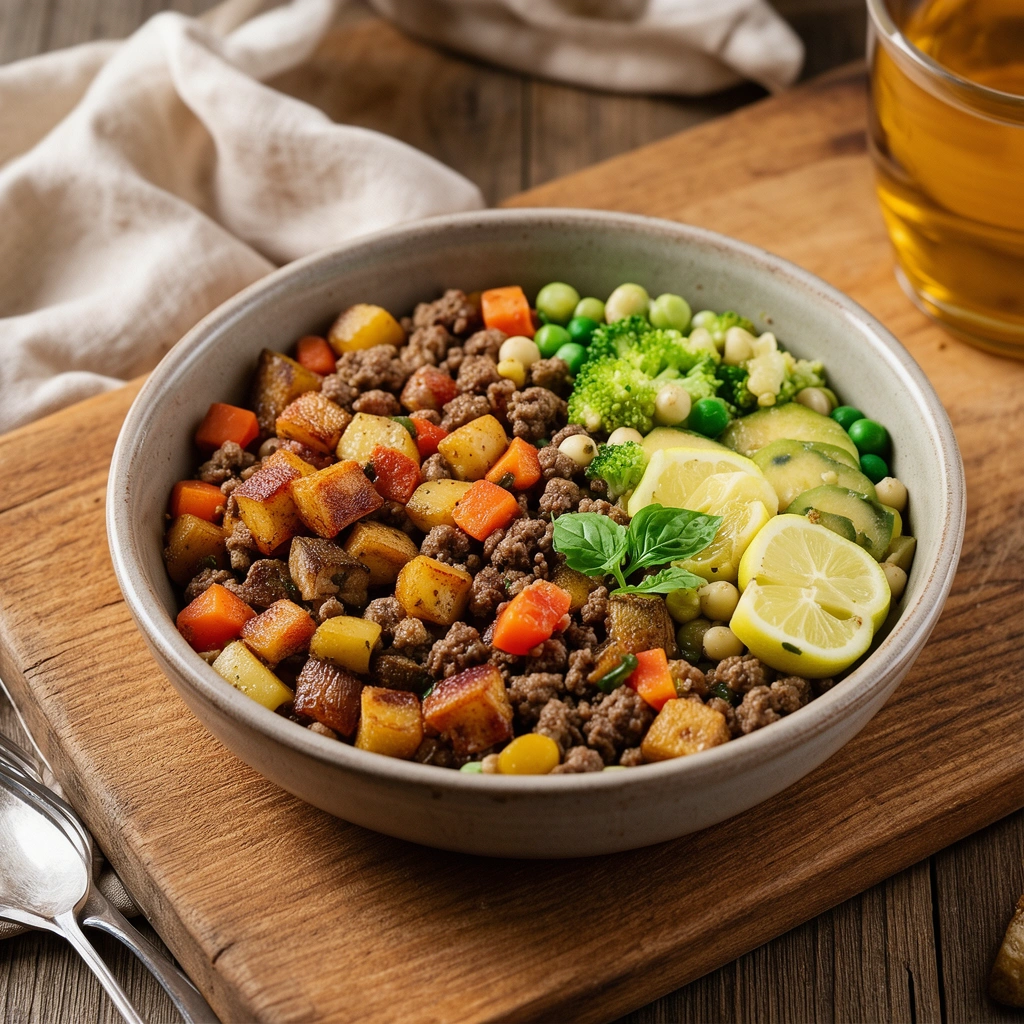
When it comes to feeding our furry friends, I know how important it is to get the facts right. With years of experience and research in dog nutrition, I’m here to guide you with accurate, trustworthy information on home cooked dog food recipes. You can trust this article to help you prepare meals that are safe, nutritious, and delicious for your dog.
So, what exactly are home cooked dog food recipes? These are carefully crafted meals made at home using fresh, wholesome ingredients tailored to meet your dog’s nutritional needs. They provide a wholesome alternative to commercial dog food, allowing you to control what your dog eats and ensuring they get the right balance of nutrients for health and vitality.
Stick around, because I’m going to share practical recipes, important nutritional tips, and advice on how to keep your dog’s meals balanced and tasty. Whether you’re a seasoned pet parent or just starting, this guide will make home cooking for your dog a breeze.
Why Choose Home Cooked Dog Food?
Switching to home cooked dog food offers several benefits over commercial options. Homemade meals give you control over ingredients, allowing you to avoid fillers, artificial additives, and preservatives commonly found in store-bought dog food. This control is especially helpful if your dog has allergies or specific dietary restrictions.
Home cooking also ensures your dog gets fresh, high-quality proteins, vegetables, and grains tailored to their needs. This can improve digestion, coat condition, energy levels, and overall well-being. Plus, it deepens the bond between you and your dog through the care and attention you put into their meals.
When choosing ingredients, think about variety and balance. Including lean meats, nutrient-dense vegetables, and healthy carbs creates a complete meal. Avoid toxic foods like onions, garlic, and chocolate, and always consult your vet before making major diet changes.
Essential Nutrients Your Dog Needs in Homemade Meals
To make sure your home cooked dog food recipes are balanced, it’s crucial to include essential nutrients:
- Protein: Supports muscle growth and repair. Sources: chicken, turkey, beef, fish, eggs.
- Carbohydrates: Provide energy and fiber for digestion. Sources: rice, sweet potatoes, oats.
- Fats: Vital for skin health and energy. Sources: fish oil, flaxseed oil, chicken fat.
- Vitamins & Minerals: Maintain immune function and overall health. Sources: leafy greens, carrots, pumpkin.
- Calcium: Crucial for bone strength. Sources: ground eggshells, yogurt, cheese (in moderation).
Remember, dogs require a different ratio of nutrients than humans. For example, their diet should be higher in protein and fat but lower in carbohydrates. Balancing these nutrients in your recipes is key to keeping your dog happy and healthy.
Classic Chicken and Rice Recipe: Simple and Digestible
This recipe is a favorite for dogs with sensitive stomachs. Chicken and rice are gentle on digestion while providing essential nutrients.
Why It Works:
Chicken offers lean protein, while rice supplies easy-to-digest carbohydrates. Together, they provide energy without upsetting your dog’s tummy.
Ingredients:
- 2 ½ cups cooked chicken breast, shredded
- 1 ½ cups cooked white rice
- 1 cup cooked carrots, chopped
- ½ cup cooked peas
- 1 tablespoon olive oil
Health Benefits:
Chicken delivers high-quality protein for muscle maintenance. Rice helps soothe digestive issues and offers energy. Vegetables add fiber and vitamins, promoting gut health.
Practical Tip:
Cook chicken thoroughly and shred it finely to make it easier for your dog to chew. Avoid seasoning to keep it safe.
This recipe suits most dog breeds and can be a great staple meal. For breeds prone to allergies, switch chicken for turkey or fish to avoid reactions.
Beef and Vegetable Medley: Nutritious and Flavorful
Beef is a protein powerhouse perfect for active dogs needing more energy. Combined with vegetables, it creates a nutrient-rich dish.
Why It Works:
Beef contains essential amino acids, iron, and zinc. Vegetables provide antioxidants and fiber that support digestion and immunity.
Ingredients:
- 2 cups lean ground beef, cooked and drained
- 1 cup cooked sweet potatoes, mashed
- 1 cup steamed green beans, chopped
- ½ cup chopped spinach
- 1 teaspoon fish oil
Health Benefits:
Iron from beef boosts oxygen transport in the body. Sweet potatoes add complex carbs and beta-carotene. Green beans and spinach are packed with vitamins A, C, and K.
Practical Tip:
Drain excess fat from beef to avoid unnecessary calories. Add fish oil last to preserve omega-3 fatty acids.
This recipe fits well with medium to large breeds needing higher calories. It also supports skin and coat health thanks to the fish oil.
Turkey and Quinoa Bowl: A Protein-Packed Powerhouse
Quinoa is a superfood grain that complements turkey perfectly, offering a complete amino acid profile and fiber.
Why It Works:
Turkey is lean and rich in tryptophan, promoting calmness. Quinoa supplies protein, carbs, and fiber, aiding digestion and energy.
Ingredients:
- 2 cups cooked ground turkey
- 1 cup cooked quinoa
- ½ cup diced zucchini
- ½ cup shredded carrots
- 1 tablespoon coconut oil
Health Benefits:
Turkey supports muscle growth and repair. Quinoa is gluten-free and aids gut health. Coconut oil supports immune function and adds healthy fats.
Practical Tip:
Rinse quinoa before cooking to remove saponins, which can cause stomach upset.
This recipe is ideal for dogs with grain sensitivities and those needing lean protein. The flavors appeal to picky eaters too.
Fish and Sweet Potato Delight: Omega-3 Rich Meal
Fish provides omega-3 fatty acids critical for brain and heart health, while sweet potatoes offer fiber and antioxidants.
Why It Works:
Salmon or white fish deliver essential fatty acids that reduce inflammation and improve cognitive function.
Ingredients:
- 2 cups cooked salmon or white fish, flaked
- 1 ½ cups cooked sweet potatoes, mashed
- 1 cup steamed broccoli, chopped
- 1 teaspoon flaxseed oil
Health Benefits:
Omega-3s help maintain a shiny coat and healthy joints. Sweet potatoes and broccoli provide vitamins and minerals that support immunity.
Practical Tip:
Remove all bones from fish to prevent choking hazards. Use fresh or frozen fish to avoid toxins.
This meal is great for older dogs or those with joint issues. The anti-inflammatory properties make it a healing diet option.
Lamb and Vegetable Stew: Rich and Robust Flavor
Lamb is a flavorful protein source, excellent for dogs with allergies to common meats like chicken or beef.
Why It Works:
Lamb is rich in essential fatty acids and minerals like zinc, which support skin health and immunity.
Ingredients:
- 2 cups cooked ground lamb
- 1 cup cooked barley
- 1 cup diced carrots
- 1 cup chopped kale
- 1 tablespoon olive oil
Health Benefits:
Zinc and iron in lamb promote healing and oxygen transport. Barley adds fiber for digestion. Kale offers antioxidants and vitamins.
Practical Tip:
Cook barley thoroughly to aid digestion. Introduce new proteins gradually to avoid stomach upset.
This hearty stew suits medium to large breeds and dogs with food sensitivities, offering a delicious protein alternative.
Vegetable and Egg Scramble: Protein and Nutrient Boost
Eggs are an excellent source of protein and essential amino acids, making them a great addition to your dog’s diet.
Why It Works:
Eggs contain biotin, which supports healthy skin and coat, and choline, which aids brain function.
Ingredients:
- 2 large eggs, scrambled
- ½ cup cooked peas
- ½ cup cooked carrots, diced
- 1 tablespoon olive oil
Health Benefits:
Eggs provide complete protein and healthy fats. Vegetables add fiber and antioxidants.
Practical Tip:
Cook eggs fully to reduce risk of salmonella and improve digestibility.
This simple recipe is perfect for breakfast or a quick protein boost, suitable for all dog sizes.
Tips for Safely Preparing Homemade Dog Food
When cooking for your dog, keep these safety tips in mind to protect your pet’s health:
- Avoid toxic foods: onions, garlic, grapes, raisins, chocolate, caffeine, and macadamia nuts.
- Use fresh ingredients and avoid seasoning or salt.
- Cook meats thoroughly to kill bacteria.
- Introduce new foods gradually to monitor for allergies.
- Consult your vet or a canine nutritionist before making major diet changes.
- Store homemade food properly in airtight containers and refrigerate or freeze.
Balancing Homemade Dog Meals for Complete Nutrition
One of the biggest gaps in many recipes is failing to balance nutrients for a complete diet. Dogs require a precise balance of proteins, fats, carbohydrates, vitamins, and minerals.
To achieve this, consider:
- Using a canine multivitamin supplement if recommended.
- Rotating proteins and veggies to provide variety.
- Measuring portions to avoid obesity or malnutrition.
- Incorporating calcium sources like ground eggshells or yogurt.
Consult a vet to tailor recipes based on your dog’s age, breed, and health condition.
How to Transition Your Dog to Homemade Food
Sudden diet changes can upset your dog’s stomach. To switch safely:
- Mix small amounts of homemade food with current food.
- Gradually increase homemade portions over 7-10 days.
- Watch for signs of digestive upset or allergies.
- Keep fresh water available at all times.
Patience is key—transitioning slowly ensures your dog adjusts comfortably.
Storing and Serving Homemade Dog Food
Proper storage preserves nutrients and safety:
- Prepare meals in batches for up to 3-4 days refrigerated.
- Freeze portions for longer storage (up to 3 months).
- Thaw frozen meals overnight in the fridge.
- Serve meals at room temperature to avoid burning your dog’s mouth.
Always check for spoilage before feeding.
Conclusion
Home cooked dog food recipes offer a fantastic way to provide your dog with fresh, nutritious meals tailored to their needs. From classic chicken and rice to omega-3 rich fish dishes, homemade meals can boost your dog’s health, energy, and happiness. Remember to balance nutrients, avoid toxic foods, and transition slowly to make the switch safe and enjoyable.
By choosing homemade dog food, you’re investing in your dog’s well-being with every meal. So, get cooking and watch your furry friend thrive with wholesome, delicious food made just for them.
Thanks for reading! If you want more tips and recipes on feeding your dog healthily, stay tuned for upcoming articles packed with practical advice.